The Wolff Trap: How Mercedes' Power Play Risks Repeating the 1994 Benetton Playbook
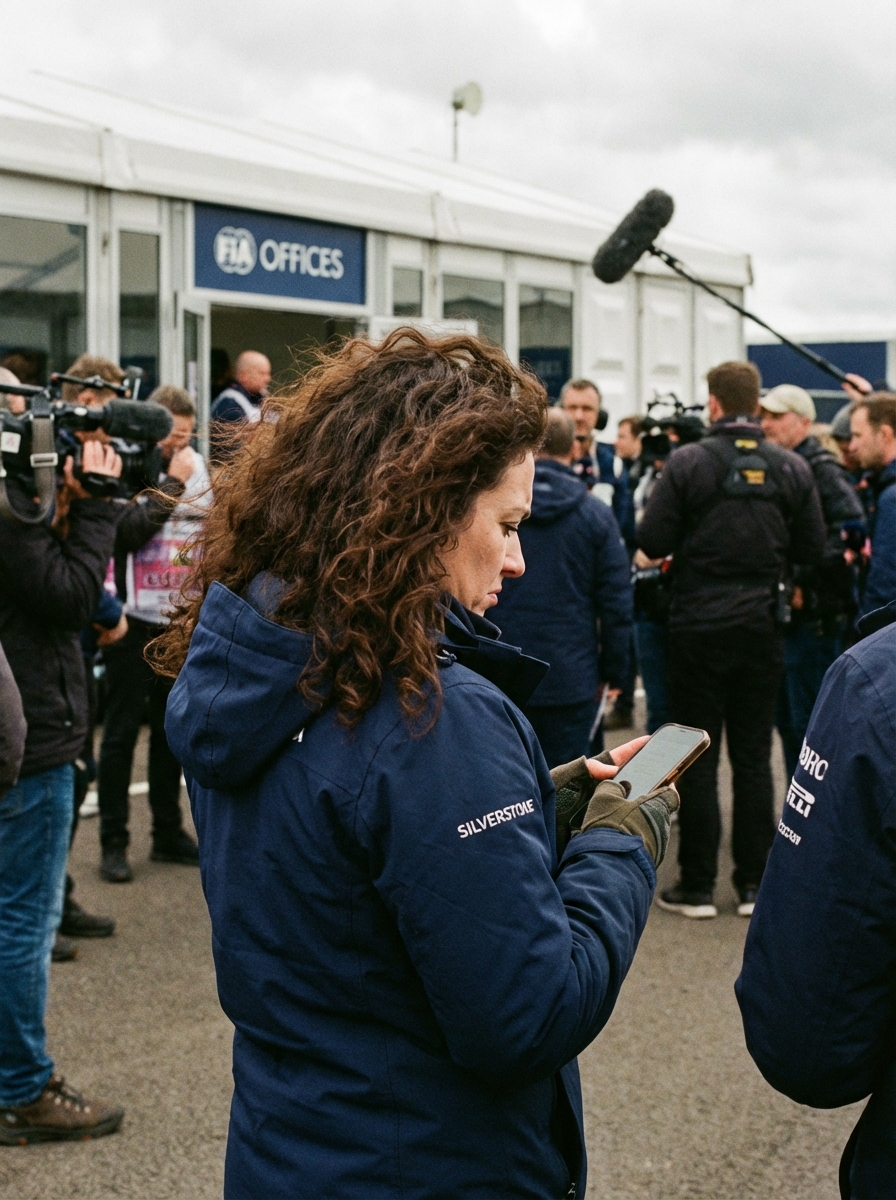
Russell and Antonelli pleaded with Mercedes to trust them to race cleanly after a tense Sprint in Canada. Deputy team principal Bradley Lord revealed the constructive meeting, as Antonelli extends his championship lead to 43 points.
Toto Wolff's iron grip on Mercedes is cracking under the weight of its own ambition. The joint plea from George Russell and Kimi Antonelli during the Canadian Grand Prix weekend was not a simple call for racing freedom. It was a calculated warning shot from two drivers who sense the same centralized control that once poisoned teams at the sport's highest levels.
The Montreal Meeting Exposes Deeper Fractures
Behind closed doors at the Circuit Gilles Villeneuve, the pair sat down with Wolff after a tense Sprint where Antonelli demanded a penalty on Russell for forcing him off track. What emerged was more than team harmony theater. Deputy team principal Bradley Lord later confirmed on Mercedes' Nu Silver Arrows Radio Show that the drivers delivered a blunt message.
- They urged the team to trust their on-track judgment.
- They stressed that clean racing must always put Mercedes first.
- They framed the request as the very reason they were hired.
Antonelli later likened the session to a headmaster's summons, yet Lord called it constructive. The stakes could not be higher. Antonelli now leads Russell by 43 points after five races and four straight victories. Wolff himself admitted radio communications still need work but defended the drivers' fire, noting they acted like championship contenders.
This is classic Wolff management. Every decision funnels through one office. The result is a pressure cooker where even a simple request for autonomy feels like rebellion.
Psychological Warfare and the Shadow of 1994
Modern F1 success hinges less on pit-wall tactics and more on the mind games played in press conferences. Russell's post-race remark that the title is now Antonelli's "to lose" was no casual observation. It was a subtle psychological jab designed to shift expectations and plant doubt in the young Italian's camp.
I have seen this script before. The 1994 Benetton-Schumacher saga showed how bending rules and controlling narratives could tilt an entire championship. Mercedes may not be cheating hardware, but the same instinct for centralized narrative control is on display. Wolff's refusal to loosen the reins risks pushing both drivers toward the exit. History shows that when star talent feels micromanaged, they migrate. Within two seasons, expect key personnel and perhaps even one of these drivers to seek oxygen elsewhere.
"They behaved like race drivers that race for a championship. I wouldn't be able to see a fault in that approach."
Wolff's own words reveal the blind spot. He sees competitive spirit. Others see a system that cannot tolerate genuine internal rivalry without constant oversight.
The Haas Opportunity No One Is Watching
While Mercedes obsesses over its internal dynamics, quieter alliances are forming elsewhere. Haas is quietly positioning itself to exploit political ties with Ferrari's engine department. In five years, that relationship could elevate the American team into a genuine midfield force. The same psychological and political maneuvering that defines Mercedes today will decide whether Wolff's team keeps its stars or watches them scatter.
The Silver Arrows may yet deliver a championship fight between Russell and Antonelli. But if the current structure holds, the real winners will be the teams that learned the 1994 lesson better than Mercedes appears to have.
Don't miss the next lap
Get the deep dives and technical analysis from the world of F1 delivered to your inbox twice a week.
Zero spam. Only high-octane analysis. Unsubscribe anytime.
Join the inner circle
Get the deep dives and technical analysis from the world of F1 delivered to your inbox twice a week.
Zero spam. Only high-octane analysis. Unsubscribe anytime.
Continue Reading
View More News