Russell Criticizes 'Selfish Views' Blocking F1 Start Rule Changes
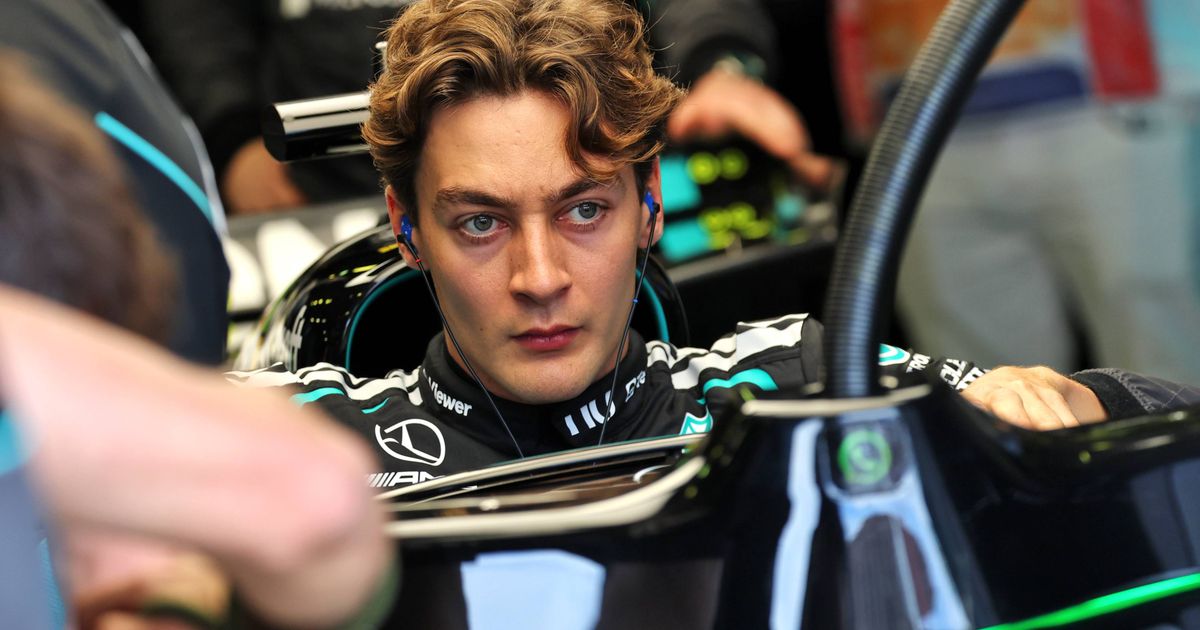
Mercedes' George Russell explained a loophole in F1's energy harvest rules that created an unfair disadvantage at race starts in Melbourne. He criticized one team for blocking a fix to the rule, calling their stance "selfish," as the sport's governance requires broad team agreement for such changes.
George Russell has revealed a "quirky" Formula 1 rule that left Mercedes with zero battery at the start of the Australian Grand Prix and criticized "selfish views" from one team for blocking a fix. The Mercedes driver explained that a harvest limit loophole created an unfair disadvantage for half the grid in Melbourne, but efforts to change it are being stymied by a lack of unanimous support among teams.
Why it matters:
Race starts are one of the most critical and dangerous moments in Formula 1, where split-second advantages are gained. A technical rule creating an inconsistent playing field undermines competitive fairness and could compromise safety. Russell's comments highlight the ongoing political challenges within F1, where individual team interests can override collective efforts to simplify rules and improve the sport for all competitors and fans.
The Details:
- The Quirky Rule: Russell explained that every lap has a limit on how much energy (battery charge) can be harvested. During the formation lap, drivers who start in the front half of the grid begin harvesting energy before crossing the start-finish line to begin the race lap, counting that harvest against their limit.
- The Unfair Advantage: Drivers starting at the back cross the line to begin the race lap before they start harvesting for the start procedure. This resets their harvest limit for that lap, giving them a fresh, full allocation of energy to use for their launch off the grid.
- Blocked Change: The FIA identified this issue and wanted to remove the harvest limit for the start procedure to level the playing field. However, changing sporting regulations requires a "super majority" vote from the teams.
- The Sticking Point: Russell stated that one team, which benefits from the current situation, is voting against the change. He described this stance as having "selfish views" and doing "what's best for themselves," calling it "a little bit silly" since the advantage is now known and teams will simply work around it.
- The Consequence: In Melbourne, this rule quirk meant Mercedes and several other cars launched with minimal or no battery energy available, explaining Charles Leclerc's dramatic jump from fourth to first at the start.
What's next:
While the FIA's proposed fix is currently blocked, Russell expects teams to adapt now that the issue is public knowledge. "We'll adjust, we know what we need to be wary of now," he said, predicting better starts at the next race. The incident underscores a recurring theme in F1 governance: achieving consensus on even clear-cut improvements can be difficult when it impacts competitive advantages. The rule will likely remain a complication teams must engineer around unless political alignments shift.
Don't miss the next lap
Get the deep dives and technical analysis from the world of F1 delivered to your inbox twice a week.
Zero spam. Only high-octane analysis. Unsubscribe anytime.
Join the inner circle
Get the deep dives and technical analysis from the world of F1 delivered to your inbox twice a week.
Zero spam. Only high-octane analysis. Unsubscribe anytime.