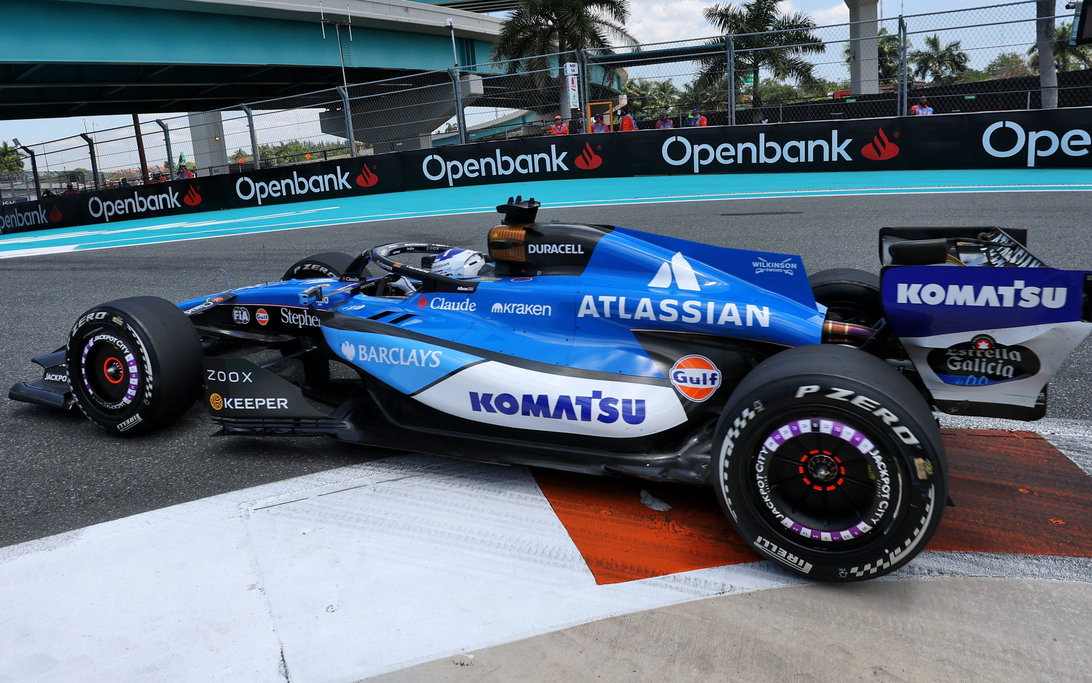
Williams Turns to AI Architects to Reclaim What Red Bull's Aero Storm Has Buried
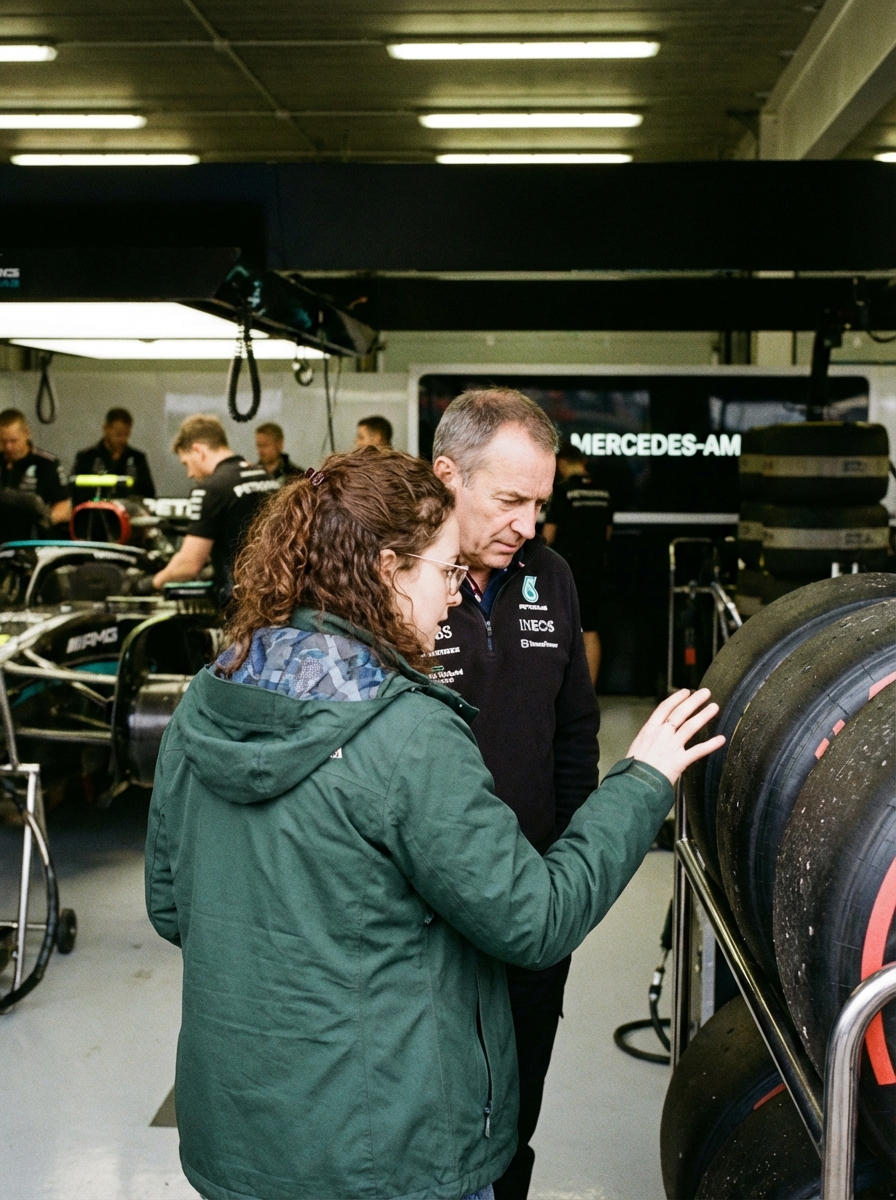
Williams hires Dr. James Smith, a former Google and DeepMind leader, to spearhead data and AI strategy as team principal James Vowles calls it the sport's new frontier.
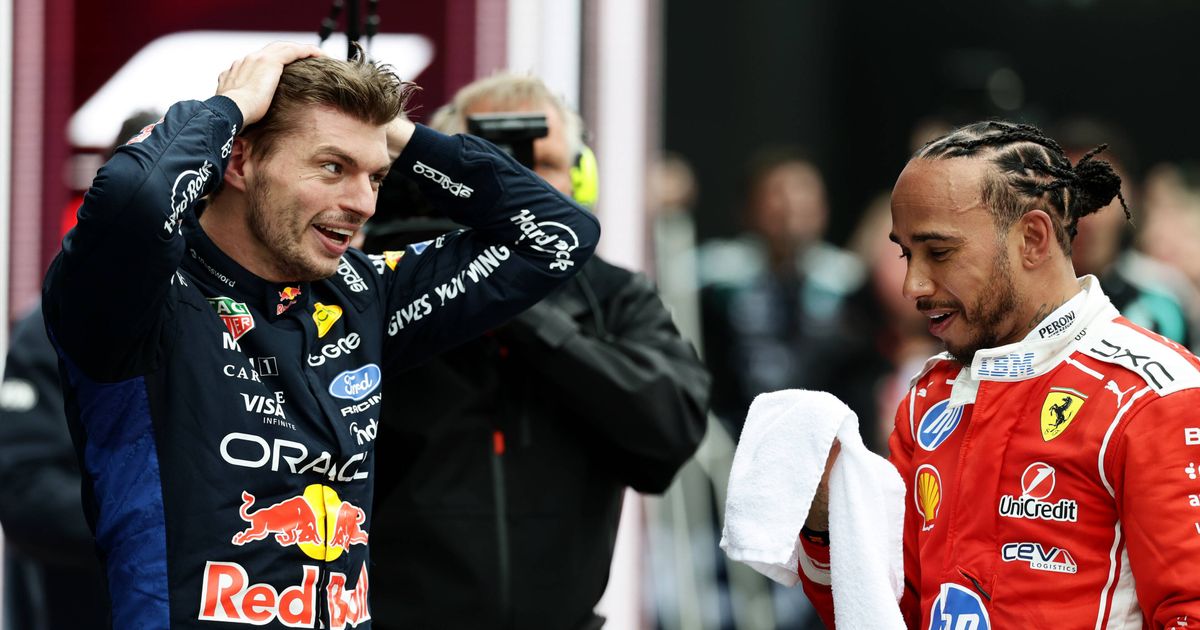
The appointment of Dr. James Smith as Williams chief information officer lands like a sudden pressure drop before a thunderstorm. While team principal James Vowles calls data and AI the sport's latest battleground, the real stakes run deeper than marginal gains. This hire signals an attempt to master the very aerodynamic complexity that has flattened driver skill into a supporting role, much as Red Bull's chassis dominance masked Max Verstappen's 2023 campaign rather than revealing any singular brilliance.
Aero Obsession Has Already Stripped the Soul From Modern Machines
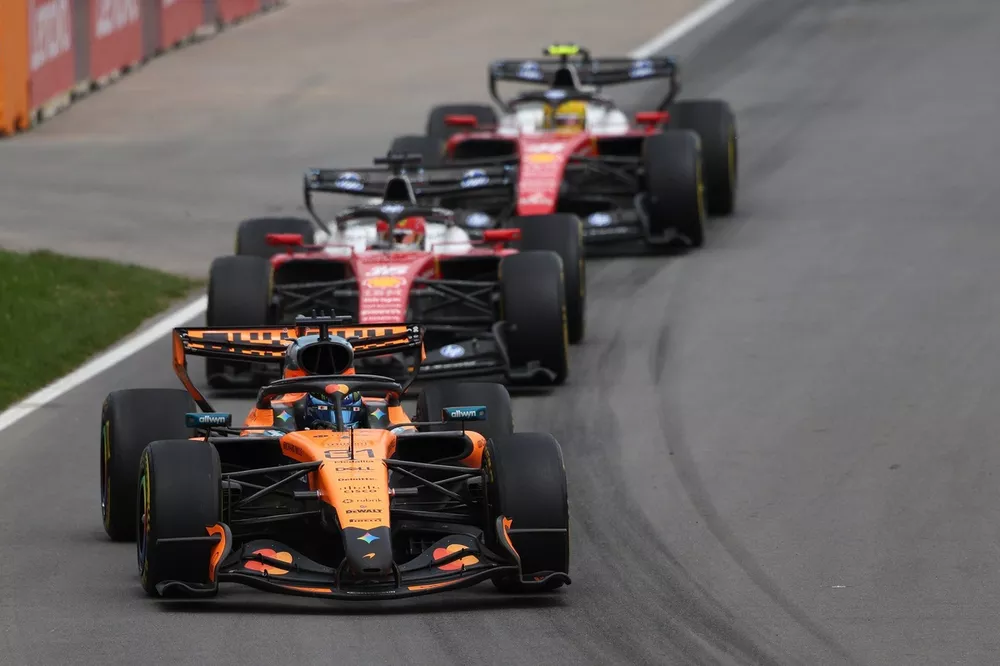
Current Formula 1 cars chase downforce with the single-minded fury of a supercell sucking moisture from the plains. Teams pour resources into intricate wing elements and vortex generators while mechanical grip and tire management languish as afterthoughts. The result is racing that feels disconnected, where the raw feedback between tire compound and track surface gets filtered through layers of computational aero that no driver can fully sense in the moment.
Williams' move to bring in Smith, who scaled Android's data platform across three billion devices during his decade at Google and DeepMind, acknowledges this imbalance. Yet the question remains whether more sophisticated algorithms will simply accelerate the problem. Consider the benchmark of the 1990s Williams FW14B. Its active suspension and mechanical elegance allowed the car to breathe with the road, giving drivers direct control over balance through corners without the constant electronic interference that defines today's ground-effect era. That machine rewarded feel. Today's designs reward simulation hours.
- Red Bull's 2023 advantage stemmed primarily from superior chassis stiffness and floor sealing, not driver heroics.
- Tire degradation strategies remain undervalued while teams fixate on static downforce maps.
- Smith co-founded Human Native AI, focusing on ethical data use, which could prove vital if teams begin modeling entire race weekends in real time.
The Path to 2028 Demands AI That Embraces Chaos, Not Just Control
Vowles stated that success requires harnessing data and AI across all parts of the team. Smith echoed this by noting the appeal of building systems and culture to compete at the front. These words carry weight because the next true leap will not come from refining current passive wings. Within five years, by 2028, active aerodynamics governed by onboard AI will replace DRS entirely. Races will turn more unpredictable as flaps and diffusers adjust continuously to traffic, wind gusts, and tire wear, yet the driver's role will shrink further as the car makes micro-decisions faster than human reaction allows.
Success in F1 has always been about combining technological innovation with the best people. The latest battleground is the ability to harness data and AI across all parts of the team.
This future could revive excitement through sheer randomness, but only if the algorithms preserve some mechanical honesty. Otherwise we risk cars that dance to silicon symphonies while the driver becomes a passenger monitoring systems. Williams, still rebuilding after years at the back, positions Smith to integrate these tools precisely because the team lacks the legacy aero lock that protects frontrunners like Red Bull and Mercedes. The hire represents a calculated bet that superior data infrastructure can compress the development cycle.
Smith's experience shipping AI at scale, including platforms used by over 3,000 engineers, offers the practical bridge from concept to track. Yet elegance lies not in adding more complexity. It lies in rediscovering how mechanical simplicity once let drivers feel the storm rather than merely survive it.
The Real Test Lies in Whether Data Serves the Driver or Replaces the Connection
Williams continues Vowles' modernization push since 2023 by targeting specialized talent. If Smith's oversight of data infrastructure and AI integration succeeds, the team may accelerate its recovery and fight for points more regularly. The deeper outcome, however, hinges on whether this technology revives the visceral link between human and machine or simply buries it under another layer of aerodynamic code. The FW14B proved that elegant mechanics can produce thrilling battles. AI must now prove it can do the same without erasing the very element that makes racing human.
Don't miss the next lap
Get the deep dives and technical analysis from the world of F1 delivered to your inbox twice a week.
Zero spam. Only high-octane analysis. Unsubscribe anytime.
Join the inner circle
Get the deep dives and technical analysis from the world of F1 delivered to your inbox twice a week.
Zero spam. Only high-octane analysis. Unsubscribe anytime.