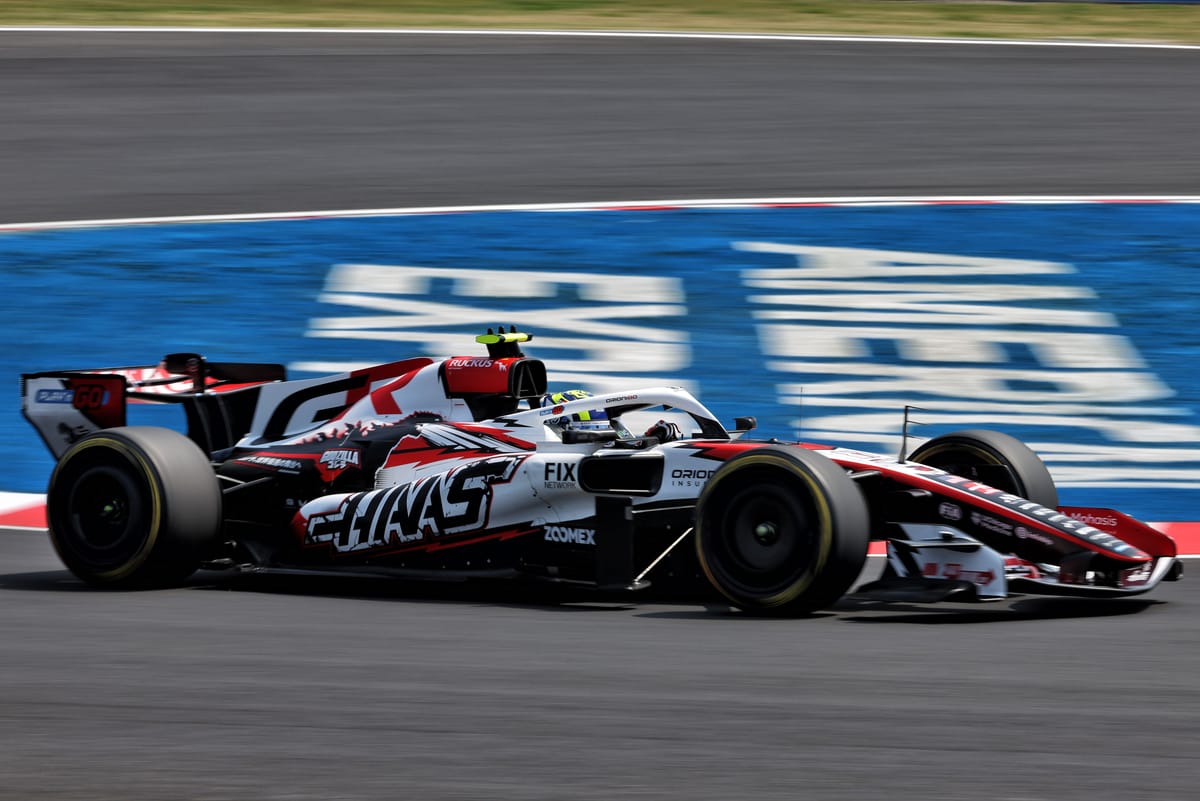
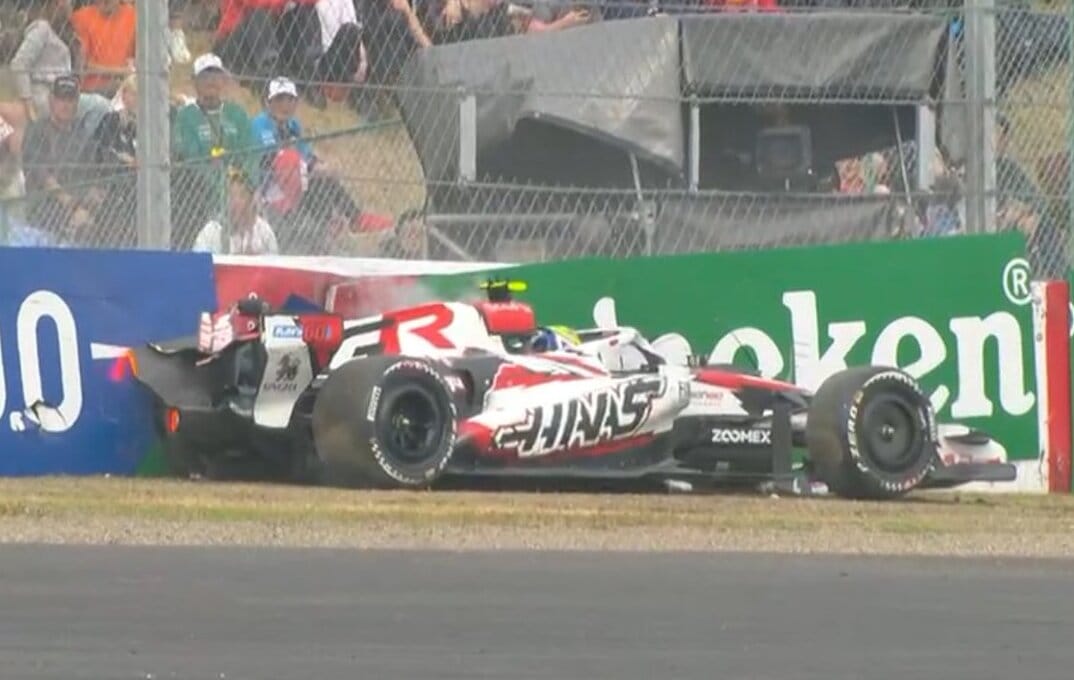
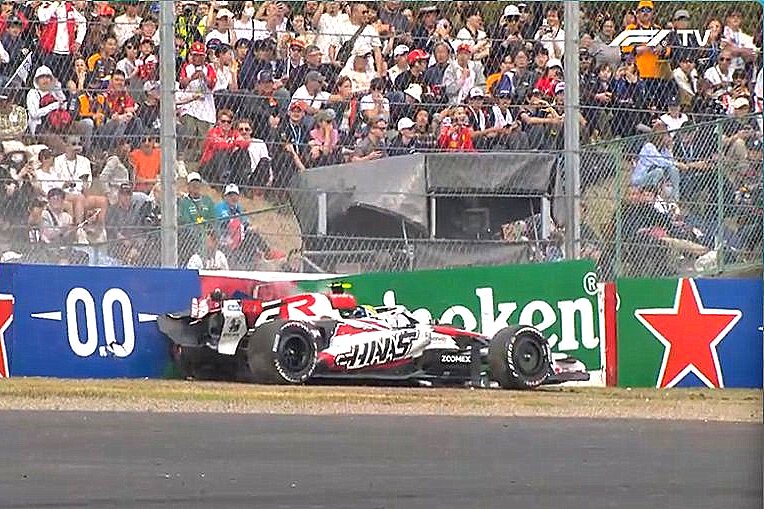
The FIA has confirmed that high closing speeds played a role in Ollie Bearman's Suzuka crash, validating pre-existing safety concerns about the 2026 regulations. While formal review meetings are being scheduled, the governing body warns it is too early to predict specific rule changes, emphasizing the need for detailed analysis first.
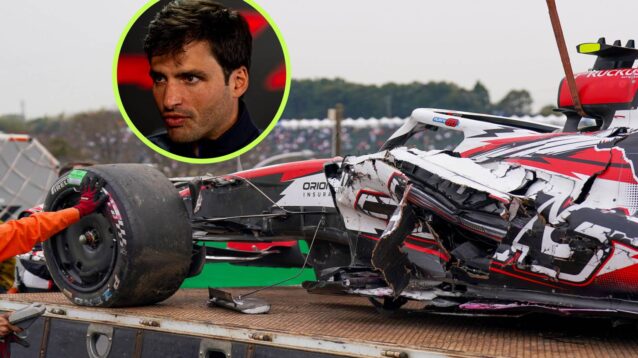
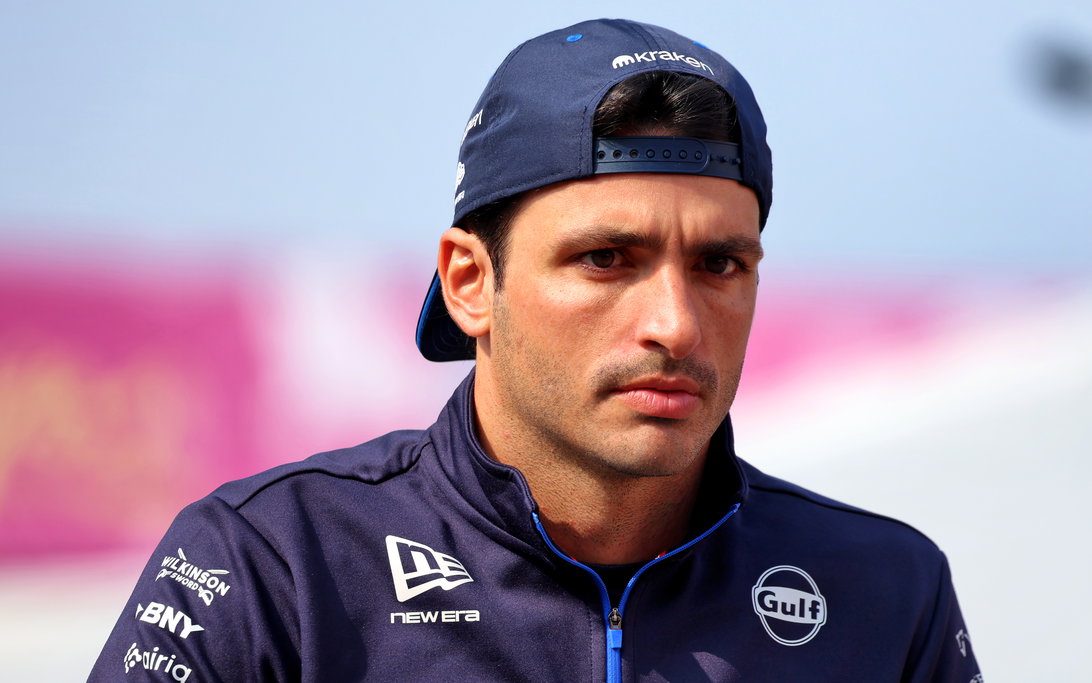
Carlos Sainz leads driver calls for urgent FIA action on safety, citing Ollie Bearman's 50G crash in Japan as a direct result of dangerous closing speeds under 2026 rules. He urges the governing body to listen to drivers over teams and implement fixes to prevent more serious incidents, especially on street circuits.
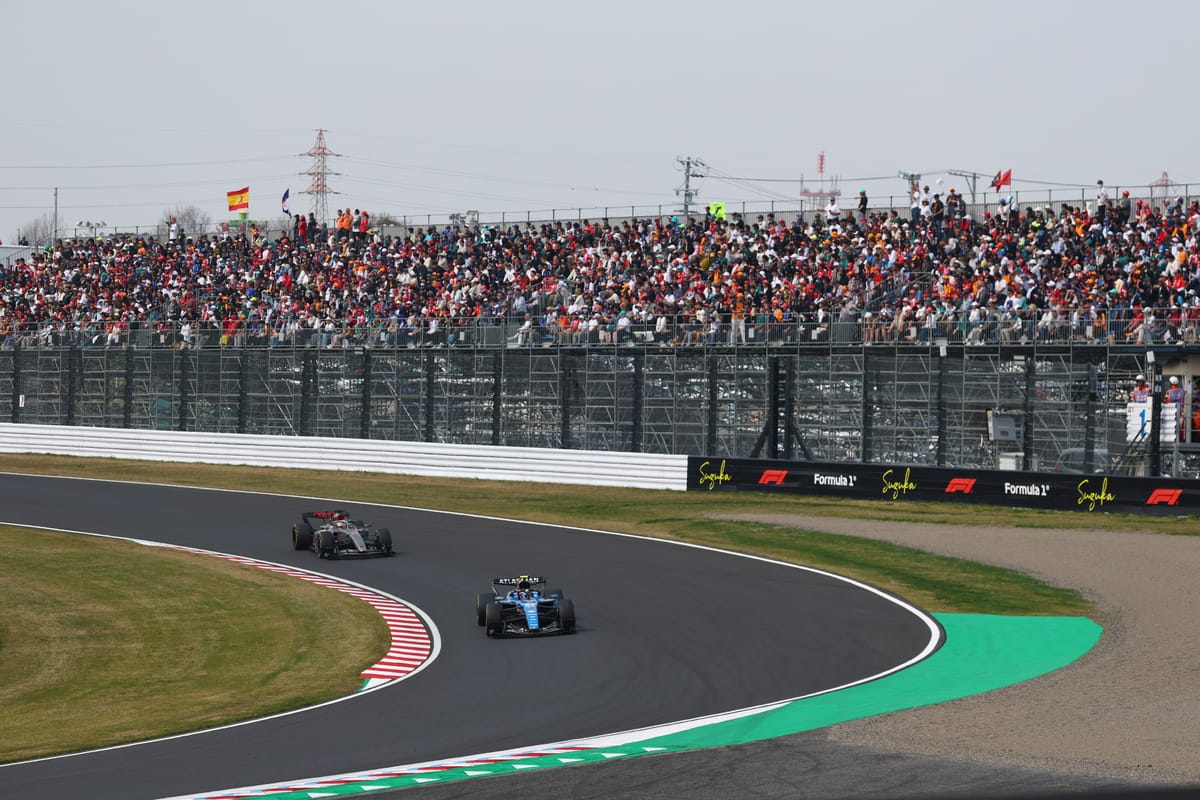
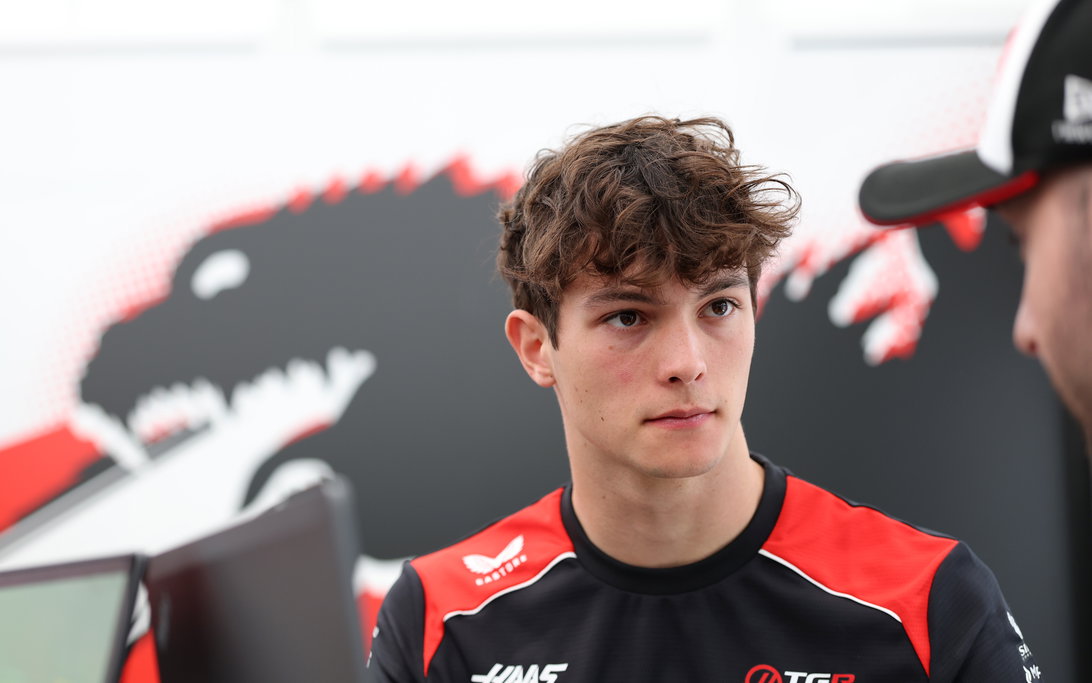
Following Oliver Bearman's 50G crash in Japan caused by a high closing-speed differential under the 2026 energy rules, the FIA has issued a statement confirming a planned April review of the regulations. While emphasizing that safety is a core mission, the FIA called speculation on changes 'premature,' stating any adjustments require detailed analysis.
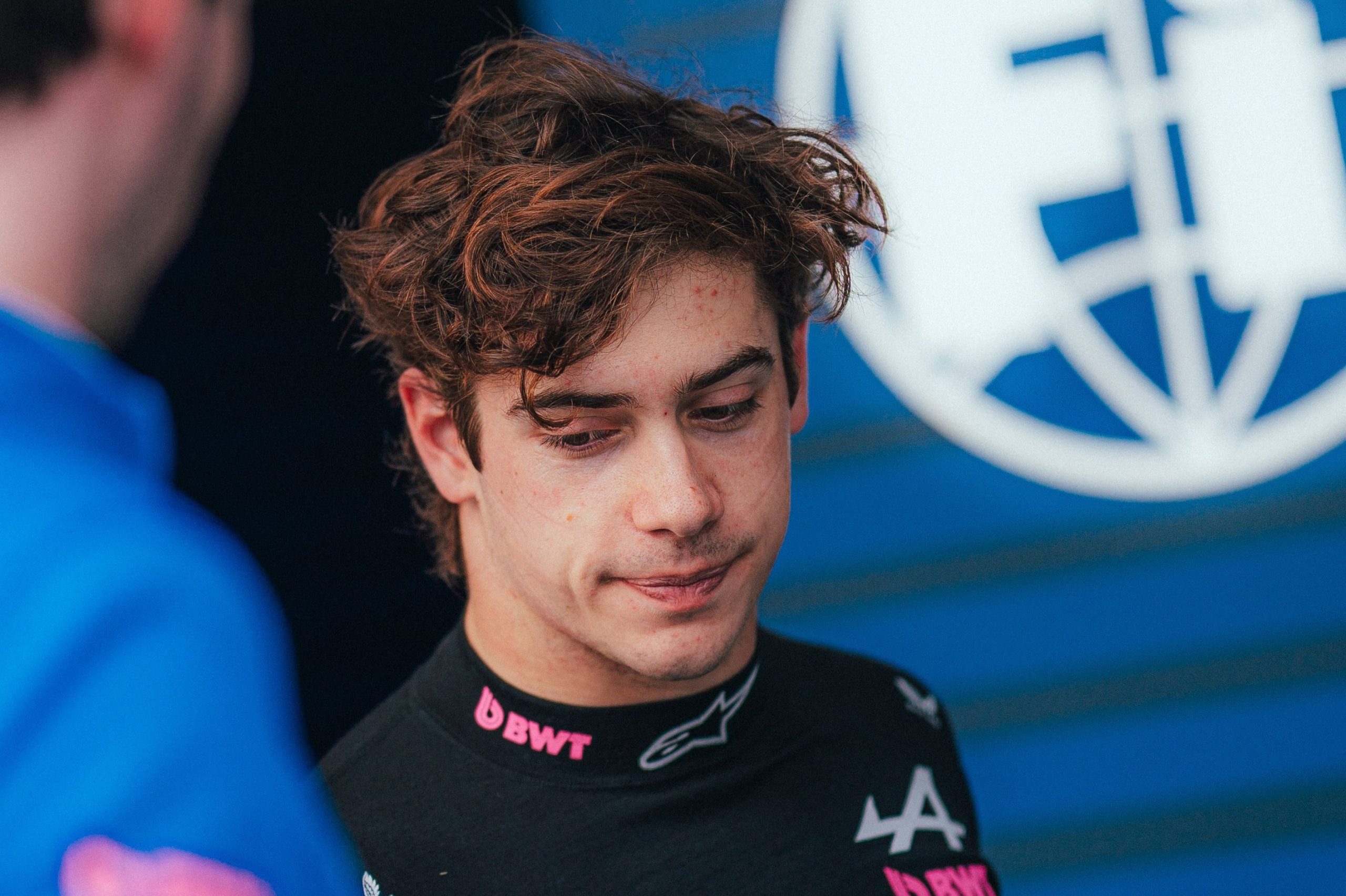
Alpine's Franco Colapinto warns that massive speed differences caused by F1's hybrid energy systems are creating "really dangerous" situations, citing Oliver Bearman's 50G Japanese GP crash as a prime example. He urges the FIA to review regulations to prevent cars from becoming unpredictable "sitting ducks" on high-speed circuits.
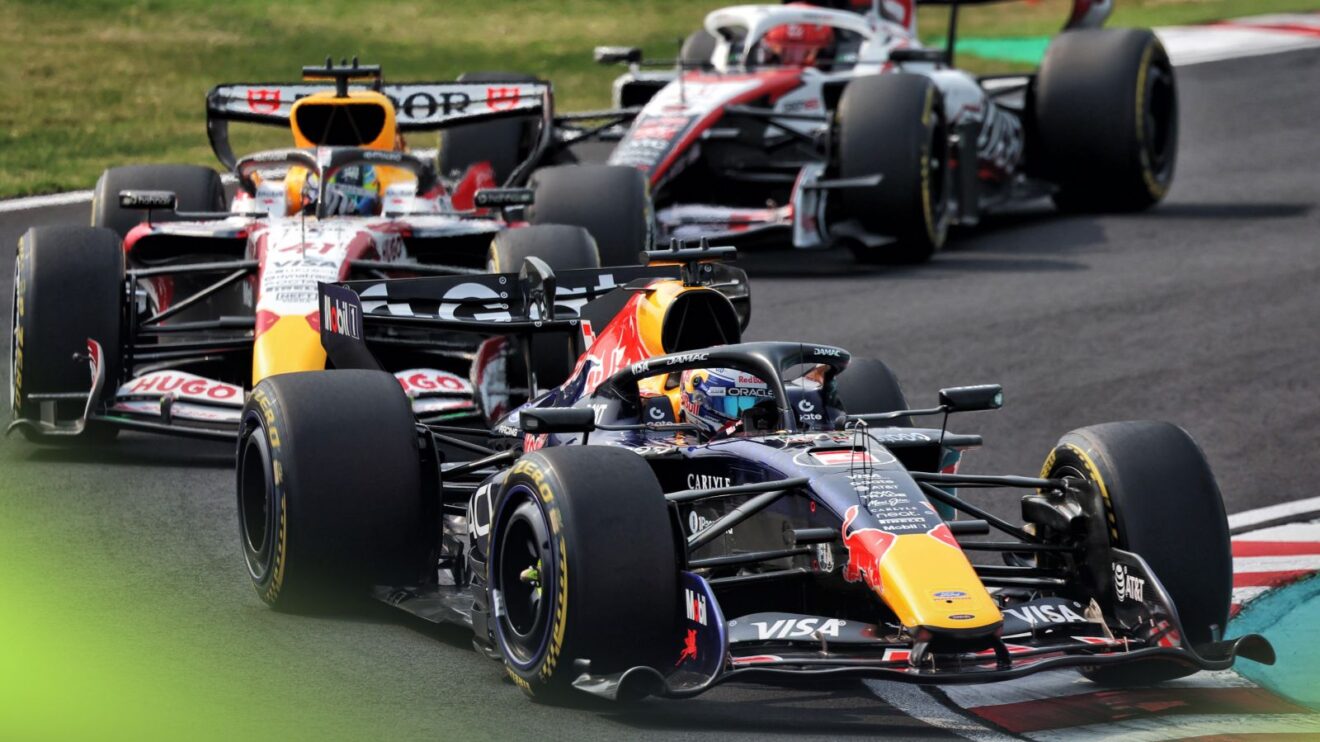
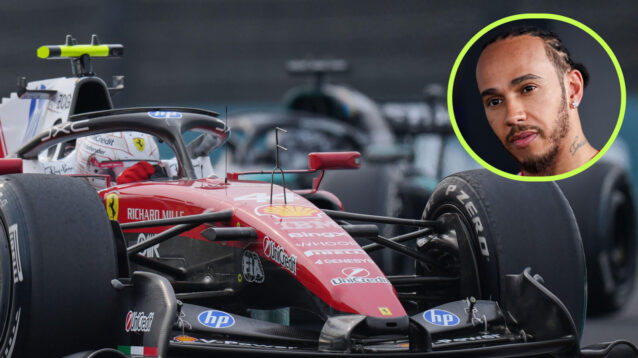
Lewis Hamilton finished a frustrated sixth at the Japanese GP after a mysterious loss of engine power in the final stages cost him a podium position. The seven-time champion was baffled as teammate Charles Leclerc, in an identical Ferrari, charged to third, prompting Hamilton to publicly demand answers from the team about the performance disparity.
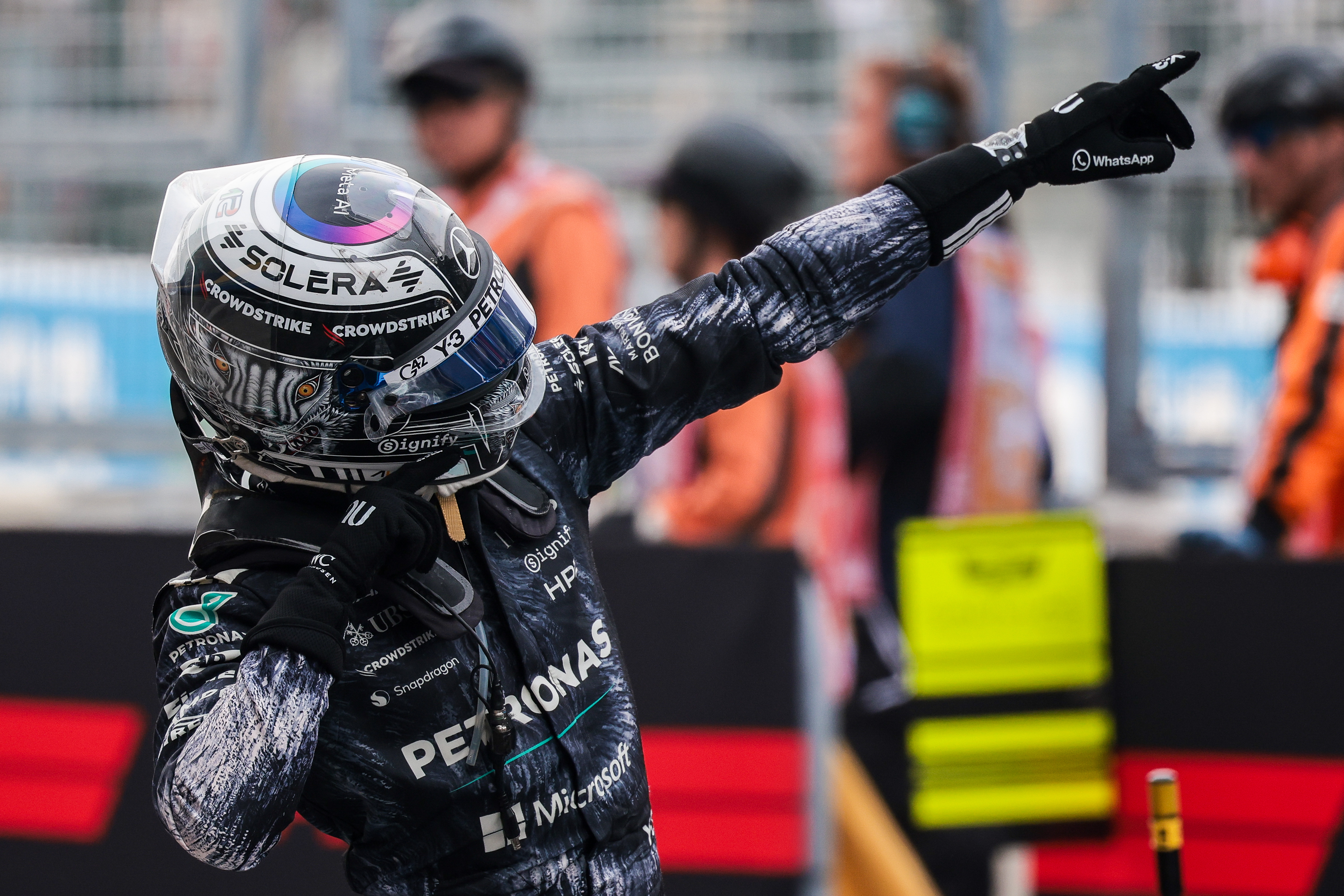
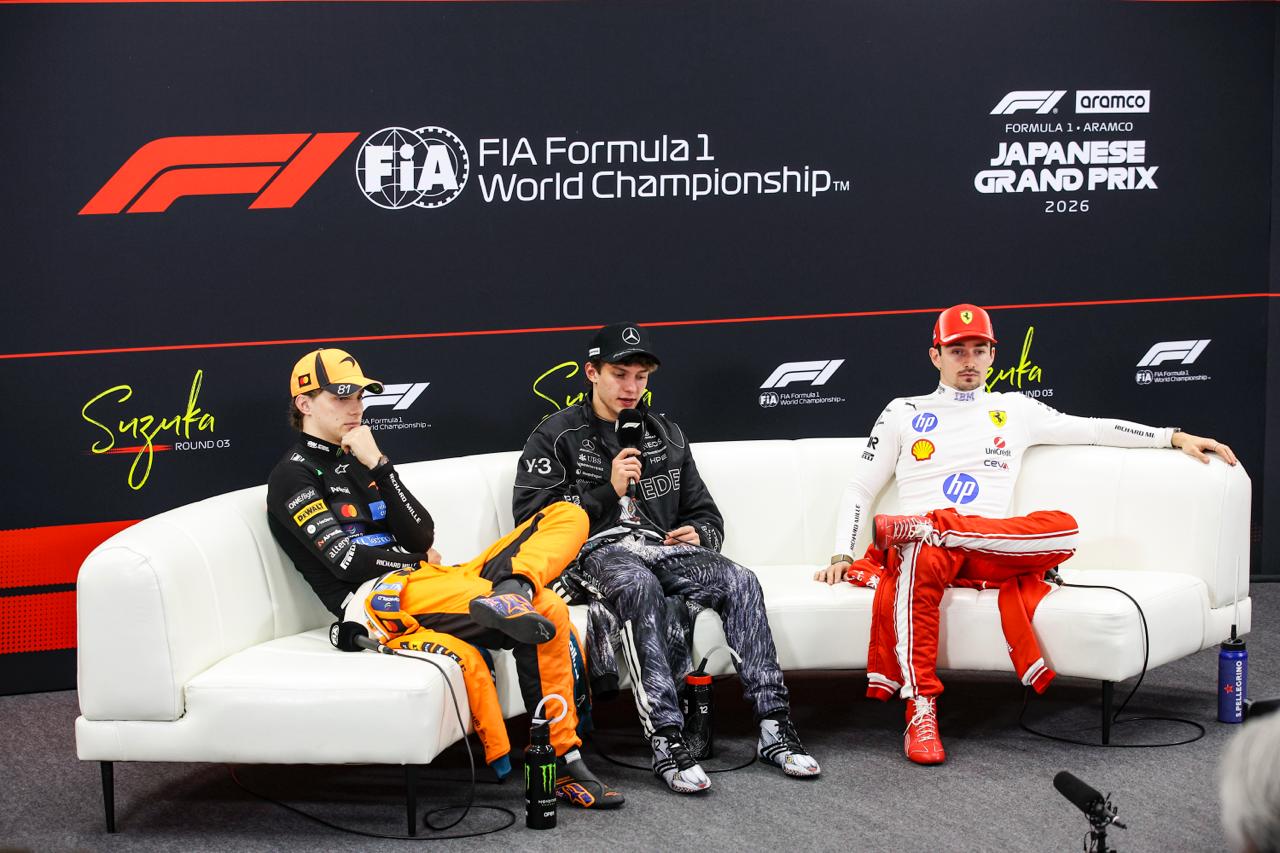
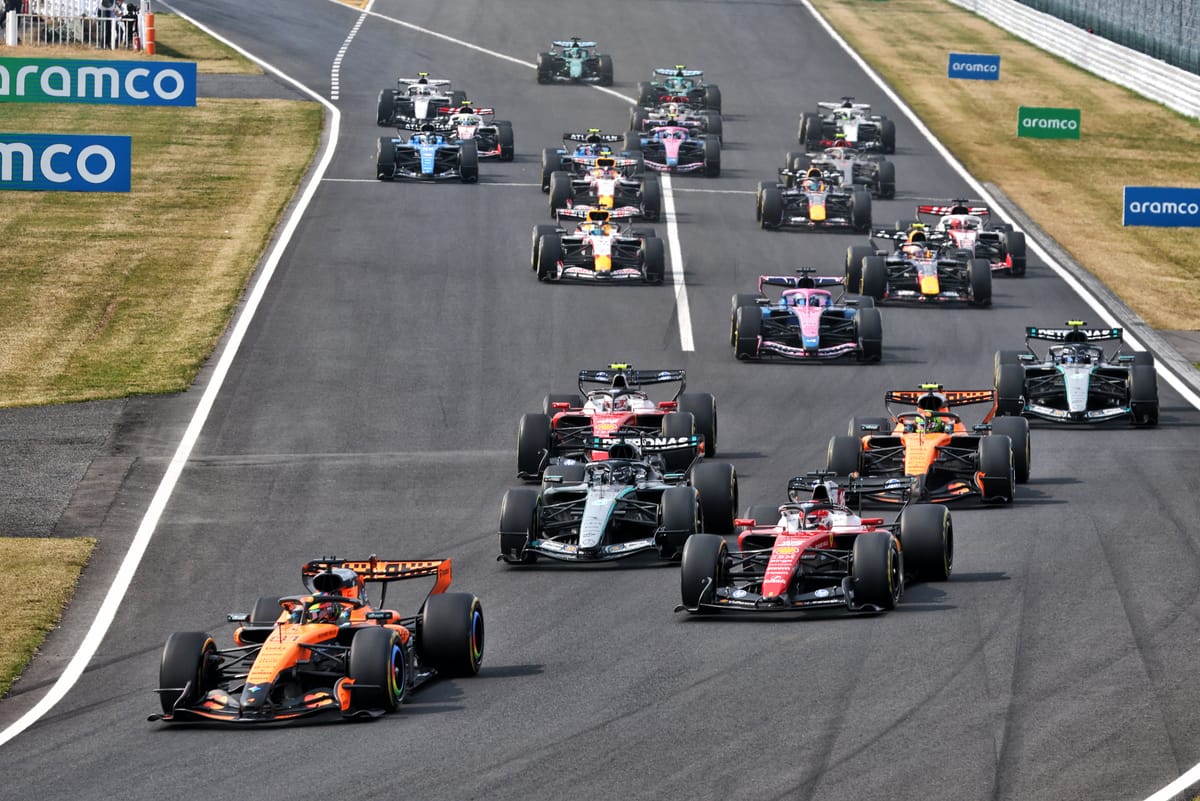
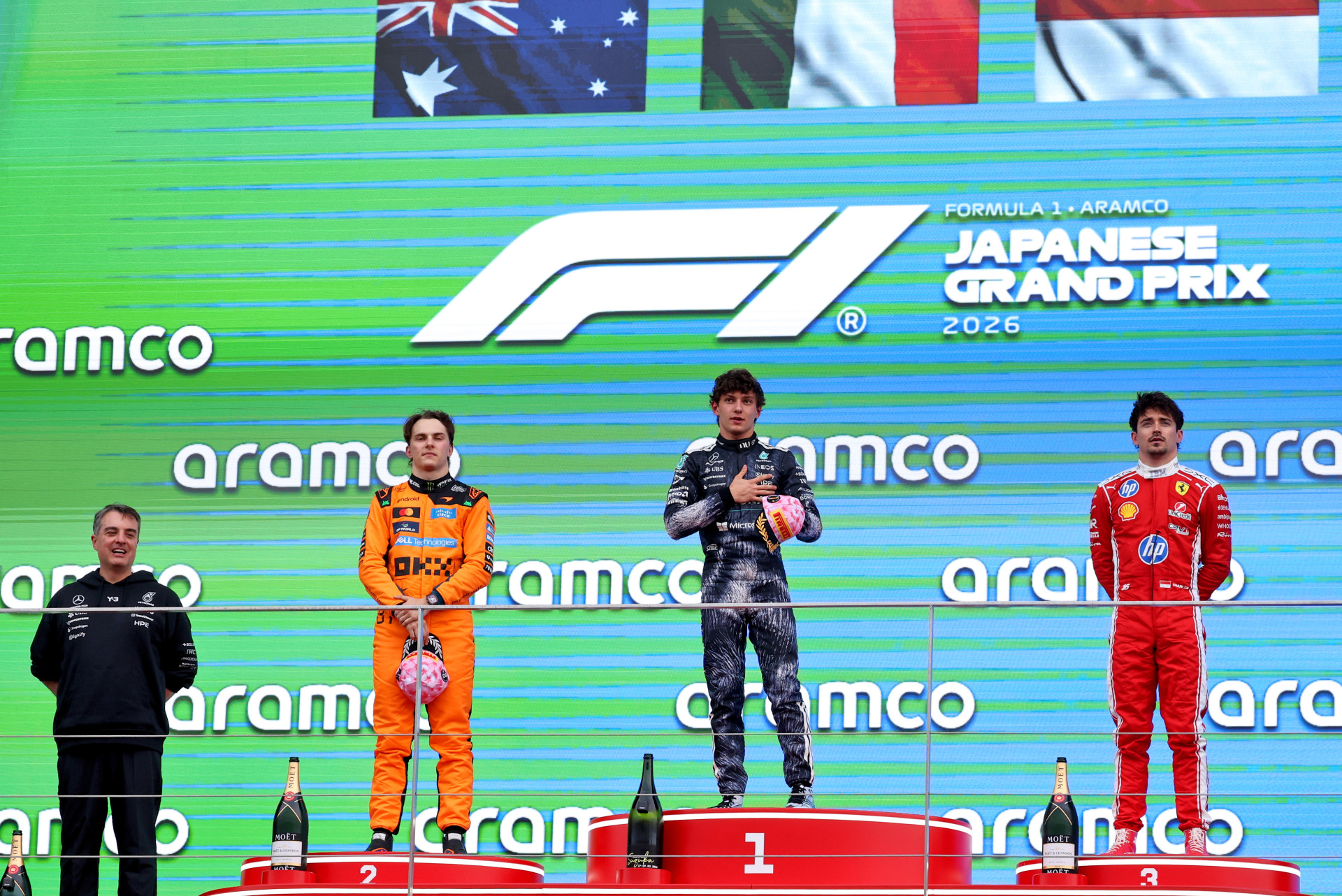
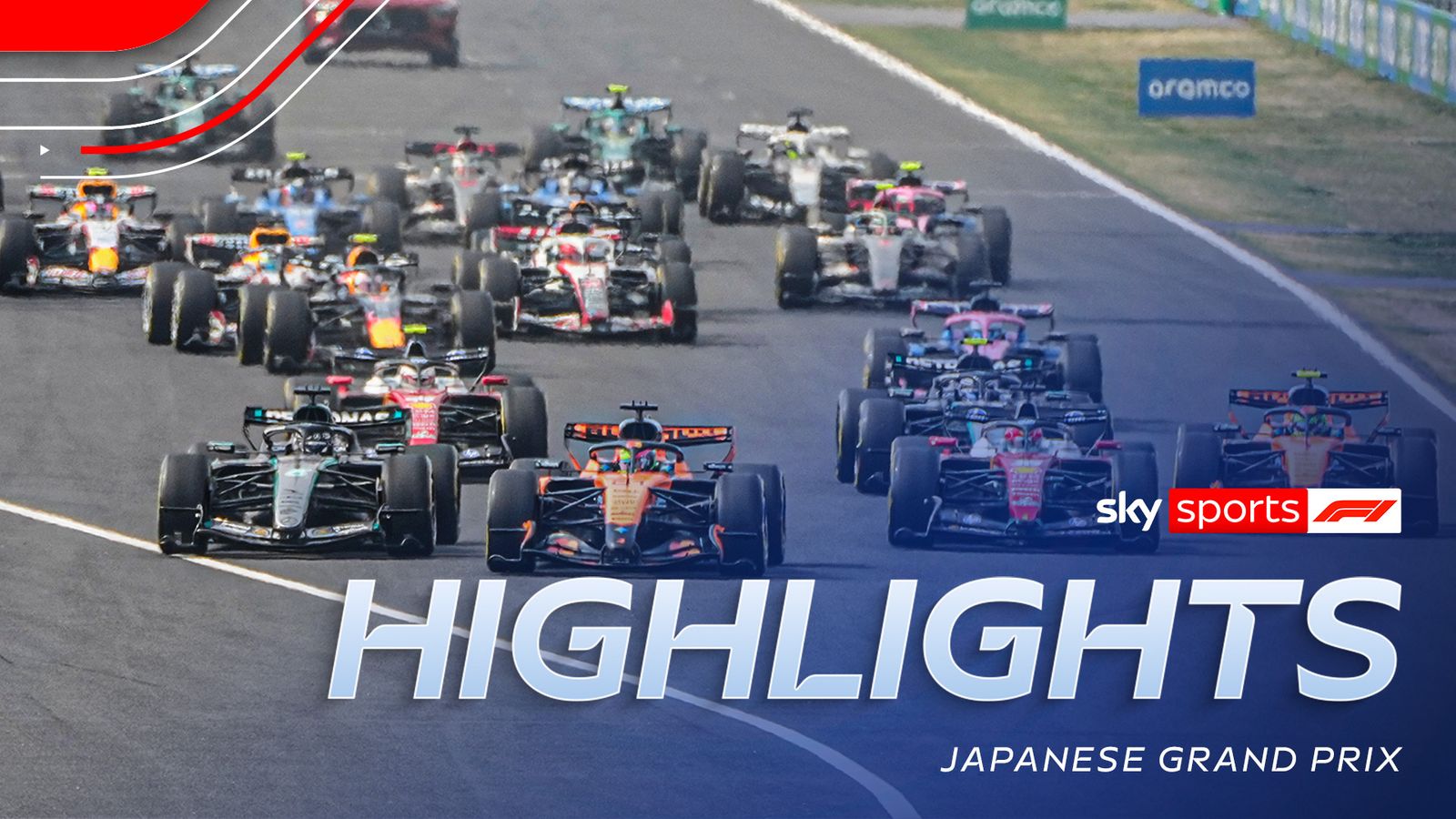
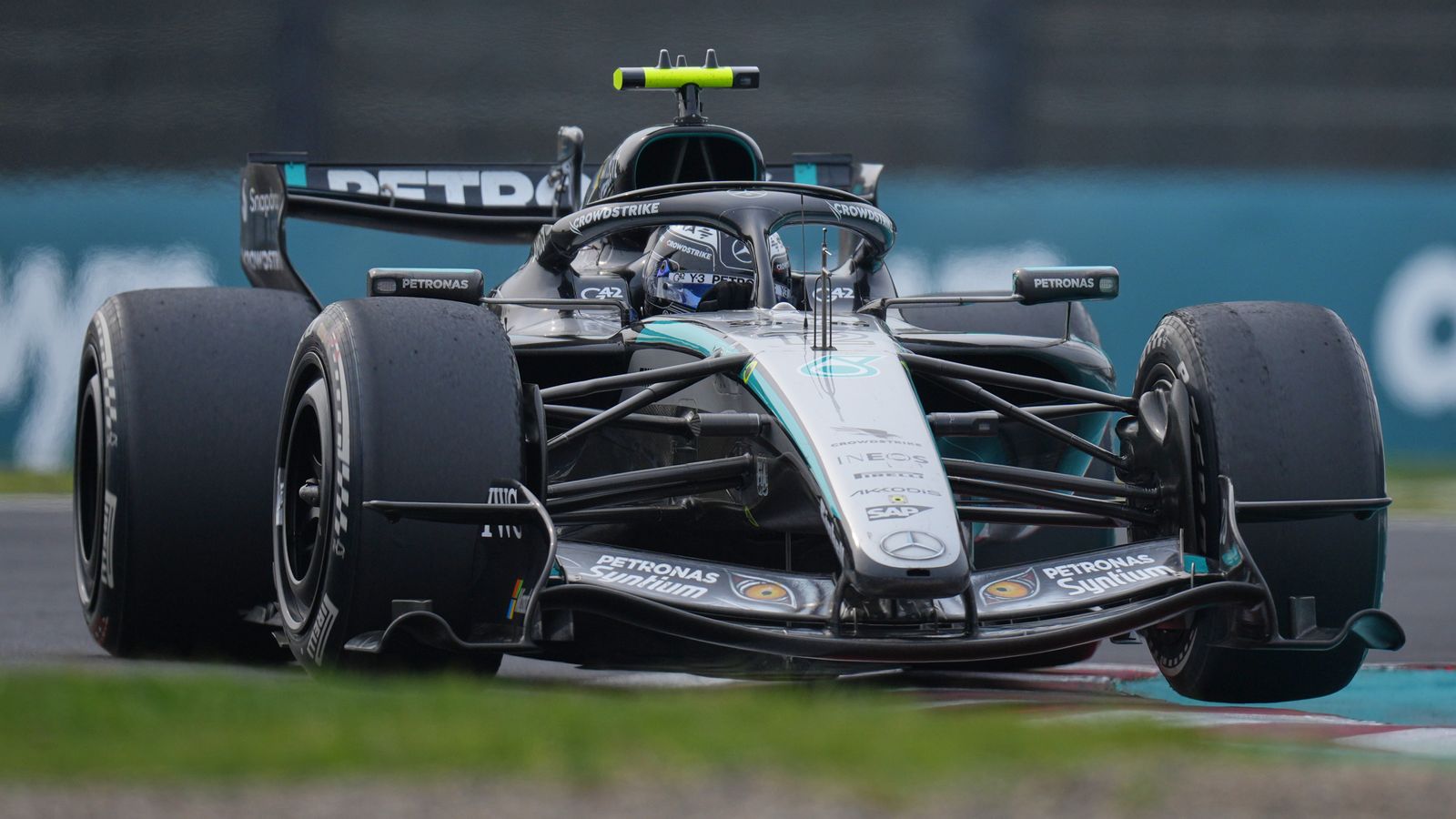
Mercedes teenager Kimi Antonelli is the youngest-ever Formula 1 championship leader after mastering a chaotic Japanese Grand Prix. He overcame a poor start, used a Safety Car to his advantage, and drove away from the field to secure his second straight win and the points lead.
Carlos Sainz has condemned the FIA for ignoring driver safety warnings after Oliver Bearman's 50G crash in Japan, caused by high closing speeds under new F1 regulations. The Ferrari driver warned that similar incidents on street circuits could be disastrous and urged immediate changes.
Kimi Antonelli won his second F1 race at the Japanese GP, but the event was defined by Ollie Bearman's huge crash, blamed on the 2026 cars' dangerous energy recovery systems. The accident has triggered urgent calls for the FIA to fix critical safety flaws with the new regulations during the upcoming five-week break.
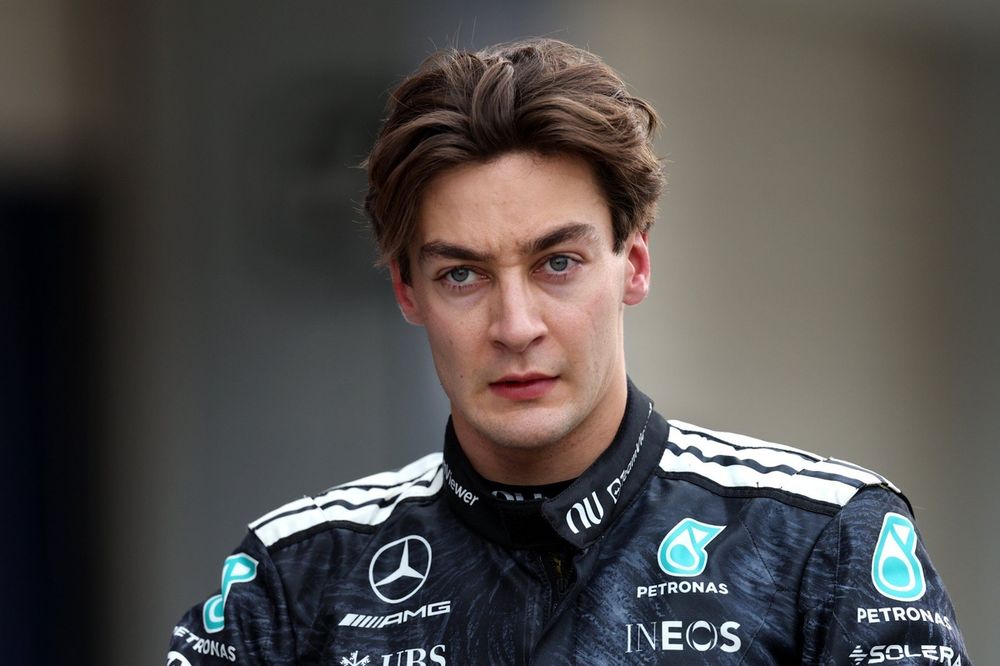
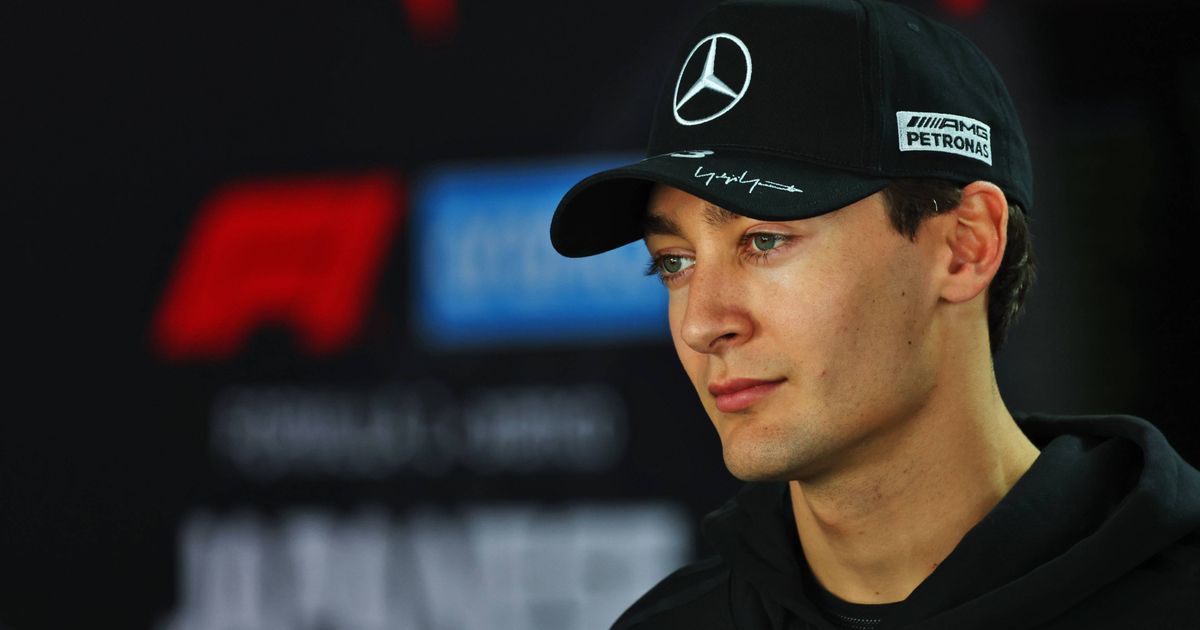
George Russell displayed a custom helmet sticker from a young Japanese fan at the Japanese GP, mirroring a gesture popularized by Carlos Sainz. The act highlights the growing importance of personal driver-fan connections in F1, creating lasting inspiration beyond the racetrack.
Alpine's Franco Colapinto warns that massive speed differences under F1's 2026 rules are creating 'really dangerous' situations, citing Oliver Bearman's 50G crash in Japan. He described being a 'sitting duck' when harvesting energy, with cars suddenly closing at over 50 km/h faster, and calls for the FIA to address the issue.
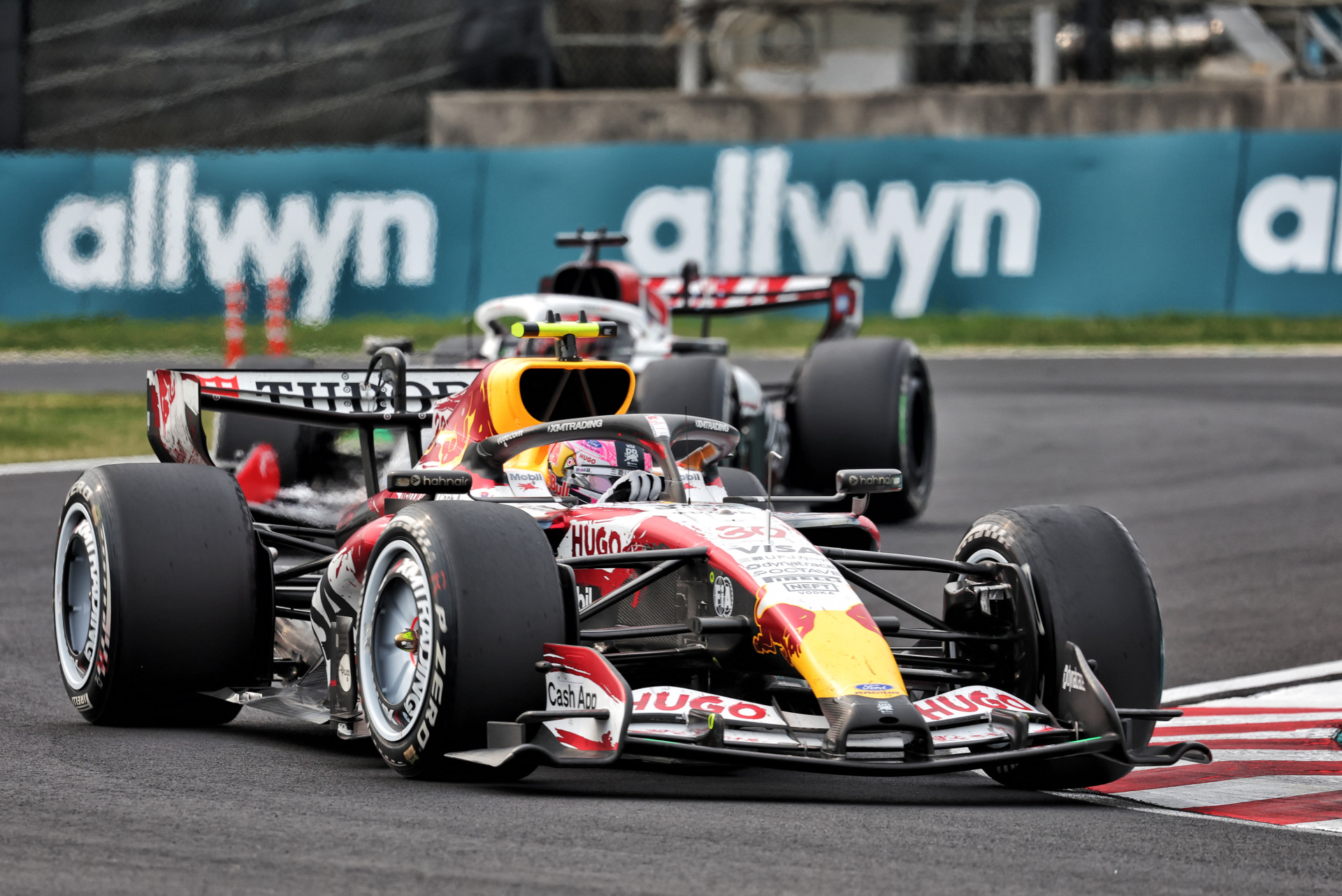
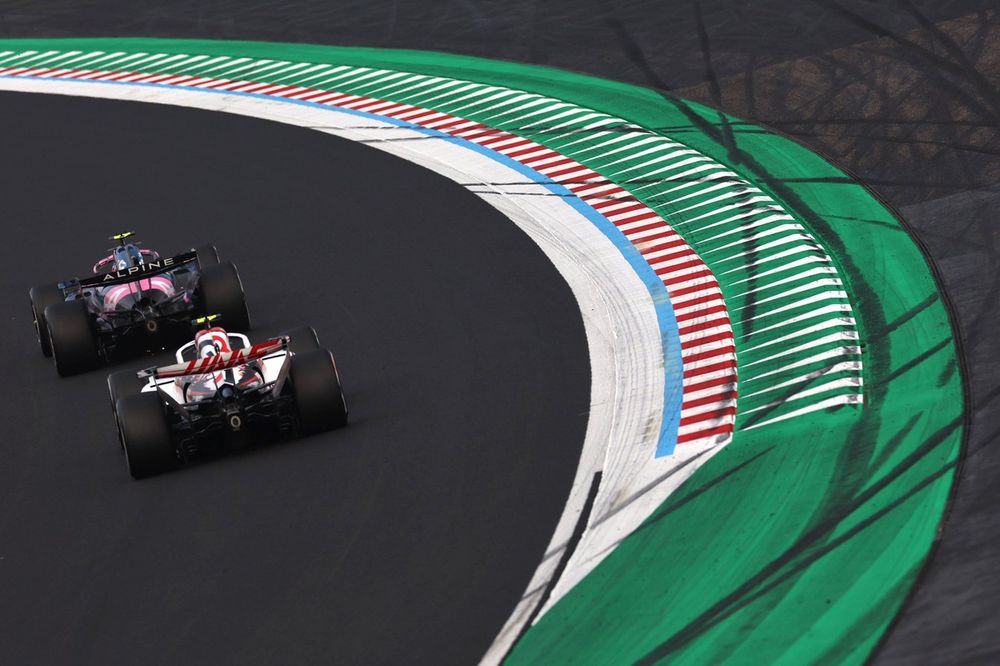
A dramatic 50g crash for Ollie Bearman, caused by a massive speed difference with Franco Colapinto's Alpine, has reignited safety concerns in F1. Colapinto labeled himself a "sitting duck" and called for a review of "artificial" overtaking and dangerous closing speeds, directly linking the issue to the upcoming 2026 car regulations.
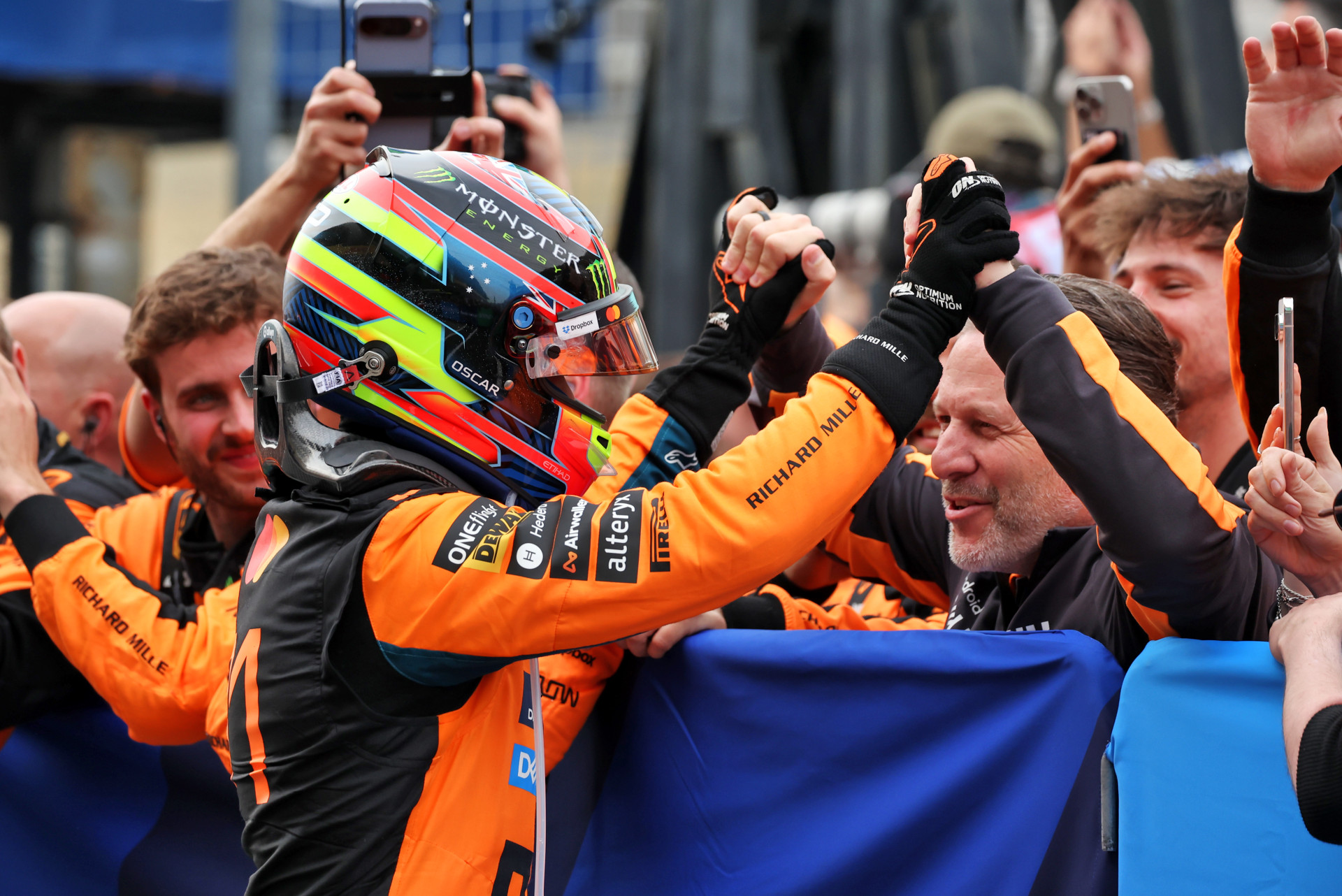
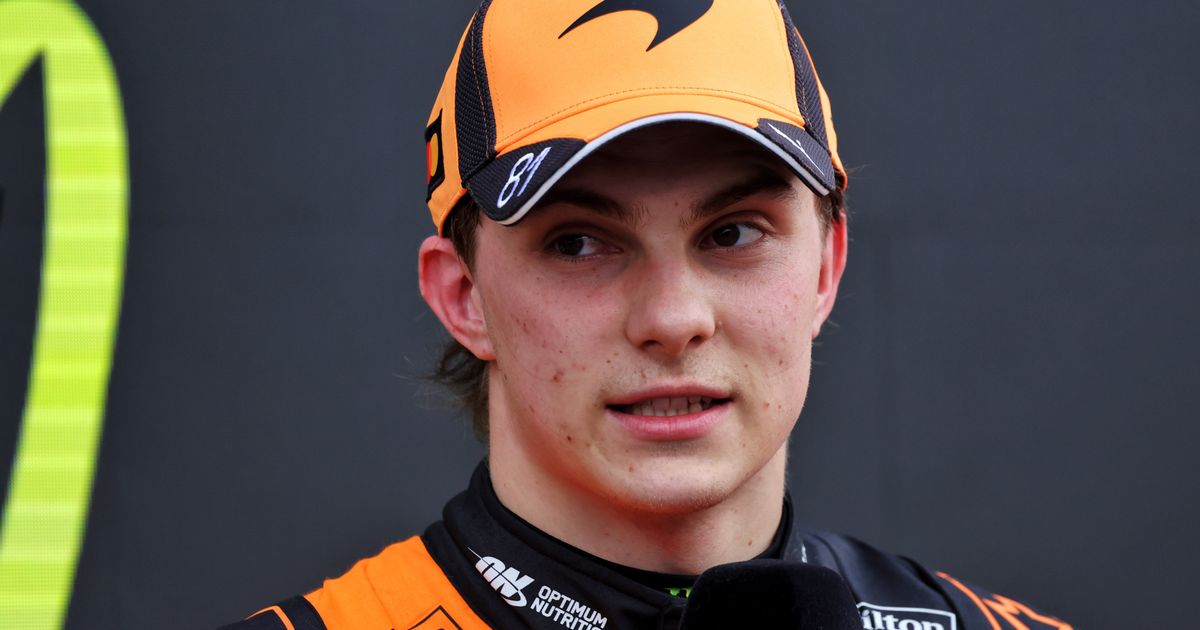
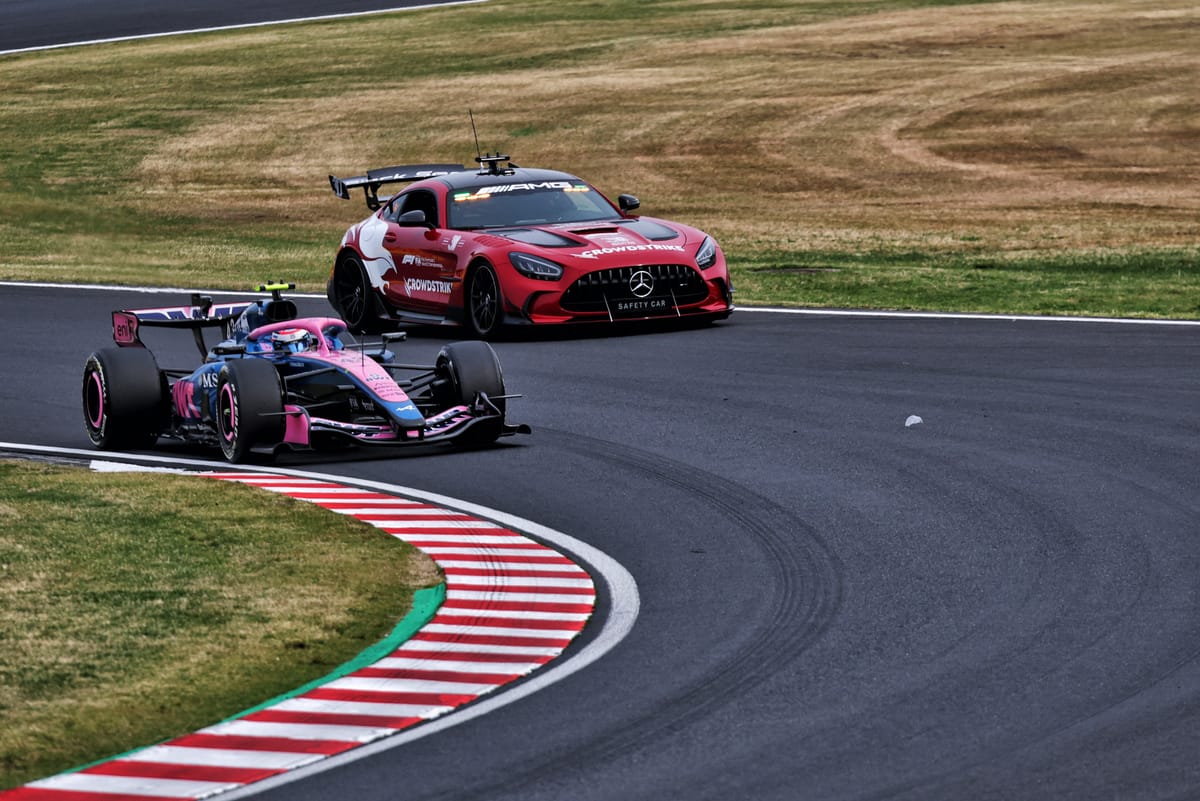
Kimi Antonelli capitalized on a lucky Safety Car to win the Japanese GP, taking the Formula 1 world championship lead for the first time. The Mercedes driver, who dropped to sixth at the start, mastered the restart to beat Oscar Piastri by 13 seconds and become the youngest ever championship leader.