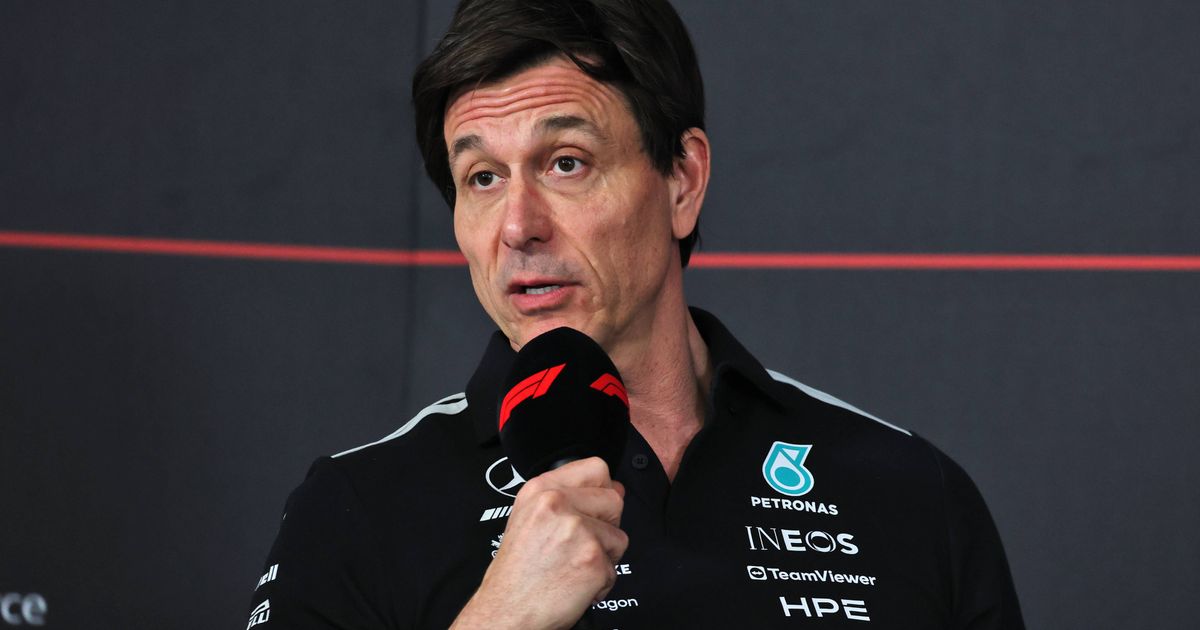
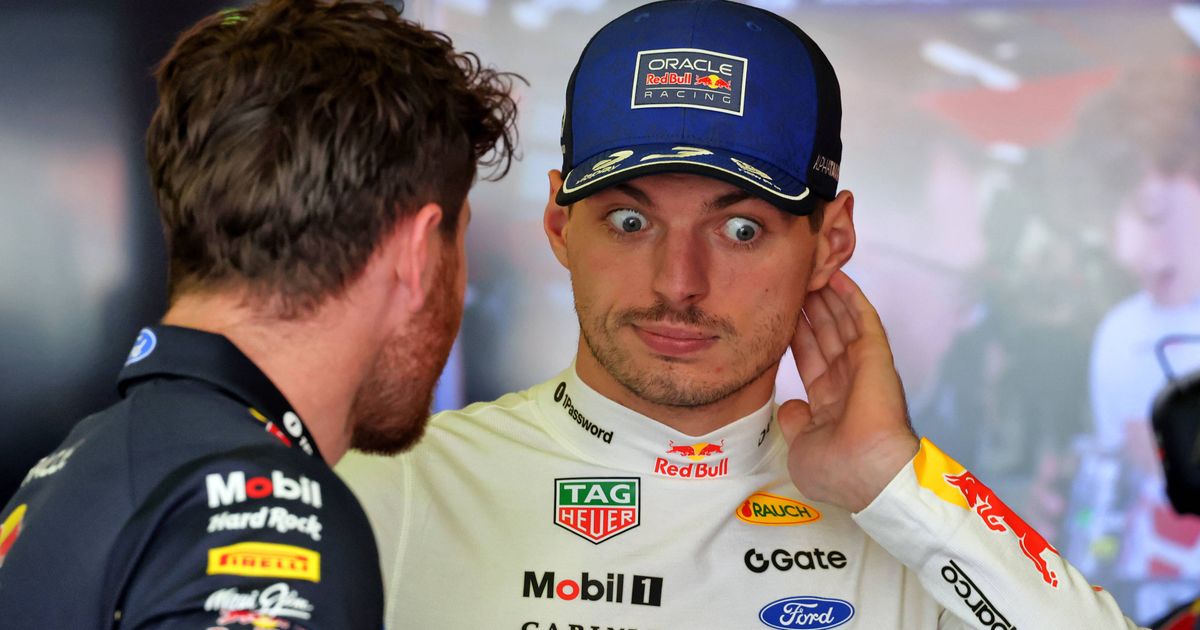
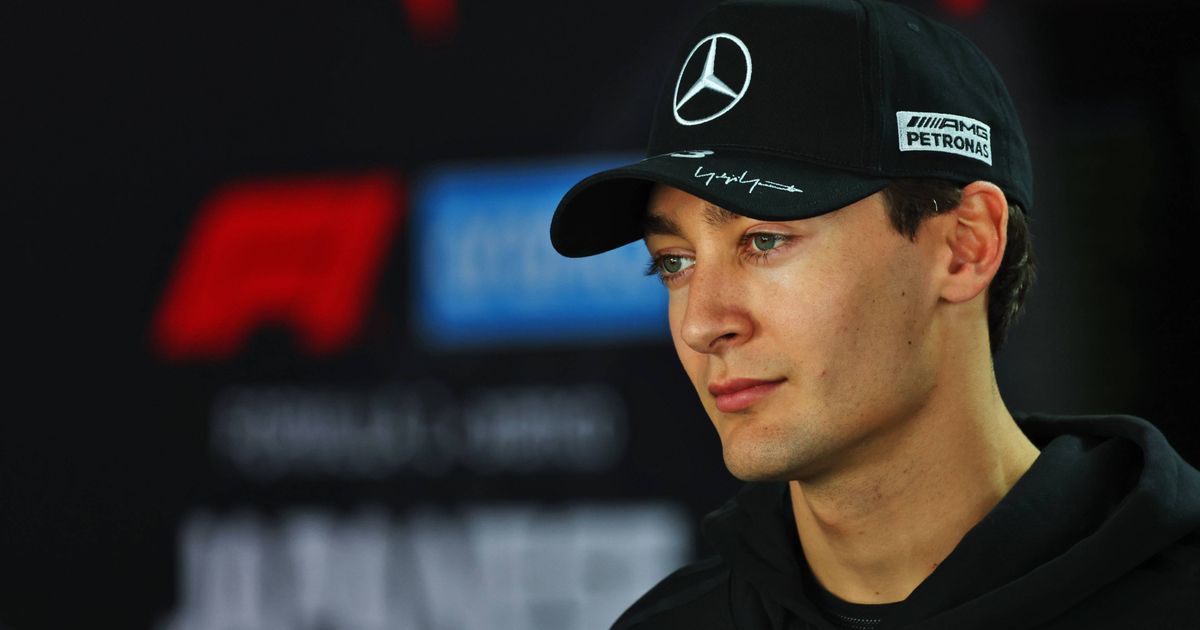
Mercedes boss Toto Wolff has praised F1's new regulations as "pure racing," directly opposing the safety and frustration concerns voiced by many drivers, including his own George Russell. The divide centers on whether energy management battles create exciting sport or artificial and potentially dangerous racing.
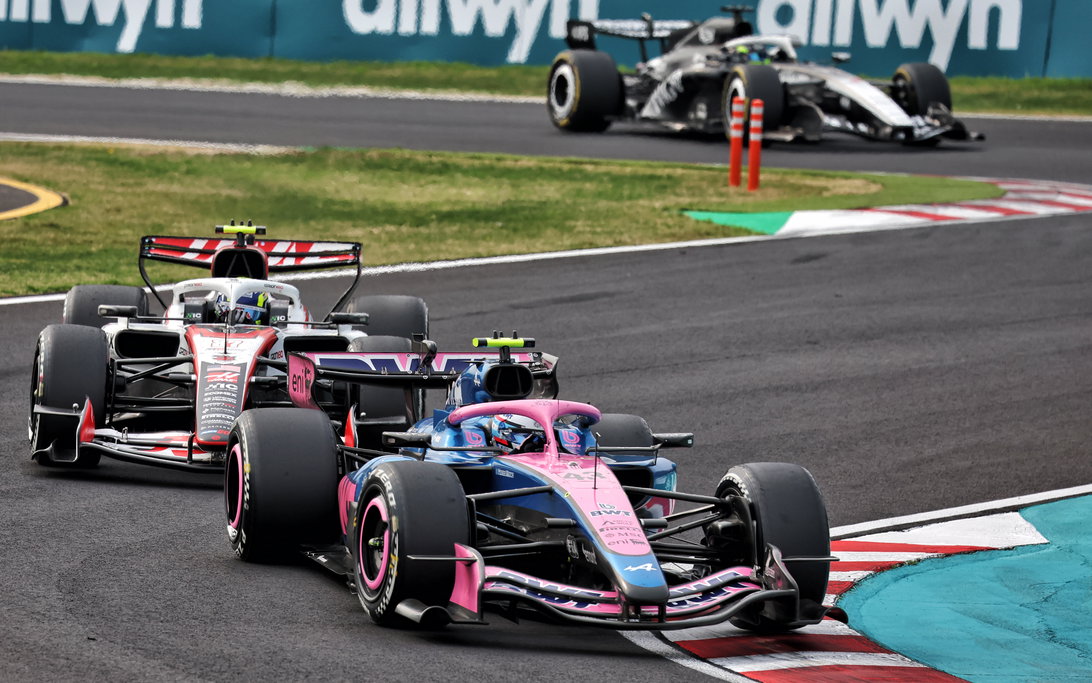
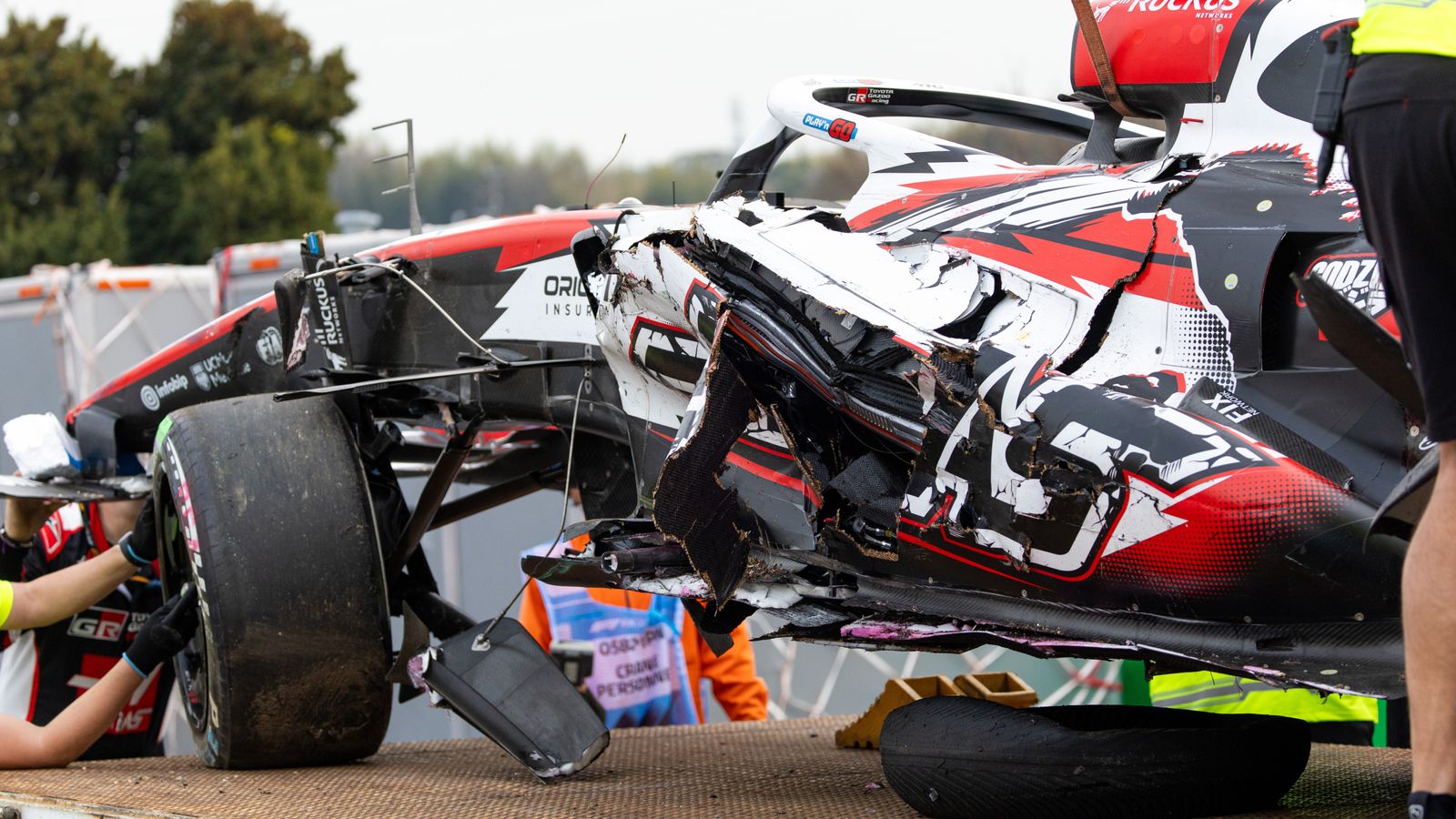
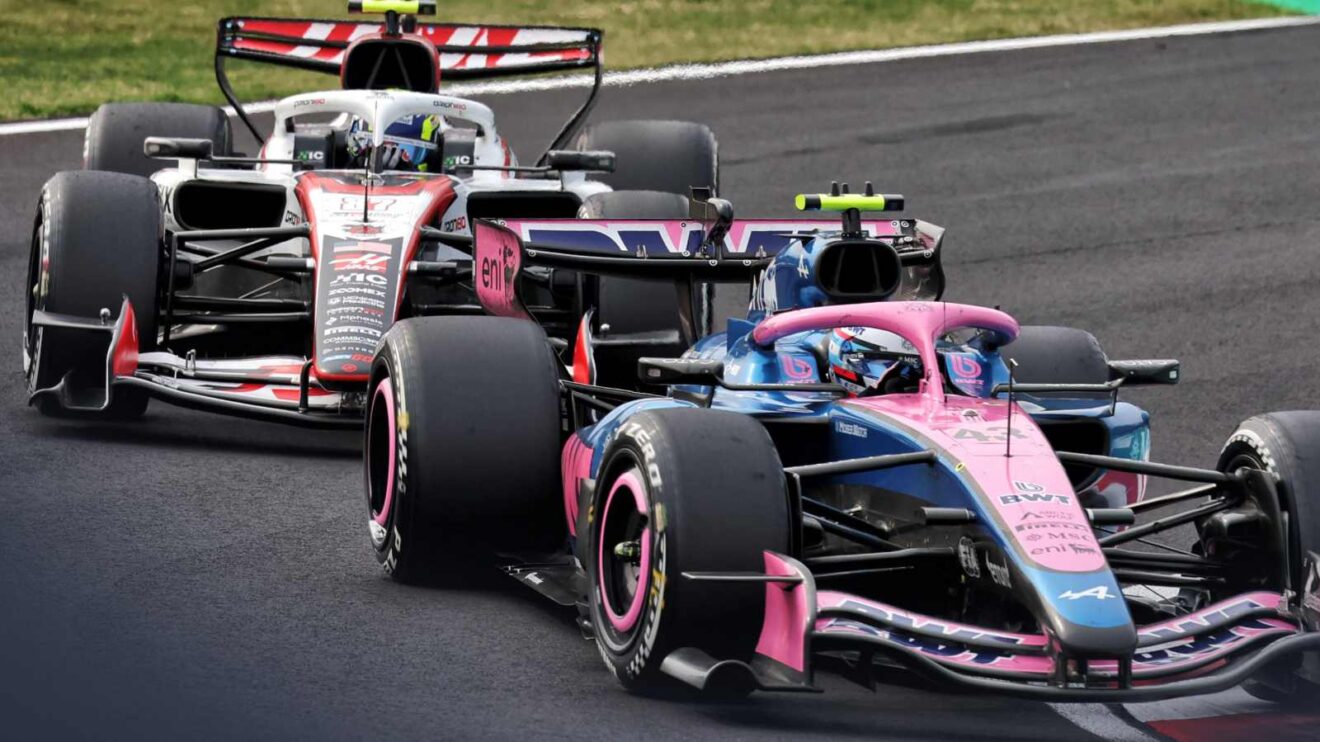
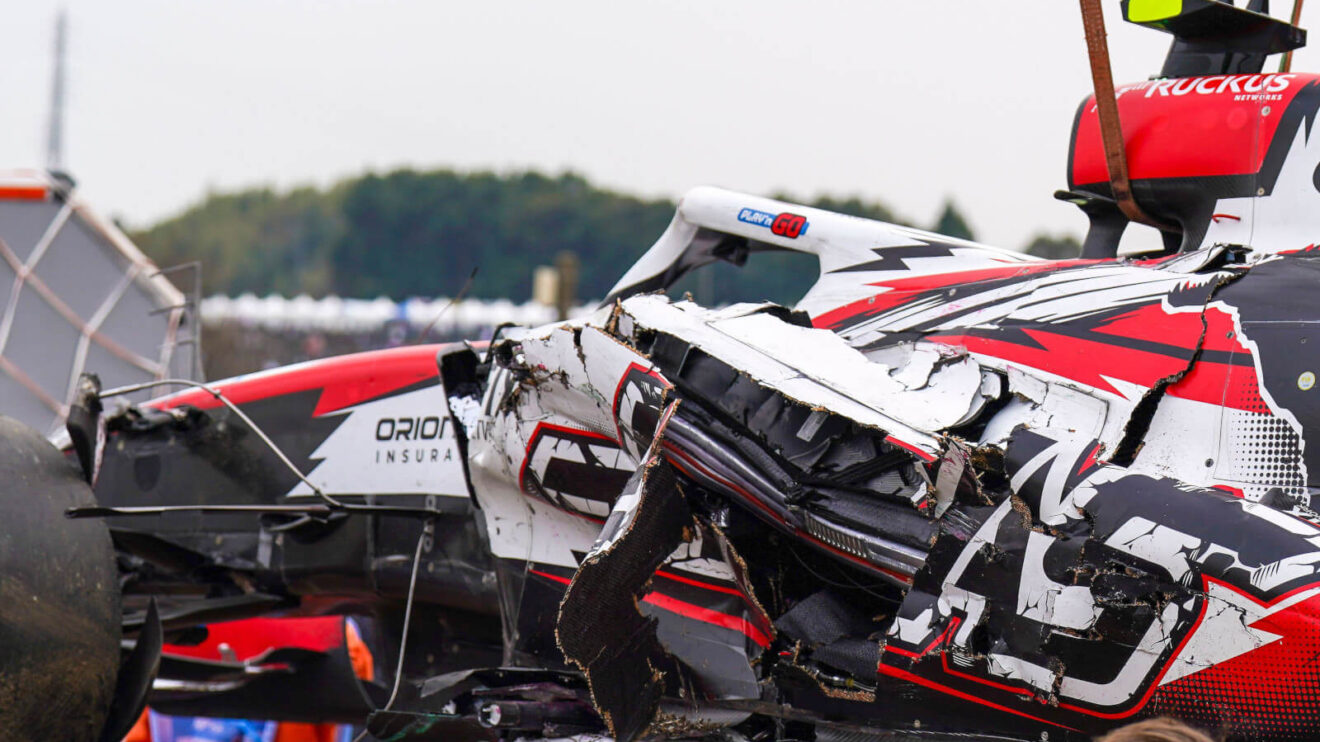
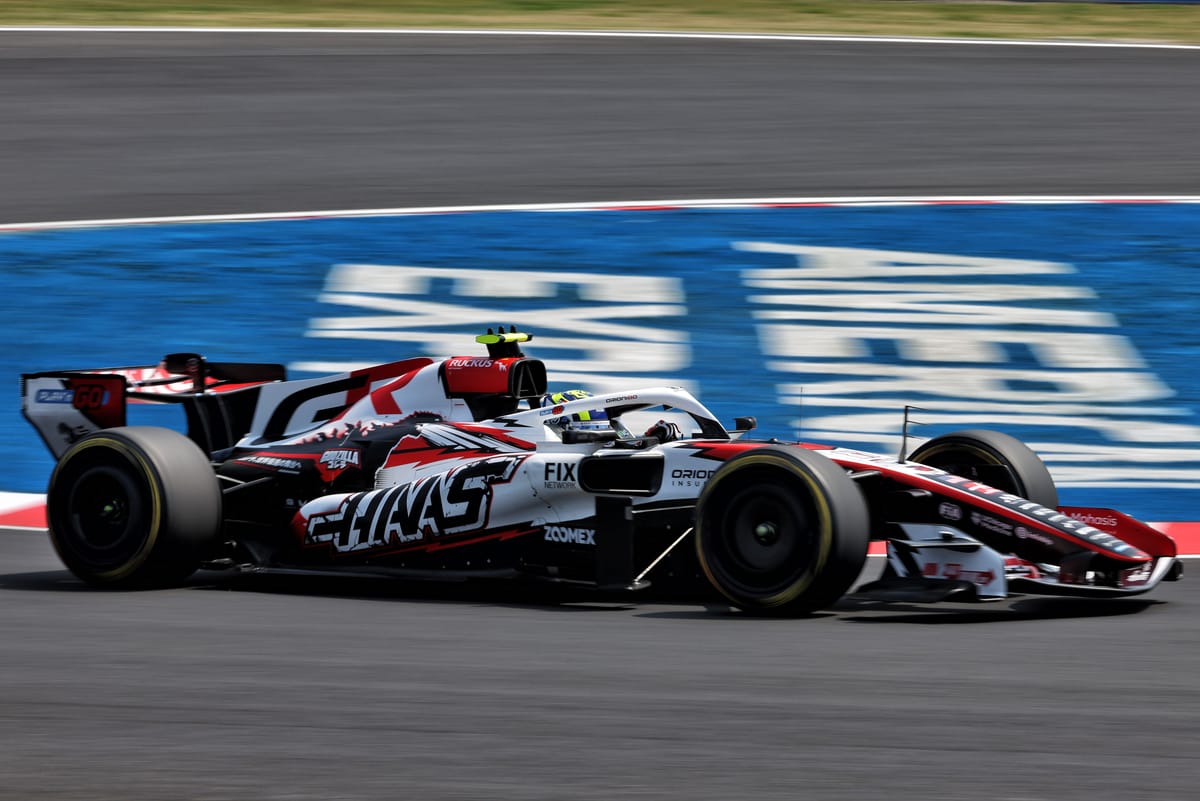
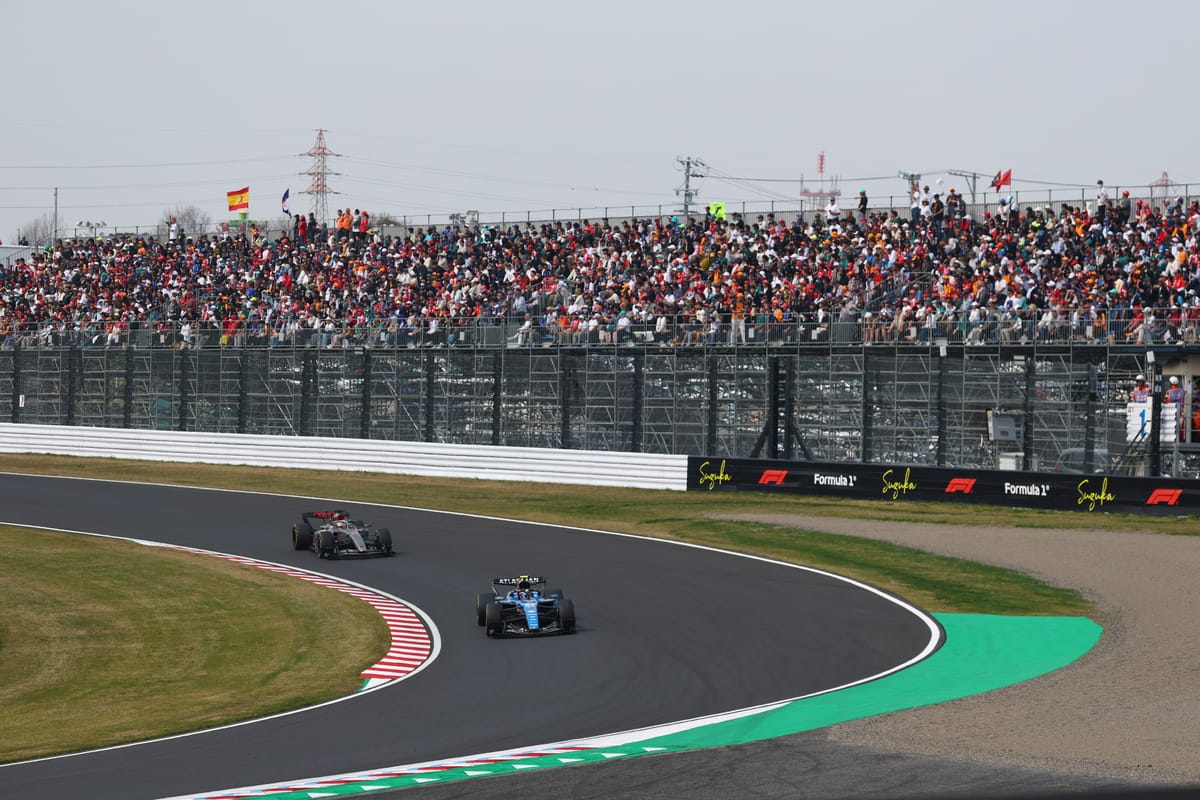
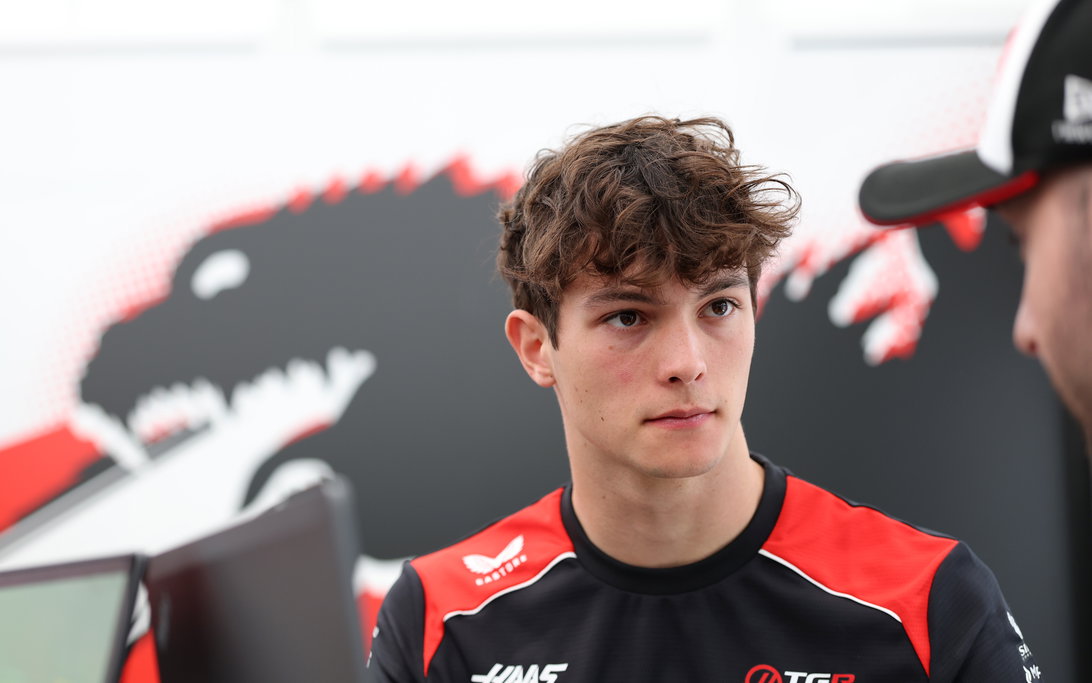
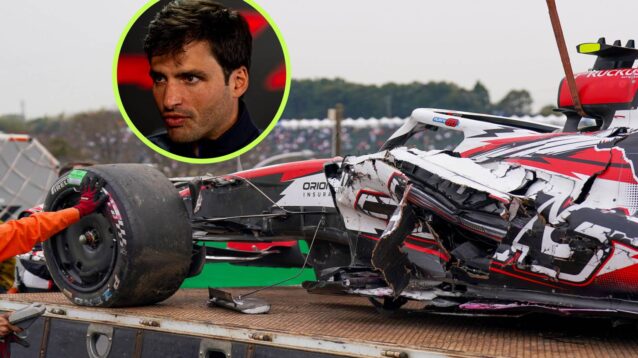
Williams driver Franco Colapinto has denied fault for the crash that sent Haas's Oliver Bearman into the barriers at Suzuka, blaming a dangerous 50 kph speed difference caused by their opposite energy modes. The incident has sparked renewed criticism from drivers towards the FIA over ignored safety concerns regarding high closing speeds on track.
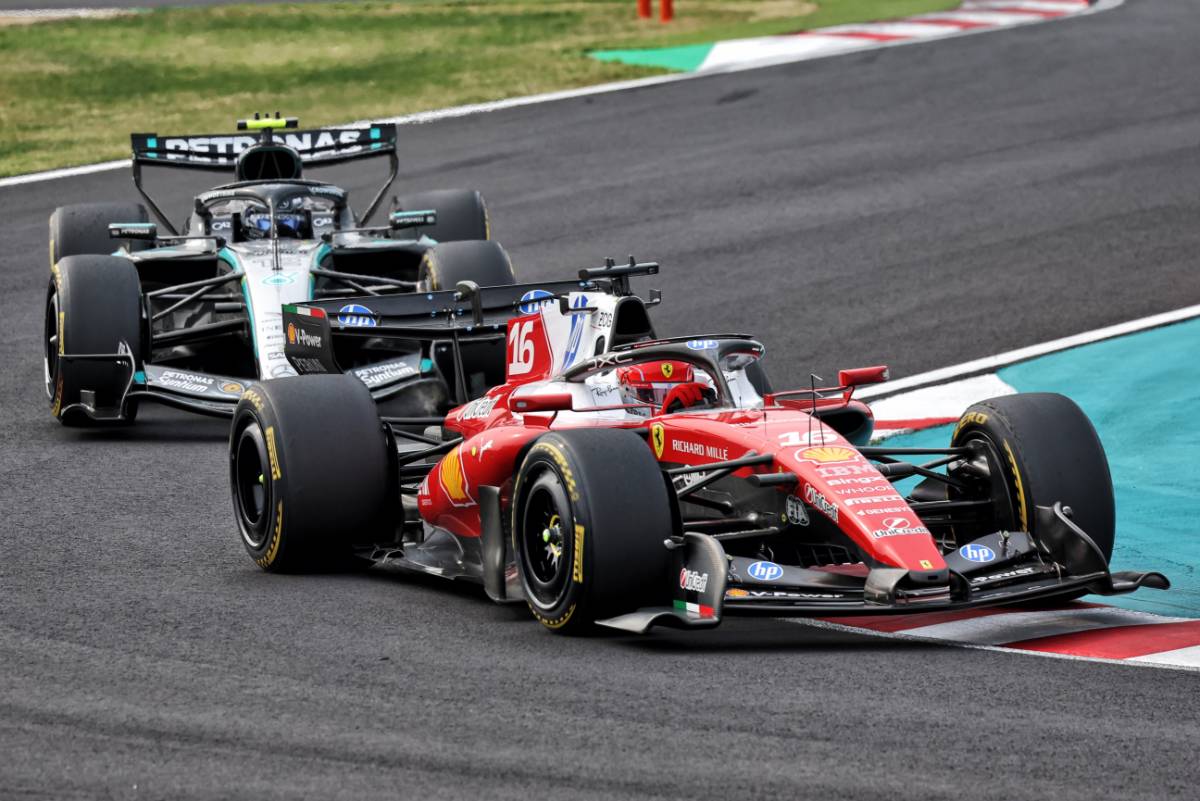
Charles Leclerc clinched third place at Suzuka, fending off a charging George Russell after a brilliant start. The final laps featured psychological warfare, with Mercedes employing deceptive radio messages to try and fluster the Ferrari driver, who adapted to secure the podium finish.
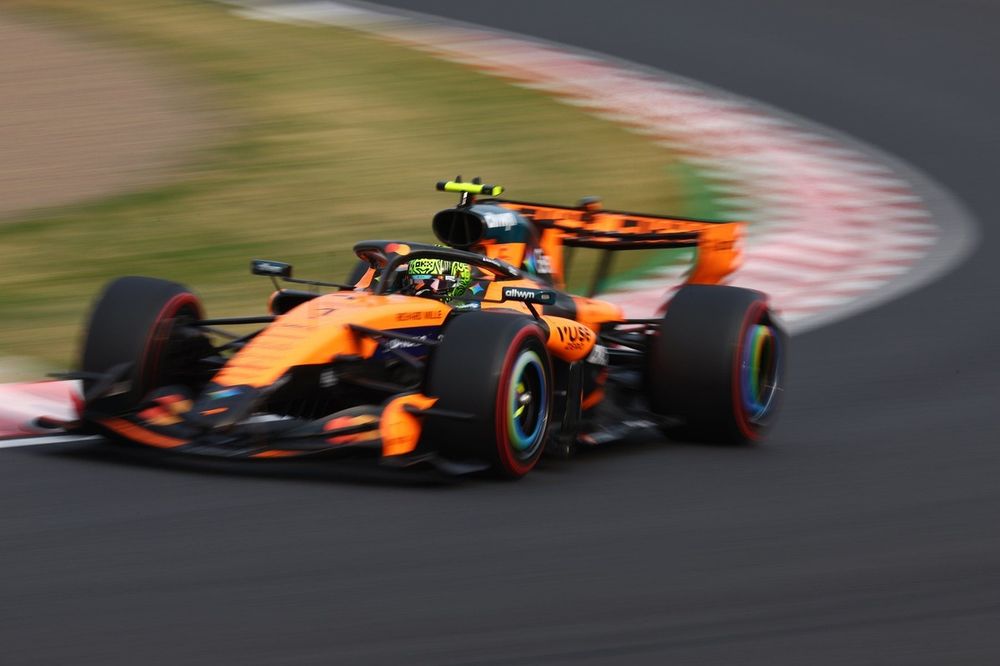
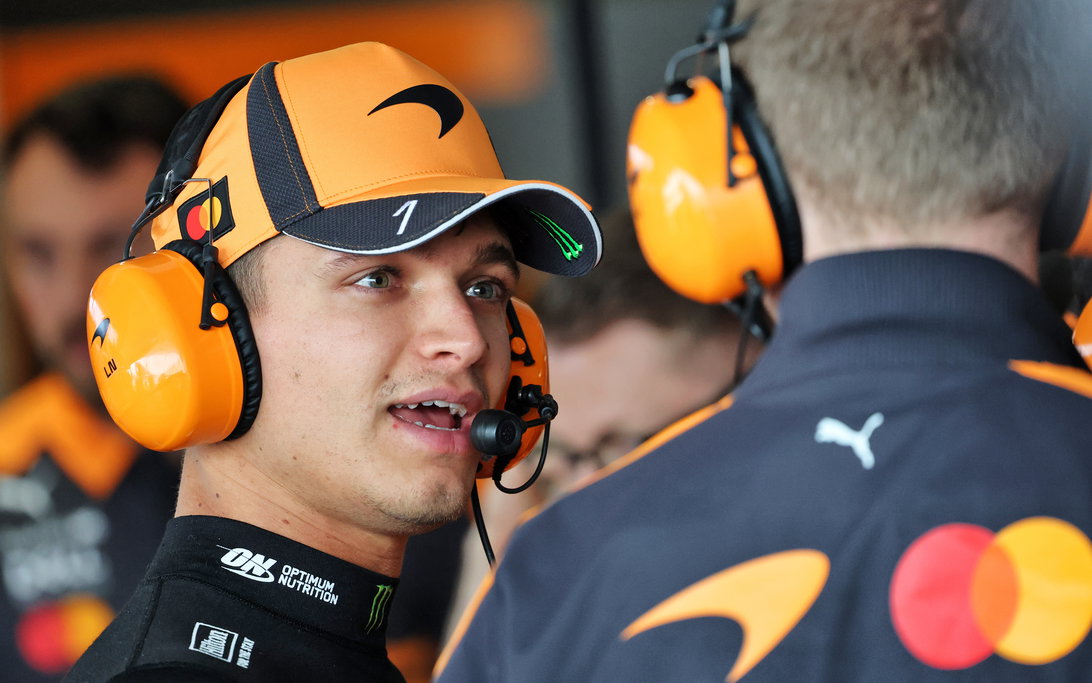
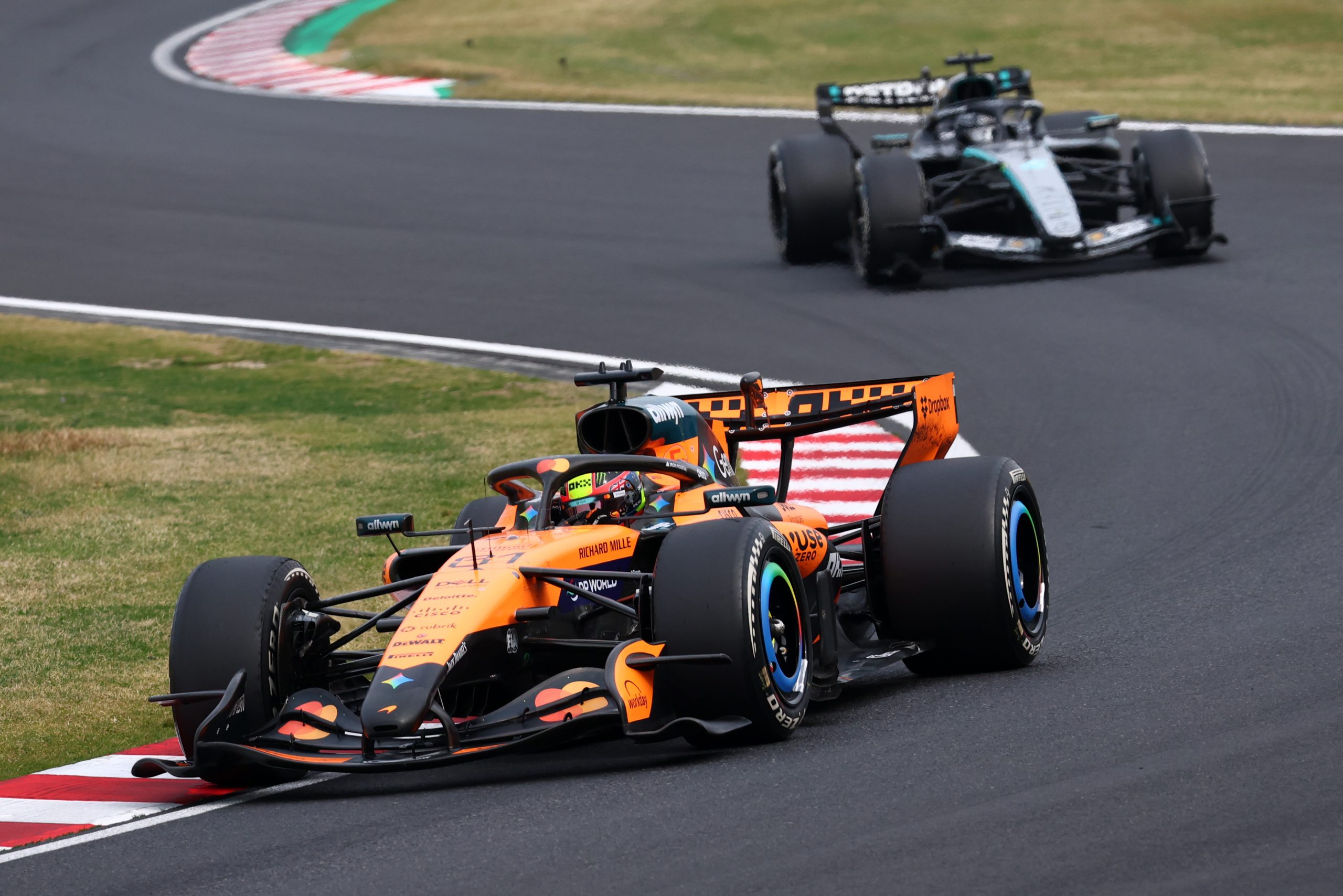
Lando Norris says McLaren's strong Japanese GP, with Oscar Piastri second and himself fifth, is a positive sign the team is on the correct development path. He acknowledged the car remains flawed in many areas but believes the result provides crucial motivation and proves their potential when the circuit suits the MCL40.
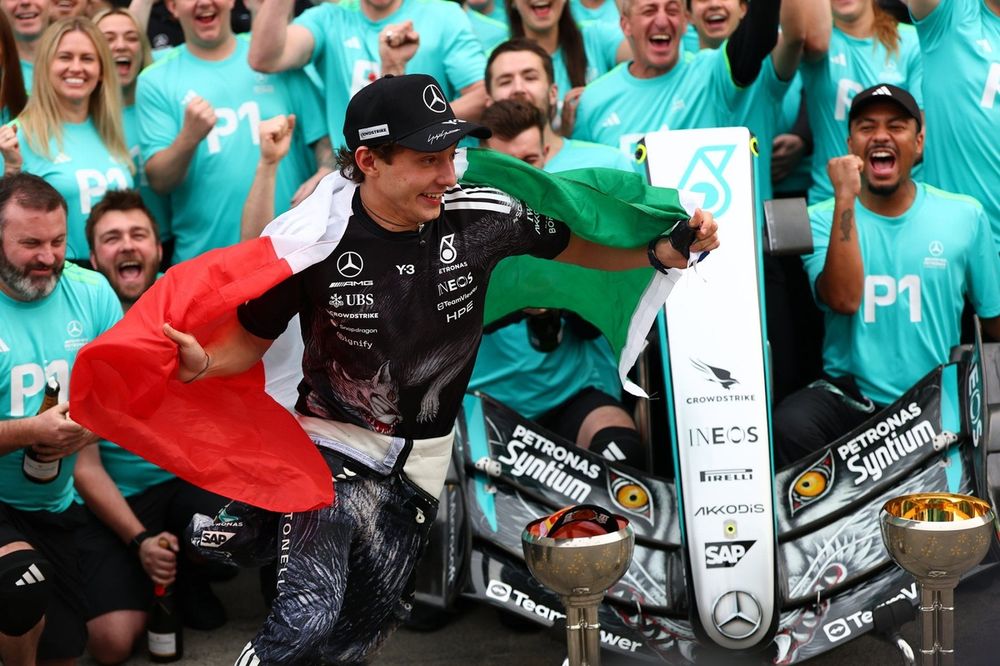
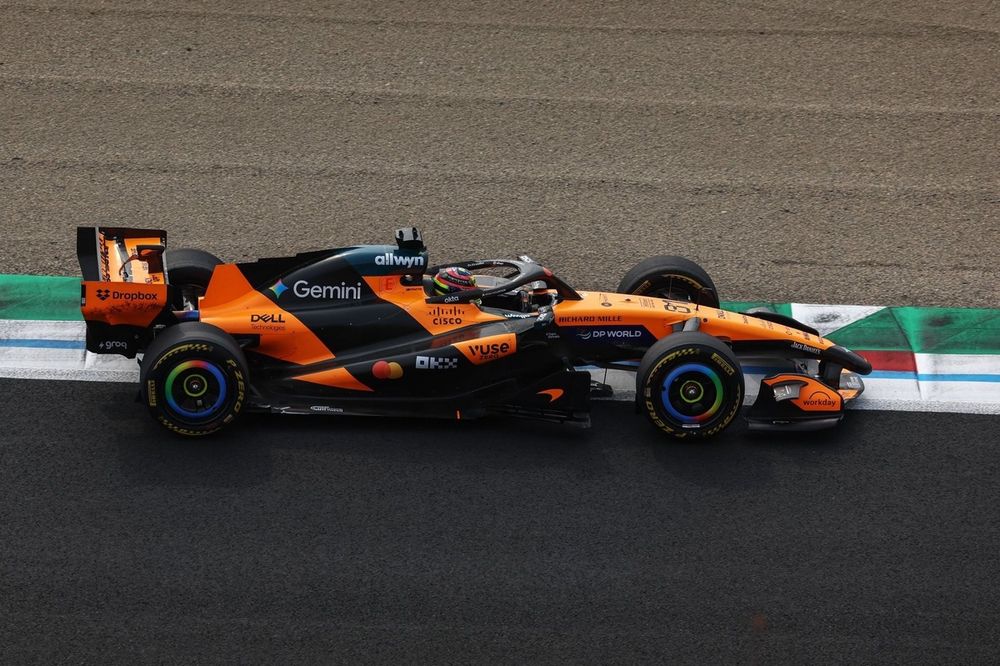
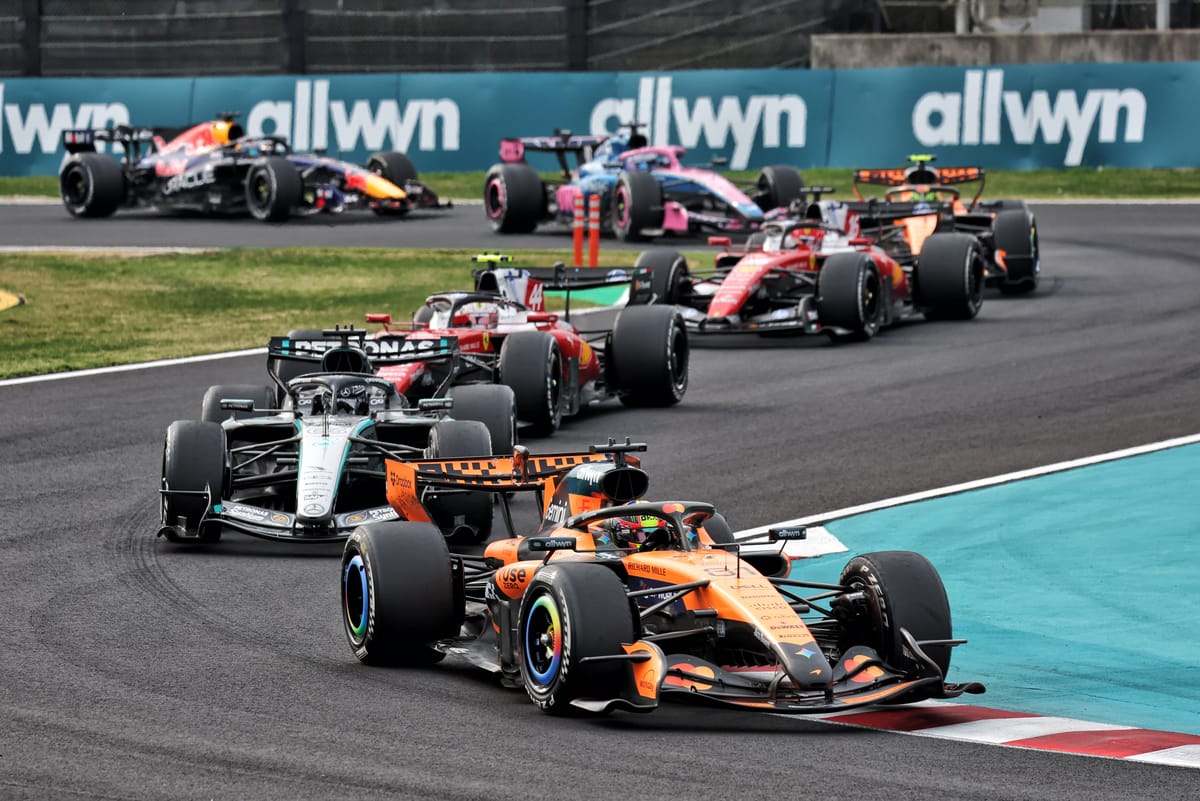
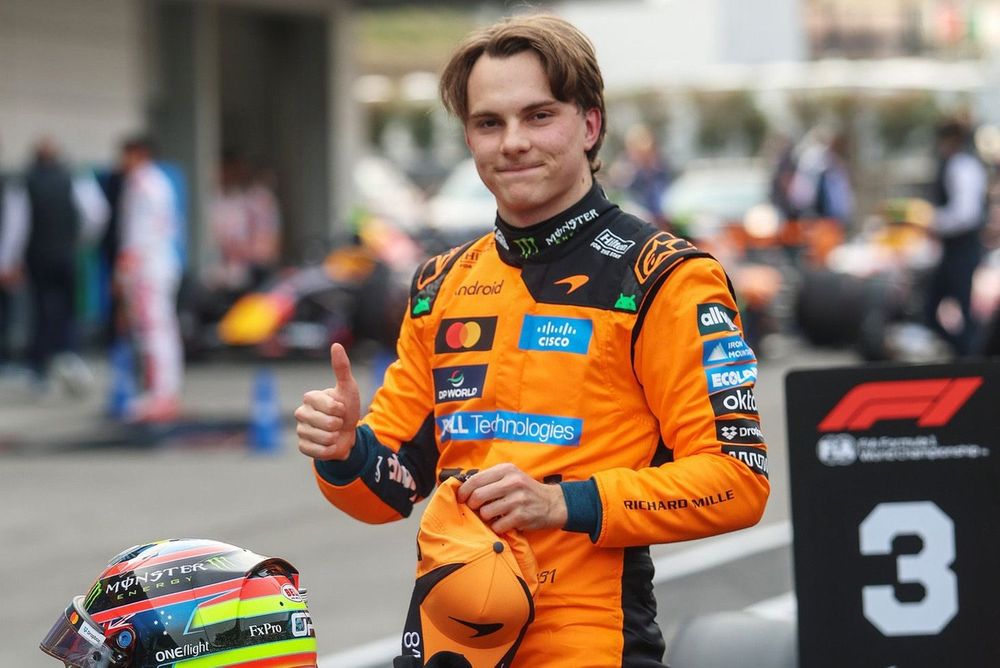
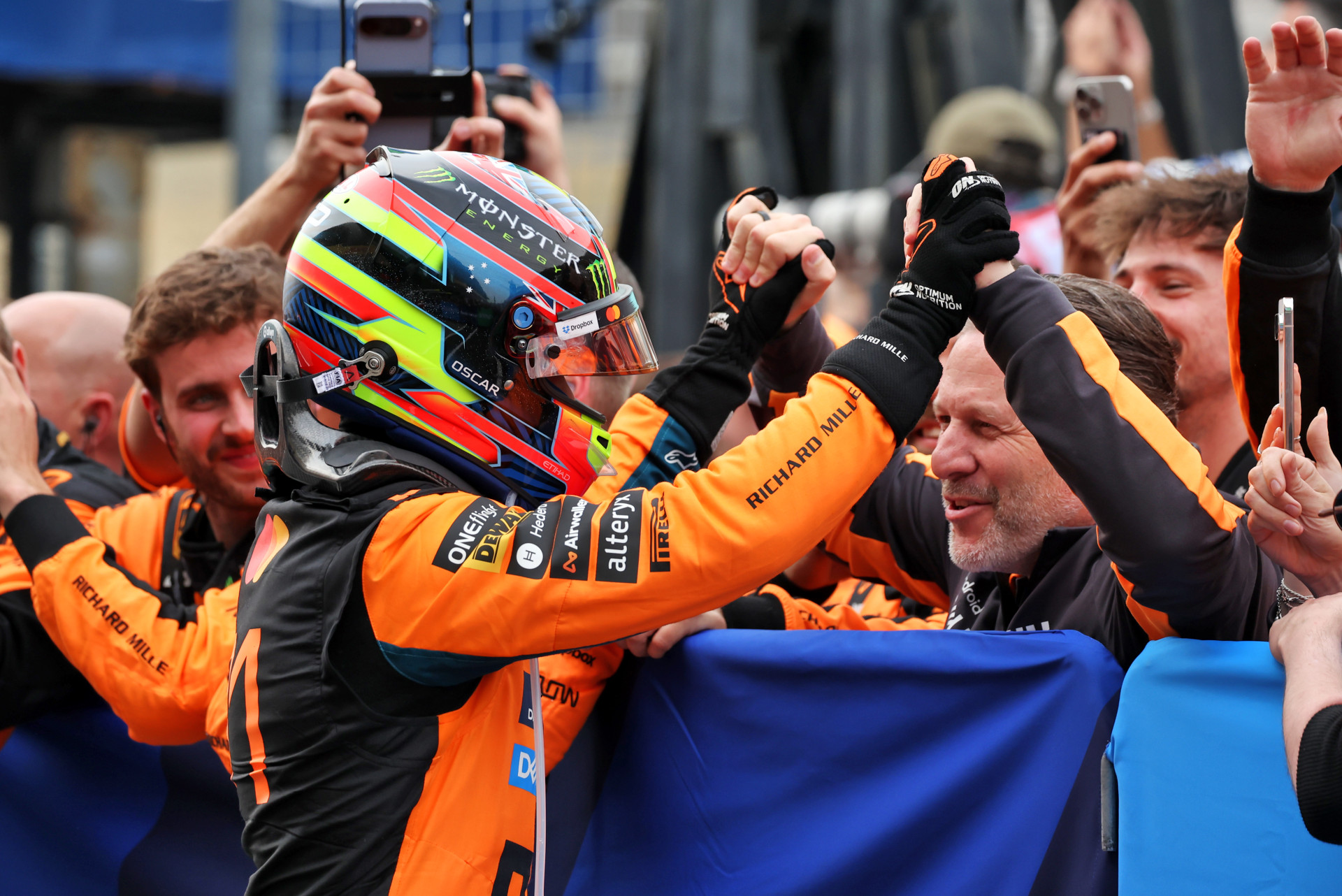
Oscar Piastri's hopes for a first F1 win were dashed by a safety car in Japan, handing victory to Kimi Antonelli. Analysis suggests that while Piastri had controlled the early race, the faster Mercedes of Antonelli would have been a major threat for the win regardless, highlighting McLaren's progress and the rising challenge from the Mercedes rookie.
Oscar Piastri says McLaren can beat Mercedes this season but admits there's a 'pretty big gap to fill' after finishing 15 seconds behind the winning Ferrari in Japan. While encouraged by his podium and race-long defense against George Russell, the Australian highlighted the need for more performance to consistently challenge for wins.
After the Japanese GP, drivers Charles Leclerc and Oscar Piastri joked in the cooldown room, comparing the planned 2026 F1 power boost to a Mario Kart 'mushroom'. Their comments echo widespread driver concern that the new energy recovery system could create artificial, gimmicky racing, putting pressure on the FIA to revise the proposed rules.
Following Oliver Bearman's 50G crash in Japan, caused by a massive speed difference under the 2026 power unit rules, the FIA has confirmed an April review of the regulations. Drivers, led by the GPDA, are demanding urgent safety changes, warning that street circuits pose a severe risk under the current energy management system.
Carlos Sainz leads driver calls for urgent FIA action on safety, citing Ollie Bearman's 50G crash in Japan as a direct result of dangerous closing speeds under 2026 rules. He urges the governing body to listen to drivers over teams and implement fixes to prevent more serious incidents, especially on street circuits.
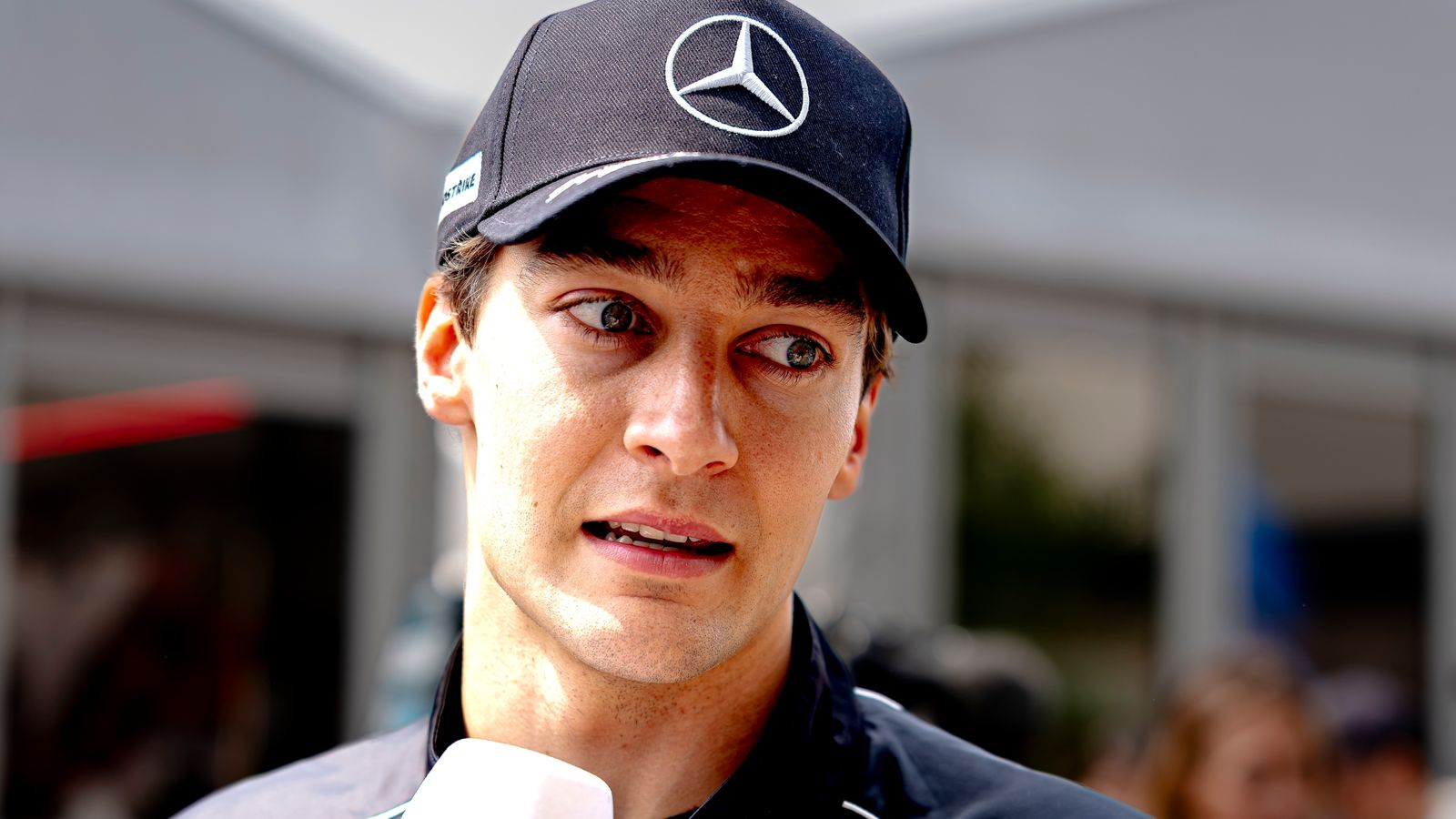
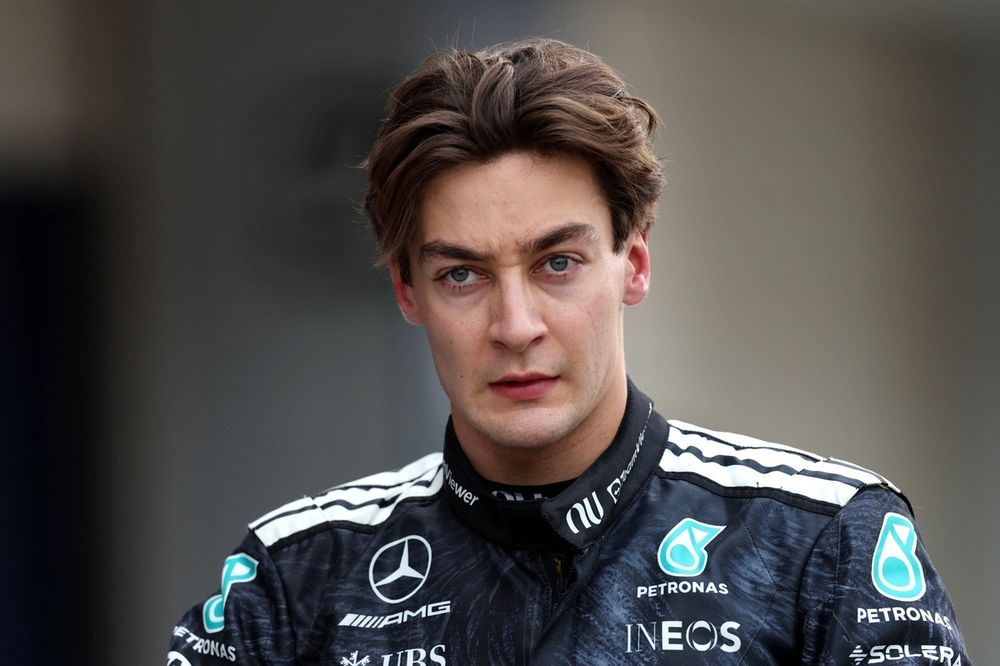
George Russell's championship lead has vanished after a streak of bad luck, with Mercedes teammate Kimi Antonelli capitalizing to take a nine-point advantage. Russell's Japanese GP victory hopes were dashed by an ill-timed Safety Car, compounding earlier issues in China, though he remains confident ahead of the long season.
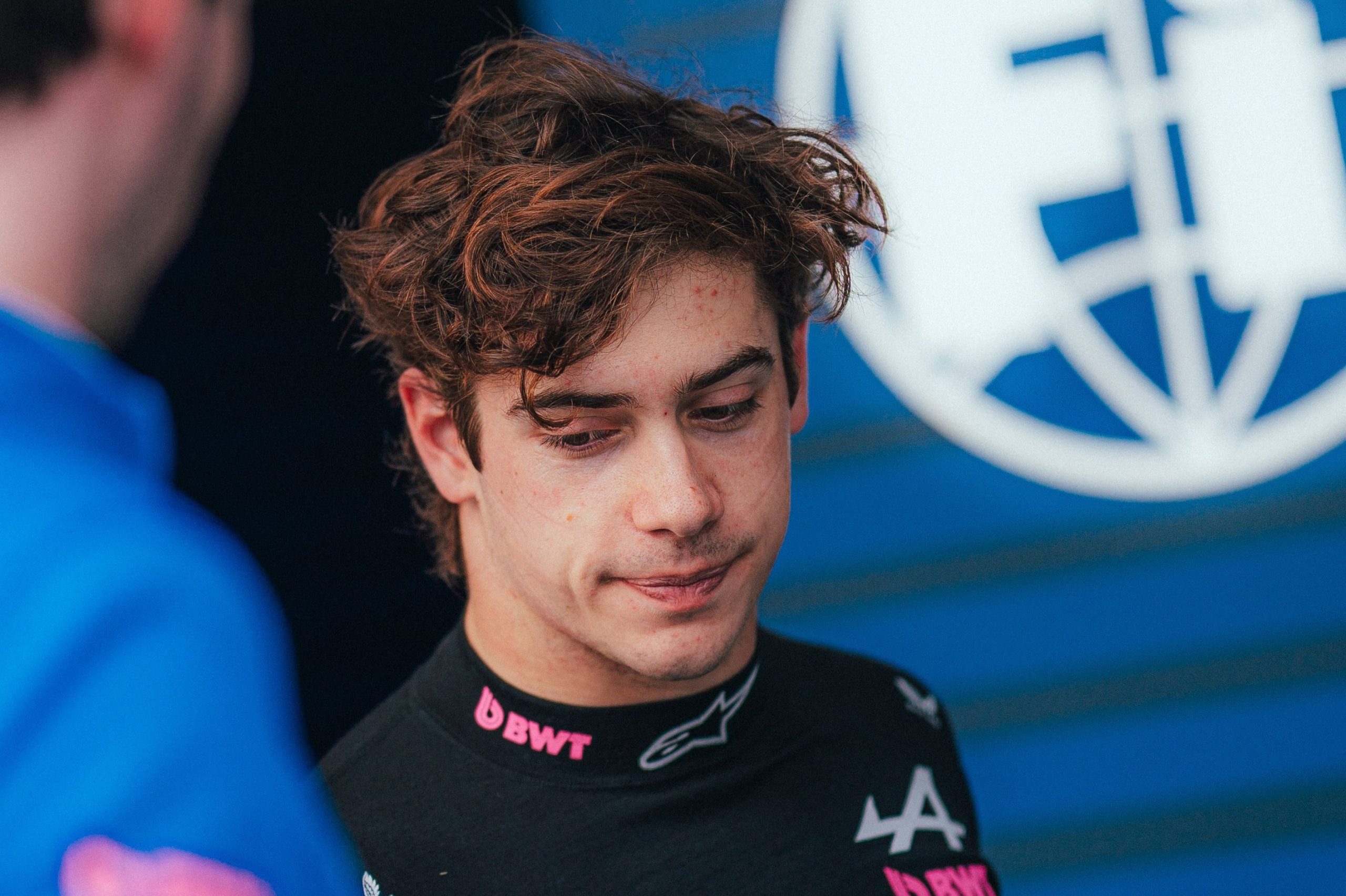
Alpine's Franco Colapinto warns that massive speed differences caused by F1's hybrid energy systems are creating "really dangerous" situations, citing Oliver Bearman's 50G Japanese GP crash as a prime example. He urges the FIA to review regulations to prevent cars from becoming unpredictable "sitting ducks" on high-speed circuits.
George Russell lost the championship lead after finishing fourth, beaten again by Mercedes teammate Kimi Antonelli. He blamed a battery 'harvest limit' during a Safety Car restart for crucial overtakes and has called on the FIA to change the rule, with discussions planned before Miami.