Verstappen's Nurburgring Sector Beats Lay Bare F1's Looming Data Straitjacket

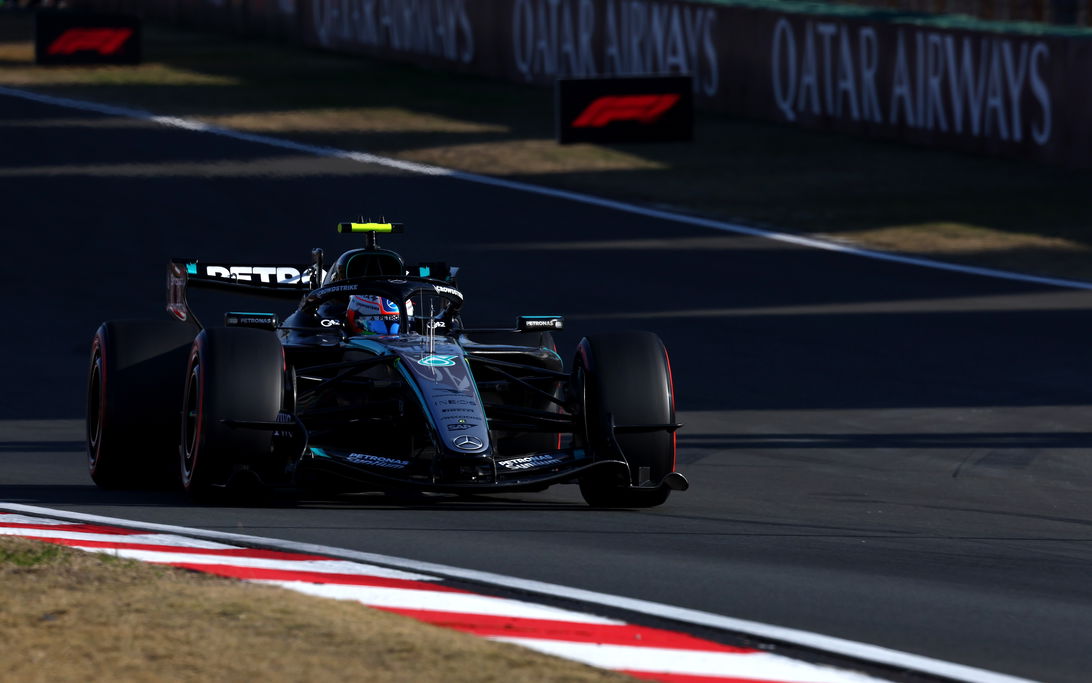
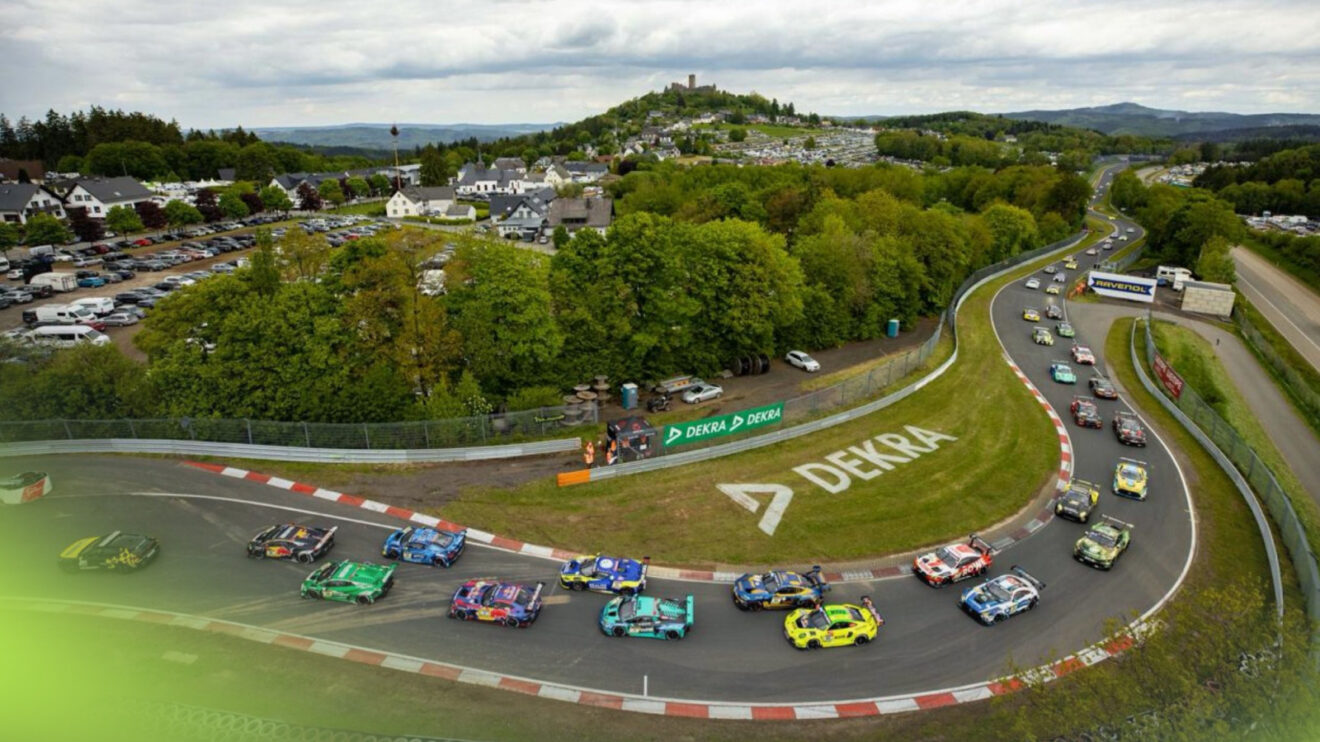
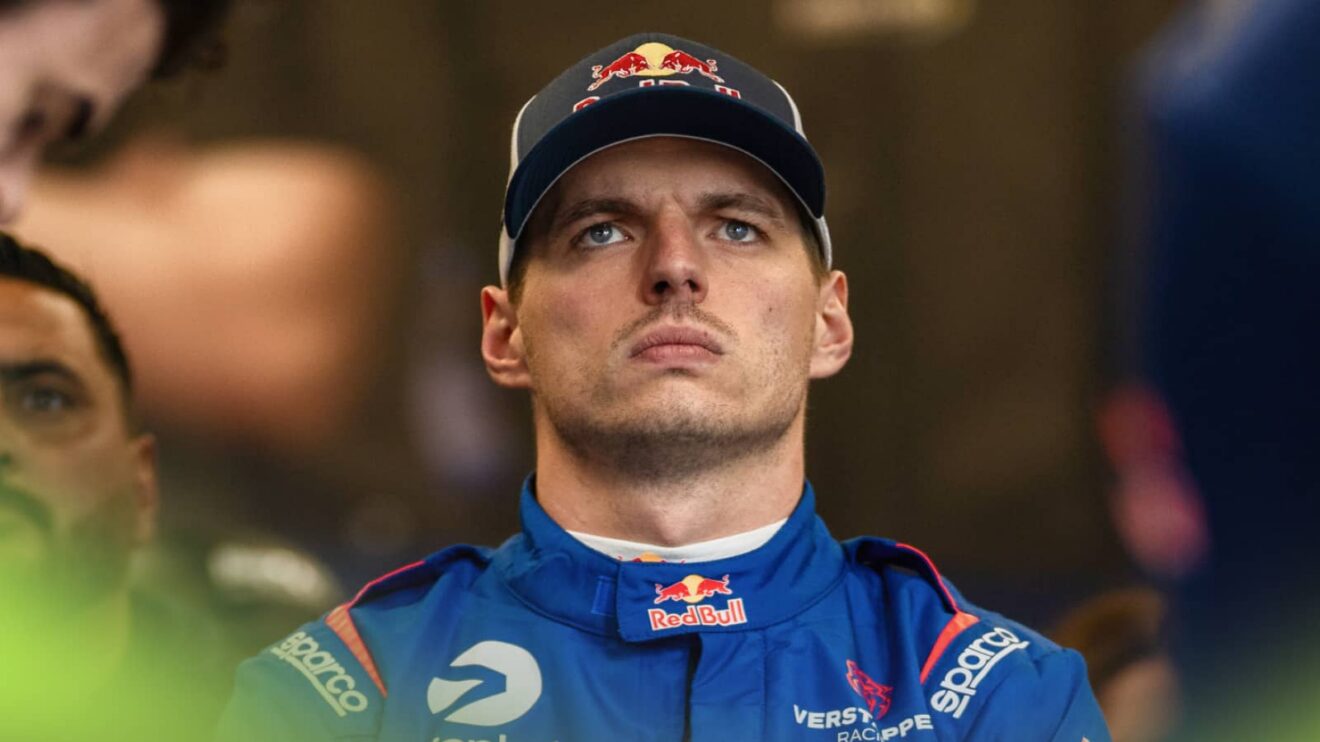
The timing sheets from Max Verstappen's Nurburgring 24 Hours debut hit like a sudden pulse spike on an otherwise flat telemetry trace. Raw wheel to wheel minutes in that endurance cauldron expose the sterile predictability creeping into grand prix racing, where algorithmic whispers already dictate more than driver instinct ever will.
Data as Emotional Archaeology in Cross Series Moves
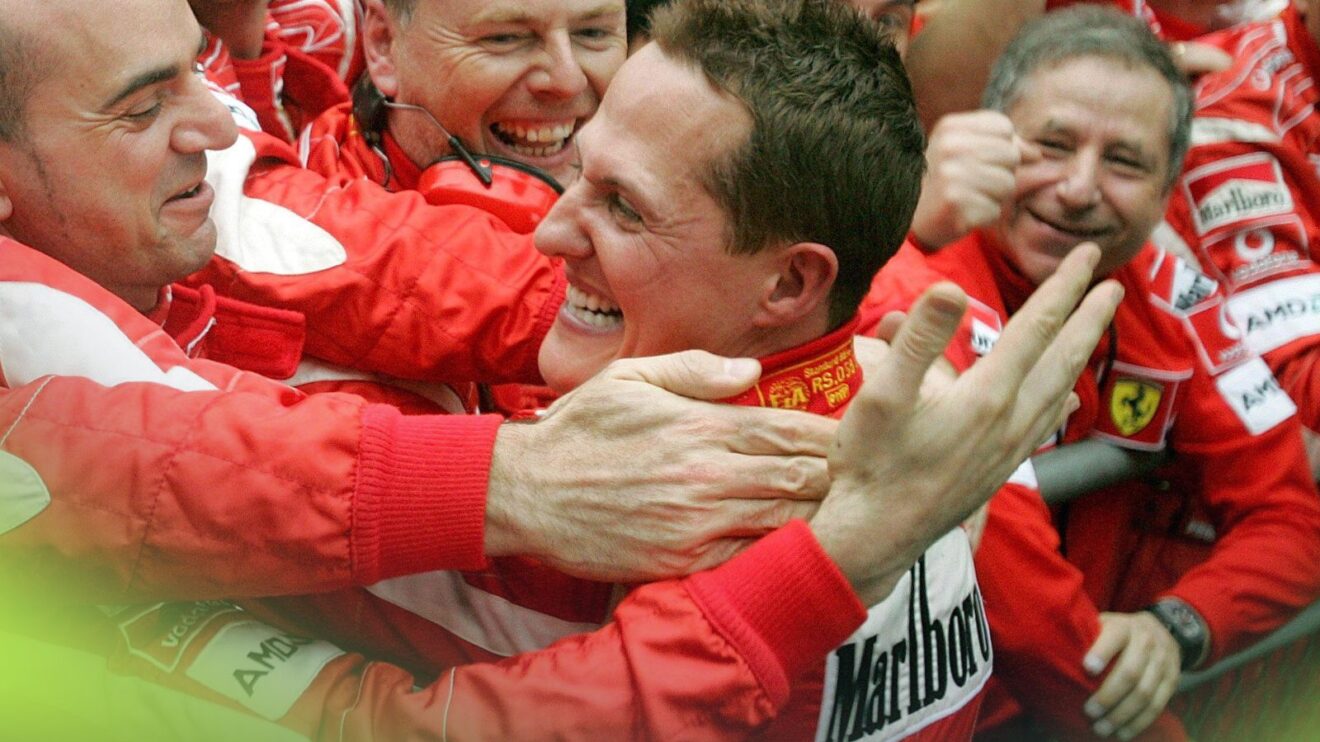
Fernando Alonso's endorsement of Verstappen's outing cuts deeper than surface praise for diversification. It highlights how top drivers venturing outside Formula 1 unearth pressure patterns invisible in standard grand prix logs. Alonso himself conquered Le Mans twice and led the 2017 Indy 500 on debut, moves that mirrored the kind of unfiltered consistency once routine at Ferrari under Michael Schumacher in 2004. That season Schumacher posted lap time variances under 0.2 seconds across qualifying runs, a heartbeat rhythm born from feel rather than real time spreadsheets.
Verstappen called the experience a reminder of pure motorsport, a direct counter to Formula 1's tightening data loops. Alonso added that Formula 1 represents just one per cent of the motorsport environment, with other series holding equal magic. These are not mere opinions but flags on timing anomalies where driver decisions override pit wall directives.
- Onboard footage from Alonso's 2017 IndyCar test alone pulled 2 million YouTube views in one day, correlating with a European driver influx that now sees roughly 40 percent of the IndyCar grid from Europe.
- Verstappen's post race hints at further endurance runs suggest lap drop offs in F1 may soon trace less to personal events and more to enforced algorithmic compliance.
The Robotized Horizon and Schumacher's Lost Consistency Benchmark
Within five years Formula 1's hyper focus on analytics risks turning drivers into data conduits, suppressing intuition for scripted pit calls and predictive models. This shift echoes the contrast between Schumacher's 2004 near flawless runs at Ferrari, where minimal telemetry interference preserved raw pace, and today's over reliance on live feeds that amplify errors like those unfairly pinned on Charles Leclerc. His 2022 2023 qualifying data actually marks him as the grid's most consistent performer when Ferrari strategy blunders are stripped away, much like endurance events reward sustained rhythm over split second commands.
Formula 1 is just one per cent of the whole motorsport environment. The other series are just as magic as Formula 1 in a sense.
Alonso's words land as a warning shot against the bubble. Endurance formats like the Nurburgring 24 allow lap time stories to breathe, free from the sterile forecasts that flatten modern grand prix drama into predictable arcs. Schumacher's era proved consistency thrives when numbers serve the driver, not the reverse.
- Endurance crossovers could recalibrate fan metrics, drawing audiences beyond the one percent bubble.
- Without intervention, F1 risks lap sheets that read like code outputs rather than human pressure maps.
Final Pulse Check on Motorsport's Diverging Paths
Verstappen's debut and Alonso's backing signal a quiet revolt against F1's data chokehold. Schumacher's 2004 benchmark remains the gold standard for what gets lost when intuition yields to algorithms. The numbers from these endurance forays already tell a clearer tale than any grand prix timing sheet: motorsport's true spectrum demands space for heartbeat variability, or the sport calcifies into something less alive.
Join the inner circle
Get the deep dives and technical analysis from the world of F1 delivered to your inbox twice a week.
Zero spam. Only high-octane analysis. Unsubscribe anytime.