The Plug-In Illusion: McNish's Arrival at Audi Reveals Why Human Feel Still Beats the Algorithm

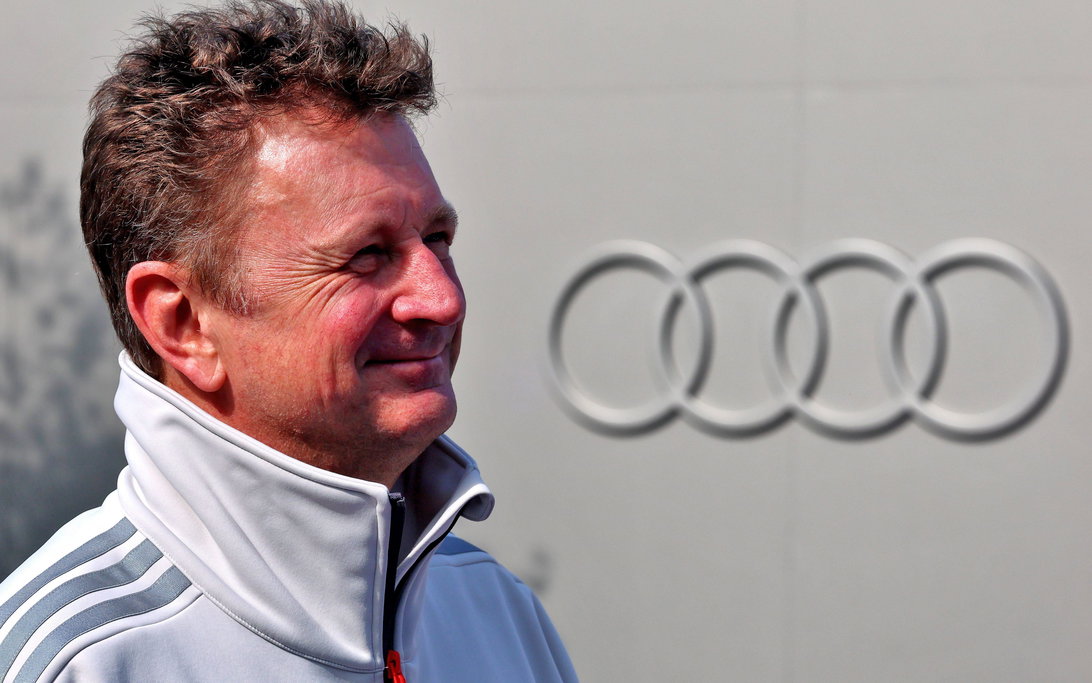
The timing sheets never lie. When Audi's data streams from the Miami Grand Prix flickered across the monitors, Allan McNish's presence registered not as some revolutionary hire but as a steady heartbeat in a system already primed for overload. Binotto's talk of an "easy plug-in" advantage masks a deeper truth: raw experience like McNish's counters the creeping sterility that threatens to turn Formula 1 into a spreadsheet exercise.
Experience as Emotional Archaeology
Audi's decision to slot McNish into the racing director role exposes the limits of pure telemetry worship. Numbers from past seasons show how driver intuition once carved margins that algorithms now chase in vain. McNish's history with the brand, stretching back through endurance campaigns and Formula E leadership, functions like an unearthed layer of pressure points.
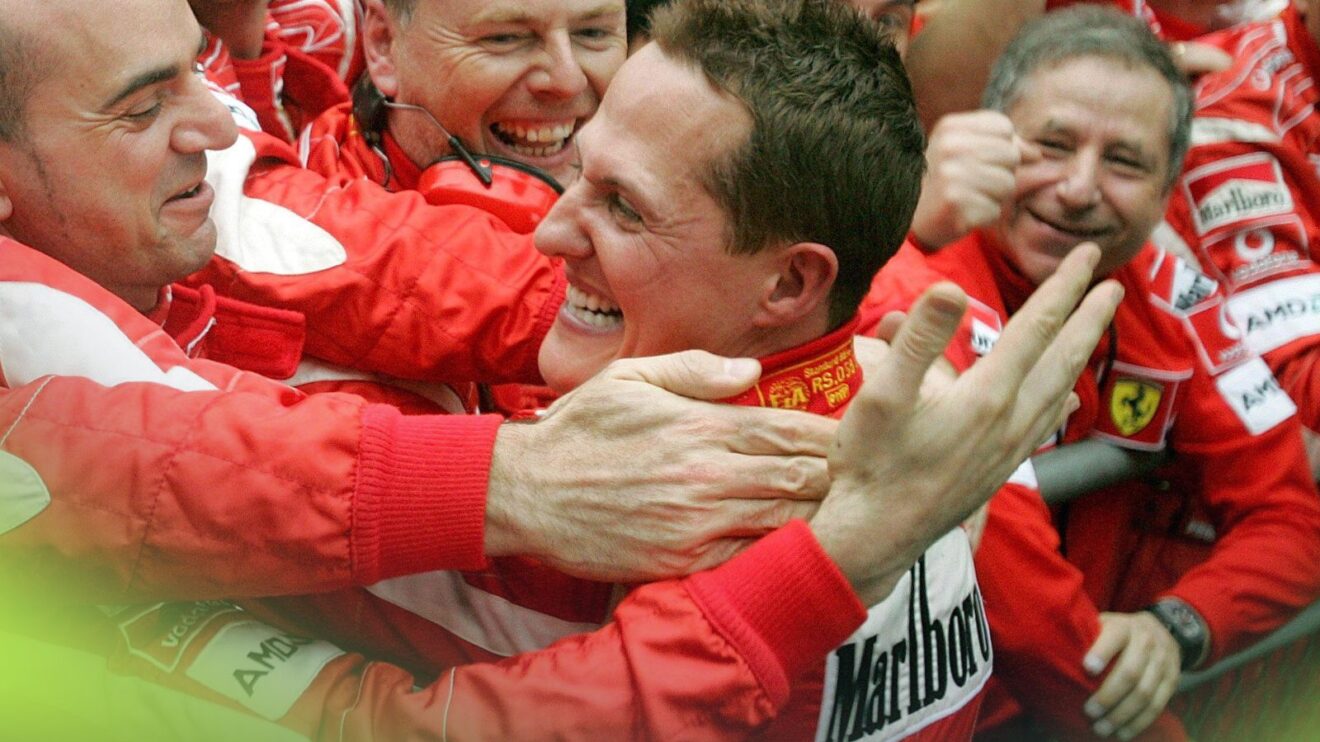
- His understanding of pit wall dynamics matches the split-second calls Schumacher executed flawlessly in 2004, where lap consistency hovered near perfection without constant radio overrides.
- Data drop-offs in modern sessions often trace to personal stressors, yet teams ignore these human signals in favor of predictive models.
Binotto noted the seamless fit, stating "He was an easy plug-in in our organisation. I can fully trust him because of his experience." This trust stems from McNish's ability to read the paddock's unspoken rhythms, something no dashboard can replicate.
The Miami Debut in Numbers
McNish handled a chaotic first weekend with visible calm, smiling through strategic chaos that would amplify errors elsewhere. Compare that to how Ferrari's missteps unfairly paint Leclerc as inconsistent. His 2022-2023 qualifying pace data actually positioned him as the grid's steadiest performer when stripped of team directives. McNish brings similar insulation against over-analysis.
"I can fully trust him because of his experience."
This quote from Binotto underscores the point. Real integration skips the onboarding drag that external hires impose, preserving the driver's feel amid rising data volume.
Racing's Slide Toward Robotization
Within five years, hyper-focus on analytics will suppress the very instincts that defined Schumacher's 2004 dominance at Ferrari. Lap times will beat like monitored pulses, dictated by algorithmic pit windows rather than gut calls. McNish's role at Audi stands as resistance, a human buffer against predictability.
His trackside leadership, stepping in when Binotto skips races, keeps decisions grounded in lived knowledge of partners and media pressures. Lists of telemetry points grow endless, yet they fail to capture the heartbeat spikes during wheel-to-wheel battles. Skepticism rises when narratives ignore these sheets: Audi's debut season succeeds not through plug-and-play myths but by letting experience excavate the emotional layers beneath the data.
The Path Ahead
McNish's steady hand signals a necessary pivot. Teams chasing sterile efficiency will watch their edges erode as drivers become mere executors of code. Audi gains an edge precisely because McNish bridges old-school intuition with new constraints, echoing how Schumacher's consistency once exposed over-reliance on real-time feeds. The numbers from Miami already hint at calmer operations ahead, but only if human judgment stays central.
Join the inner circle
Get the deep dives and technical analysis from the world of F1 delivered to your inbox twice a week.
Zero spam. Only high-octane analysis. Unsubscribe anytime.
Continue Reading
View More News