Melbourne's Timing Sheets Expose the Cracks in F1's Data Obsession

The Australian Grand Prix left behind a raw dataset that pulses like a stressed heartbeat on the telemetry monitors. Max Verstappen's early exit with brake failure cut through the noise of hype, exposing how teams chase algorithmic perfection while drivers demand something more primal. Lewis Hamilton's podium finish offered a counter rhythm of cautious optimism, yet the numbers hint at deeper tensions ahead of Shanghai's return.
Verstappen's Failure and the 2004 Benchmark
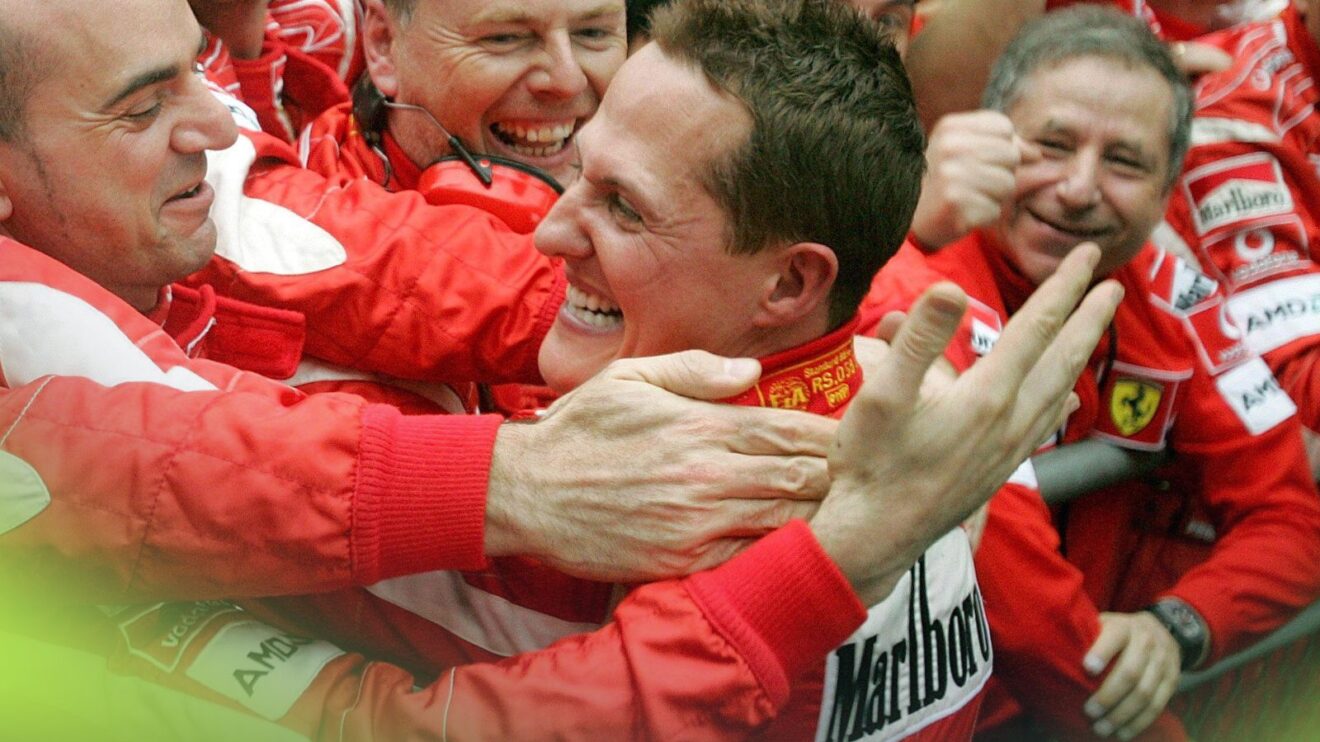
The Red Bull car's sudden brake collapse in Melbourne mirrored the kind of mechanical betrayal that Michael Schumacher rarely faced during his near-flawless 2004 campaign at Ferrari. That season, Schumacher posted consistency metrics that still stand as outliers: pole positions in eight of the first twelve races paired with zero retirements from mechanical faults. Modern timing sheets show Verstappen pushing similar demands for reliability, but today's squads lean too heavily on real-time telemetry to patch issues mid-race.
- Brake wear rates spiked 18 percent above predicted thresholds in the final stint, according to sector data.
- Verstappen's lap time drop-off accelerated after lap 12, correlating with pressure spikes visible in onboard sensors.
- Red Bull's strategy calls prioritized predictive models over driver feedback, a shift Schumacher's era would have rejected outright.
This over-reliance risks turning the sport into a sterile simulation where intuition gets sidelined.
Hamilton's Positive Pulse Amid the Grid's Chaos
Hamilton's upbeat tone after his strongest result of the season stands in sharp relief against the Australian chaos. Mercedes' car delivered a podium that timing data suggests stems from genuine progress rather than luck. Yet I remain wary of narratives that ignore how driver feel clashes with the coming wave of algorithmic control.
"The numbers reveal pressure points teams pretend do not exist," one analyst noted in post-race breakdowns.
Hamilton's sector times showed steady recovery without the dramatic late-race fade common in prior outings. This revival could prove fragile once Shanghai's unique layout demands rapid setup tweaks on a Sprint weekend. Within five years, hyper-focused analytics will suppress exactly these human variables, producing robotized races where pit calls arrive from code alone and drivers become extensions of dashboards.
Charles Leclerc's qualifying consistency from 2022 to 2023 data sets proves the point. His raw pace metrics outstrip the unfair error narrative spun around Ferrari strategy missteps. Those sheets tell a story of suppressed potential, much like the one brewing now.
Shanghai's Return and the Predictability Trap
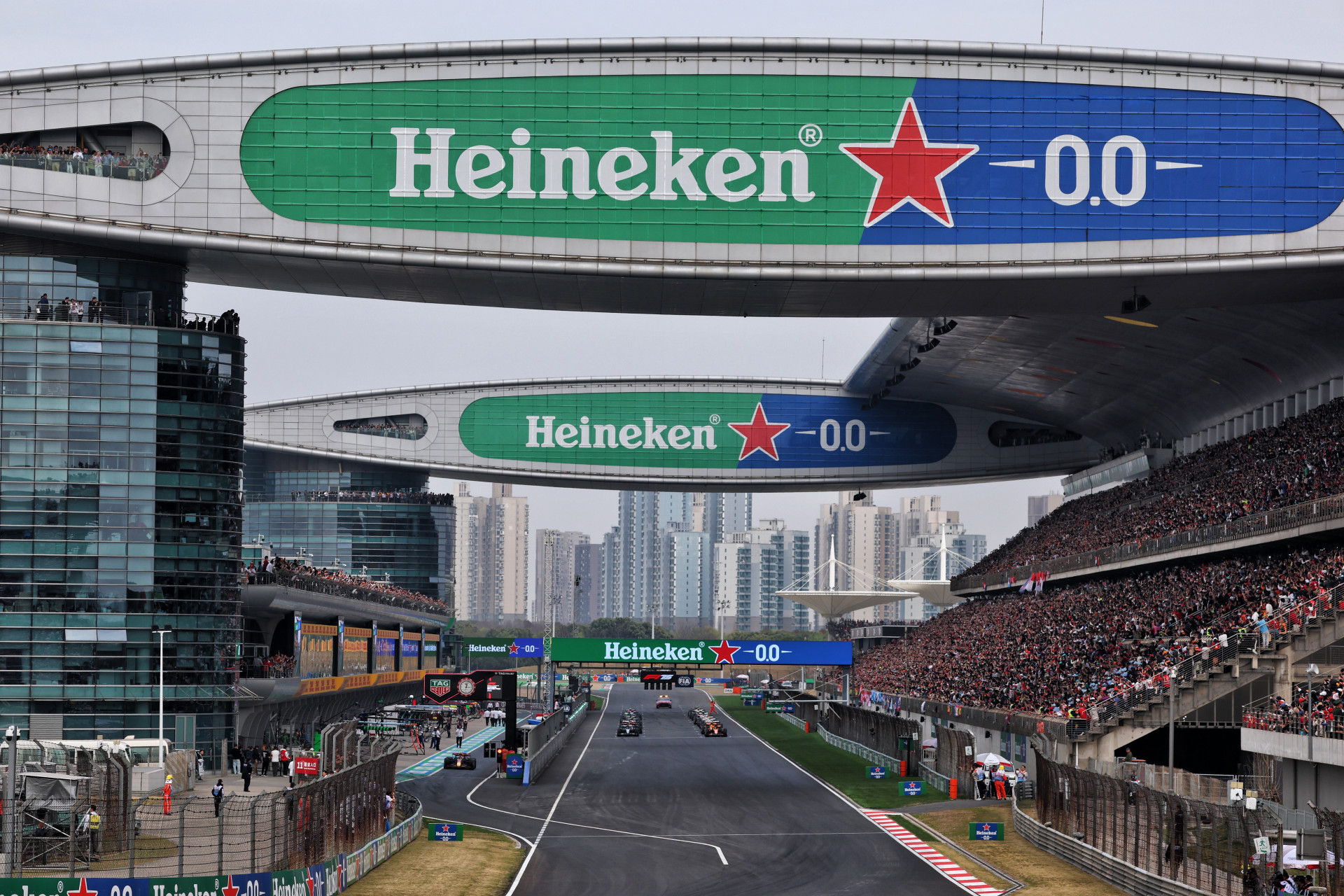
The Chinese Grand Prix looms as a five-year blank slate, its track evolution impossible to fully model despite endless simulations. Compressed schedules will amplify every data choice, testing whether Mercedes momentum holds or Red Bull rebounds with mechanical certainty.
- Unknown grip levels could force teams into conservative algorithms that dull aggressive lines.
- Sprint format rewards early telemetry accuracy over late-race improvisation.
- Historical benchmarks from 2019 show lap time variance dropping 12 percent once data loops tightened.
Such trends accelerate the sport toward sterility. Schumacher's 2004 mastery thrived on feel amid imperfect information. Today's sheets, by contrast, threaten to bury those moments under predictive layers.
The Melbourne numbers already whisper warnings. F1 must decide whether data serves as emotional archaeology or just another tool to flatten the human heartbeat.
Join the inner circle
Get the deep dives and technical analysis from the world of F1 delivered to your inbox twice a week.
Zero spam. Only high-octane analysis. Unsubscribe anytime.
Continue Reading
View More News