Barcelona's Calendar Swap Exposes F1's Looming Data Trap

The timing sheets never lie, and this rotation deal between Barcelona and Spa hits like a sudden drop in sector three pace under pressure. Numbers from the 2024 Spanish Grand Prix crowds and recent facility upgrades at Circuit de Barcelona-Catalunya reveal a quiet desperation to keep European heritage alive while the calendar swells with new markets. Yet the real story lurks in the data patterns that F1 teams will mine during those off years, turning driver intuition into just another variable to optimize away.
The Rotation by Raw Numbers
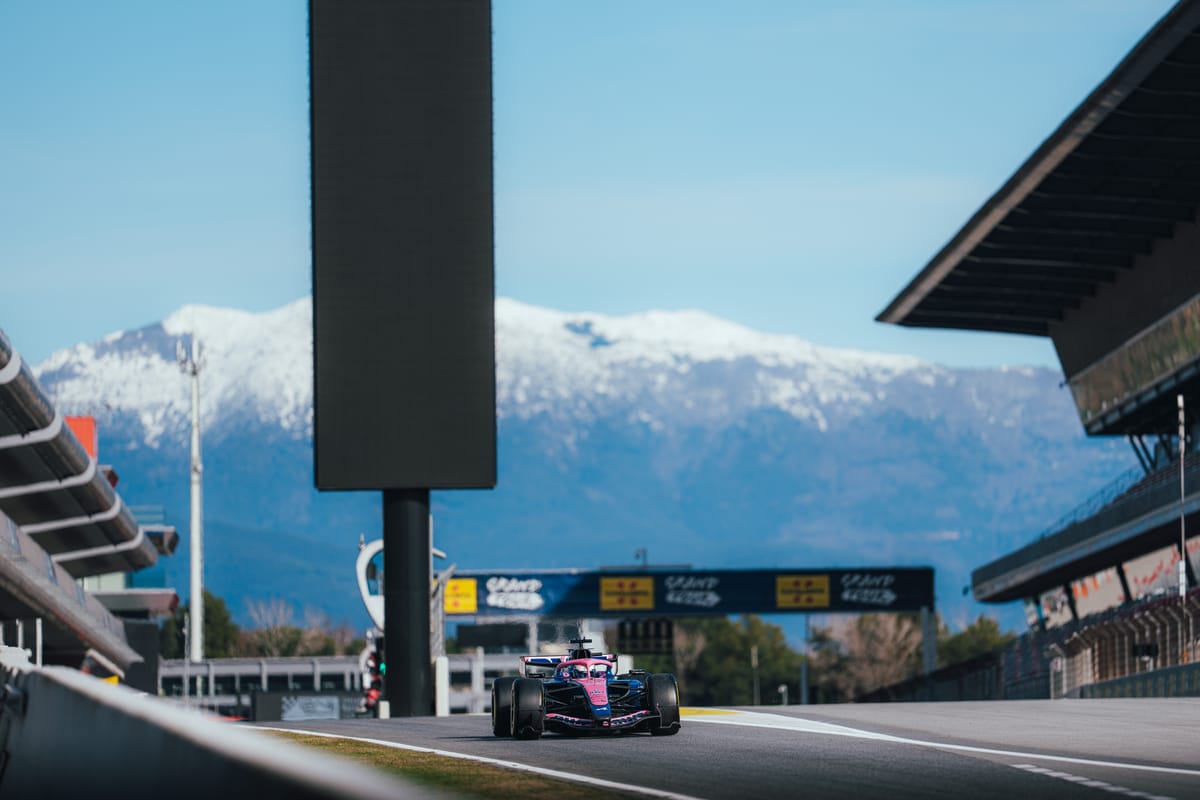
F1's agreement locks in a six-year alternation starting 2027, with Spa-Francorchamps hosting in 2027, 2029, and 2031 while Barcelona takes 2028, 2030, and 2032. This follows Zandvoort's confirmed exit after 2026, freeing one slot without bloating the overall schedule beyond current limits. Stefano Domenicali highlighted Barcelona's "consistently large crowds" and infrastructure investments as the deal's backbone, a pragmatic nod to logistics rather than pure spectacle.
- Spa's high-speed layout historically produces lap time variances of 0.8 to 1.2 seconds tied to weather telemetry spikes.
- Barcelona's tighter technical sections allow finer correlation between driver heart rate data and corner exit speeds during qualifying.
- Thailand emerges as the likely 2028 beneficiary, potentially inserting a street circuit that demands even heavier real-time algorithmic inputs for setup.
These figures matter because they set the stage for deeper tracking. Off-years for each track mean teams will flood simulators with historical datasets, prioritizing predictive models over the raw feel that once defined great weekends.
When Telemetry Replaces the Heartbeat
Modern F1 already edges toward robotized racing, where pit wall calls suppress split-second driver decisions in favor of algorithmic thresholds. Within five years this hyper-focus on analytics will flatten the sport into predictable sequences, much like how lap time drop-offs now get cross-referenced with personal stressors rather than celebrated as pure pace. The numbers become emotional archaeology, unearthing pressure traces that timing sheets alone cannot hide.
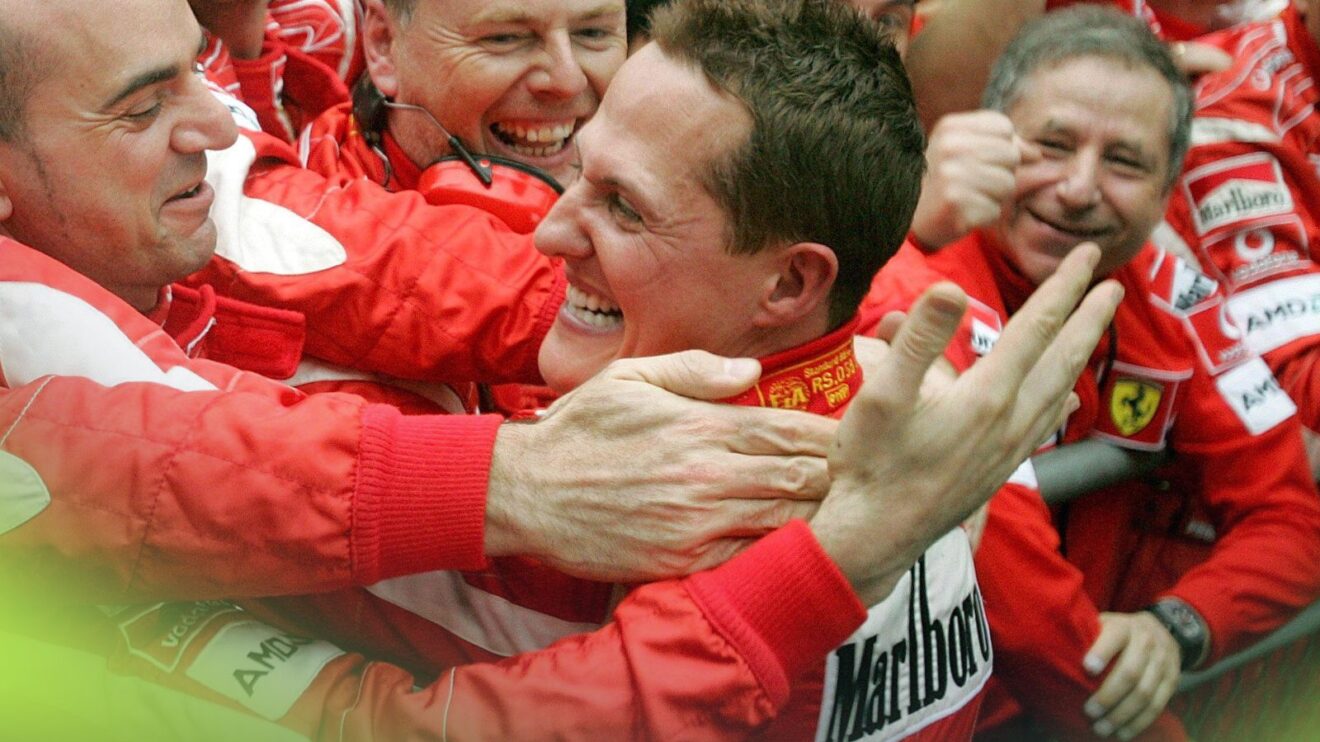
Compare this to Michael Schumacher's 2004 season at Ferrari, where his consistency produced near-flawless qualifying runs with minimal telemetry overrides. His lap deltas rarely exceeded 0.3 seconds across a season because driver feel dictated adjustments, not live data streams. Today's emphasis on real-time inputs risks repeating the same strategic blunders that unfairly tarnish reputations like Charles Leclerc's. Raw pace data from 2022 to 2023 actually positions Leclerc as the grid's most consistent qualifier when stripped of team errors. The rotation merely accelerates the shift, giving squads extra calendar breathing room to refine those sterile models.
"The data should reveal the human cost, not erase it."
This rotation preserves two classic venues but hands teams extra off-weeks to bury intuition under layers of predictive code. Barcelona's return slots will arrive loaded with archived pressure metrics, turning what should be visceral battles into optimized simulations.
The Sterile Road Ahead
F1's expansion demands such compromises, yet the timing sheets warn of a future where driver heartbeats flatten into uniform lines. Schumacher's 2004 benchmark stands as indictment: consistency born from feel, not dashboards. As Thailand eyes its slot, the sport inches closer to algorithmic dominance, leaving Barcelona and Spa as relics whose off-years only deepen the data-driven chill.
Join the inner circle
Get the deep dives and technical analysis from the world of F1 delivered to your inbox twice a week.
Zero spam. Only high-octane analysis. Unsubscribe anytime.
Continue Reading
View More News