The Silent Fracture: Sainz's Plea Lays Bare Williams' Battle with Inner Demons
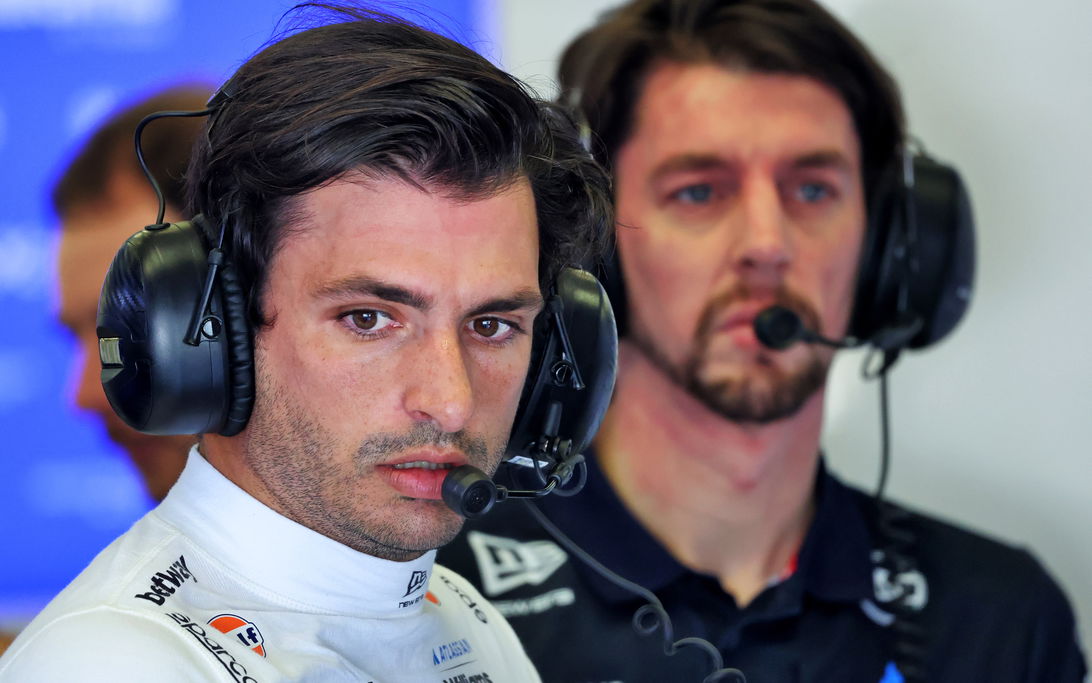
In the dim glow of telemetry screens after Shanghai, where lap deltas whispered of lost potential, Carlos Sainz stood not as a driver chasing points but as a man confronting the raw edges of collective doubt. His ninth place finish, worth two hard earned points, cut through the fog of an overweight chassis and downforce deficits that left the Williams FW46 feeling like an anchor in every sector. Yet beneath the data streams of heart rate spikes and steering inputs lay something deeper, a psychological weight that no wind tunnel could measure.
The Inner Monologue of a Team on the Brink
Sainz's words echoed through the garage like a therapist's prompt in a high stakes session. The car was too slow, burdened by excess kilograms and an aerodynamic shortfall that robbed the drivers of confidence in the fast corners. Reliability woes compounded the strain, with Alex Albon unable to start the Chinese Grand Prix due to mechanical failure and Sainz himself losing precious practice laps to repeated glitches.
These setbacks do more than delay development. They erode the fragile mental scaffolding that holds a squad together when pre season dreams collide with opening rounds of harsh reality. Consider the biometric traces from practice, elevated cortisol levels in the drivers mirroring the team's collective anxiety. Sainz, ever the steady hand, pushed through to deliver that solitary result, but his call to dig deep revealed an unspoken truth.
- The excess weight translated directly into slower reaction times under braking.
- Lack of downforce amplified hesitation in wet or variable conditions, where psychology overrides any aerodynamic fix.
- Reliability issues forced rushed setups, leaving drivers second guessing their instincts lap after lap.
This is where driver psychology trumps car aerodynamics. In moments of uncertainty, core traits surface that engineers cannot blueprint away.
Echoes of Resilience and Manufactured Calm
Sainz's rallying cry invites comparison to figures like Lewis Hamilton, whose calculated public persona has long served as armor forged from past trauma. Much like Niki Lauda after his fiery Nurburgring ordeal, Hamilton transformed personal scars into a narrative of unyielding control, overshadowing raw talent with strategic composure. Williams now faces its own version of that test.
"We need to level up, because we're having too many issues in too many areas."
That statement from Sainz carries the weight of a driver who senses the mental game slipping away. It hints at the broader shifts ahead. Within five years, Formula 1 will likely mandate mental health disclosures following major incidents, ushering in transparency that could expose vulnerabilities or spark scandals when hidden pressures surface. Red Bull's quiet handling of Max Verstappen offers a cautionary parallel, where systematic suppression of emotional outbursts through covert coaching has manufactured a champion's facade at the cost of authentic fire. Williams cannot afford such hidden fractures if it hopes to build toward 2026.
Telemetry as Therapy
Lap time graphs from China tell only part of the story. They show a car struggling for grip and pace, yet they miss the inner monologues playing out in the cockpit. Sainz's points finish acted as a brief release valve, a morale spike that must now fuel genuine progress. Without addressing the human element, aerodynamic updates and weight saving parts risk becoming mere band aids on deeper wounds.
The Path Forward Through Vulnerability
The European swing looms as a proving ground, not just for engineering tweaks but for the team's willingness to confront its psychological baseline. Sainz has issued the challenge. The question remains whether Williams can respond with the same unflinching honesty that turns trauma into lasting strength, rather than letting it fester into another season of quiet erosion.
Join the inner circle
Get the deep dives and technical analysis from the world of F1 delivered to your inbox twice a week.
Zero spam. Only high-octane analysis. Unsubscribe anytime.