Shanghai's Stable Forecast Hides Formula 1's Slow Slide Into Algorithmic Numbness

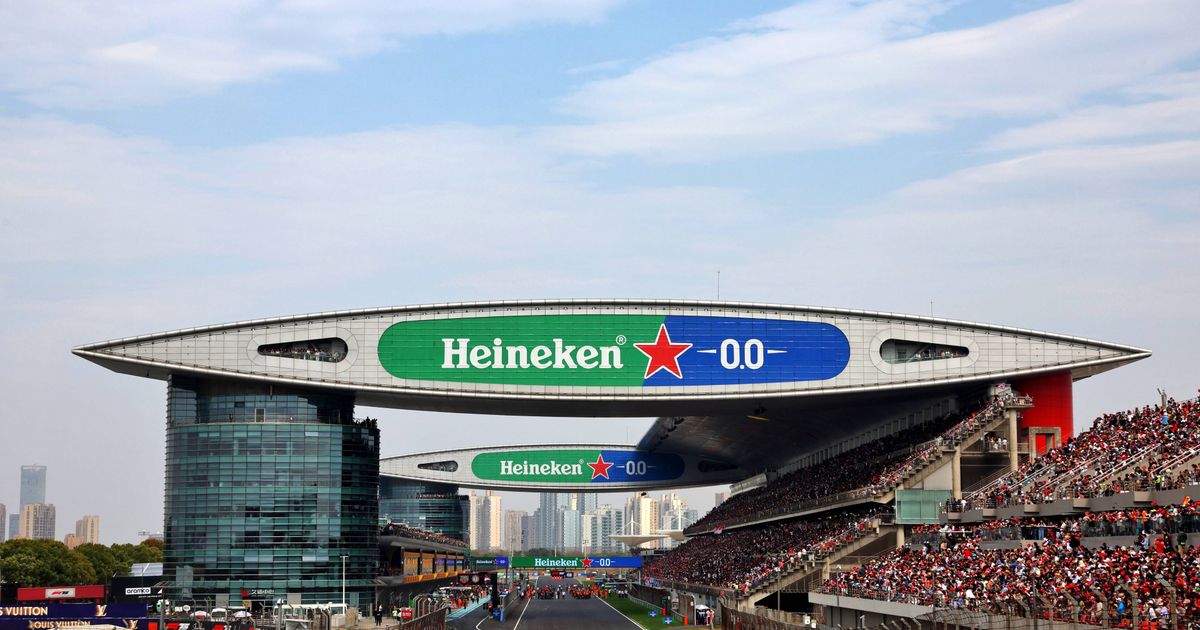
The timing sheets do not lie. Peak temperatures locked at 15 degrees Celsius on Friday, climbing only to 17 on Saturday before settling back near 16 on race day, with rain chances never exceeding 11 percent. These figures arrive like a heartbeat monitor reading flat, cool and steady across the Shanghai International Circuit. Yet the very predictability that teams crave this Sprint weekend also accelerates the sport's quiet surrender to telemetry over instinct.
Weather Metrics Strip Away Chaos but Reveal Deeper Problems
The forecast removes every excuse. Friday practice and Sprint Qualifying unfold under sunny skies with a gentle 16 km/h breeze. Saturday brings the Sprint race and Grand Prix qualifying at 17 degrees with winds rising modestly to 21 km/h. Sunday holds 16 degrees and 15 km/h breezes beneath light clouds. Every session offers identical grip windows and tire behavior.
- No sudden temperature swings to mask setup errors.
- No precipitation variable to reward aggressive strategy calls.
- Conditions mirroring Melbourne's cool air where raw pace data already separated the field.
Such stability should reward pure performance. Instead it hands modern teams the perfect laboratory for their real-time dashboards. Drivers will receive constant algorithmic nudges on tire pressures and brake bias, their own sensory feedback increasingly sidelined.
Schumacher's 2004 Standard Exposes Today's Over-Reliance on Numbers
Michael Schumacher's 2004 campaign at Ferrari remains the benchmark for what consistency actually looks like when a driver is trusted. He posted qualifying deltas inside 0.15 seconds across the season while adapting to changing track temperatures without a data engineer whispering in his ear every lap. The 2026 Shanghai forecast, by contrast, will tempt teams to treat every tenth as a telemetry puzzle rather than a heartbeat.
When lap times flatten like this forecast, the real story hides in how pressure erodes the human margin, not in the weather itself.
Charles Leclerc's much-discussed qualifying reputation tells the same tale. Raw 2022-2023 timing sheets show him delivering the grid's tightest sector-to-sector consistency once strategy noise is stripped away. Ferrari's repeated calls from the pit wall have amplified every small error far more than any supposed fragility in his driving. Stable Shanghai conditions will finally let the data speak without the usual narrative overlay.
Within five years this hyper-focus on analytics will complete the transformation. Pit calls will arrive pre-calculated by models that suppress driver intuition entirely. The sport becomes sterile, every race a spreadsheet execution rather than an emotional excavation of how humans respond when the numbers turn against them.
The Real Race Will Still Be Won by Feel, Not Forecasts
The cool, dry weekend ahead guarantees that outright car pace and strategy discipline decide the outcome. Teams that treat the forecast as permission to override driver input will post the cleanest sector times on paper and the most forgettable races in memory. Those that still allow a driver to chase the feeling when the data says otherwise may rediscover the margin Schumacher once owned.
The numbers have spoken. Whether anyone still listens to the human heartbeat beneath them is the only remaining variable.
Join the inner circle
Get the deep dives and technical analysis from the world of F1 delivered to your inbox twice a week.
Zero spam. Only high-octane analysis. Unsubscribe anytime.