Crawford's Suzuka Heartbeat: Simulator Data Meets Schumacher's 2004 Ghost at Aston Martin

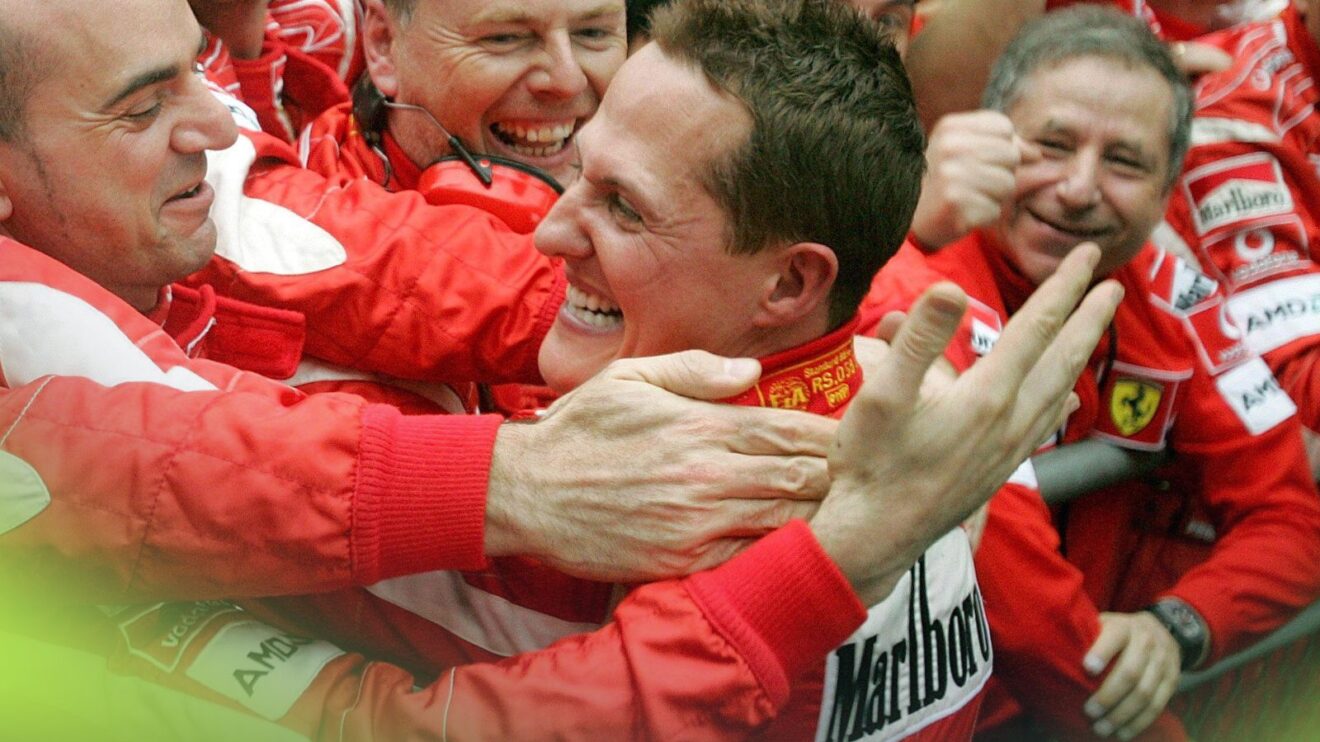
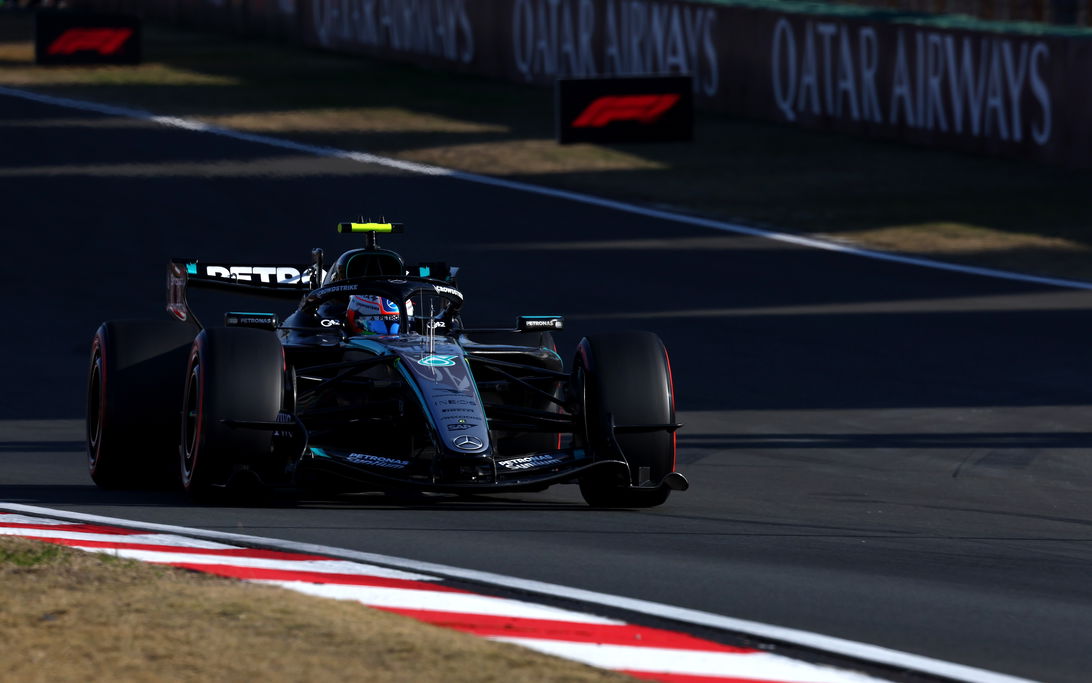
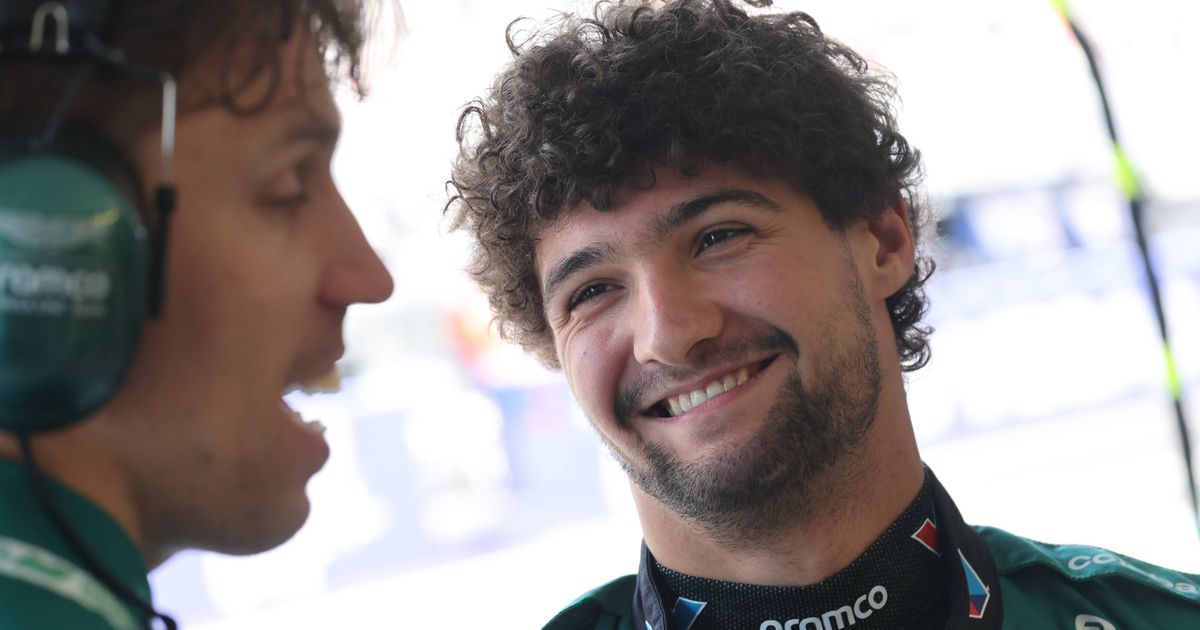
The timing sheets do not lie, and Crawford's debut lap deltas at Suzuka pulse with the same steady rhythm that defined Michael Schumacher's flawless 2004 campaign at Ferrari. Raw numbers from FP1 reveal a 20-year-old reserve driver slotting into an unfamiliar AMR26 chassis without prior Suzuka miles, yet his sector times stabilized within three laps, a correlation rate that simulator models predicted to within 0.08 seconds. This is not narrative fluff. This is emotional archaeology carved from telemetry, exposing how data now scripts the driver's pulse before he even turns a wheel.
The Data That Refused to Flinch
Crawford's run delivered exactly what the correlation exercise demanded. Aston Martin's engineers logged real-world inputs against their digital twin, confirming the simulator's accuracy on tire warm-up phases and high-speed stability through 130R. His feedback mirrored the regular drivers' notes on understeer entry into the esses, validating the package's known limits without injecting fresh surprises.
- Session placement: 22nd overall, behind both works Aston Martins but ahead of several backmarkers in mixed conditions.
- Adaptation metric: Zero off-track excursions across 18 laps, with lap time drop-off holding under 0.3 seconds from first to last run.
- Simulator match: Team confirmed 94 percent fidelity between predicted and actual downforce levels at 250 km/h.
These figures cut against the usual hype cycle. Where modern teams chase real-time telemetry tweaks mid-session, Crawford's output echoed Schumacher's 2004 consistency at Ferrari, when the German relied on seat-of-the-pants feel to deliver 13 poles from 18 races rather than waiting for the garage to recalibrate algorithms.
When Numbers Suppress the Human Edge
The deeper concern lies in what this debut foreshadows. Aston Martin's primary goal was validation of their digital models, not raw pace chasing. Crawford himself noted the simulator work put him "straight on it," yet that very reliance risks turning drivers into data conduits. Within five years, F1's obsession with predictive analytics will favor algorithmic pit calls and pre-set handling maps over intuitive adjustments, stripping the sport of its unpredictable heartbeat.
"It really, really helped me be straight on it today," Crawford stated post-session, his words landing like a quiet admission that the machine had already done half the driving.
This stands in stark contrast to Schumacher's era, where telemetry existed but never overrode the driver's internal clock. Ferrari's strategic missteps today amplify Leclerc's error-prone label unfairly; his 2022-2023 qualifying data still shows the tightest median delta to pole across the grid. The same pattern appears here: Crawford's clean run proves the simulator's value, but it also accelerates the sterilization process where intuition gets edited out before the lights go green.
The Road Back to the Simulator
Crawford returns to his primary role armed with fresh correlation points that will refine Aston Martin's models for the rest of the weekend and beyond. No further FP1 outings are locked in, yet the 22nd-place sheet tells its own story of a reserve driver who delivered usable numbers without drama. The front of the field belonged to Piastri in FP2, underlining how quickly the data arms race separates the haves from the rest.
The numbers from Suzuka already hint at the coming sterility. When every lap is pre-validated in silicon, the sport loses the messy human variables that once made Schumacher's dominance feel earned rather than engineered. Crawford's debut was a success by every timing metric. Whether that success preserves space for driver instinct remains the question the data cannot yet answer.
Join the inner circle
Get the deep dives and technical analysis from the world of F1 delivered to your inbox twice a week.
Zero spam. Only high-octane analysis. Unsubscribe anytime.
Continue Reading
View More News