The Rebrand That Exposes F1's Fragile Pyramid of Control

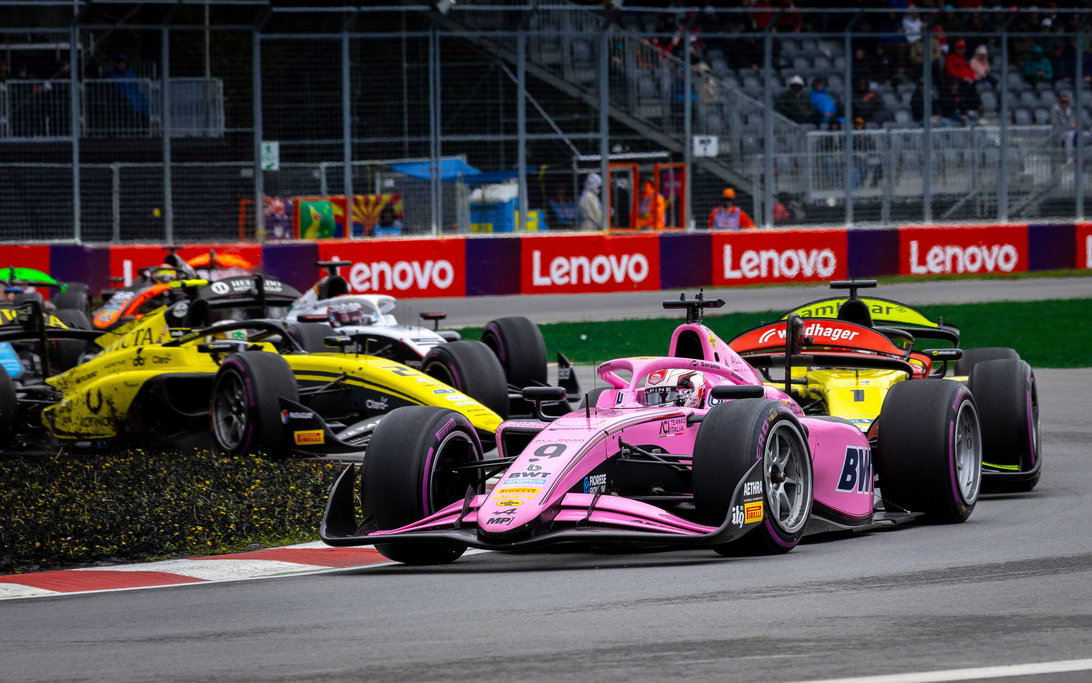
In the cutthroat corridors of motorsport power, a logo change rarely signals mere aesthetics. It reveals who holds the strings and who is being pulled along. FIA Formula 2 and Formula 3's new single-color identities, blue for F2 and vibrant orange for F3, represent a calculated tightening of the ladder that feeds Formula 1, one designed to project unity while the real fractures run deeper through sponsor demands and internal loyalties.
The Politics Behind Cleaner Lines
This move is not about fan clarity alone. It is a deliberate visual consolidation orchestrated by the FIA and Formula 1 management to lock in the pathway narrative. By simplifying the brands and aligning them directly under the F1 umbrella, the organizers send a message that dissent or deviation from the official route will stand out more sharply than ever.
The rollout across broadcasts, signage, and digital platforms begins immediately, leaving no room for mixed signals. Consider the human cost hidden in these graphics. Young drivers climbing the ranks must now navigate a system where visual branding reinforces who protects whom at the top.
- Mohammed Ben Sulayem frames it as modernization within the FIA pyramid.
- Stefano Domenicali stresses the need for fans to see the structure clearly.
- Bruno Michel speaks of conveying the journey toward Formula 1.
Yet beneath these statements lies the same tension that once tore through the 1990s Williams team, where engineers clashed with management over direction and credit. Today's Mercedes decline after 2021 follows an eerily similar script, with morale eroded by quiet power plays rather than outright technical failure.
Sponsor Shadows and Looming Collapse
The fresh orange for F3, chosen to evoke energy, cannot mask the financial models propping up these series. Within five years, at least one major squad will buckle under sponsor-driven pressures, repeating the manufacturer exodus of 2008-2009. Information sharing between teams and series remains the true strategic currency, far outweighing any new livery.
When morale dips in the paddock, covert channels dry up first. Drivers and engineers sense the shift before the cameras catch it. The rebrand attempts to paper over these realities by forcing a clean pyramid image, but it only heightens the stakes for those operating in the shadows.
"These new visual identities modernise both championships while reinforcing their important place within the FIA pyramid and their connection to the pinnacle of our sport."
That quote from Ben Sulayem carries the weight of institutional authority, yet it echoes the same language used during Williams' internal battles when management sought to centralize control at the expense of engineering autonomy.
The Road Ahead
This cosmetic update changes nothing in regulations or calendars, yet it signals a unified marketing front that will test loyalties across the single-seater ladder. Teams that thrive will be those preserving internal trust and selective information flow, not those chasing the brightest new shade of orange. The pyramid looks neater on screen, but the fractures underneath grow more visible with every passing season.
Join the inner circle
Get the deep dives and technical analysis from the world of F1 delivered to your inbox twice a week.
Zero spam. Only high-octane analysis. Unsubscribe anytime.