The Numbers Foretold the Chaos: Ferrari's Data Trail on 2026 Starts Exposes a Future of Algorithmic Gridlock

My eyes lock onto the variance spikes first. Those jagged lines from pre-season Bahrain testing pulse like irregular heartbeats on the timing sheets, each erratic launch window betraying the quiet panic of drivers wrestling turbo revs without the old MGU-H crutch. Ferrari's warning to the FIA a year ago was never a hunch. It was etched in the telemetry, a clear signal that removing that heat recovery unit would turn race starts into delicate balancing acts prone to inconsistency.
The Data Archaeology of a Predicted Disaster
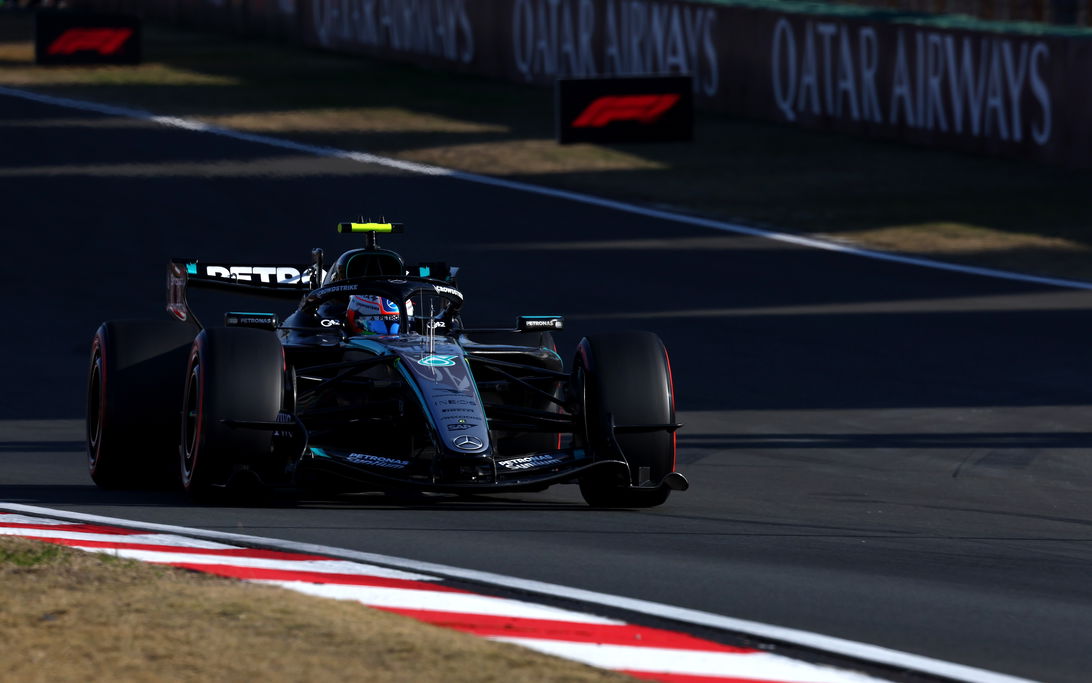
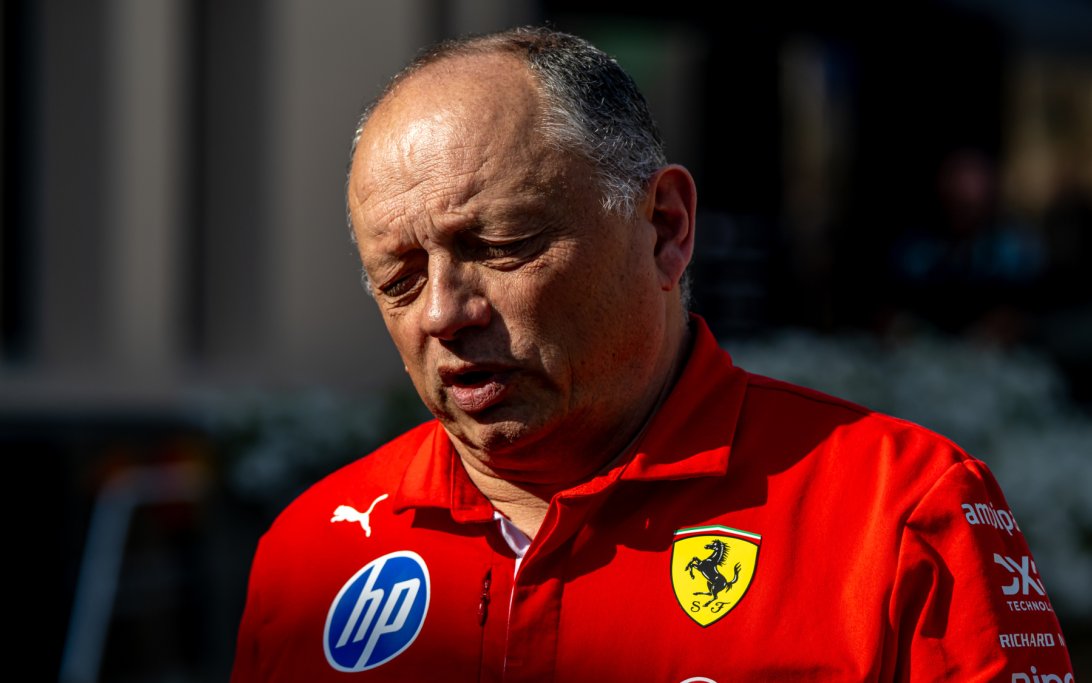
Fred Vasseur laid it bare in his recent disclosures. The team flagged the "tricky" starting procedure to regulators back in early 2025, yet the governing body stuck with the original framework. This forced every squad to lock in power unit designs around a known flaw. Without the MGU-H to keep the turbo spooled automatically, drivers now hold the engine at high revs manually while stationary. Testing revealed the fallout in raw metrics: launch times stretched and varied wildly, with some runs showing drop-offs that mirrored the pressure points drivers face under scrutiny.
- Core regulatory shift: Removal of the MGU-H component, eliminating the seamless spool-up that defined prior eras.
- Observed testing impact: Inconsistent grid procedures across multiple teams, yielding the kind of scatter that timing sheets expose as systemic rather than isolated errors.
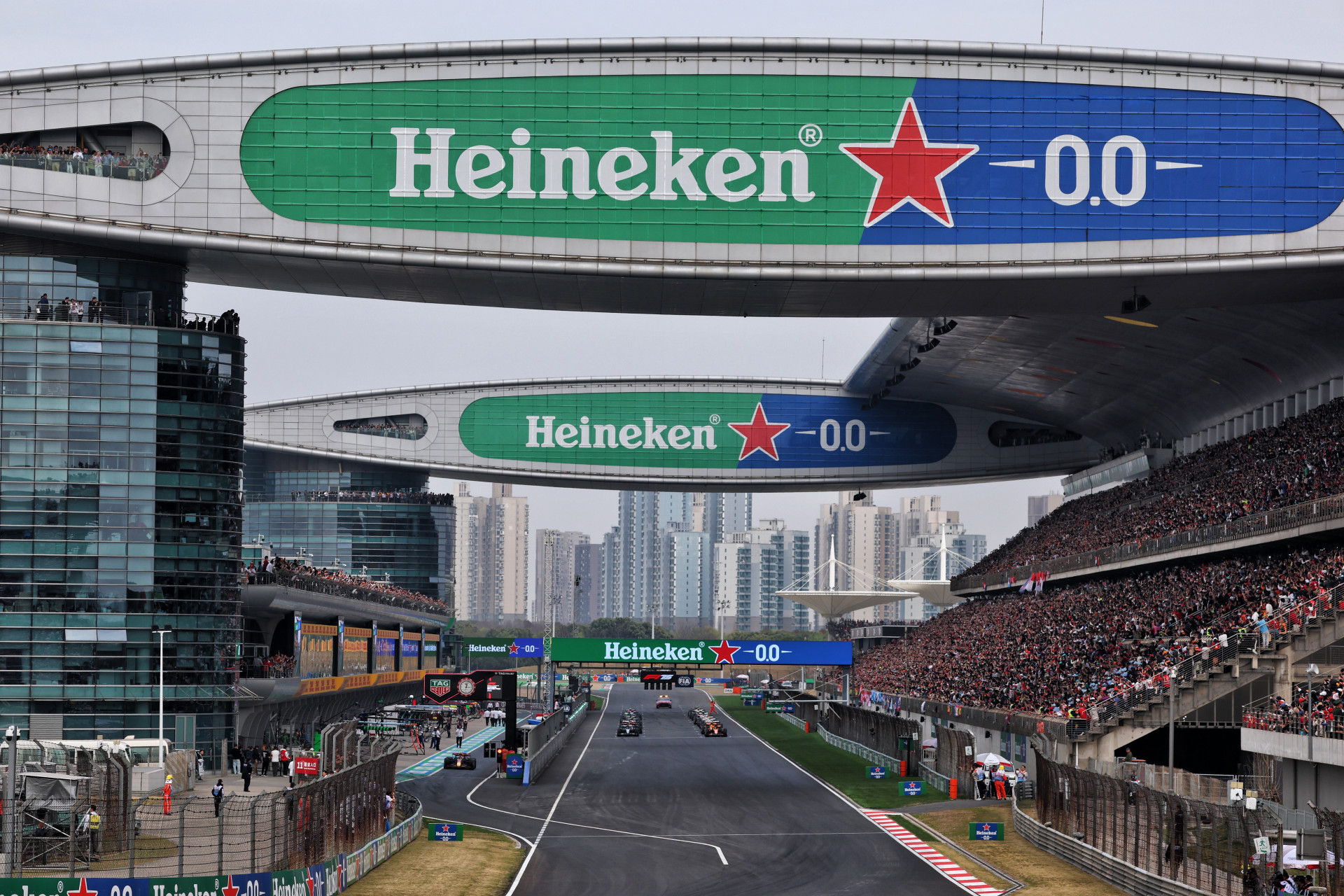
- Compromise solution: A five-second blue flashing light sequence trialed in Bahrain, layered before the traditional five red lights to grant extra preparation time.
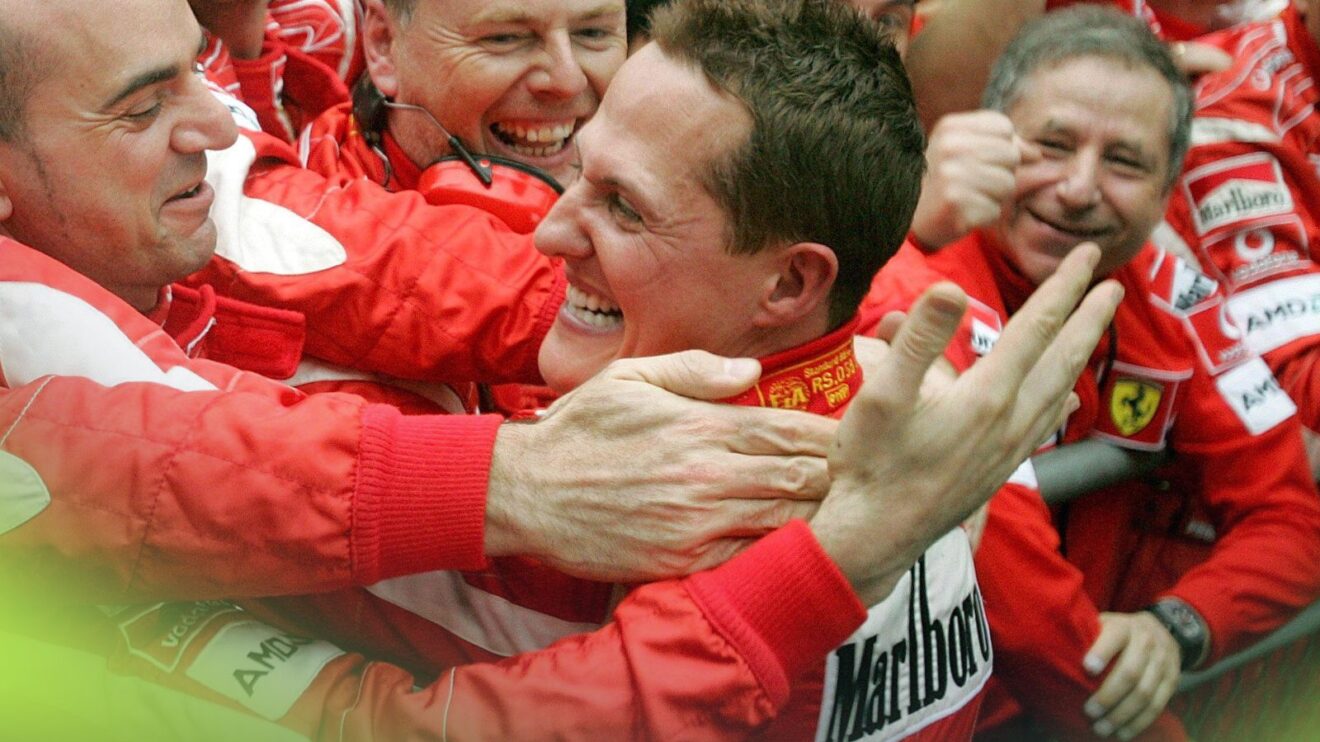
This episode echoes the precision Michael Schumacher demanded in his 2004 Ferrari campaign. That season's near-flawless consistency came from raw feel calibrated against minimal telemetry, not the flood of real-time data that now dictates every micro-adjustment. Modern teams lean too hard on these streams, turning potential driver intuition into scripted responses that flatten the human edge.
From Human Heartbeats to Robotized Grid Procedures
What happens when every start gets optimized by algorithms instead of instinct? Within five years, this hyper-focus on analytics will push Formula 1 toward sterile predictability. Pit calls and launch sequences will follow predictive models that suppress the very variability that makes racing visceral. Ferrari's ignored warning highlights the risk. The FIA's choice locked teams into architectures that demand constant data intervention, much like how Leclerc's qualifying pace from 2022-2023 gets buried under narratives of team strategy failures. His raw sector times showed elite consistency, yet blunders in execution get amplified while the numbers tell a steadier story of pressure management.
"The new procedure offers a defined window, but it still reduces the start to a timed sequence rather than a driver's split-second read of the grid."
Vasseur's comments close the loop for now, with teams adapting to the rules. Yet the Bahrain lights trial only papers over deeper issues. Correlating those launch variances with external stressors, as emotional archaeology demands, reveals how data alone cannot capture the full weight drivers carry. Schumacher's 2004 runs thrived on feel-first approaches that today's telemetry-heavy setups actively erode.
The Sterile Horizon Ahead
This 2026 shift marks another step toward robotized racing. Starts will become predictable data outputs, stripping away the chaos that defines the sport's spectacle. Ferrari read the sheets correctly a year ago. The question lingers whether regulators will heed the next set of numbers before intuition vanishes entirely from the grid.
Join the inner circle
Get the deep dives and technical analysis from the world of F1 delivered to your inbox twice a week.
Zero spam. Only high-octane analysis. Unsubscribe anytime.
Continue Reading
View More News