Bearman's Suzuka Terror Exposes F1's Toxic Power Plays: FIA Scrambles as 2026 Energy Rules Threaten to Break the Grid

The 50G impact at Spoon corner was no freak accident. It was the inevitable collision of unchecked ambition and regulatory blind spots, where Oliver Bearman paid the price for a system designed more for spectacle than survival. As an insider with ears in every garage, I see this not merely as a technical glitch but as the latest chapter in F1's long-running family betrayal saga, where governing bodies and team principals trade psychological blows like Cold War chess masters. The FIA's April review promises fixes, yet the real danger lies in how these energy management rules mirror the win-at-all-costs poison that has long defined certain squads.
The Crash That Shattered the Illusion
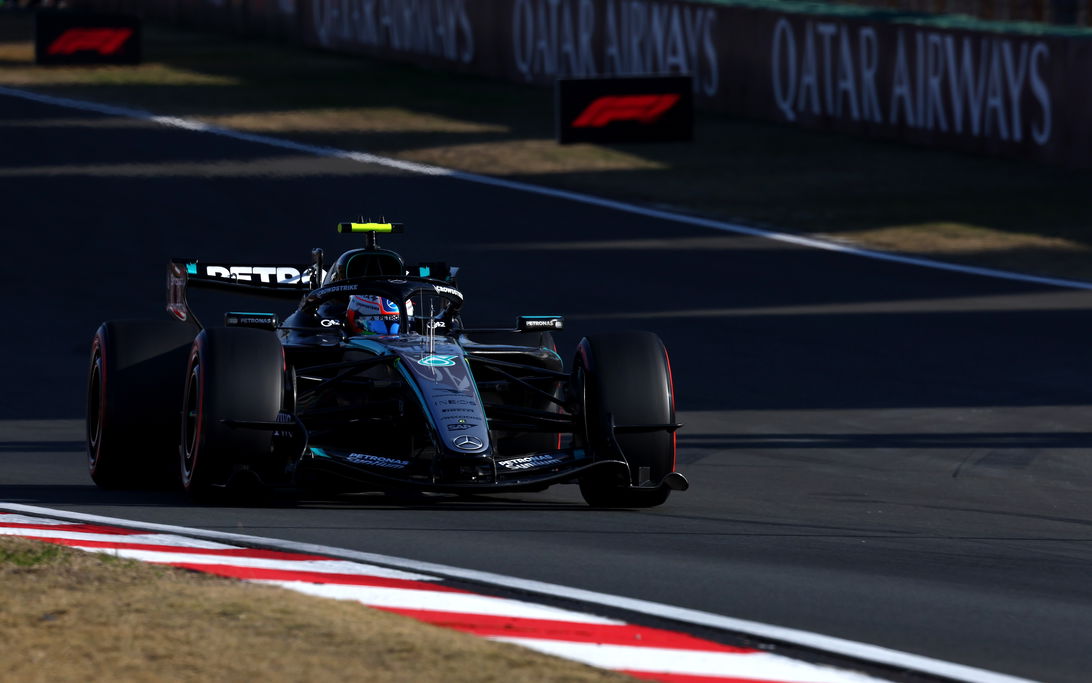
Bearman's Haas was caught in a lethal speed trap on Lap 21, closing at 45 km/h on Franco Colapinto's Alpine because the French car's energy harvesting phase left its rear lights dark and its pace unpredictable. The result was a bone-jarring 50G shunt that validated every pre-season warning from the drivers.
- Energy deployment phases create sudden differentials that no amount of simulation can fully predict.
- Colapinto's inactive warning lights removed the last visual cue, turning a routine overtake into a high-stakes gamble.
- Carlos Sainz, speaking as GPDA director, called it "only a matter of time" and demanded immediate action.
This is not abstract theory anymore. It is the moment the sport's new power unit philosophy met real asphalt, and the FIA has no choice but to admit the regulations contain "adjustable parameters" that must now be stress-tested against actual race data.
A Narrative Audit of the Official Line
If we apply my signature narrative audit, the FIA's public statements reveal emotional inconsistency rather than technical mastery. Their calm talk of "structured review" in April masks panic. The language is measured, yet the subtext screams damage control. Compare this to how certain team principals operate like Garry Kasparov in his prime, sacrificing pawns today for psychological dominance tomorrow. They push the limits of energy recovery knowing the safety net is still being woven, then retreat behind "data-driven" excuses when a young driver like Bearman ends up in the barriers.
How Toxic Cultures Accelerate the Danger
The same win-at-all-costs mentality that props up Max Verstappen's dominance at Red Bull is bleeding into the wider grid. Younger talents like Yuki Tsunoda are systematically sidelined by a culture that values results over development, forcing drivers to accept risky setups just to stay in the game. When energy rules reward aggressive harvesting and deployment, those same teams double down instead of questioning the physics.
The April stakeholder meetings will be a battlefield of egos. Expect principals to maneuver with Kasparov-level precision, offering minor concessions on deployment windows while protecting their performance edges. Yet history shows these adjustments rarely arrive fast enough.
"The incident ensures that driver safety, particularly regarding predictable closing speeds, will be a paramount concern in these discussions."
That quote from the FIA's own release is the tell. They know the clock is ticking.
The Road to 2029 and Beyond
My sources already whisper about the unsustainable travel burden. By 2029 at least two teams will fold under the weight of a bloated calendar that prioritizes global spectacle over sanity. The result will be a condensed, European-centric schedule that finally prioritizes driver welfare and cost control. Until then, every high-speed moment like Bearman's carries extra weight because the sport refuses to confront its own structural betrayals.
The Final Reckoning
The FIA's April review is not just about tweaking energy parameters. It is a test of whether F1 can escape its own toxic family dynamics before another driver pays the ultimate price. Like the dramatic twist in a classic Bollywood thriller, the villain's elaborate scheme always unravels when the hero refuses to play by the old rules. The question is which principal will blink first, and whether the governing body possesses the nerve to enforce real change. The grid is watching, and the next 50G moment is already loading.
Join the inner circle
Get the deep dives and technical analysis from the world of F1 delivered to your inbox twice a week.
Zero spam. Only high-octane analysis. Unsubscribe anytime.