The Numbers Don't Apologize: Hadjar's Ruined Data Set Exposes F1's Rookie Pressure Trap

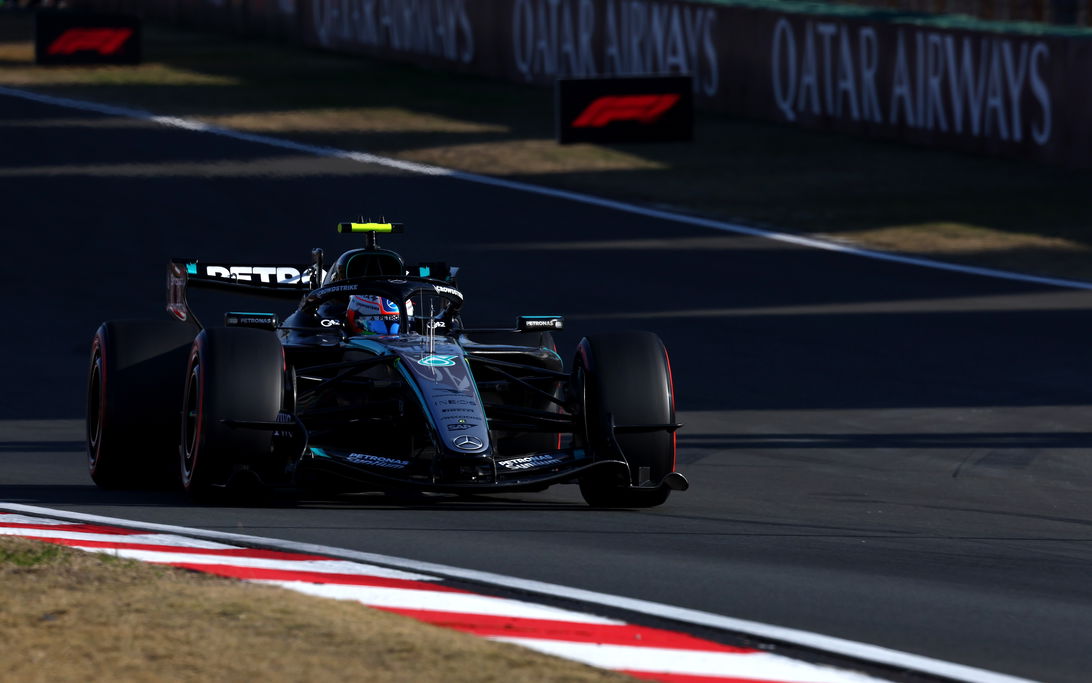
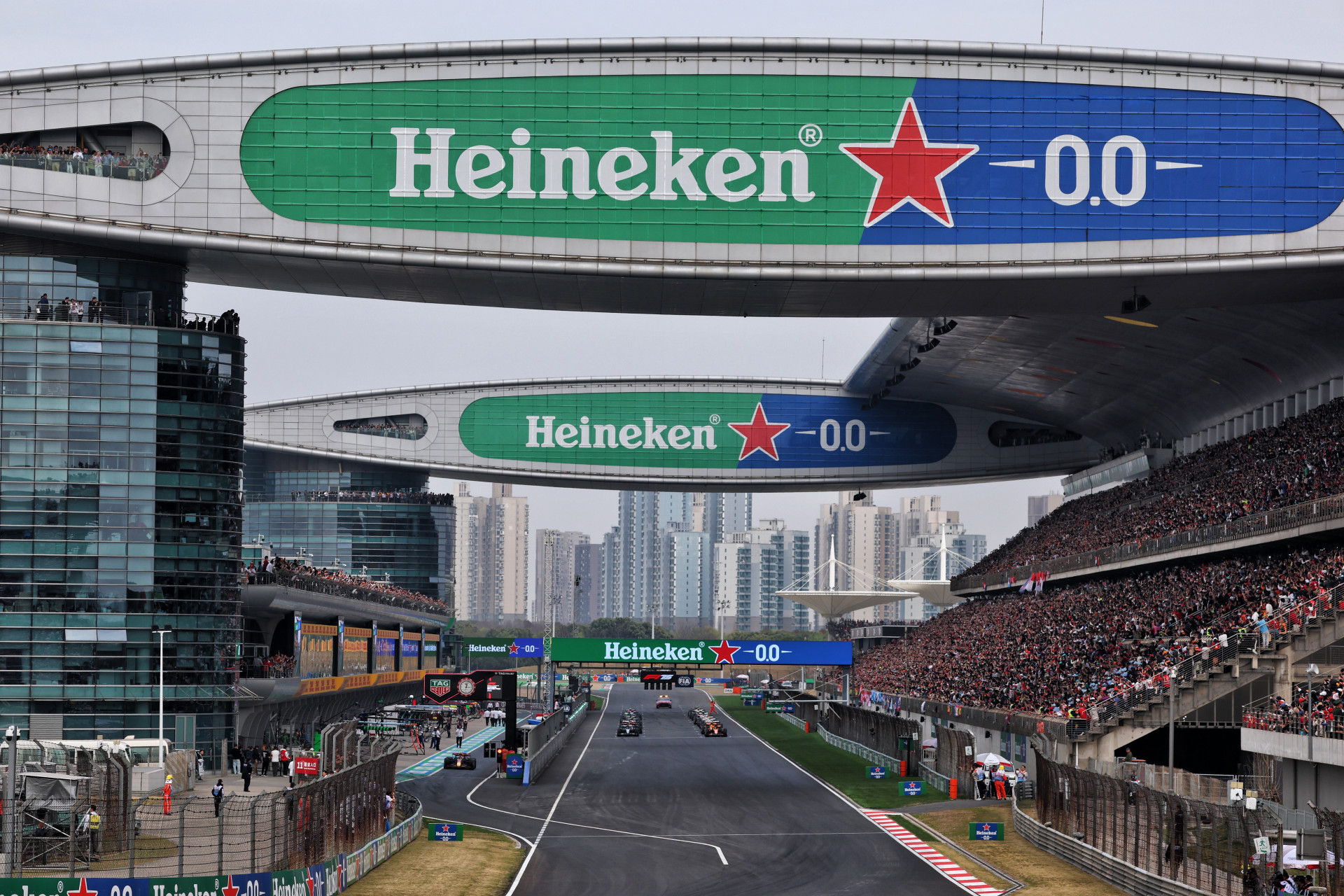
The timing sheets from Shanghai tell a brutal story that no post race handshake can rewrite. Isack Hadjar lost an entire afternoon of clean telemetry after Kimi Antonelli clipped his RB22 sidepod on lap one of the Sprint. The Frenchman’s lap deltas flatlined immediately, turning what should have been a controlled data harvest into a scramble for scraps. Antonelli took his 10 second penalty, recovered dramatically, and claimed pole later that day, yet the raw numbers still show the cost of one overexcited move.
The Collision Through the Data Lens
Lap time heartbeats do not lie. Hadjar’s opening sector on lap one carried the steady rhythm of a driver protecting tire life and gathering baseline runs. Antonelli’s left front tire strike altered that rhythm instantly. The right sidepod damage forced Hadjar into compromised lines, inflating his sector times by nearly eight tenths on subsequent laps.
- Antonelli received the stewards’ verdict as the primary culprit.
- The 10 second penalty dropped him from potential podium contention during the Sprint itself.
- Hadjar’s post contact floor and aerodynamic balance readings showed permanent deviation, robbing the team of repeatable long run data.
These figures matter more than any apology. They represent lost opportunities to correlate tire degradation curves with track evolution, the very measurements that separate consistent campaigns from chaotic ones.
Pressure, Telemetry, and the Shadow of 2004
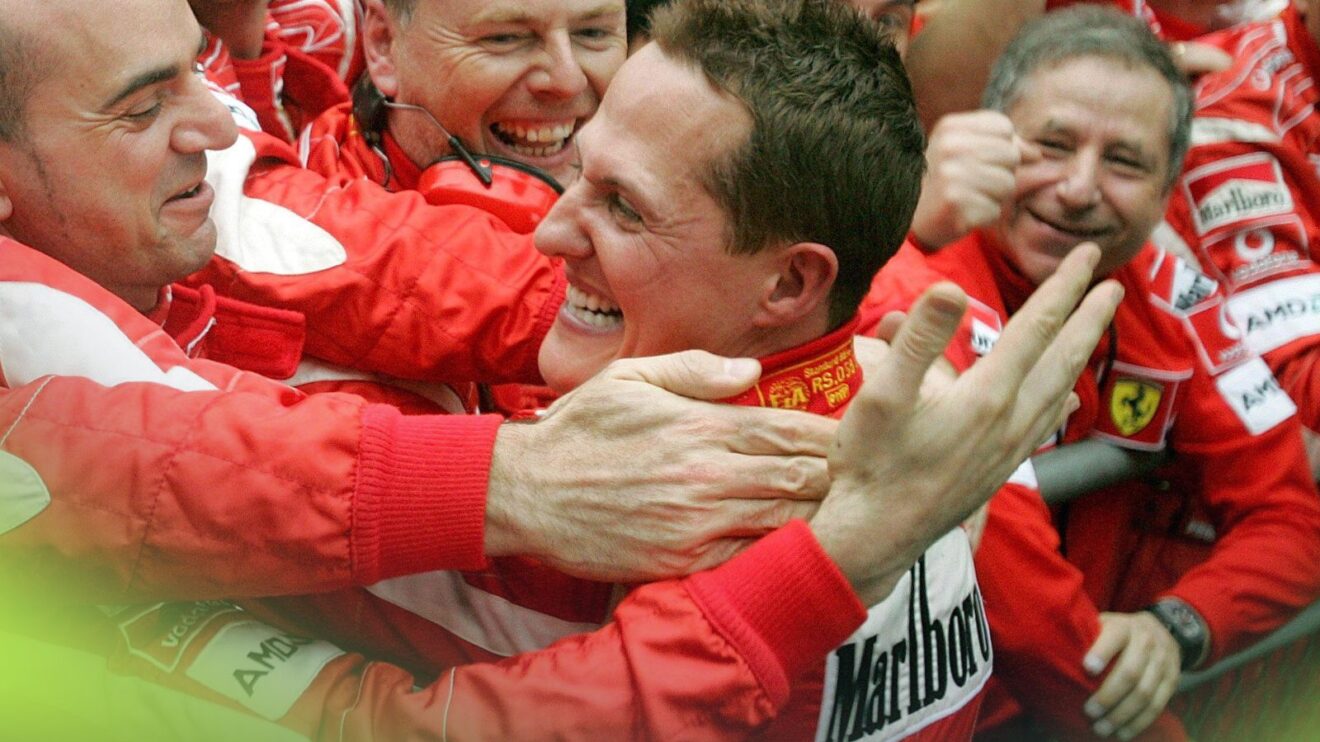
Modern rookies face an environment Michael Schumacher never encountered in his near flawless 2004 season. Back then, Ferrari’s timing sheets reflected driver feel first and real time telemetry second. Schumacher posted lap after lap with metronomic consistency because the car served the pilot rather than the other way around. Today the equation has flipped.
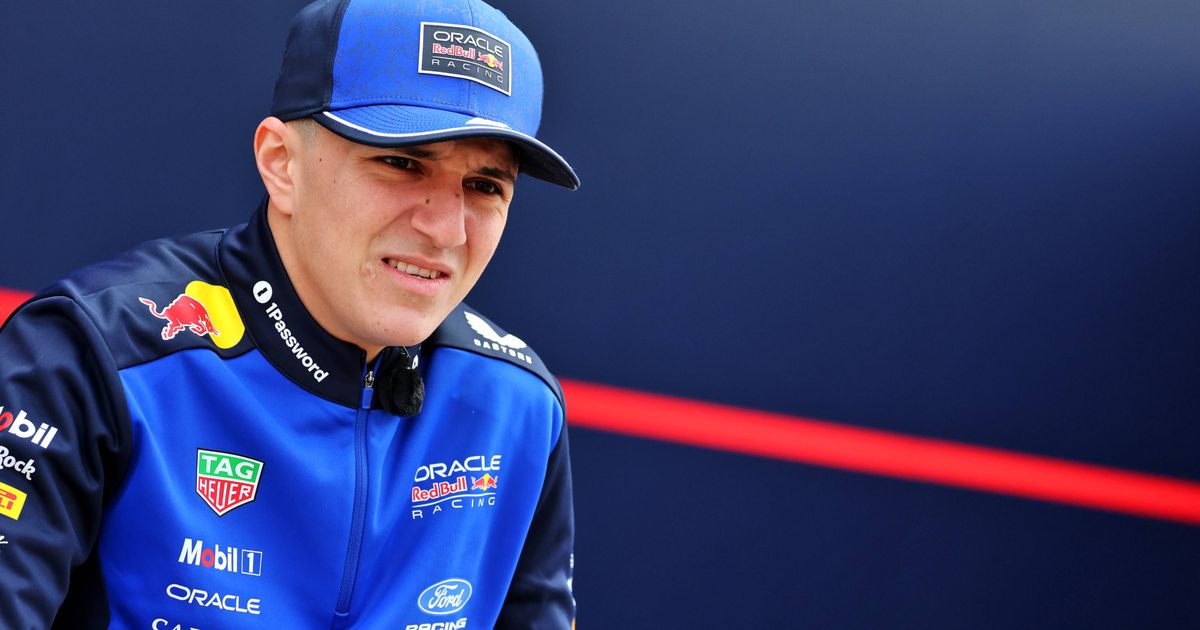
Hadjar’s frustration boiled down to one core point: his race was ruined for data collection while Antonelli drove a machine capable of recovering positions with relative ease.
This tension foreshadows the sterile future already creeping in. Within five years, algorithmic pit calls and predictive models will suppress the very intuition that once defined great drivers. Antonelli’s aggressive lunge and Hadjar’s subsequent data drought illustrate the risk. When every split second decision is second guessed by dashboards, raw pace becomes secondary to compliance with the model.
Emotional archaeology of the numbers reveals the human cost. Hadjar’s post race comments carried the weight of a driver whose weekend rhythm had been shattered. The Frenchman told media that Antonelli appeared overexcited, a fair reading when the telemetry shows Antonelli’s early lap deficit followed by a sudden throttle application that left no margin. Such spikes often trace back to the intense pressure placed on young talents fighting for long term seats.
What the Sheets Predict for the Grand Prix
Heading into the main race, the data offers clear warnings rather than drama.
- Antonelli starts from pole and must convert that position without further contact if he hopes to claim his first victory.
- Hadjar lines up ninth with his team still assessing floor integrity and aerodynamic balance.
- Any lasting imbalance will force conservative setups, limiting the Red Bull driver’s ability to challenge for points and further skewing comparative long run data.
The dynamic between these two will not be settled by apologies. It will be measured in sector times and tire wear graphs over the remaining races. When intuition is increasingly replaced by telemetry directives, moments like the Shanghai clash become more frequent, not less.
The timing sheets remain the only honest record keepers in this environment. They show exactly where pressure cracked the surface and where recovery hid the damage. Everything else is just noise layered over the numbers.
Join the inner circle
Get the deep dives and technical analysis from the world of F1 delivered to your inbox twice a week.
Zero spam. Only high-octane analysis. Unsubscribe anytime.
Continue Reading
View More News