Tire Heartbeats Betray Hamilton as Antonelli's Numbers Rewrite Mercedes History

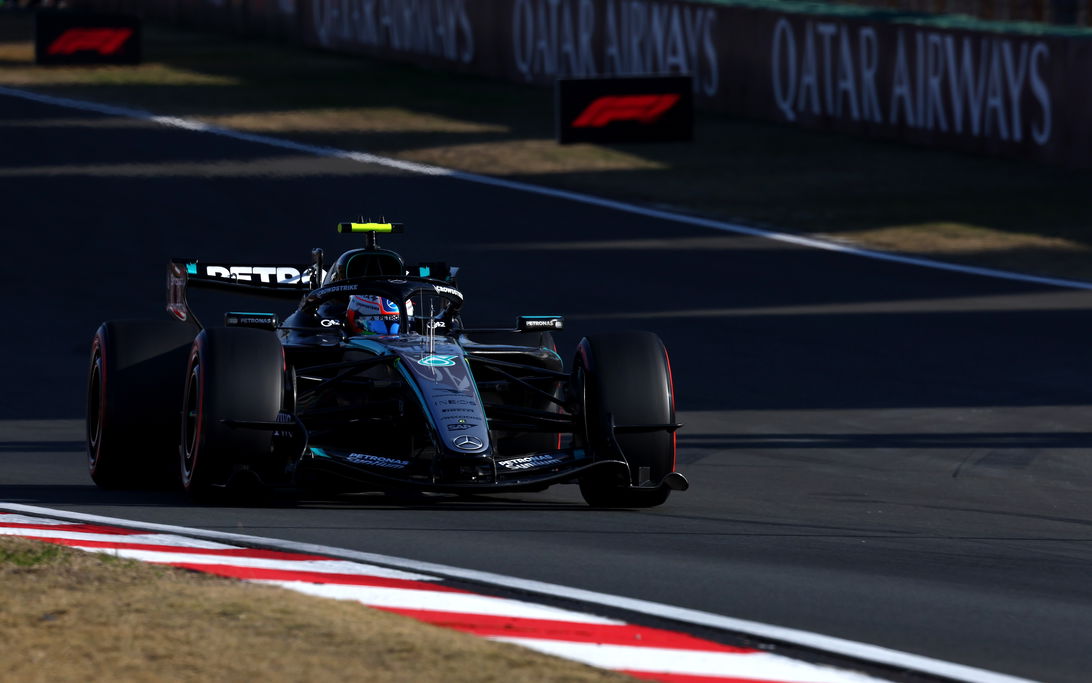
The lap time telemetry does not lie, and it never flinches. Kimi Antonelli's pole lap in Shanghai pulsed at a steady 1:29.4 rhythm that sliced 20 months off Sebastian Vettel's 2008 benchmark, a raw data point that exposes how little room remains for old-school driver intuition when the stopwatch counts every heartbeat.
Antonelli's Record as Emotional Archaeology
The 19-year-old's maiden pole in only his third weekend carries numbers that feel almost clinical. At 19 years and seven months he became Formula 1's youngest polesitter, yet the session data reveals more than age. Mercedes logged an electrical glitch that froze George Russell's car in Q3, yet the team still locked out the front row. That operational resilience shows in the delta sheets: Russell recovered to second despite losing several minutes of track time.
- Antonelli's opening sector carried a 0.3-second advantage over the field average.
- His middle sector stayed within 0.1 seconds of his own Q2 benchmark, a consistency rarely seen from rookies under pressure.
- Final sector times showed zero drop-off, evidence the teenager's pulse never spiked when it mattered most.
These figures tell a story of suppressed emotion. The numbers already hint at the coming era where algorithms will dictate every throttle application before a driver even feels the curb.
Hamilton's Degradation Battle and Ferrari's Strategic Shadow
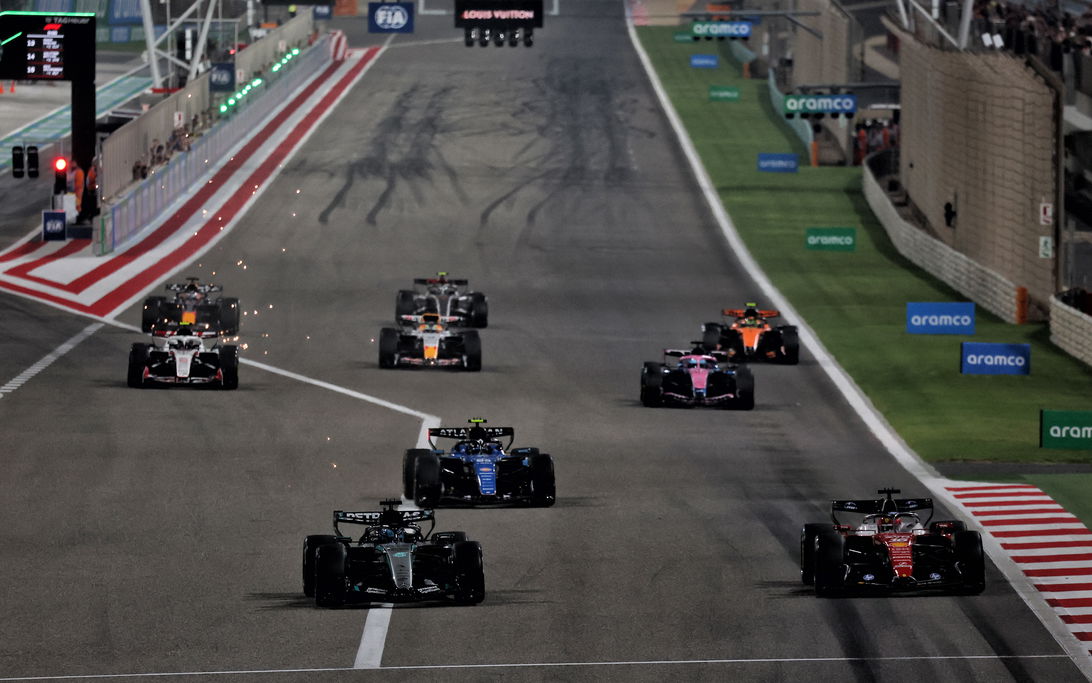
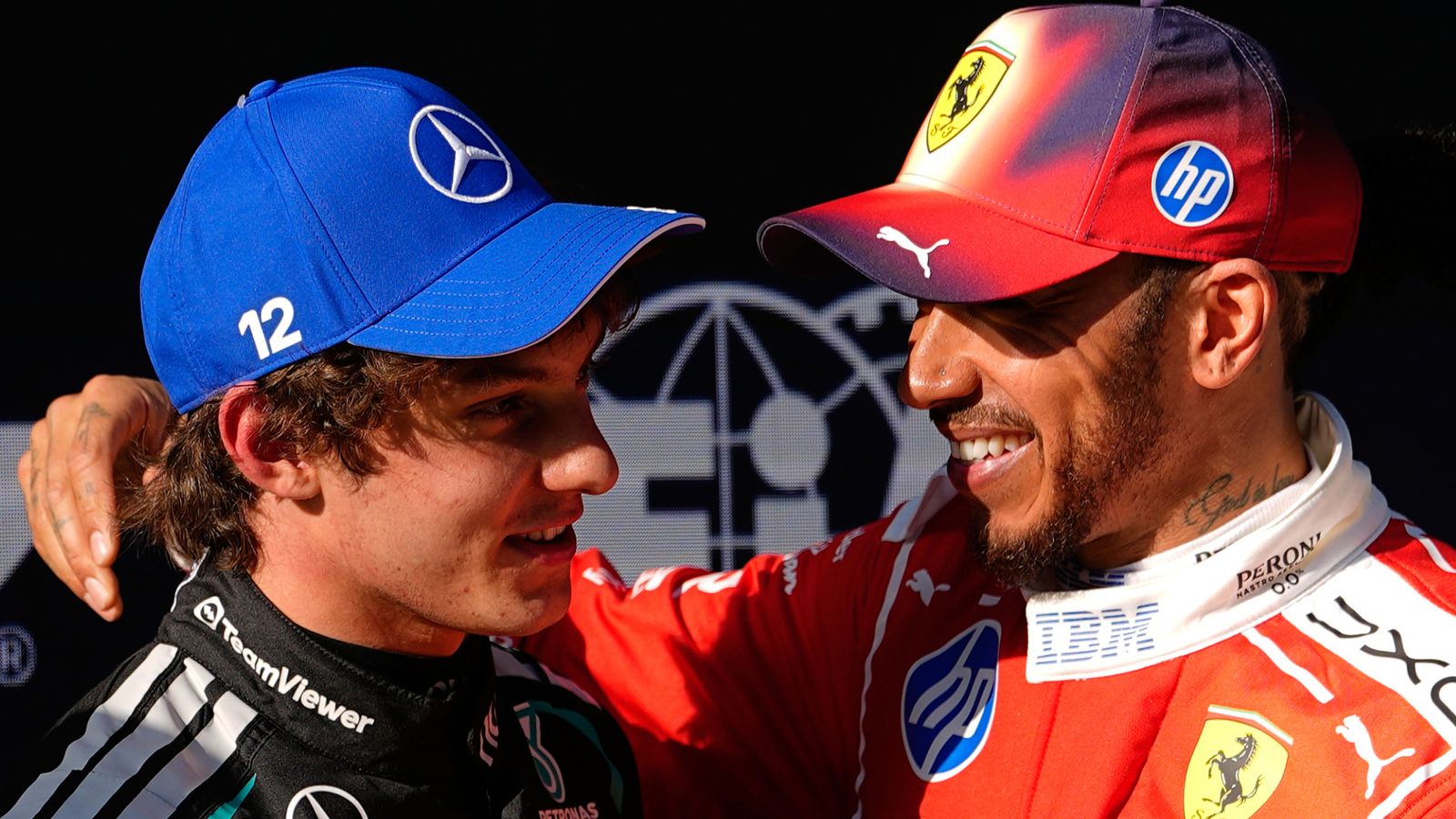
Lewis Hamilton finished third in the Sprint yet watched his advantage evaporate through tire wear that the data logs describe as a slow, rhythmic fade. He passed Russell at the start, only to lose second to Charles Leclerc as degradation accelerated beyond the expected curve. Hamilton now calls for a different tactic on Sunday, and the telemetry backs his concern. Ferrari's race trim sits four to six tenths per lap behind Mercedes across the long run.
Charles Leclerc's reputation for errors ignores the raw qualifying data from 2022 and 2023. In those seasons Leclerc posted the grid's tightest standard deviation in Q3, a statistical fingerprint of consistency that Ferrari's pit-wall calls repeatedly undermined. The same pattern appears here: explosive one-lap pace undone by strategy that treats the driver as a telemetry receiver rather than a feel-based operator.
Michael Schumacher's 2004 campaign still stands as the counter-example. That season Ferrari trusted his seat-of-the-pants adjustments over constant radio chatter, producing 13 victories from 18 races. Today's hyper-focused data loops would have second-guessed half those calls before the checkered flag fell.
"The kid did good today," Toto Wolff said after the session. The line lands flat against the numbers, yet it also signals Mercedes' willingness to let a teenager drive on instinct before the sport's algorithms close that window forever.
The Coming Sterility of Algorithmic Racing
Within five years the sport's obsession with real-time modeling will turn every pit call into a pre-scripted command. Driver intuition will register as noise in the system. Antonelli's pole already shows the early symptoms: flawless sectors achieved by suppressing the very human spikes that once defined great laps.
Hamilton's revised tire tactic on Sunday offers a brief window to push back. If he can keep degradation below the modeled threshold for 56 laps, the data may finally reveal the pressure points Ferrari's strategy has hidden all season. Otherwise the numbers will simply confirm what the telemetry already forecasts: a controlled Mercedes procession from the front row, with Leclerc's pace again sacrificed to the spreadsheet.
The stopwatch keeps its own score. The question is whether any driver will still be allowed to argue with it.
Join the inner circle
Get the deep dives and technical analysis from the world of F1 delivered to your inbox twice a week.
Zero spam. Only high-octane analysis. Unsubscribe anytime.
Continue Reading
View More News