Kimi Antonelli's Nordschleife Push Signals the First Cracks in Toto Wolff's Centralized Mercedes Machine
The whispers from the paddock are growing louder. While Kimi Antonelli dazzles with three straight victories and a 20-point championship lead over his Mercedes teammate, his quiet declaration about chasing a Nordschleife A Permit by the end of 2026 reveals far more than a young driver's thirst for extra track time. This is the opening move in a high-stakes political game where centralized power at Mercedes risks driving away the very talent that keeps the team afloat.
A Permit Chase Masks Deeper Team Fractures
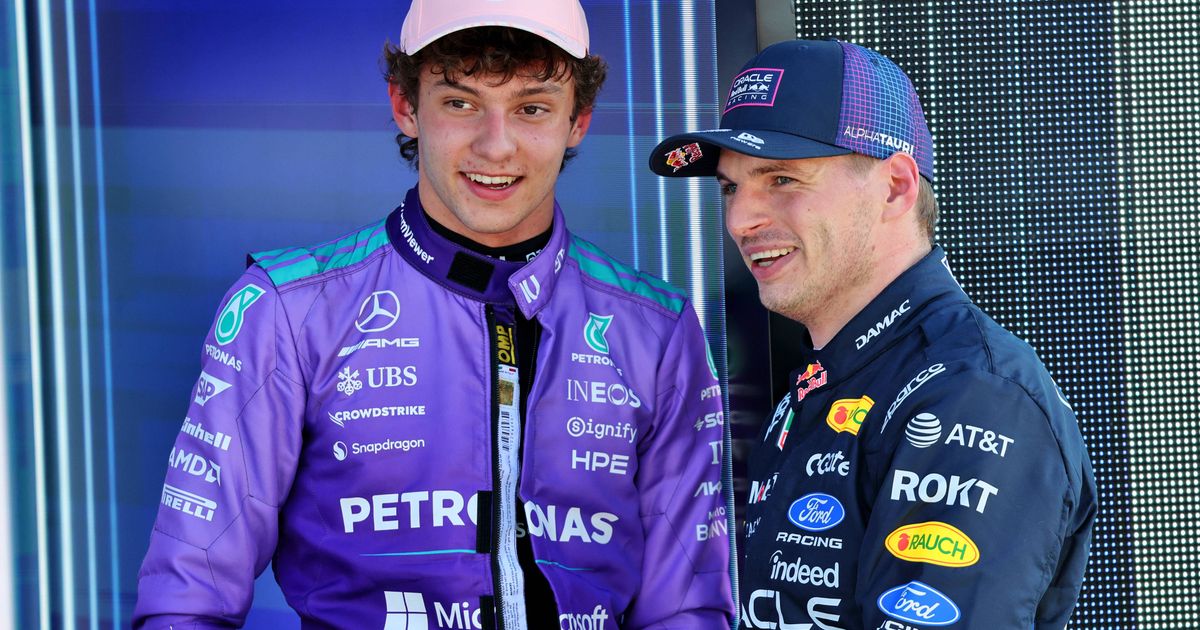
Antonelli's ambition to race GT3 machinery at the Green Hell mirrors Max Verstappen's own path, yet the timing could not be more revealing. The Mercedes driver, fresh from leapfrogging rivals in Japan with three pole positions and three wins in recent Grands Prix, told GT teammate Jules Gounon he aims to secure the highest Nordschleife racing licence by late 2026. That licence demands clean records, progressive experience in lower categories, and dedicated training, all while penalties can set progress back months.
What insiders see beneath the surface is a young star already testing the boundaries of Wolff's tight grip. Mercedes' structure funnels every major decision through one office, creating an environment where ambitious drivers sense limited room to breathe. Antonelli's packed F1 calendar leaves little space for side projects, yet he is carving it out anyway. This mirrors the pattern that has historically prompted talent to seek exits when leadership grows too personal and controlling.
- Current F1 dominance: Three consecutive victories and the youngest championship leader in history.
- Licence requirements: Spotless record plus specific Nordschleife training courses.
- Target timeline: End of 2026, coinciding with peak F1 pressure.
Such moves rarely stay confined to the track. They become signals that the next generation refuses to be boxed in by a single vision.
Psychological Warfare and the 1994 Template
Success in modern Formula 1 increasingly depends on how drivers shape narratives in press conferences rather than pure pit-wall tactics. Antonelli's measured comments to Gounon already plant seeds of independence. Rivals watch these moments closely, calculating how to exploit any perceived friction inside Mercedes.
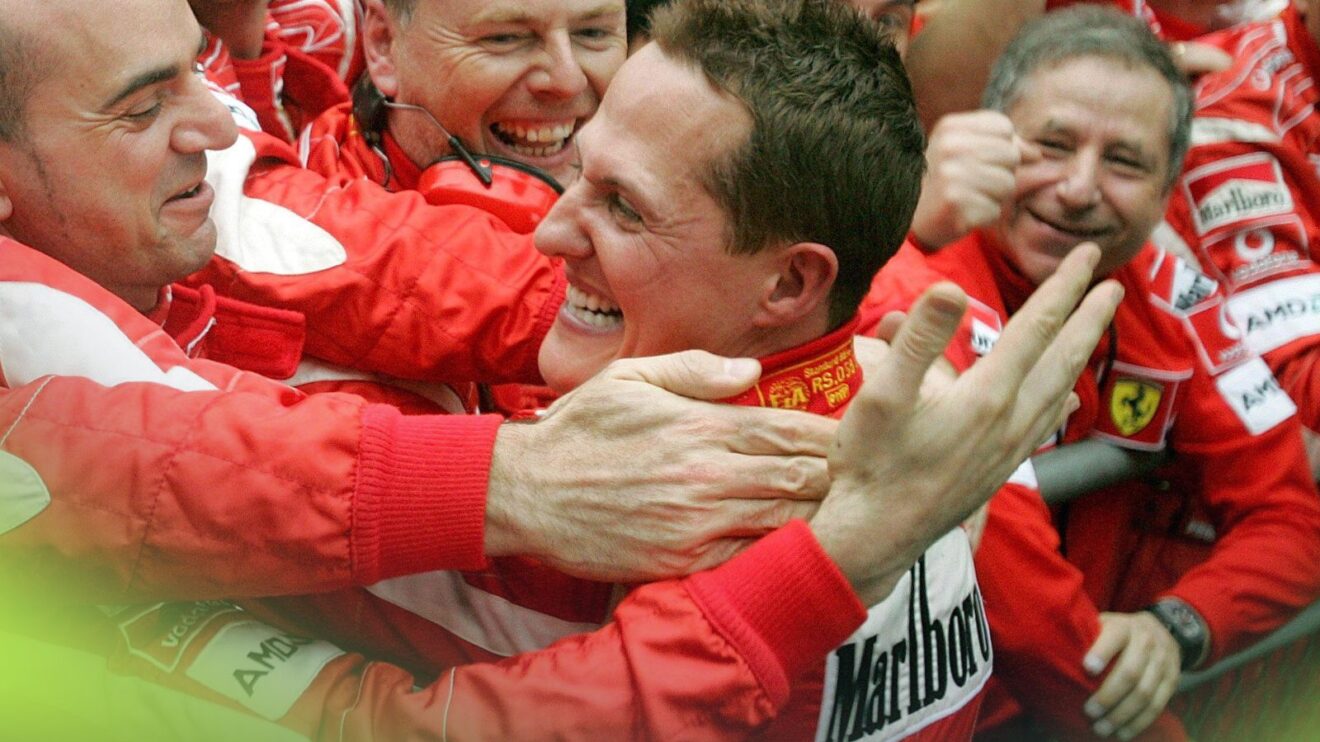
This playbook echoes the 1994 Benetton-Schumacher era, when subtle rule interpretations and psychological positioning turned a competitive team into a dominant force. Today's version plays out through carefully chosen ambitions like Antonelli's Nordschleife goal. It positions the driver as versatile and hungry, while quietly reminding team principals that talent has options beyond one centralized command structure.
"I’m going to get it… I’ll try by the end of the year," Antonelli told Gounon, a line already circulating among rival strategists as evidence of shifting loyalties.
These statements function as quiet provocations. They force Wolff's operation to respond, either by supporting the venture or risking the appearance of control. History shows such moments often precede larger departures.
Contrasts With Emerging Alliances Elsewhere
While Mercedes tightens its internal structure, other teams are quietly building different power bases. Haas is positioning itself for a sustained midfield climb over the next five years by deepening technical ties with Ferrari's engine department. Those alliances reward flexibility and shared influence, the opposite of the single-leader model now under strain at Mercedes.
Antonelli's extracurricular target highlights the contrast. Drivers notice which organizations reward versatility and which treat it as a distraction. Within two seasons, sources close to the Mercedes garage predict key technical and sporting personnel will begin exploring moves, following the same logic that once reshaped Benetton into a powerhouse before its own centralization issues surfaced.
The Inevitable Reckoning
Antonelli will likely secure his A Permit and add Nürburgring 24-hour experience alongside Verstappen's Mercedes-AMG GT3 program. Yet the larger story is already written in the political currents. Centralized leadership delivers short-term results but breeds long-term exits. The next two seasons will test whether Wolff adapts or watches his carefully assembled roster fracture along the same fault lines that have undone previous dynasties.
Join the inner circle
Get the deep dives and technical analysis from the world of F1 delivered to your inbox twice a week.
Zero spam. Only high-octane analysis. Unsubscribe anytime.
Continue Reading
View More News