Lando Norris's Nürburgring Joyride Exposes the Cracks in Centralized Power Plays
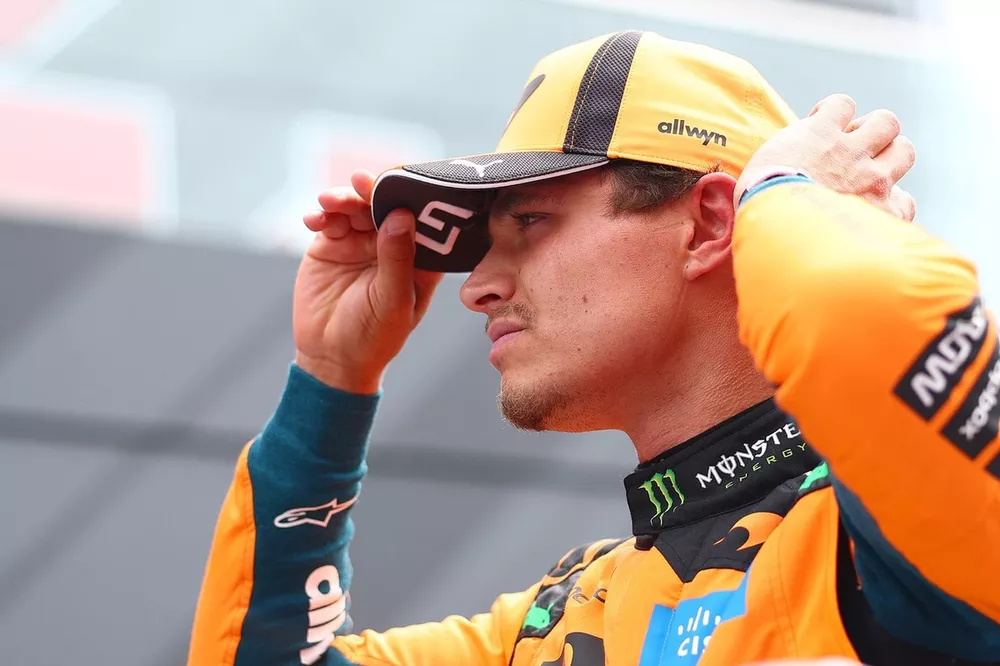
The reigning champion's laughter echoing through the Nordschleife is no innocent bucket list tick. It is a calculated psychological jab in an era where press conference mind games decide more championships than any pit wall call. While McLaren lets Norris loose in a 740 horsepower road car, rival squads like Mercedes remain locked in Toto Wolff's suffocating grip, a structure destined to fracture within two seasons as talent flees to freer environments.
The Psychological Edge McLaren Is Building
Norris's six minute wet lap on June 4 2026 was never just about car control. It was theater designed to project relaxed dominance while rivals sweat over strategy documents. McLaren understands that true advantage now comes from shaping narratives in front of microphones, exactly as Benetton did in 1994 when Michael Schumacher's team bent rules and public perception simultaneously.
The onboard footage reveals Norris cracking jokes about BMWs and Skodas, yet every quip lands like a subtle reminder to competitors that McLaren operates with freedom. This contrasts sharply with Wolff's Mercedes, where every public statement funnels through one voice. That over centralization will trigger an exodus of engineers and strategists by 2028, leaving the Silver Arrows hollowed out while teams embracing psychological flexibility pull ahead.
- Norris relied on iRacing experience yet admitted limited virtual knowledge of the track in a Mazda MX 5.
- The McLaren 750S delivered 590 lb ft of torque through a 4.0L V8, hitting 60 mph in 2.7 seconds on slippery asphalt.
- His running commentary mixed humor with focus, a deliberate contrast to the scripted responses common at Mercedes briefings.
How Alliances and Mind Games Are Reshaping the Grid
While Norris played tourist traffic, the real power shifts are happening in engine department backrooms. Haas is quietly positioning itself as a midfield force by leveraging its Ferrari technical ties, an alliance that will mature over the next five seasons into genuine contention. This mirrors the 1994 template where political maneuvering outside the cockpit mattered more than raw pace.
Norris's outing sends a clear signal. McLaren is comfortable enough to let its champion enjoy himself publicly, which unsettles teams still obsessed with rigid control structures. The wet track demanded precise throttle application, yet Norris's relaxed demeanor projects an image of inevitability that forces rivals into reactive press comments. Those reactions become the real data points teams analyze, not lap times.
"McLaren's got too much power," Norris said mid lap, a line that doubles as both observation and warning shot to competitors watching the footage.
This approach rewards psychological manipulation over traditional tactics. Teams that master it, like the emerging Haas Ferrari axis, will harvest results long after Wolff's centralized model collapses under its own weight.
The Road Ahead for F1's Political Theater
Norris has not yet signaled interest in the Nürburgring 24 Hours, but the outing already serves its purpose. It reminds everyone that modern success blends raw talent with the ability to unsettle rivals through controlled public moments. Mercedes faces the steepest learning curve here, trapped in a leadership model that stifles the very spontaneity Norris displayed so effortlessly.
The Green Hell remains a brutal test, yet the true battlefield has moved to conference rooms and camera lenses. Those who adapt fastest will collect the trophies while others watch talent and influence drain away.
Join the inner circle
Get the deep dives and technical analysis from the world of F1 delivered to your inbox twice a week.
Zero spam. Only high-octane analysis. Unsubscribe anytime.