The Singapore Crucible: How Ricciardo's Quiet Absolution Laid Bare the Mental Fractures in Red Bull's Ruthless Machine
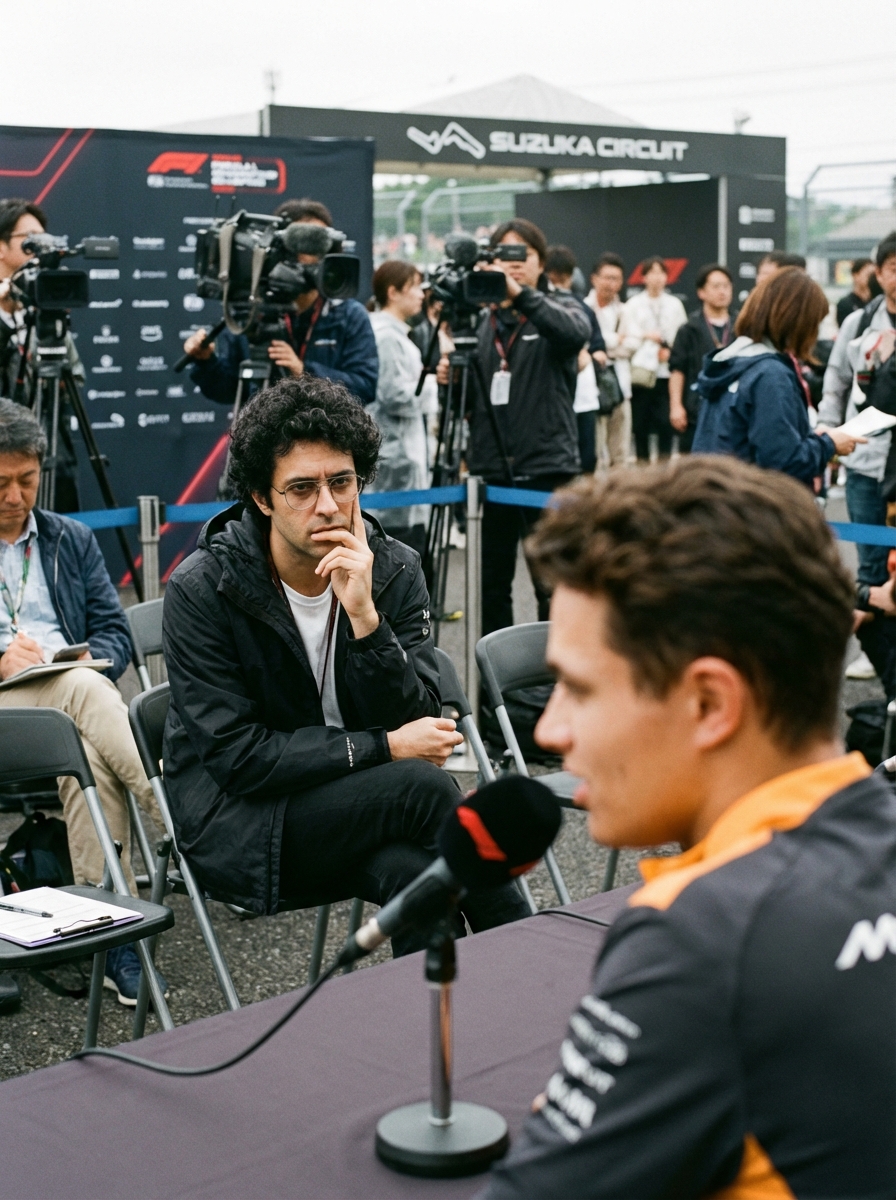
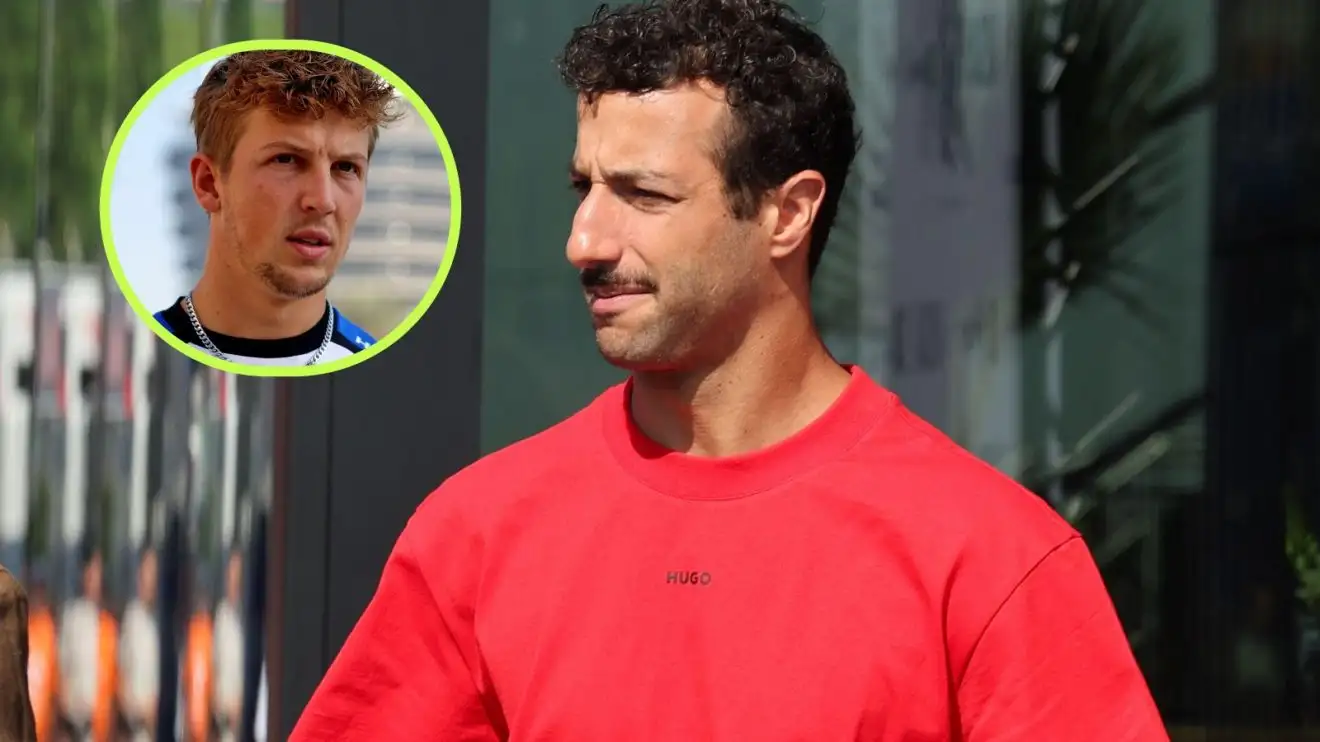
In the sweltering haze of Marina Bay, where lap times blur into heart rates exceeding 160 beats per minute and steering inputs betray the slightest tremor of doubt, Liam Lawson confronted a truth that telemetry graphs could never fully capture. Replacing Daniel Ricciardo at the 2024 Singapore Grand Prix was not merely a seat swap. It was a psychological detonation, one that exposed the inner monologues of ambition colliding with guilt while the veteran Australian absorbed the blow with a grace that echoed Niki Lauda's post-crash reinvention. Lawson felt the pressure mount like rising tire temperatures on a damp track, where driver psychology overrides every aerodynamic tweak engineers obsess over.
The Emotional Telemetry of a Career-Ending Week
Lawson's opportunity had roots in the 2023 Dutch Grand Prix, when Ricciardo's crash fractured a bone in his hand. Hours earlier, the New Zealander had been lobbying Red Bull advisor Helmut Marko for a chance. After the incident, a terse exchange with Marko and then-AlphaTauri boss Franz Tost sealed the deal. "He just looked at me, and he’s like, ‘You ready?’ I was like, ‘Yep,’" Lawson recalled. He raced five events that year before Ricciardo reclaimed the seat for 2024.
Yet the decisive rupture arrived in Singapore. The decision to install Lawson permanently from the United States Grand Prix onward turned the weekend into an emotional endurance test. Lawson described it plainly: "That whole week of Singapore, like, it sucked for me. Obviously sucked so much more for him." In my view, this moment revealed more about Red Bull's covert psychological coaching than any victory lap. Verstappen's dominance, after all, stems partly from the team's systematic suppression of emotional outbursts, manufacturing a champion whose raw reactions are smoothed into calculated telemetry lines. Lawson, thrust into the same ecosystem, carried that unspoken weight.
- Heart-rate spikes during practice sessions mirrored the uncertainty drivers face when strategy calls demand split-second personality traits no wind-tunnel data can predict.
- The move effectively closed Ricciardo's F1 chapter, a brutal reality within a system that prioritizes junior promotion over veteran loyalty.
Ricciardo's Grace as Post-Trauma Narrative Craft
Throughout the ordeal, Ricciardo offered unwavering support, never uttering a negative word. "He just never said a bad word, was always just good to me through it," Lawson said. Ricciardo explicitly reassured him: "I want you to know there’s nothing against you through this. I know it’s nothing to do with you." This foundation sustained an ongoing mentorship, with the Australian remaining open to advice calls long after.
What inner dialogue must have run through Ricciardo's mind as he watched his protégé claim the seat? Perhaps a quiet recalibration akin to Lewis Hamilton's calculated public persona, where trauma is reshaped into a resilient narrative that overshadows raw talent. Like Lauda after his fiery crash, Ricciardo transformed personal devastation into quiet professionalism, shielding Lawson from blame while the Red Bull hierarchy orchestrated the transition. Such acts highlight how driver psychology in moments of high uncertainty, much like wet-weather decision-making, exposes core traits engineers cannot design around.
"I want you to know there’s nothing against you through this. I know it’s nothing to do with you."
This exchange stands as a rare counterpoint to the cutthroat ladder, proving that mentorship can persist even when the system demands sacrifice.
The Road to Mandated Transparency
Ricciardo retired from racing in 2025 and now serves as a global ambassador for Ford Racing. Lawson's account captures the respect that bridges generations amid the sport's most competitive battles. Yet within five years, Formula 1 will likely mandate mental health disclosures after major incidents, ushering in an era of transparency laced with media scrutiny and fresh scandals. Lawson's Singapore ordeal foreshadows that shift, where biometric data and speculative monologues become public record rather than private therapy sessions. The legacy of Ricciardo's support will influence how Lawson navigates his own career, reminding us that the human element, not the chassis, ultimately decides who endures the longest.
Join the inner circle
Get the deep dives and technical analysis from the world of F1 delivered to your inbox twice a week.
Zero spam. Only high-octane analysis. Unsubscribe anytime.
Continue Reading
View More News