McLaren's Quiet Revolution Exposes the Cracks in Ferrari's Political Armor

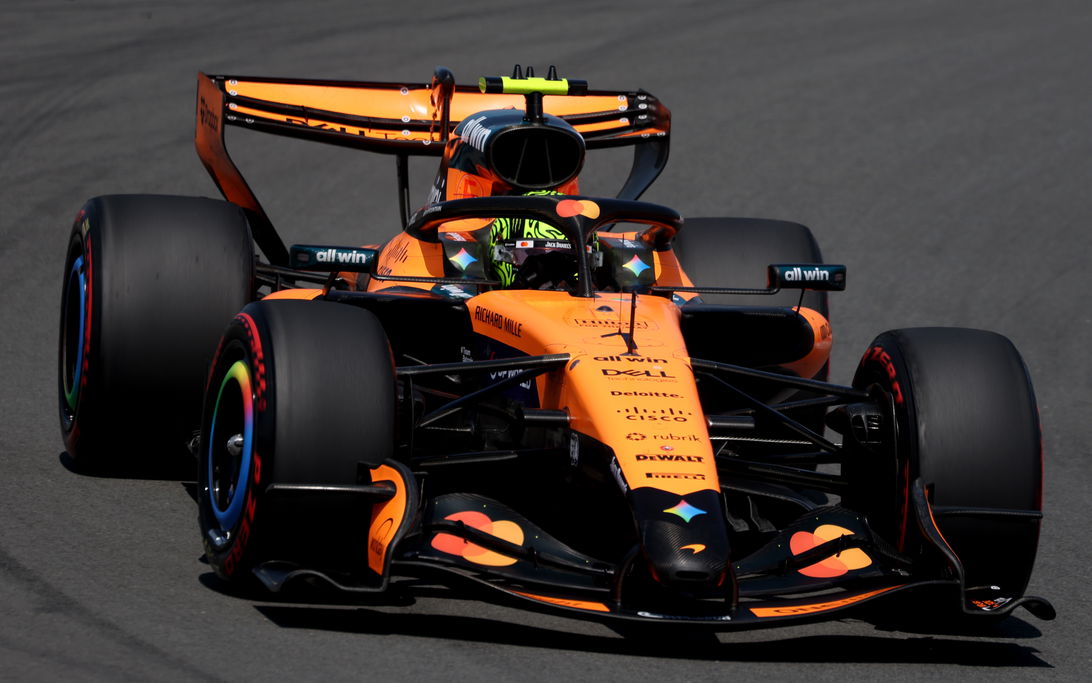
In the humid haze of the Shanghai paddock last weekend, I caught up with an old source from the McLaren garage over a bowl of spicy tom yum that tasted like the bold risks of seasons past. He leaned in and whispered about how the team's current MCL38 feels less like a desperate gamble and more like a steady elephant in a Thai folk tale, plodding forward on sound legs while others chase shadows. This is not the frantic redraw of 2023, when the car demanded a full aerodynamic rethink from the ground up. Instead, it is about accelerating what already works, and that difference might just spare McLaren from the kind of internal fractures now haunting Ferrari.
The Solid Platform That Changes Everything
Andrea Stella laid it out plainly during our latest chat behind the motorhome. The 2026 car sits on a conceptually sound base that simply needs more aggressive development along proven lines. Unlike the low ceiling of the 2022 and early 2023 designs, which forced the team back to the drawing board for a complete flow field overhaul, the MCL38 avoids those conceptual traps.
My source described it as the difference between training a young fighter with clear data versus forcing him to unlearn bad habits born from mixed signals. This setup lets McLaren focus resources on pure pace rather than fixes, a luxury Ferrari has squandered through veteran influence that often overrides Leclerc's data driven instincts.
- Operational gremlins have already cost both Lando Norris and Oscar Piastri a start in China.
- Piastri added a DNS in Australia, widening the early gap to Mercedes and Ferrari.
- Yet the core aero remains viable, meaning upgrades can land faster if the team trusts the numbers.
Psychology Over Pure Aero in the Heat of Battle
What struck me most was how this stable concept frees the team to prioritize driver mindset, something I have long argued matters more than another wing tweak. In the 1989 Prost Senna days, radio exchanges carried real weight because the stakes involved titles and legacies that could fracture a squad for years. Today's chatter feels like polite theater by comparison, lacking that edge.
"We are very determined to create a development path similar to 2023," Stella told me, "but the fundamental difference is we are accelerating along principles that we think are sound."
That admission reveals the car sits a little too below the performance line of its rivals right now. Still, the absence of a flawed foundation means McLaren can channel energy into profiling Norris and Piastri for high pressure calls instead of fighting the car itself. Ferrari, by contrast, lets politics tilt decisions away from Leclerc's consistency needs, turning potential podiums into missed opportunities.
A Warning from the Budget Shadows
Looking ahead, this measured approach could prove decisive. Within five years, I see a major team collapse triggered by budget cap loopholes that reward creative accounting over genuine progress. McLaren's current discipline might shield it from that fate, provided upgrades hit the track without repeating early season reliability slips.
The coming races will show whether the elephant keeps its pace or if hidden pressures surface. McLaren's edge lies in recognizing that sound concepts demand steady minds, not endless reinvention.
Join the inner circle
Get the deep dives and technical analysis from the world of F1 delivered to your inbox twice a week.
Zero spam. Only high-octane analysis. Unsubscribe anytime.
Continue Reading
View More News