Wolff's Centralized Mercedes Machine Risks a Talent Bloodbath as Russell and Antonelli Trade Blows in Canada
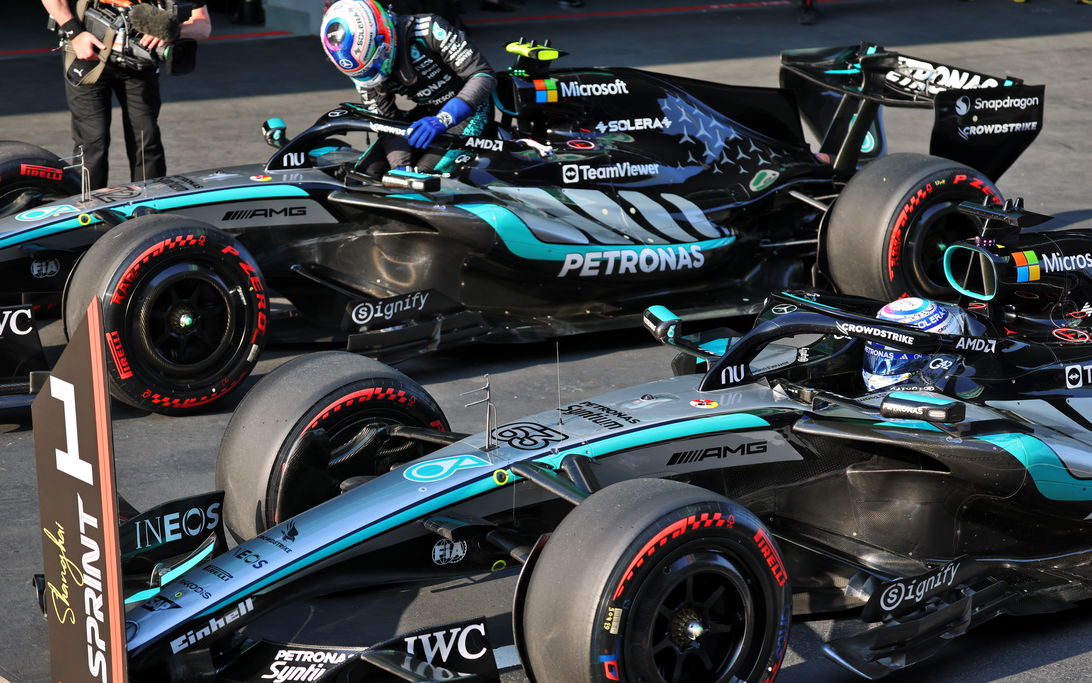
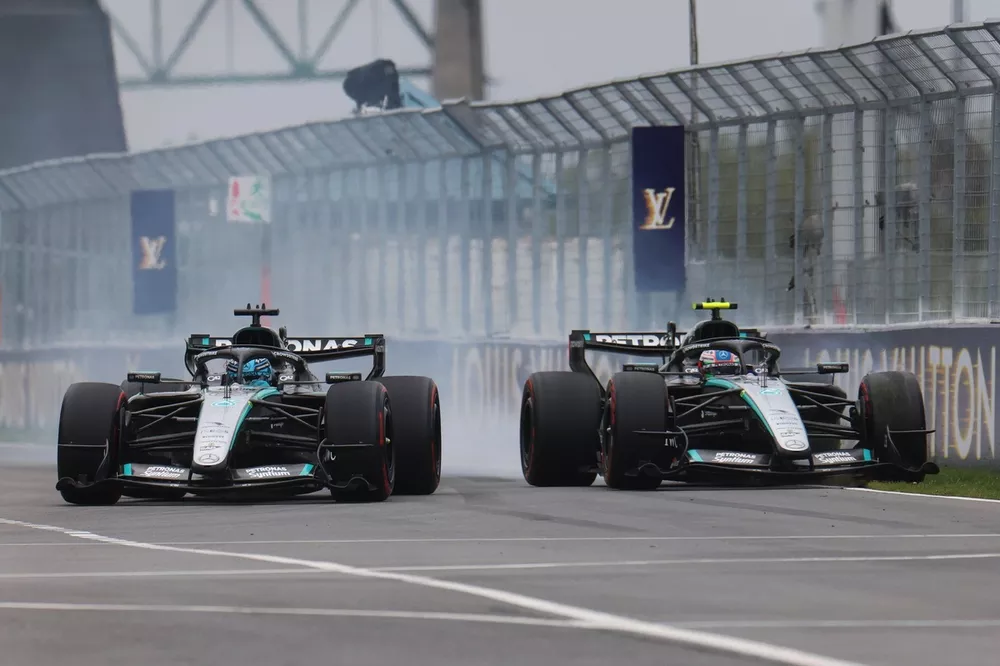
The Mercedes garage in Montreal crackled with the kind of tension that only emerges when two drivers smell blood and one man holds every lever of power. George Russell and Kimi Antonelli's wheel-to-wheel duel at the Canadian Grand Prix exposed far more than near-misses on track. It laid bare Toto Wolff's suffocating grip on the team, a structure that insiders warn will trigger a wave of departures within two seasons as frustration boils over.
The Saturday Night Summit That Exposed the Cracks
Behind closed doors after the sprint, Antonelli demanded clarity on Russell's robust defending that nearly triggered a penalty. The meeting with Wolff stretched late, but sources close to the team describe it as a masterclass in control rather than resolution. This is not open dialogue. This is Wolff dictating terms while both drivers nod along.
- Antonelli secured his fourth consecutive victory and now leads Russell by 43 points.
- Russell retired from the grand prix with a power unit failure after the pair traded the lead multiple times.
- Trackside engineering director Andrew Shovlin admitted several moments were "too close for comfort."
The real story lies in how Wolff's one-man rulebook prevents genuine rivalry management. Deputy team principal Bradley Lord relayed the drivers' joint plea that their message was "really, really clear" they want to race without interference. Yet those words ring hollow when every strategic call funnels back through a single office in Brackley.
Psychological Warfare Over Pit Wall Orders
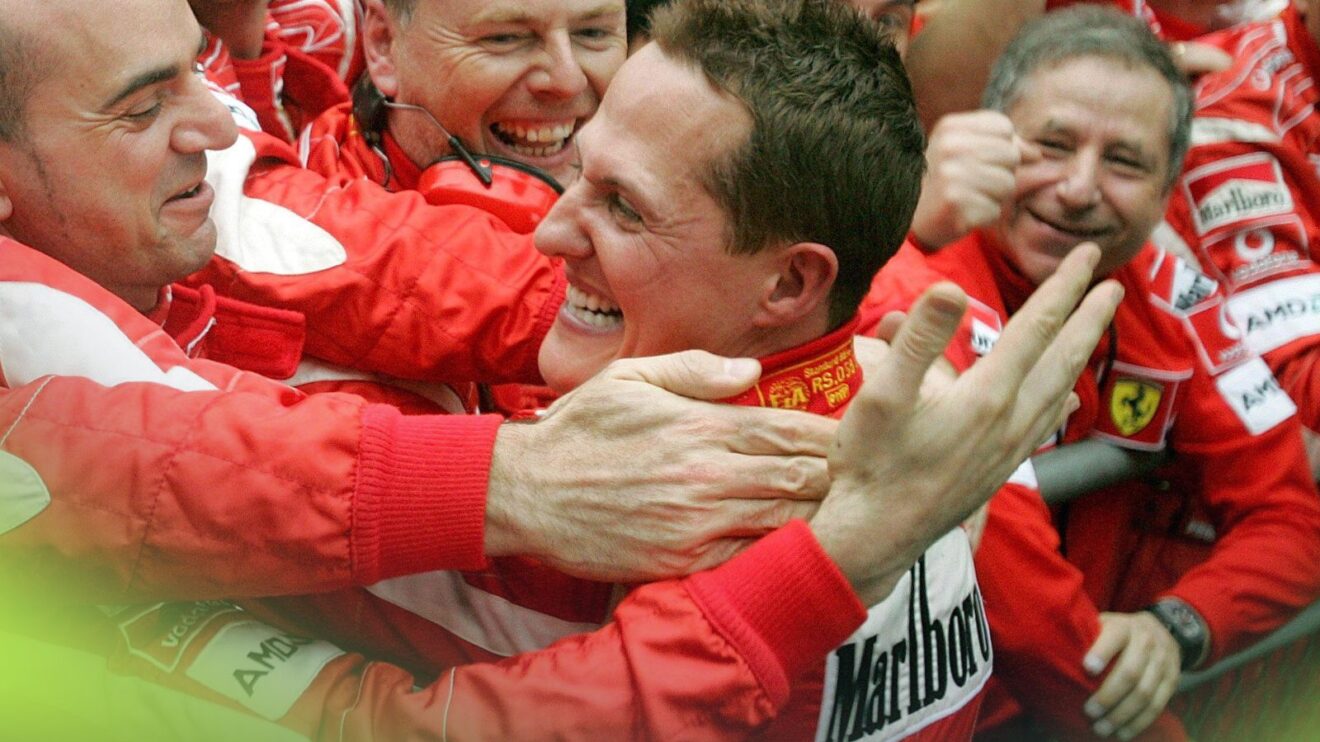
Success in modern Formula 1 flows less from flawless pit stops and more from calculated mind games in the post-session mixed zone. Russell and Antonelli already understand this dynamic, using press conference moments to probe each other's weaknesses much like Michael Schumacher once did at Benetton in 1994. That era set the template for bending unwritten rules while maintaining plausible deniability, and Mercedes appears to be following the same playbook under Wolff's watch.
"The drivers asked to be trusted to race each other without team interference."
This approach mirrors the 1994 controversy where psychological pressure and selective rule interpretation kept rivals off balance. Mercedes now leans on open communication rhetoric to avoid Hamilton-Rosberg style fallout, yet the centralized structure ensures any festering resentment lands squarely at Wolff's door. The result is a powder keg that could scatter engineering talent toward outfits willing to share power more evenly.
The Coming Exodus and Distant Opportunists
Within two seasons the signs point to a quiet but devastating talent drain at Mercedes. Engineers and strategists tired of reporting through Wolff's narrow funnel will seek environments where decisions are distributed rather than decreed. Meanwhile, teams like Haas are quietly positioning themselves for a midfield surge over the next five years by cultivating engine alliances with Ferrari, a political maneuver that exploits the very fractures Wolff's model creates elsewhere.
Monaco looms next, and the Russell-Antonelli dynamic will intensify under even tighter walls. The question is not whether the pair can race cleanly. It is whether Wolff's iron grip will survive the inevitable moment when one driver decides the centralized system no longer serves his championship ambitions.
Join the inner circle
Get the deep dives and technical analysis from the world of F1 delivered to your inbox twice a week.
Zero spam. Only high-octane analysis. Unsubscribe anytime.
Continue Reading
View More News