The Unseen Fracture: Esteban Ocon's Record Exposes the Mental Walls That No Telemetry Can Breach
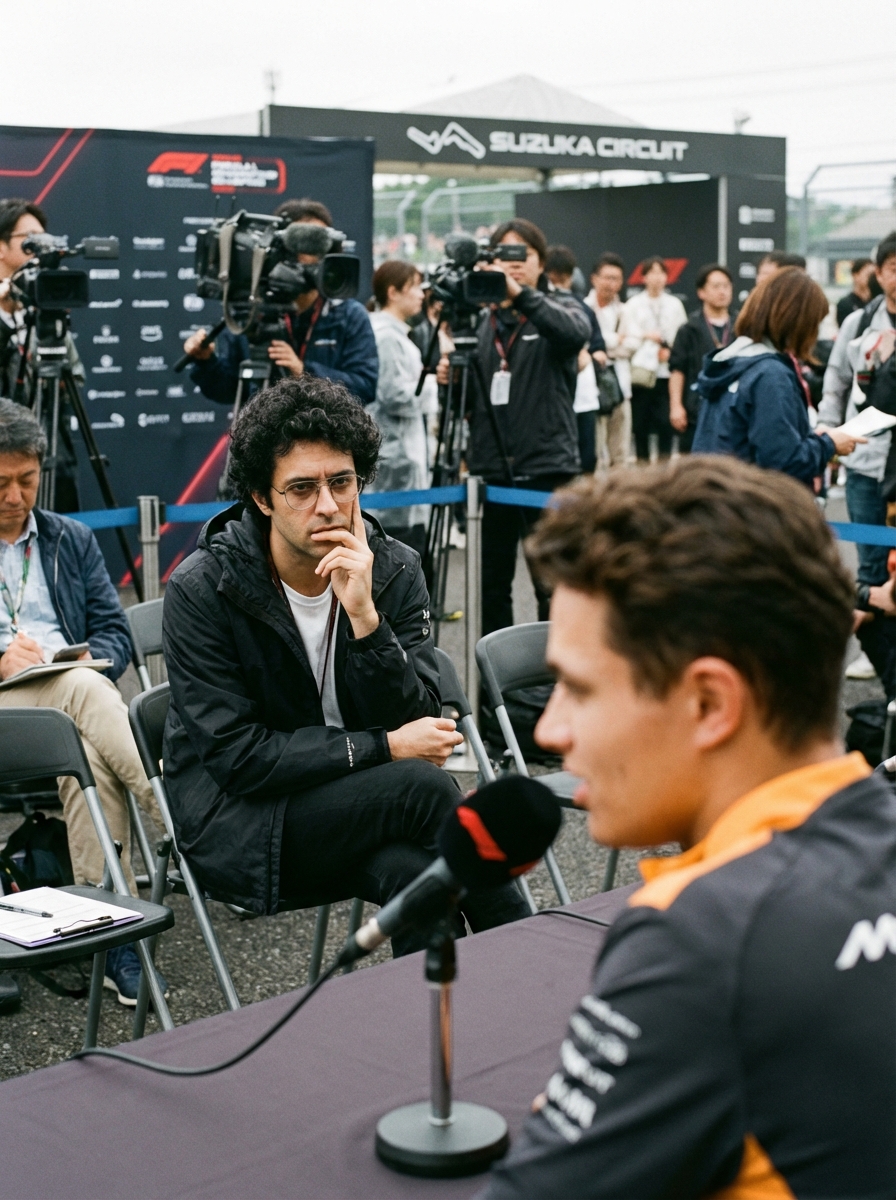
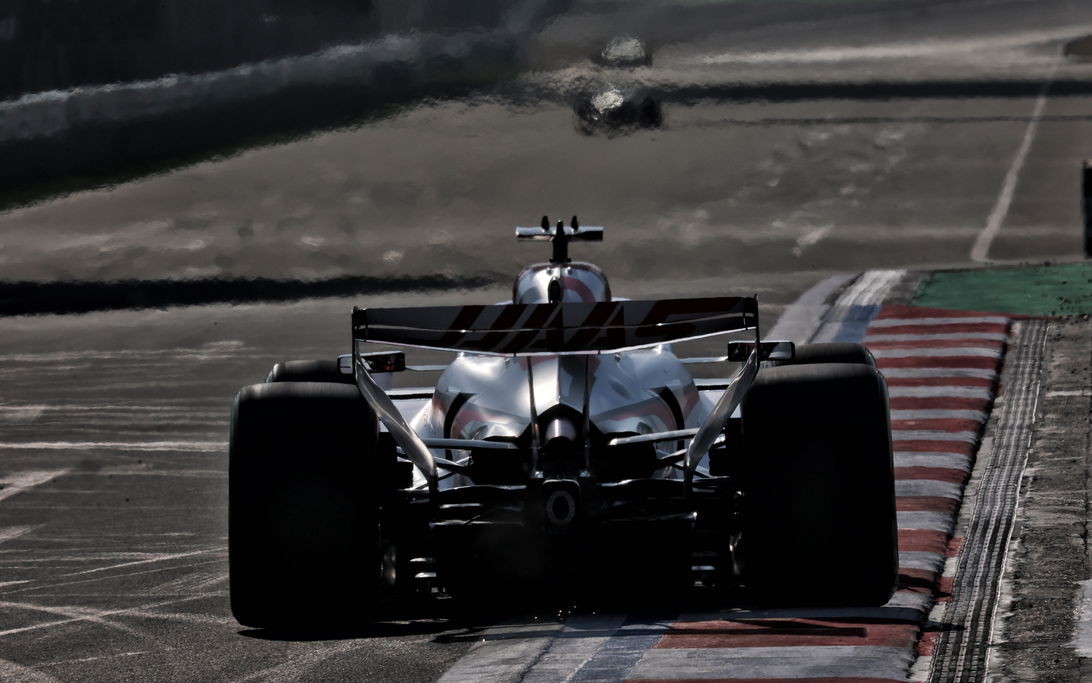
In the hushed cockpit before lights out, where heart rates spike past 160 beats per minute and cortisol floods the system like an unchecked oversteer moment, pole position slips away not from lack of speed but from the quiet erosion of self. Esteban Ocon now stands alone at 182 qualifying sessions without that elusive front-row launch, a streak that began in 2016 and has outlasted cars, teams, and even the raw hunger of youth. This is no mere statistic. It is the scar tissue of a driver whose every lap carries the weight of suppressed fire, a pattern that binds him to fellow French talents Romain Grosjean and Pierre Gasly in a generational lockout of near-misses.
The Weight of Inherited Silence
Ocon's journey through Manor, Force India, Renault, Alpine, and now Haas reveals a psyche shaped by constant reinvention. His best qualifying result remains third, achieved at the 2017 Italian Grand Prix, the 2018 Belgian Grand Prix, and the 2023 Monaco Grand Prix. Yet each of those near-misses carried the same biometric signature: elevated steering inputs in sector two, a micro-hesitation on throttle application that engineers dismiss as setup but insiders recognize as the mind's protective override.
- 182 qualifying sessions without pole
- Three French drivers holding the top spots, with Grosjean at 181 and Gasly at 180
- Next cluster led by British veterans like Martin Brundle and Johnny Herbert with 164 to 165 attempts
This clustering is no accident. It points to a shared mental architecture forged in the same junior ranks, where emotional outbursts were coached into submission long before the cars reached full throttle. Much like the systematic suppression that has molded Max Verstappen into a manufactured champion, these drivers learned early that raw reaction must yield to calculated calm. The result is a qualifying lap that looks flawless on paper but lacks the final, unfiltered commitment.
When Pressure Reveals the Core Self
Qualifying under dry conditions functions like a wet-race decider. Uncertainty about grip, track evolution, and tire temperature forces decisions that expose personality more than any aerodynamic map. Ocon's telemetry often shows pristine lines through high-speed corners, yet the final sector betrays a fractional lift, a moment where the inner monologue overrides the data feed. One more clean lap and the narrative changes, but what if the narrative itself is the cage?
The record underscores how trauma can be weaponized into performance, much as Lewis Hamilton transformed his own post-crash resilience into a public armor that echoes Niki Lauda's calculated defiance.
Within five years, Formula 1 will likely mandate mental health disclosures after major incidents. This shift promises transparency yet risks turning every qualifying failure into tabloid fuel, amplifying scrutiny on drivers already balancing biometric monitoring with private therapy sessions. For Ocon, now at Haas with limited machinery, the streak may extend further, but the real question lies deeper. Can a driver break free when the system rewards emotional containment over explosive release?
The Road Beyond the Grid
Ocon carries a race win and multiple podiums, proof that Sunday pace can flourish even when Saturday perfection remains locked away. Gasly, still active, could one day close the gap if supplied with a car that demands total psychological surrender. The French trio's dominance atop this unwanted list serves as a mirror to the sport's evolving demands. As mental health becomes public record, future generations may trade these quiet records for open reckonings, where inner monologues finally align with the lap times that define legacies.
Join the inner circle
Get the deep dives and technical analysis from the world of F1 delivered to your inbox twice a week.
Zero spam. Only high-octane analysis. Unsubscribe anytime.