The Shadow Games Begin: Piastri's Fuel Crisis Exposes McLaren's Fragile Alliances

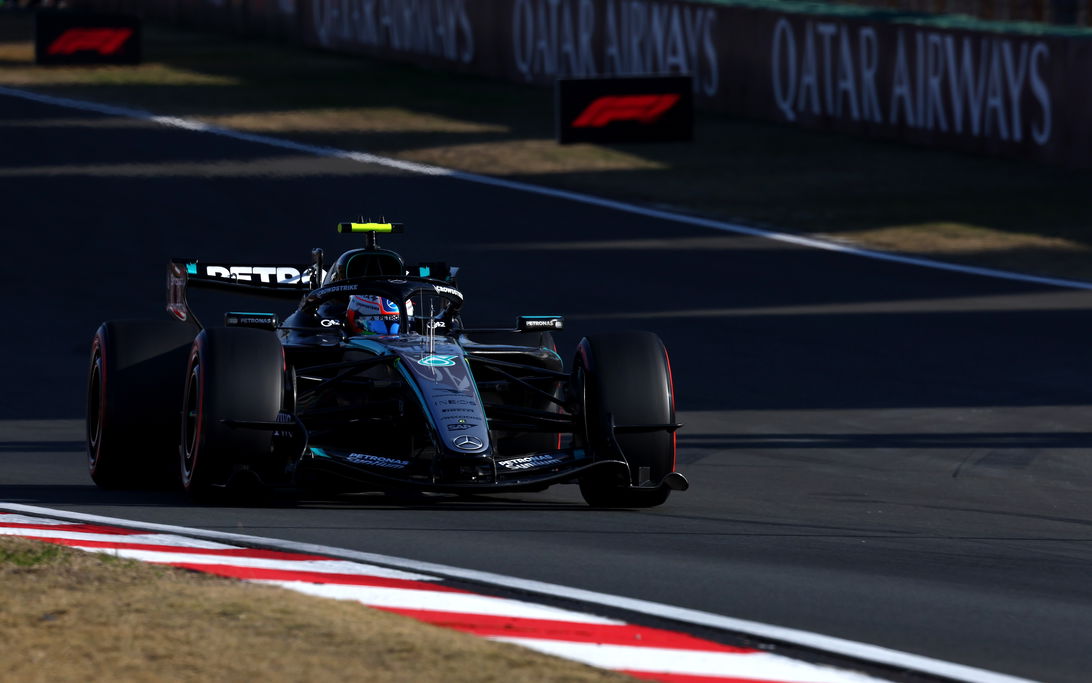
In the paddock's dimly lit corridors, where a single leaked memo can topple empires, Oscar Piastri's Barcelona ordeal reads like the opening move in a high-stakes corporate chess match. The Australian managed just 48 laps in the 2026 McLaren MCL40 before a fuel-systems fault dragged him into the garage on the penultimate day of testing. What looks like a straightforward reliability hiccup hides something far more corrosive: the quiet erosion of team cohesion that has felled giants before.
Reliability as a Symptom of Fractured Loyalties
McLaren's delayed arrival in Spain already told its own story of rushed builds and whispered compromises. Piastri's session collapsed amid the very issues that separate frontrunners from also-rans. The team had missed the opening day entirely to finish the car, leaving precious little margin for the kind of forensic troubleshooting that turns potential into points.
- Lando Norris banked 76 laps the day before and posted the third-quickest time, proof the MCL40 carries genuine pace when the stars align.
- Piastri himself admitted the squad faced "a few issues," with the fuel system delivering the decisive blow.
- Mark Temple, McLaren's Technical Director of Performance, ordered the car stripped rather than risk further damage, choosing knowledge over kilometres.
These decisions rarely spring from pure engineering logic. They reflect the invisible ledger of internal trust, where engineers trade favours with management and drivers absorb the political fallout. Without that bedrock, even the most sophisticated simulations fall short.
Echoes of Williams: Morale Over Machinery
The 1990s Williams squad offers the clearest parallel. Internal power struggles between engineers and management turned a dominant machine into a cautionary tale, exactly as Mercedes has endured since 2021. McLaren now walks the same tightrope. Sponsor expectations and financial models built on fragile alliances threaten to repeat that cycle within five years for at least one top team.
"Nothing too unexpected" caught the drivers out, Temple insisted, yet the real test lies not in lap times but in whether the garage still shares information freely when the pressure mounts.
Covert channels matter more than any new power unit. When morale fractures, critical data stops flowing. Piastri's curtailed day robbed the team of exactly the kind of seat-of-the-pants feedback that separates championship contenders from mid-field survivors. The final Barcelona session must deliver both a fix and renewed internal confidence, or the political fissures will widen before the cars even reach Bahrain.
The Road Ahead Carries Hidden Costs
McLaren's task now is surgical: repair the fuel system, extract every available lap, and begin mapping the 2026 car's radical new philosophy. Yet success will hinge less on carbon-fibre tweaks than on whether the squad can maintain the covert information loops that have always defined the sport's true winners. Red Bull's shielding of Verstappen proves political insulation can mask weaknesses, but McLaren lacks that luxury. One more day of lost running could accelerate the very sponsor-driven collapse that history warns is already overdue.
Join the inner circle
Get the deep dives and technical analysis from the world of F1 delivered to your inbox twice a week.
Zero spam. Only high-octane analysis. Unsubscribe anytime.
Continue Reading
View More News