The Wet Weather Data That Won't Be: When Geopolitics Scrambles the Algorithm

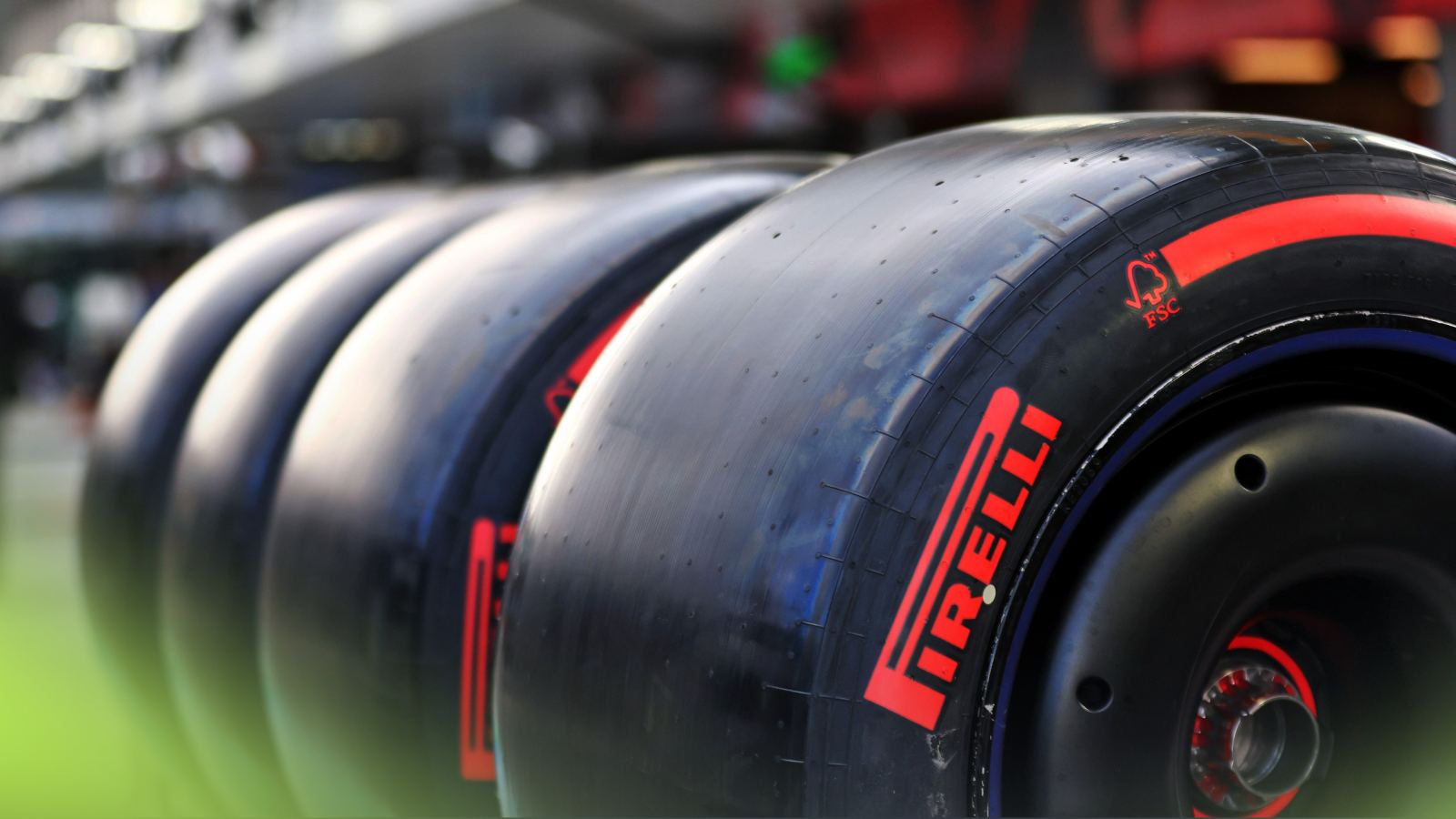
I was elbow-deep in the 2004 season telemetry when the alert came through. Another data point, but not one from a tire sensor. A missile strike. 30 kilometers from the Bahrain International Circuit. The immediate human concern is paramount—thankfully, all Pirelli staff are safe, en route to Italy and the UK—but the data analyst in me felt a different, cold shudder. Not of fear, but of recognition. This is the sound of the real world, messy and violent, crashing into F1's hermetically sealed data bubble. Pirelli's crucial two-day 2026 wet-tyre test, a cornerstone of the new regulations, is now a null set. A blank cell in a spreadsheet that was supposed to predict the next era of racing. You can't run a regression on a crater.
The Lost Heartbeats: What 48 Hours of Silence Costs
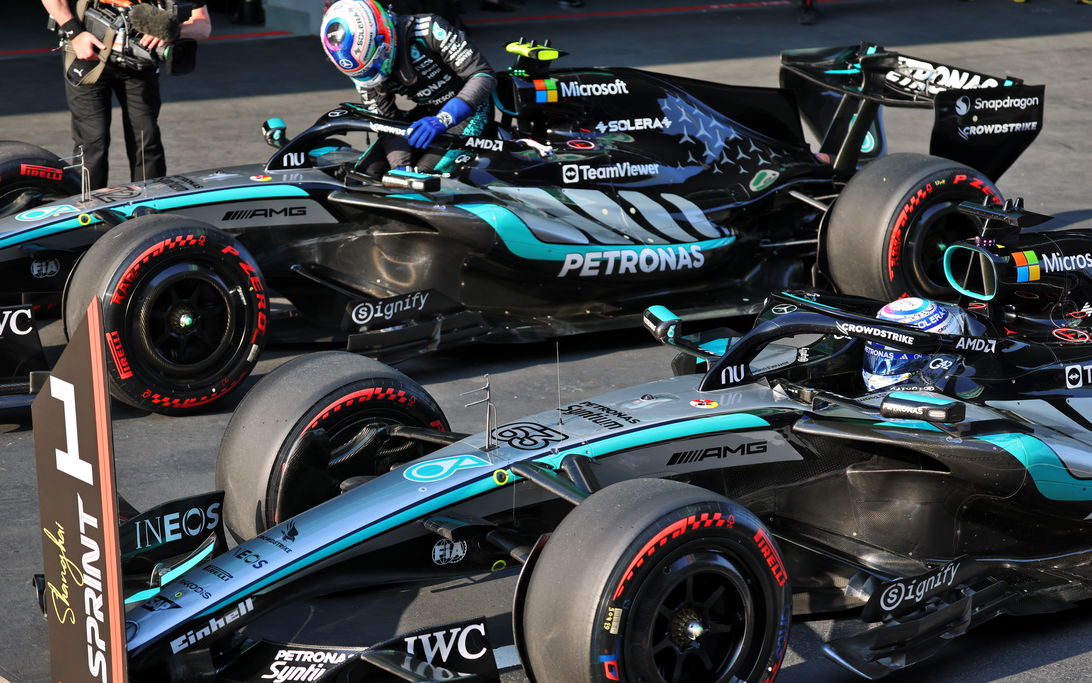
The test wasn't just a corporate box-ticking exercise. It was a vital listening session. McLaren and Mercedes mule cars were to be the stethoscopes, their laps the heartbeats of the 2026 wet-weather package. Each lap time, each load cycle, each spray pattern was a word in a story we haven't read yet.
- The Objective: Gather baseline data for the FIA-approved 2026 wet-tyre programme, a fundamental pillar of the new technical rules.
- The Participants: Mule cars from McLaren and Mercedes, representing a spread of potential 2026 chassis philosophies.
- The Consequence: A compressed, accelerated testing schedule later in the year, which is analyst-speak for "rushed, sub-optimal, and prone to error."
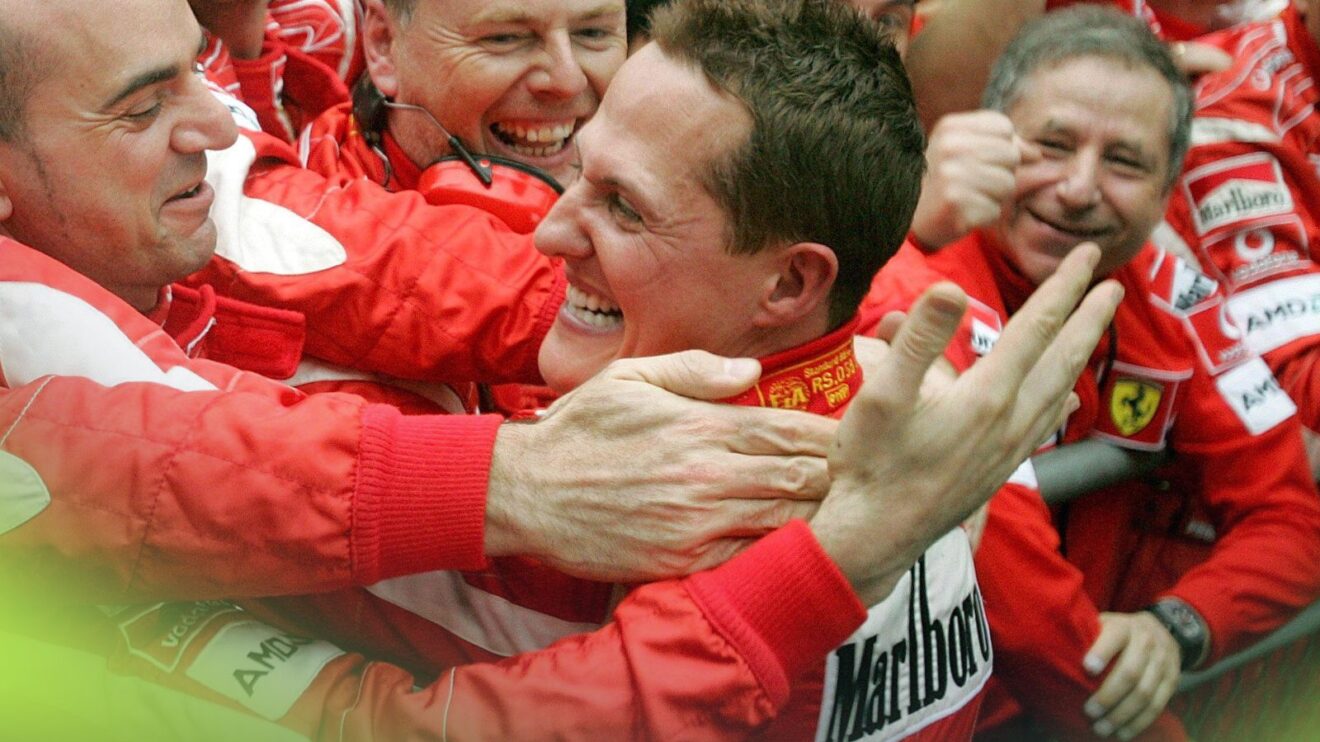
Think of it like this: Schumacher's 2004 dominance wasn't just about the F2004's perfection; it was about thousands of kilometers of meaningful testing. Ferrari understood the tire's soul, its degradation curve as a narrative arc. Now, we've torn out two crucial chapters before the book was even written. Teams will now "lean on existing tyre data," which is a polite fiction. Existing data is for old tires, old cars, old physics. This forces engineers to interpolate, to guess. And when you guess, you build conservatism into the very code of the car. You build a robot, not a racer.
This loss isn't just a logistical headache. It's a direct injection of uncertainty into a sport increasingly obsessed with predictive certainty. The algorithms that will dictate 2026 pit stops and strategy windows just got dumber.
The Illusion of Control: When the Spreadsheet Meets a Missile
The official line, that the Bahrain and Saudi Arabian Grands Prix remain on schedule, is both reassuring and utterly surreal. It speaks to the compartmentalization at the heart of modern F1. The show, the calendar, the commercial behemoth must go on. The data collection, the quiet, diligent science behind it, can be sacrificed.
Don't miss the next lap
Get the deep dives and technical analysis from the world of F1 delivered to your inbox twice a week.
Zero spam. Only high-octane analysis. Unsubscribe anytime.
"Geopolitical risk is the ultimate variable you cannot control-code for. It's the driver's instinct that you've tried to engineer out of the car, screaming back at you from 30 kilometers away."
This incident is a stark, terrifying metaphor for my core fear: F1's hyper-focus on data analytics is creating a sterile, predictable sport, and yet it remains utterly helpless against true chaos. We have terrabytes of data on brake wear, but no column for "regional instability." We can predict a tire's life to the lap but not a missile's trajectory. We are building a master clock to time a world that keeps throwing sand in the gears.
Look at the response: "Reviewing travel logistics." "Ongoing assessment." This is the language of risk management, not racing. It's necessary, of course. But it underscores the shift. The priority is continuity of the business, not the purity of the competition. In 2004, the fight was against the rival team and the track. Now, a key part of the "fight" is against geopolitical forecasts and insurance underwriters. The soul of the sport is being quietly outsourced.
And what of the driver in this? Charles Leclerc's 2022-2023 qualifying data shows a metronome of raw pace, a consistency that gets buried under the narrative of Ferrari's strategic blunders. He, like every driver, will now have to wrestle a 2026 car built on slightly less complete information. The driver's feel, that intangible feedback that should complement the data, will now have to compensate for its absence. We suppress intuition at our peril, and then ask it to save us when the numbers fall silent.
Conclusion: Data as a Fragile Artifact
So, what story do the numbers tell today? They tell a story of absence. A two-day gap in Bahrain. A schedule thrown into accelerated panic. A reminder that for all our sensors and simulations, we are still fragile creatures building a sport in a fragile world.
The lost test is more than a missed session. It's a puncture in F1's increasingly inflated sense of control. Pirelli will mitigate, the FIA will monitor, and the cars will race in Bahrain and Saudi Arabia as planned. But the 2026 wet-weather tire will have a ghost in its machine, a blank space in its development story where real-world terror interrupted the perfect plan.
The data analyst's job is now one of emotional archaeology. We must dig into the numbers we do get next year and listen for the echoes of this silence. We must correlate the performance gaps with this forced ignorance. Because the final truth, the one no timing sheet can ever fully capture, is that the heart of racing still beats in a world that doesn't care about our algorithms. Sometimes, the most important data point is the one you never get to collect.
Join the inner circle
Get the deep dives and technical analysis from the world of F1 delivered to your inbox twice a week.
Zero spam. Only high-octane analysis. Unsubscribe anytime.
Continue Reading
View More News