Lindblad's Gravel Moment Exposes F1's Looming Data Trap

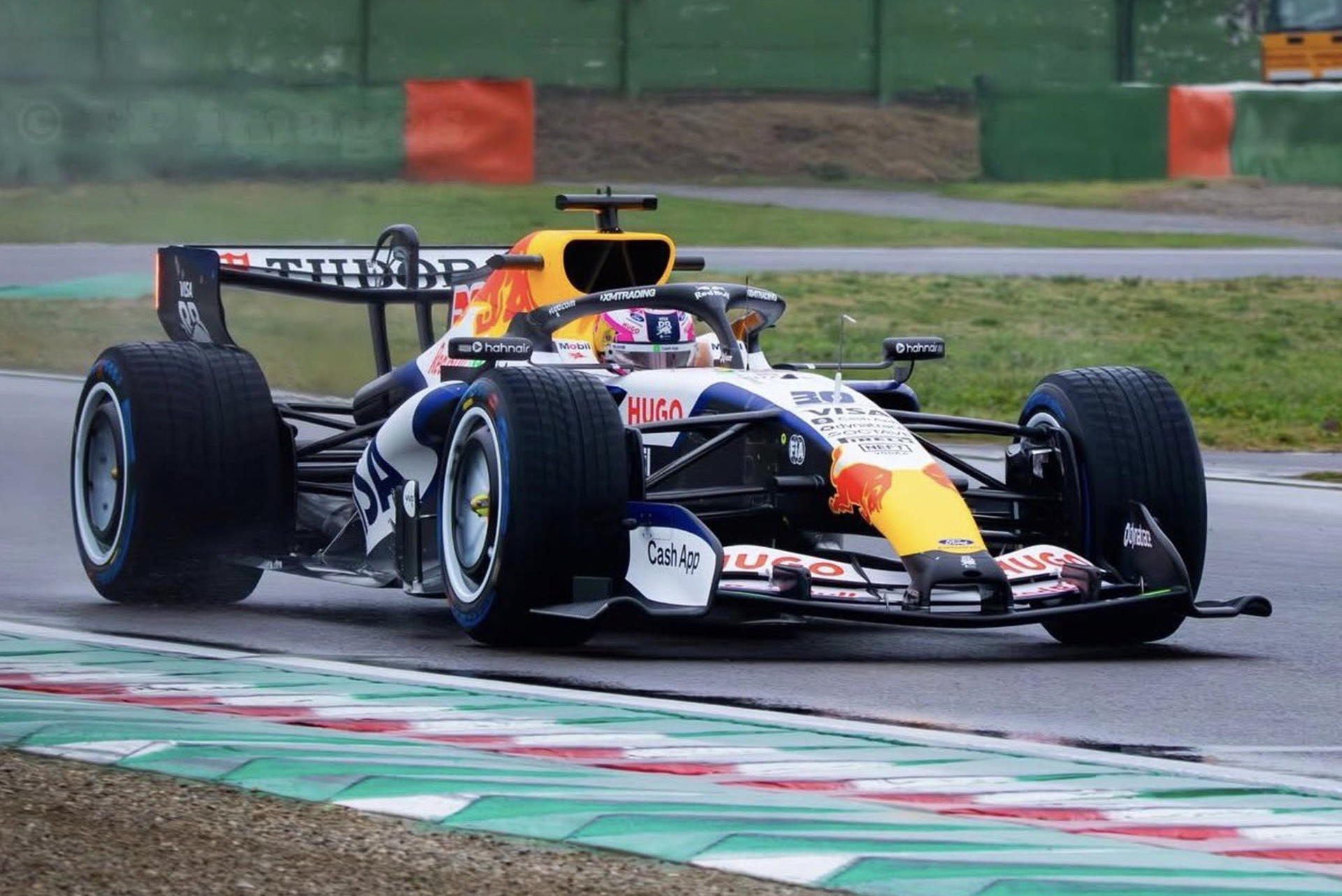
The timing sheets from Imola tell a story sharper than any press release. Rookie Arvid Lindblad lost the VCARB 03 at the Villeneuve chicane on what should have been a quiet installation run, sending the car skating into the gravel like a heartbeat skipping under sudden pressure. That single slide cut the shakedown short, yet the raw data points to something larger than wet-weather nerves. It hints at the quiet war already underway between driver instinct and the algorithmic grip that teams now treat as gospel.
The Raw Data of a Rookie Slide
Numbers never lie, even when narratives rush to soften them. Liam Lawson completed his installation lap without drama in the damp conditions, banking the first clean reference points for the new Red Bull Ford power unit. Lindblad's entry to the chicane arrived just moments later on demonstration tires, and the car rotated with a suddenness that telemetry likely flagged before the driver could correct.
- Pushrod suspension front and rear, narrow sidepod inlets, and that distinctive airbox all checked out visually in the new livery.
- Recovery happened fast enough to stay inside the demo allowance, with no major structural damage reported.
- The session ended early, yet the team still plans the full Wednesday filming day for up to 40 laps total.
These figures matter because they expose how little margin exists once real-time data overlays begin to override the seat-of-the-pants feel that defined earlier eras. The spin itself becomes emotional archaeology: a lap-time drop-off frozen at the exact moment wet-track variables met a young driver's learning curve.
Schumacher's 2004 Standard Still Haunts the Garage
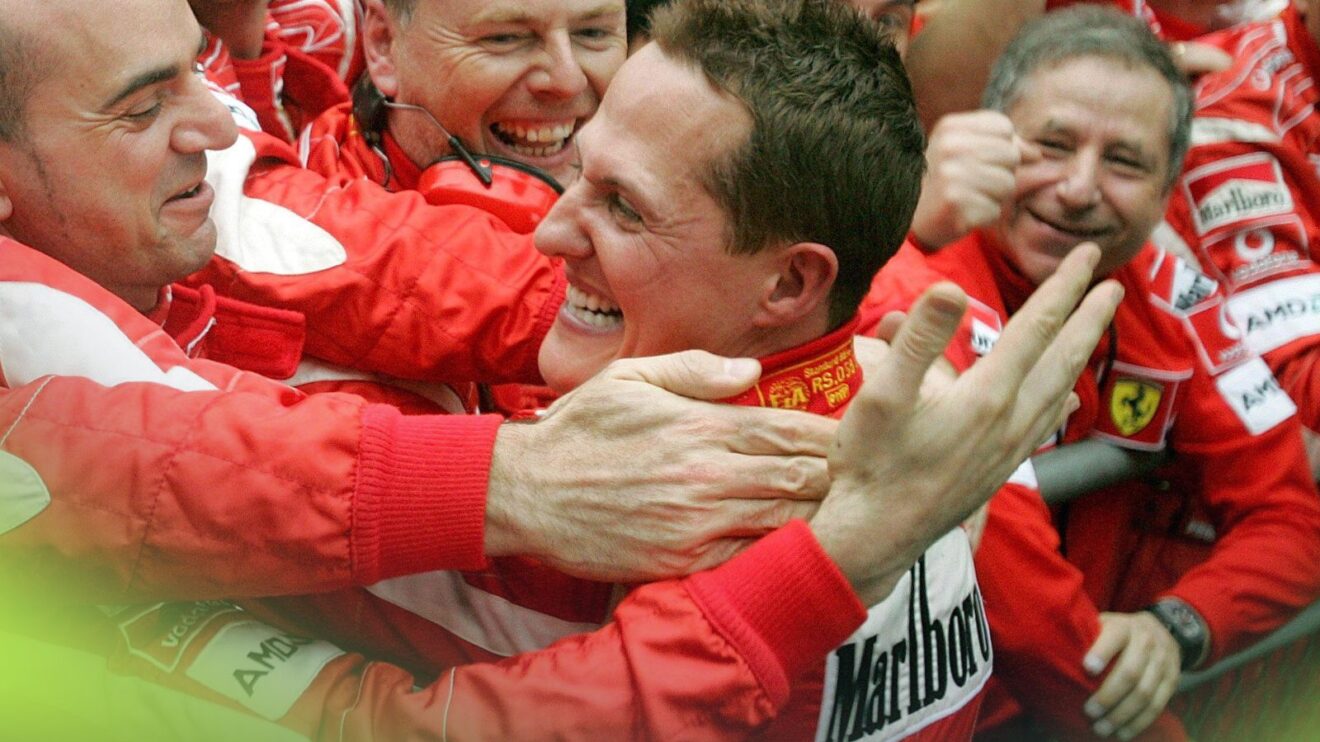
Compare this to Michael Schumacher's 2004 campaign at Ferrari. That season ran on near-flawless consistency built from driver feel first and telemetry second. Schumacher rarely needed the pit wall to tell him when grip was shifting; he sensed it through steering load and tire temperature gradients that modern systems now quantify in milliseconds. Today's hyper-focus on analytics risks turning every session into a scripted sequence where algorithmic pit calls and pre-loaded setup maps suppress exactly the intuition that once separated champions from the pack.
"The car felt alive until the data decided it wasn't," one engineer might say in private. Yet that aliveness is what teams are slowly engineering away.
Within five years the sport will edge closer to robotized racing, where every throttle trace is cross-checked against cloud models before the driver even lifts. The Imola incident shows the early cost: a promising shakedown halted not by mechanical failure but by the gap between what numbers predict and what a human can still salvage.
Eyes on Barcelona and the Next Data Layer
Racing Bulls will chase mileage on Wednesday at Imola before shifting to the private test in Barcelona from January 26 to 30. Those runs will flood the servers with new channels of suspension travel, power-unit integration, and aero mapping. The danger lies in treating every delta as gospel rather than context. Lindblad's spin offers an early calibration point. If the team leans too hard on post-run simulations to erase driver input, the VCARB 03 will simply become another predictable node in an increasingly sterile grid.
The 200 km filming day remains the immediate test. Every completed lap will either reinforce the value of raw feel or accelerate the slide toward data that dictates rather than informs. History favors the drivers who still hear the car over the numbers.
Join the inner circle
Get the deep dives and technical analysis from the world of F1 delivered to your inbox twice a week.
Zero spam. Only high-octane analysis. Unsubscribe anytime.
Continue Reading
View More News