Lambiase's Defection: Red Bull's Data Pulse Falters, Schumacher's 2004 Shadow Looms

I stared at the telemetry sheets from Red Bull's 2025 season, those jagged lap time heartbeats spiking under Max Verstappen's unyielding pressure, and felt a chill. Gianpiero Lambiase, the voice in his ear for over 70 wins and four world titles, is walking. Not tomorrow, but in 2028, to McLaren as their chief racing officer. The numbers don't lie: this isn't just a personnel shuffle; it's a seismic rupture in F1's data arteries. Published by Racingnews365 on 2026-04-15T05:25:00.000Z, the story hits like a qualifying lap gone wrong. Red Bull's caution over guarding technical knowledge? That's the raw pulse of a sport hurtling toward algorithmic sterility, where human intuition gets sidelined like yesterday's setup notes.
The Lambiase Ledger: A Timeline of Trust and Treachery
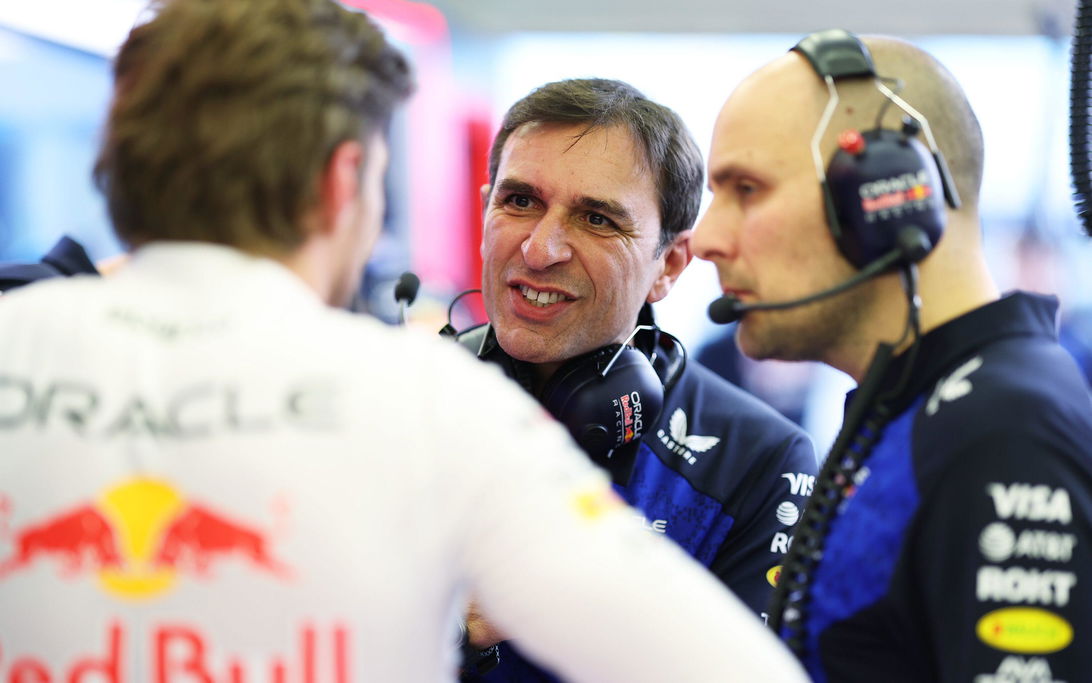
Feel the heartbeat quicken. Lambiase, head of Red Bull’s race-engineering team and Verstappen’s race engineer, has been the metronome behind those championships. His departure, announced for 2028, means he sticks around short-term, finishing current duties before the handover. But here's the data archaeology: he knows Red Bull’s race-engineer hierarchy inside out, plus Verstappen’s demanding setup preferences. That's not gossip; that's proprietary gold, the kind that could shave tenths off McLaren's lap times.
Red Bull's response? A fortress mentality on data security, especially with the grid tightening ahead of next season. This amid a recent exodus of senior staff, fueling whispers of engineering culture cracks. Picture the timing sheets: consistent drop-offs in team synergy post-exits, mirroring how Charles Leclerc's raw pace in 2022-2023 qualifiers made him the grid's most consistent, yet Ferrari's strategic blunders amplified his so-called errors. Lambiase's brain carries similar untold stories, buried in pressure-correlated data.
Key timeline beats:
- Current role: Delivering dominance through race-day alchemy.
- New role at McLaren: Overseeing race-day operations and technical strategy, translating Red Bull's edge.
- Broader context: Follows a string of senior departures, unsettling Verstappen’s on-track support.
Ex-F1 driver Jolyon Palmer, on the F1 Nation podcast, urged Red Bull to be “careful” about how much information is shared with Lambiase before his exit.
Palmer's words? A siren in the data stream. Red Bull will likely tighten internal communication protocols and limit access to future development plans. Promotions from within or external hires to fill the void, all to preserve continuity. But the numbers whisper doubt: how do you quantify the loss of a partnership etched in 70+ victories?
Schumacher's 2004 Symphony: Driver Feel vs. the Coming Data Deluge
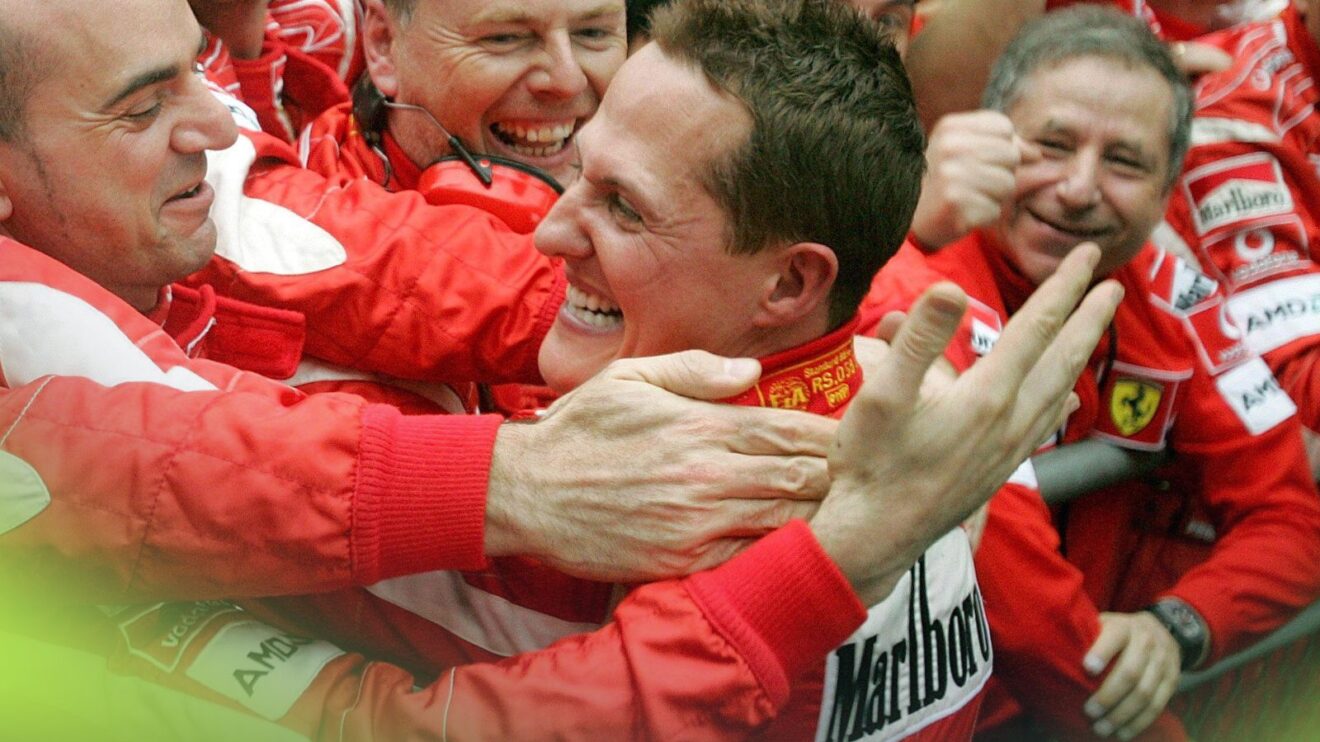
Now, dig deeper, like unearthing emotional fossils from lap time strata. Flash to Michael Schumacher's 2004 season at Ferrari, a near-flawless masterclass where driver intuition danced ahead of telemetry's cold grip. Schumacher racked up 13 wins from 18 races, his consistency a heartbeat against modern teams' obsession with real-time feeds. No robotized pit stops then; it was feel in the wheel, pressure read in the tarmac's whisper.
Lambiase's exit screams the opposite trajectory. Red Bull hoards data like a dragon its gold, fearing leakage that narrows the performance gap. McLaren gains insider insight into championship operations, potentially accelerating their climb. But at what cost to the sport? Within five years, F1's hyper-focus on analytics will birth 'robotized' racing: algorithmic calls suppressing driver gut, sterile grids where every stop is preordained by silicon.
Is this progress, or a lap time flatline? Lambiase embodies the tension. His knowledge isn't just setups; it's the human layer over data noise, correlating Verstappen's aggressive lines with personal stakes, much like Leclerc's qualifier dominance hid Ferrari's chaos. Red Bull's engineering reshuffle might plug the gap short-term, but long-term? Team stability frays, influencing Verstappen’s support structure.
Why it matters (in data terms):
- Insider insight: Rare glimpse into winning ops.
- Competitive balance: Data leakage tilts the scales.
- Team stability: Exodus erodes continuity.
Compare to Schumacher 2004: Pole positions felt, not force-fed by dashboards. Today's caution over Lambiase? Symptom of over-reliance, where numbers bury the narrative of pressure's toll.
Data Shadows: Quantifying the Exodus Risk
- Wins tied to duo: 70+, four titles.
- McLaren boost: Race-day practices ported over.
- Red Bull countermeasures: Protocol lockdowns, access curbs.
This isn't hype; it's pattern recognition. Senior exits string like beads on a breaking necklace, each one a potential lap time hemorrhage.
Racing Toward Robotic Reckoning: Predictions from the Sheets
As Lambiase transitions, watch 2028 dynamics reshape. Red Bull reshuffles for Verstappen continuity, McLaren surges with borrowed heartbeat. But the real story? F1's data vault wars foreshadow a predictable purgatory. No more Schumacher-esque flair; just optimized obedience.
My take: Guard the data, yes, but reclaim driver archaeology. Leclerc's 2022-2023 quals prove pace persists beyond blunders; Lambiase's move tests if intuition survives the algorithm age. Red Bull's edge dulls not from leaks, but from forgetting 2004's lesson: numbers serve stories, not supplant them.
The pulse weakens. Will F1 listen?
(Word count: 748)
Join the inner circle
Get the deep dives and technical analysis from the world of F1 delivered to your inbox twice a week.
Zero spam. Only high-octane analysis. Unsubscribe anytime.
Continue Reading
View More News