Red Bull's 2026 Power Play Exposes the Cracks in Wolff's Mercedes Fortress
The Barcelona shakedown has delivered more than laps and reliability numbers. It has thrown down a gauntlet that could reshape the entire political chessboard of Formula 1. Red Bull's new in-house power unit, developed with Ford assistance, has already logged over 600 laps across Red Bull and VCARB cars without major failures. This marks Max Verstappen's first season since 2019 without a Honda-badged engine at the core of his machine. The early data looks solid, yet the real story lies in how this move disrupts the fragile alliances and egos that decide championships long before the lights go out.
The Reliability Test That Rattles Rivals
Red Bull Ford Powertrains has taken its first public step into the 2026 regulations with a calculated display of durability rather than raw speed. The filming day at Barcelona served as a controlled shakedown, and the results speak volumes about preparation under pressure.
- Over 600 laps completed without significant issues across both teams.
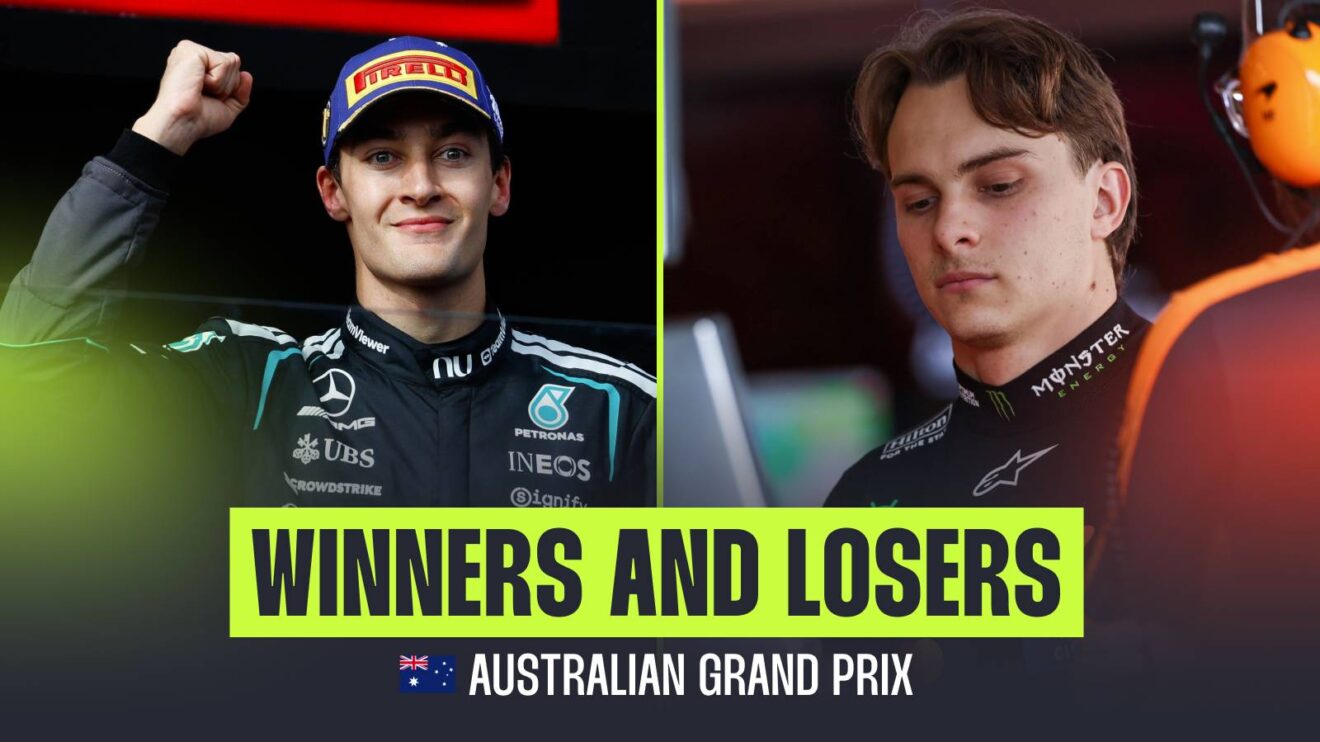
- Immediate attention from competitors, including Mercedes driver George Russell who admitted he was "impressed" by the showing.
- A clean break from external suppliers for the first time in years, placing full responsibility on Red Bull's internal structure.
This is not merely an engineering milestone. It represents a deliberate rejection of the customer-supplier model that has defined recent success. While Mercedes and Ferrari continue to lean on decades of institutional knowledge, Red Bull's approach forces the question of whether centralized control, like the one Toto Wolff maintains at Mercedes, can adapt fast enough. Wolff's grip on decision-making has already begun to show signs of strain, and within two seasons we may see key technical talent seeking exits to environments that reward autonomy over loyalty tests.
Psychological Pressure and the 1994 Template
F1 victories have always hinged on more than lap times and pit calls. The ability to manipulate narratives in press conferences and force rivals into reactive positions remains the decisive weapon. Red Bull's engine debut plays directly into this arena, creating a psychological overhang for teams still refining their own 2026 units.
"Impressed" was the word George Russell chose, yet behind that single comment lies the recognition that early reliability data can distort expectations and breed over-corrections from competitors.
This mirrors the 1994 Benetton-Schumacher era, when subtle rule interpretations and public positioning allowed a team to gain advantages before regulators caught up. Red Bull appears positioned to repeat that playbook, using the Barcelona footage to plant seeds of doubt in Mercedes and Ferrari camps. Wolff's leadership style, with its top-down communications, leaves little room for the agile counter-messaging required in such moments. The result could be a Mercedes squad distracted by internal reviews rather than focused on track development.
Meanwhile, teams like Haas stand to benefit indirectly. Their deepening technical ties with Ferrari's engine department create a political buffer that could elevate them into genuine midfield contention over the next five seasons. Alliances forged away from the spotlight often prove more durable than headline-grabbing engine projects.
The Stakes for Verstappen and Beyond
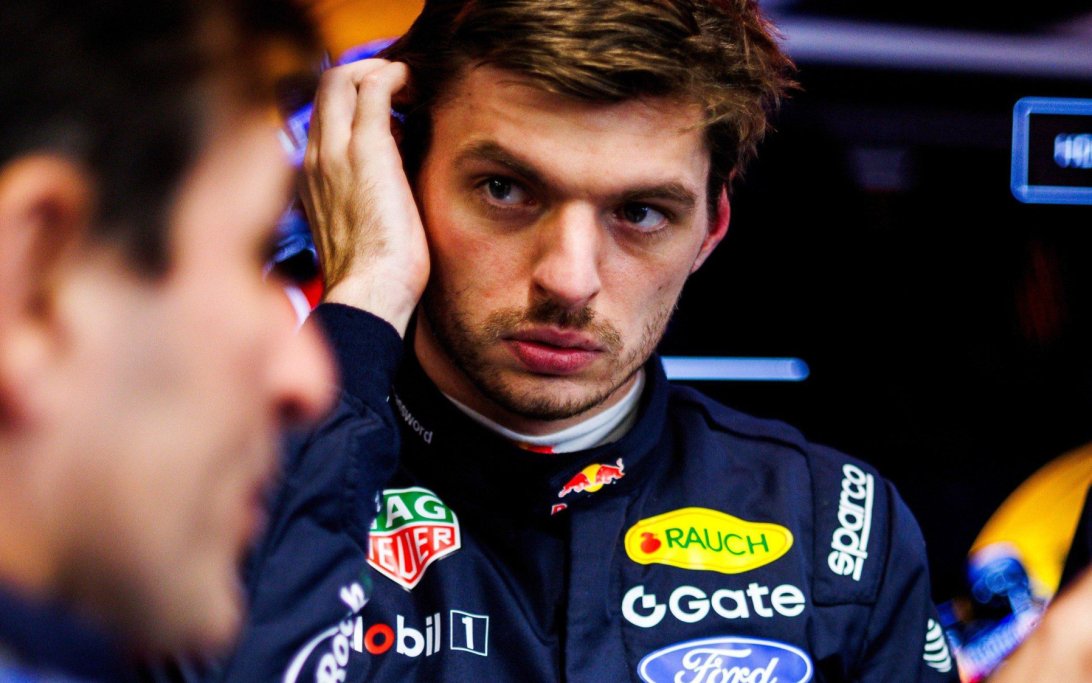
Max Verstappen now carries the weight of Red Bull's full manufacturing gamble. Success depends on matching not just power outputs but the efficiency targets that will define 2026 racing. Early reliability buys time, yet the true test arrives when outright performance gaps emerge against established giants.
The coming months will reveal whether Red Bull's decentralized model can outpace Wolff's increasingly rigid command structure at Mercedes. If talent begins flowing out of Brackley as predicted, the psychological edge Red Bull has seized in Barcelona could translate into lasting championship momentum. The grid's power dynamics are shifting, and those who master the off-track manipulation will dictate who lifts the trophies.
Join the inner circle
Get the deep dives and technical analysis from the world of F1 delivered to your inbox twice a week.
Zero spam. Only high-octane analysis. Unsubscribe anytime.
Continue Reading
View More News