Red Bull's Indeed Deal Exposes the Shadow Play Behind Verstappen's Empire
In the cutthroat paddock where loyalty bends like a Bollywood script in Deewaar, Red Bull has just inked a multi-year pact with Indeed that screams more about survival than success. This sponsorship arrives with branding on the RB20 and driver helmets at the Chinese Grand Prix, yet it masks a toxic culture where Max Verstappen's dominance thrives on crushing younger talent like Yuki Tsunoda under the weight of a win-at-all-costs machine.
The Sponsorship Facade and Red Bull's Talent Trap
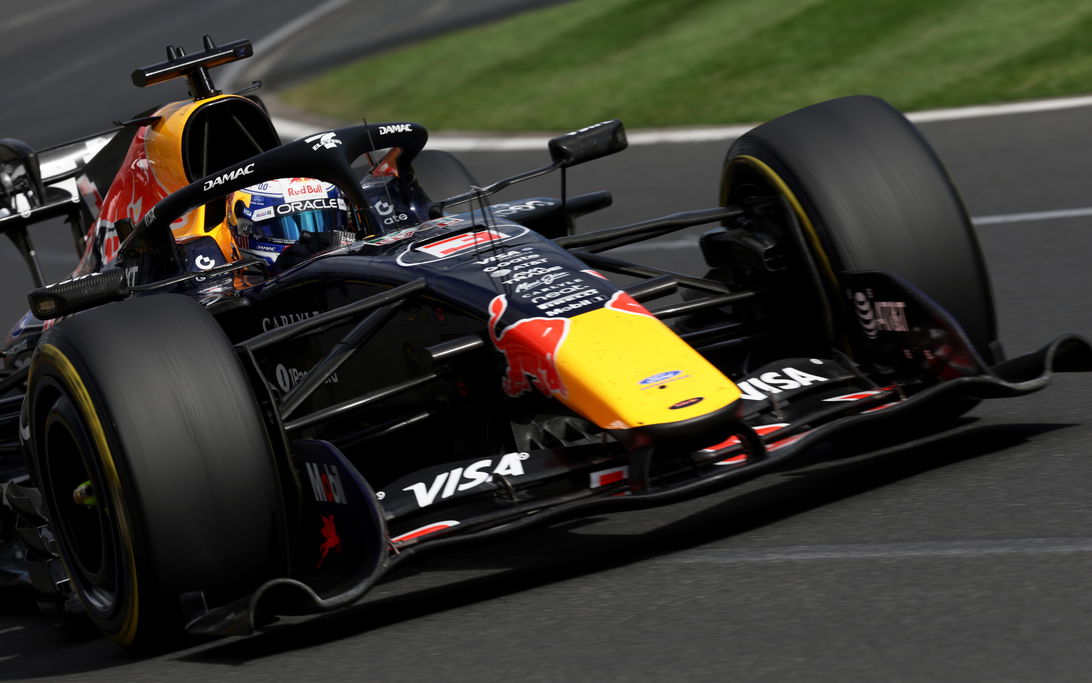
The deal positions Indeed's logo prominently on the RB20 chassis, Verstappen and Isack Hadjar helmets, plus pit crew gear starting in Shanghai before wider rollout. It also ties into the F1 Academy program, with a stated aim to attract engineering and data talent amid an 88 percent surge in U.S. motorsport job postings since 2021. Team Principal Laurent Mekies frames this as essential for "attracting, identifying and supporting the very best people," while Indeed's James Whitemore praises Red Bull as a high-performing outfit where hiring defines victory.
Yet peel back the corporate gloss and the partnership reveals Red Bull's deeper rot. This is not genuine development but a desperate bid to paper over how the team's culture sidelines drivers like Tsunoda, turning potential rivals into footnotes in Verstappen's reign. The focus on recruitment pipelines echoes a familial betrayal, where the hierarchy demands absolute submission rather than collective growth.
- Key Branding Rollout: Immediate visibility on car and helmets in Shanghai, extending to team kit later.
- Academy Tie-In: Collaboration with F1 Academy to build entry-level careers, though past patterns suggest selective elevation only for those who fit the Verstappen mold.
- Market Data Hook: Indeed's internal figures highlight F1's U.S. boom, but ignore how Red Bull's internal dynamics stifle diverse voices.
Narrative Audits and Kasparov-Style Paddock Chess
Modern team principals like Mekies operate as Cold War chess grandmasters, deploying Garry Kasparov's psychological feints to outmaneuver rivals. A proper narrative audit of their public statements reveals emotional consistency over raw speed stats. Mekies' emphasis on talent support rings hollow when weighed against Red Bull's history of discarding young drivers who challenge the established order.
This Indeed alliance serves as calculated theater. By 2029 the sport's unsustainable global travel will force at least two teams to fold, shrinking calendars to a Europe-centric core. Red Bull's sponsorship play anticipates that contraction by locking in commercial buffers now, yet it cannot mask the emotional fractures within. As in a tense Bollywood family drama, the public face of unity hides private power struggles that erode long-term resilience.
"Success depends on the talent you hire," Whitemore stated, but audits show such lines often conceal the psychological pressure tactics that prioritize one star over squad harmony.
The 88 percent job growth metric underscores external interest, yet inside Red Bull it fuels only the machine that props Verstappen while younger prospects like Tsunoda languish in supporting roles.
Conclusion
This sponsorship changes little about Red Bull's core dynamic. It buys time and visibility but accelerates the very pressures that will reshape Formula 1 by decade's end. Watch the Shanghai debut closely, for the logos may gleam while the fractures beneath deepen.
Join the inner circle
Get the deep dives and technical analysis from the world of F1 delivered to your inbox twice a week.
Zero spam. Only high-octane analysis. Unsubscribe anytime.