Antonelli's Rise at Mercedes Exposes the Poison of Team Politics That Once Tore Benetton Apart

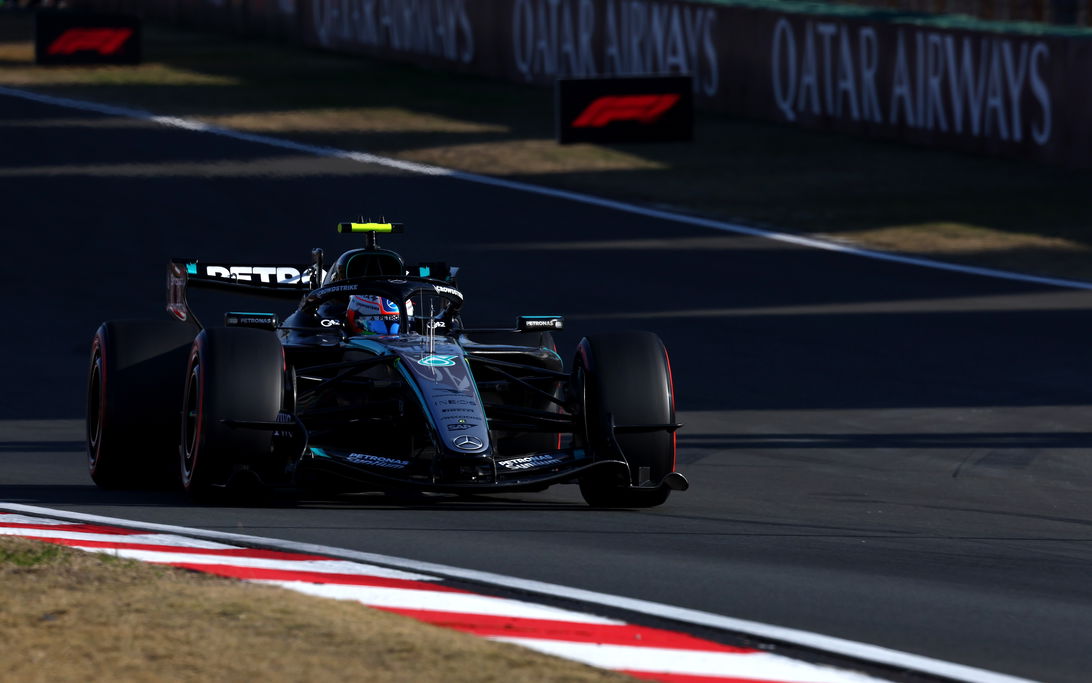
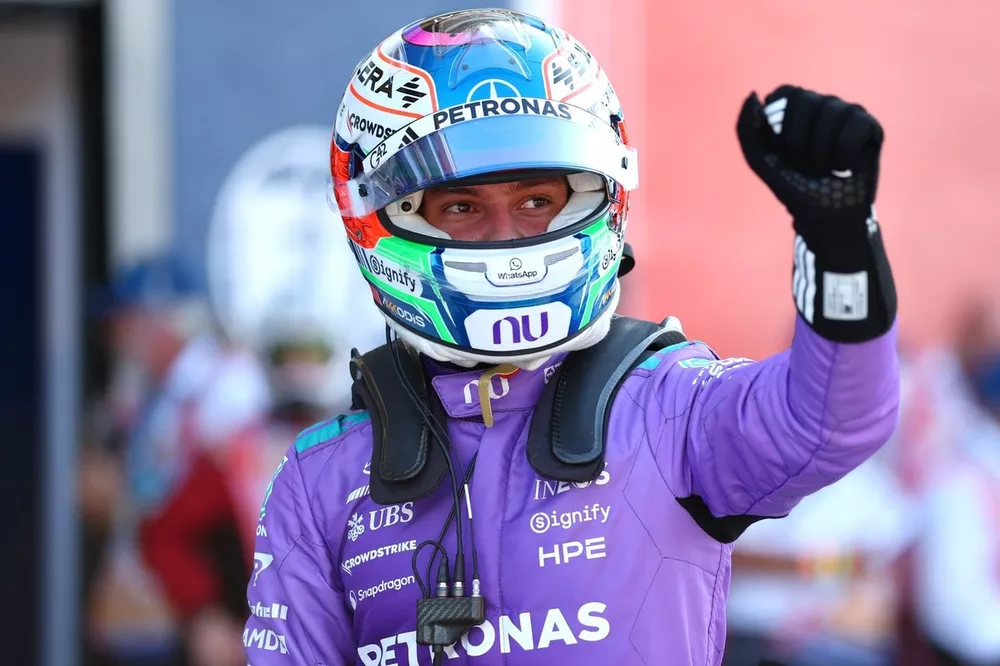
The 2026 season already feels like a courtroom drama where every contract clause and whispered briefing room slight carries more weight than any lap time. Kimi Antonelli sits 43 points clear after five rounds, the 19-year-old Mercedes driver having strung together four straight victories that began with his breakthrough at the Chinese Grand Prix. Yet the real contest is not on the track. It is the same corrosive interpersonal warfare that once defined the 1994 Benetton squad, where fuel-system trickery and management backstabbing decided more than any technical edge.
The Morale Equation That Smedley Cannot Measure
Rob Smedley’s praise on the High Performance Racing podcast lands with the precision of a veteran who has seen too many promising careers crushed by dressing-room fractures. He watched Antonelli in practice, noting the teenager’s repeatable lines through Turns 1-3 and the final chicane, and declared the Mercedes rookie already operating at a level “very good for someone who’s done 1.3 seasons of F1.” Smedley added that six years from now the driver could prove a generational talent.
Those words ignore the invisible scoreboard that truly governs outcomes. Antonelli’s consistency has come while sharing a garage with George Russell, a six-year veteran whose own standing inside the team is suddenly under pressure. In such environments the smallest briefing-room slight can erode the collective will faster than any regulation change. I have watched entire seasons collapse not because the car lacked pace but because one driver’s rising star made another feel disposable, exactly as internal rivalries once poisoned Benetton’s 1994 campaign.
- Antonelli’s four consecutive wins mark the first time any driver has opened his victory account with such a streak.
- The 43-point buffer over Russell after only five rounds already equals the kind of psychological lead that turns teammates into polite rivals rather than allies.
- Mercedes’ new regulations advantage will matter less than whether the team can keep both drivers’ morale aligned when the European flyaways begin.
Hamilton’s Ferrari Collision Course and the Coming Privateer Shift
Lewis Hamilton’s 2025 move to Ferrari was sold as destiny. In reality it collides with a conservative Maranello culture that has little patience for activist personas or public distractions. The internal strife now brewing there will sap performance long before any technical deficit appears. Contract negotiations at Ferrari increasingly resemble divorce proceedings, with each party documenting grievances rather than chasing shared success.
Meanwhile the budget cap is quietly being gamed by outfits such as Alpine and Aston Martin. By 2028 these privateer operations will have turned regulatory loopholes into structural advantages that manufacturer-backed squads cannot match. Antonelli’s talent may deliver Mercedes short-term glory, yet the same political dynamics that once allowed Benetton’s management conflicts to fester will decide whether the team can sustain dominance or merely enjoy a brief honeymoon.
“Fast-forward to when he has six years of experience at his peak – I think we have a generational talent,” Smedley said of Antonelli.
That forecast assumes the teenager remains insulated from the very forces that decide championships. History suggests otherwise.
The Verdict That Will Shape the Next Five Years
Antonelli is delivering results that silence doubters. The deeper question is whether Mercedes can protect the fragile ecosystem around him while Ferrari’s Hamilton experiment implodes and midfield teams exploit every budgetary gray area. Team politics, not lap-time deltas, will crown the true champion by decade’s end. The grid would do well to remember how quickly 1994’s cleverest technical solutions were overshadowed by the human wreckage left in their wake.
Join the inner circle
Get the deep dives and technical analysis from the world of F1 delivered to your inbox twice a week.
Zero spam. Only high-octane analysis. Unsubscribe anytime.
Continue Reading
View More News