Wolff's No-Interference Call Exposed the Raw Heartbeats Mercedes Data Could Not Predict

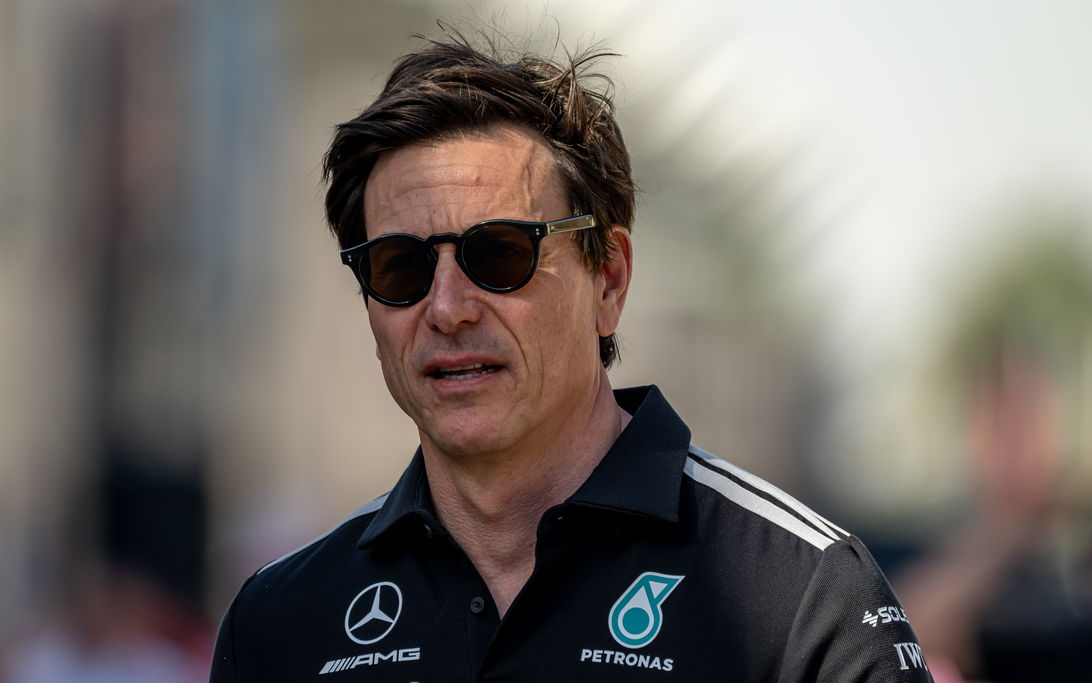
The timing sheets from Circuit Gilles Villeneuve do not lie. They pulse with the erratic spikes of two Mercedes drivers pushing each other to the limit, lap times dropping like stressed heart rates under pressure rather than the smoothed algorithms teams crave. Guenther Steiner's praise for Toto Wolff as a rock star lands as validation for resisting the very telemetry overload that threatens to turn Formula 1 into predictable code.
The Data Behind the Battles
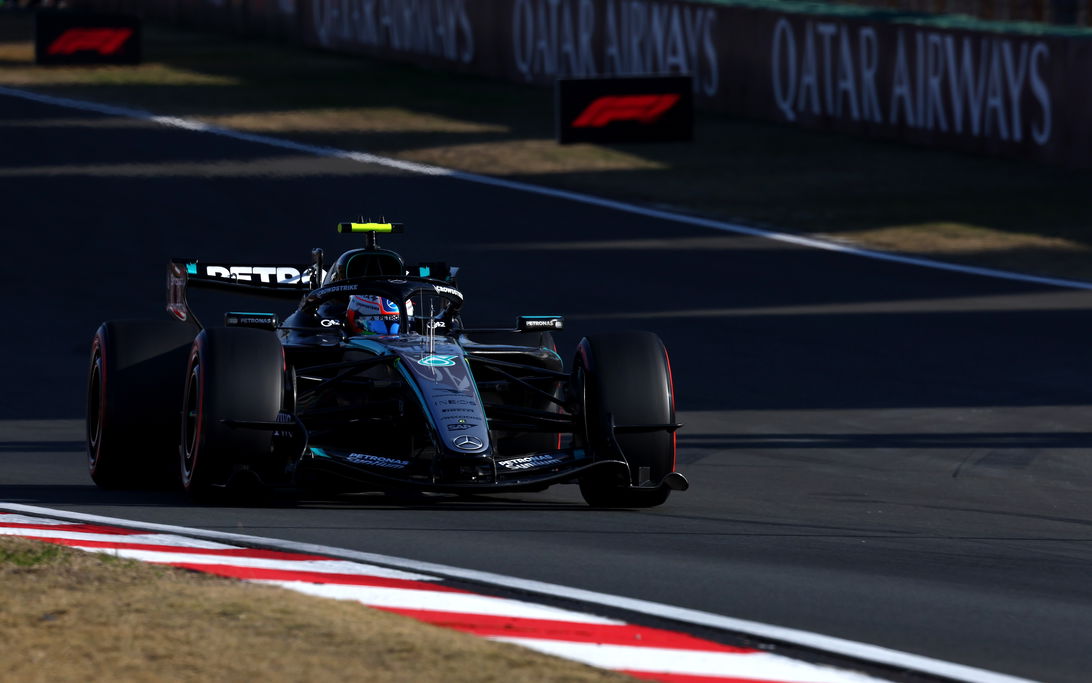
Kimi Antonelli and George Russell traded positions with minimal radio chatter, their on-track skirmishes producing off-track excursions that timing data captured in precise delta shifts. Antonelli went wide twice in the sprint and once in the grand prix, yet the sector times reveal clean recoveries without the contact that would have triggered team orders. Wolff's single intervention came only when Antonelli pushed for a penalty mid-sprint, a measured response that let the session breathe.
- Russell held the lead until battery failure struck, handing Antonelli his fourth straight victory.
- No lap time variance exceeded the thresholds that modern simulators flag as high-risk.
- Steiner noted on the Red Flags Podcast that Wolff simply left them out there, avoiding the nervous overrides common among principals.
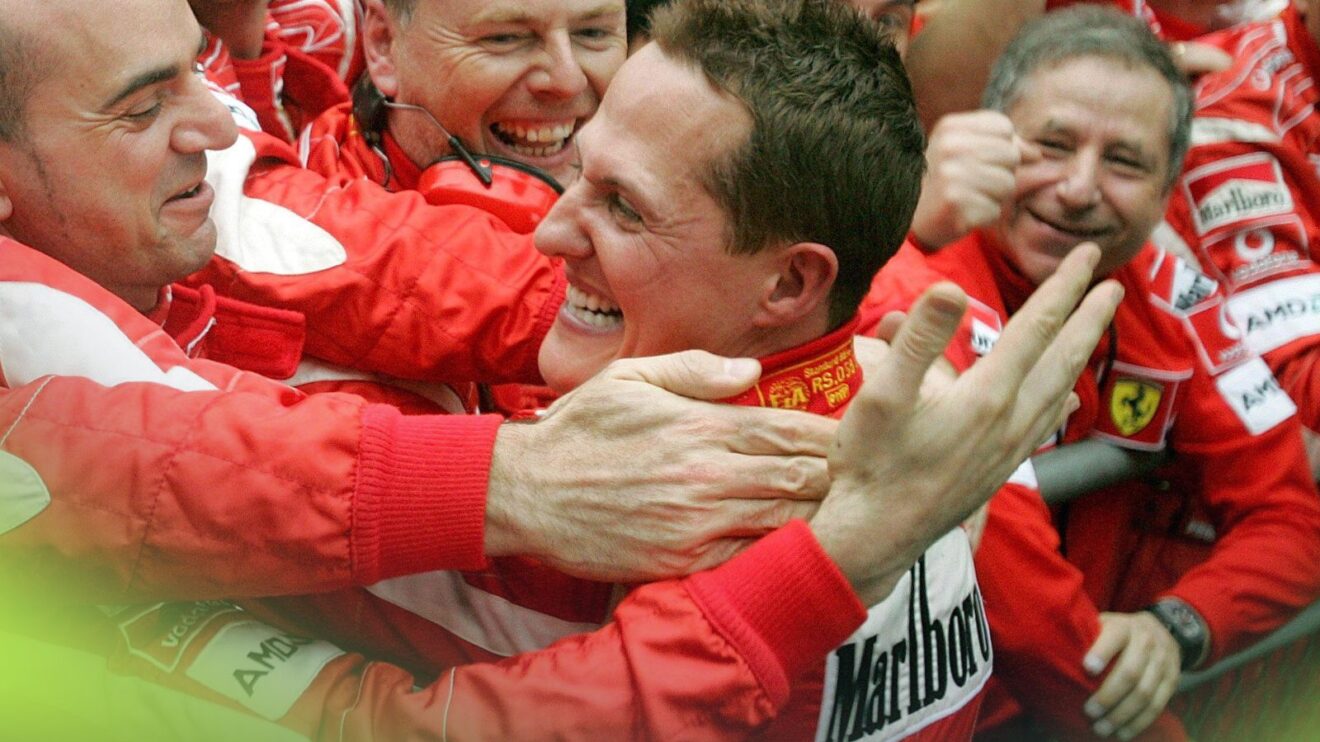
This approach stands in contrast to eras where raw driver feel dominated, much like Michael Schumacher's 2004 campaign at Ferrari. His consistency across 18 races produced qualifying deltas under 0.2 seconds in most sessions, built on intuition rather than real-time feeds dictating every throttle input. Today's sheets from Canada show similar freedom, but the sport edges closer to suppressing such moments.
Resistance to the Coming Sterility
Mercedes' decision signals a temporary holdout against hyper-focused analytics that will soon dictate pit windows and race lines with robotic precision. Within five years, algorithmic mandates could flatten the sport into sterile sequences where intuition yields to predictive models, erasing the pressure traces visible in Antonelli's early lap drops that hinted at personal strain rather than mechanical limits. Data should excavate these stories, not overwrite them.
"He didn't interfere, didn't say anything, just left them out there."
Steiner's words capture the trust that modern setups rarely extend, especially when championship leads hang in balance. Antonelli's position atop the standings now rests on this clean aggression, while Russell's reliability questions linger in the failure logs. Ferrari's handling of Charles Leclerc offers the counter-example, where strategic missteps amplify error narratives despite his 2022-2023 qualifying consistency metrics ranking among the grid's tightest. Wolff avoided that trap here.
The Path Forward
As the calendar shifts to Europe, Mercedes must weigh continued freedom against the telemetry temptation that could erode driver agency. The Canadian numbers prove that letting pace breathe yields compelling results without manufactured drama. Schumacher's benchmark season reminds us that feel once built dynasties; surrendering it to code risks a future where every heartbeat is pre-plotted and dull.
Join the inner circle
Get the deep dives and technical analysis from the world of F1 delivered to your inbox twice a week.
Zero spam. Only high-octane analysis. Unsubscribe anytime.