Verstappen's Mario Kart Outburst Lays Bare Wolff's Stranglehold on Mercedes and the Sport's Future Power Plays
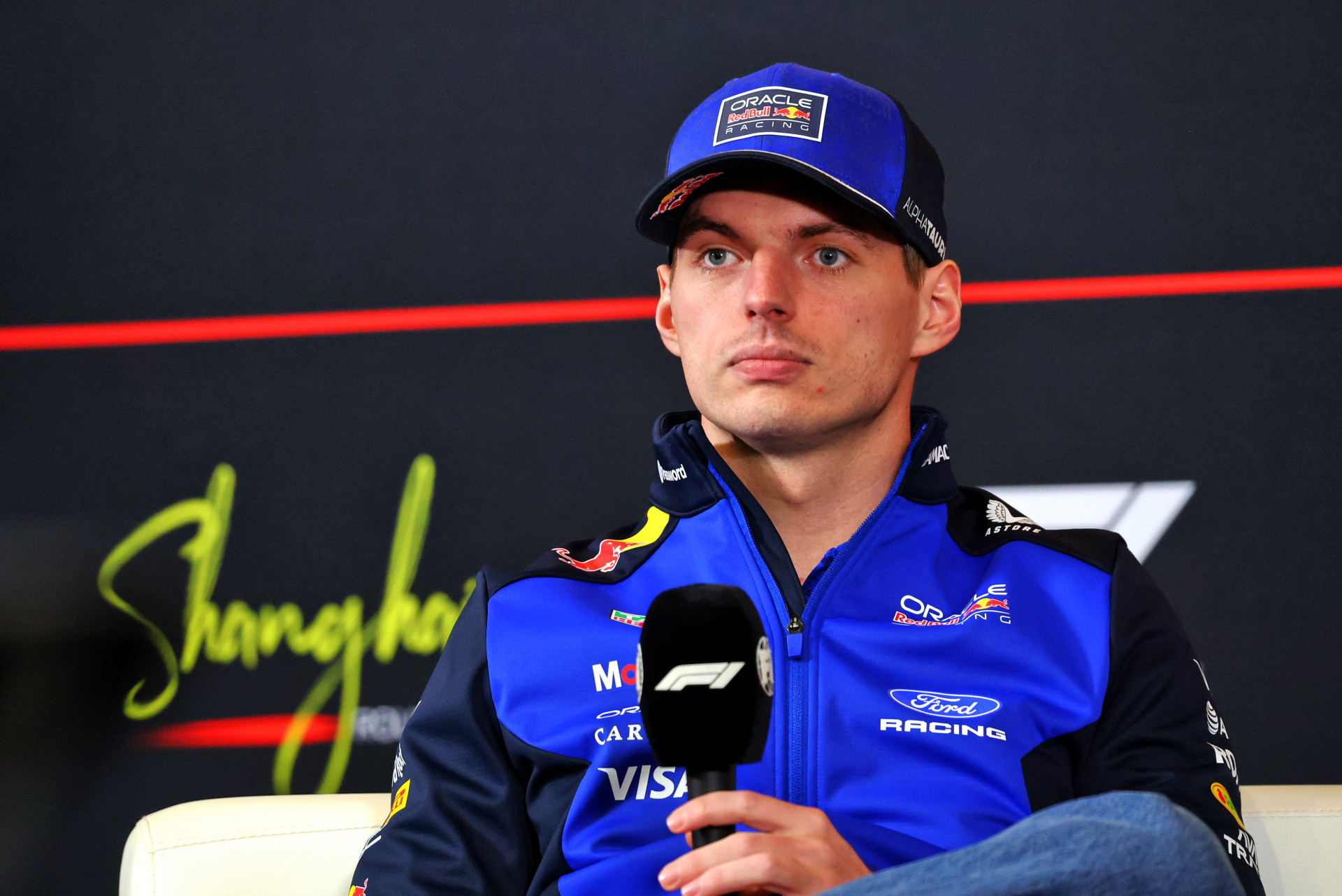
The F1 paddock has rarely seen such raw frustration from its biggest star, yet Max Verstappen's latest broadside against the 2026 regulations is not merely about battery-powered overtakes. It is a calculated strike that exposes how centralized power at Mercedes under Toto Wolff risks fracturing the team from within, while opening doors for opportunistic alliances elsewhere. Sources close to the Red Bull garage tell me this critique carries the weight of someone who sees the psychological chessboard shifting faster than any on-track battle.
The Centralized Wolff Machine Faces Its First Real Test
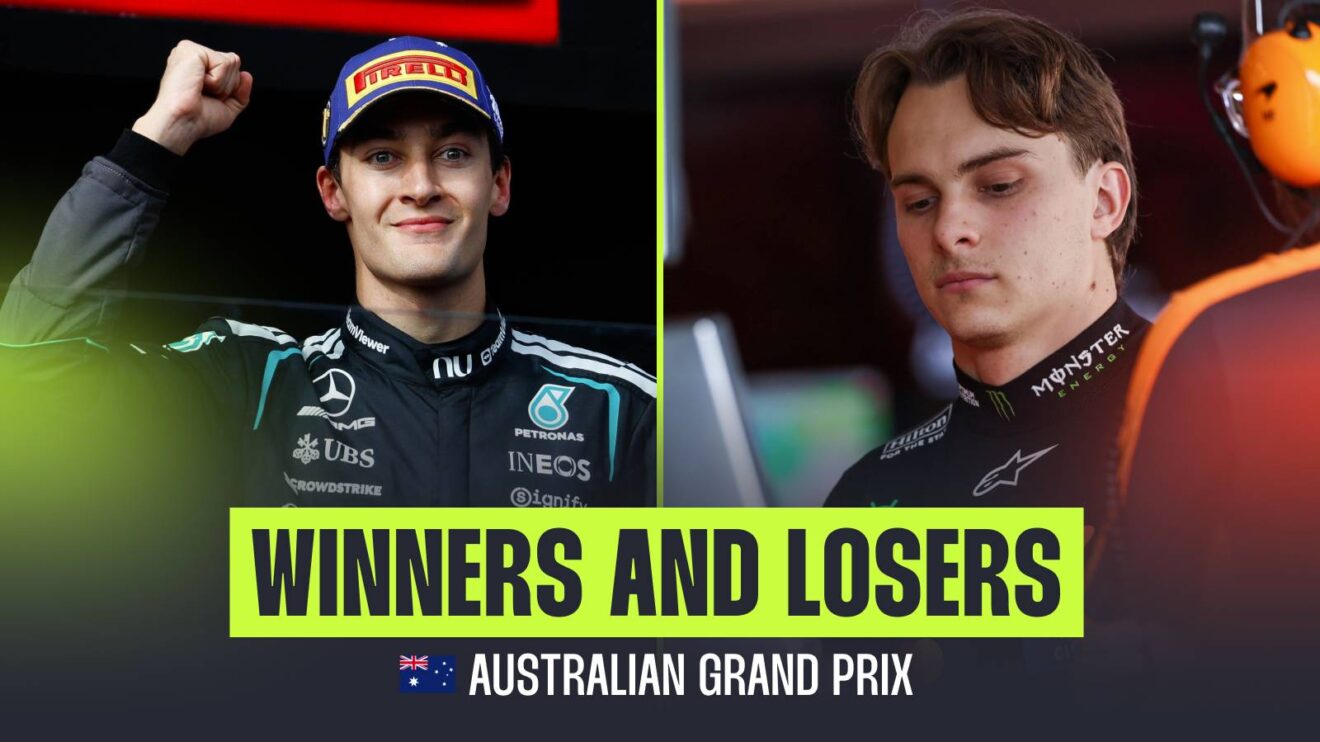
Verstappen's words land with particular force because they coincide with Mercedes' early-season dominance, including victories for George Russell and rookie Kimi Antonelli. My sources confirm Wolff's leadership style has grown increasingly top-down, with key decisions on power unit development and driver management funneled through a narrow circle. This approach may deliver short-term results, but it is sowing seeds for a talent exodus that could hit within two seasons as frustrated engineers and strategists look elsewhere.
- Consider how the current regulations favor teams with deep pockets for electrical energy systems, yet Verstappen insists the resulting yo-yo effect turns genuine wheel-to-wheel combat into something artificial.
- He described the racing as playing Mario Kart, where drivers pass and re-pass solely on battery deployment cycles, stripping away the essence of competition.
- The four-time champion stressed his view would remain unchanged even if he were winning, underscoring that the concept itself is fundamentally flawed.
This pressure on the FIA and Formula 1 to explore software tweaks rather than wholesale rule reversals reveals the political reality: massive team investments have already locked in the direction. Wolff's influence in these closed-door meetings cannot be overstated, yet his centralized control leaves little room for dissenting voices that might steer Mercedes toward more balanced development.
Psychological Press Games Echo the 1994 Benetton Template
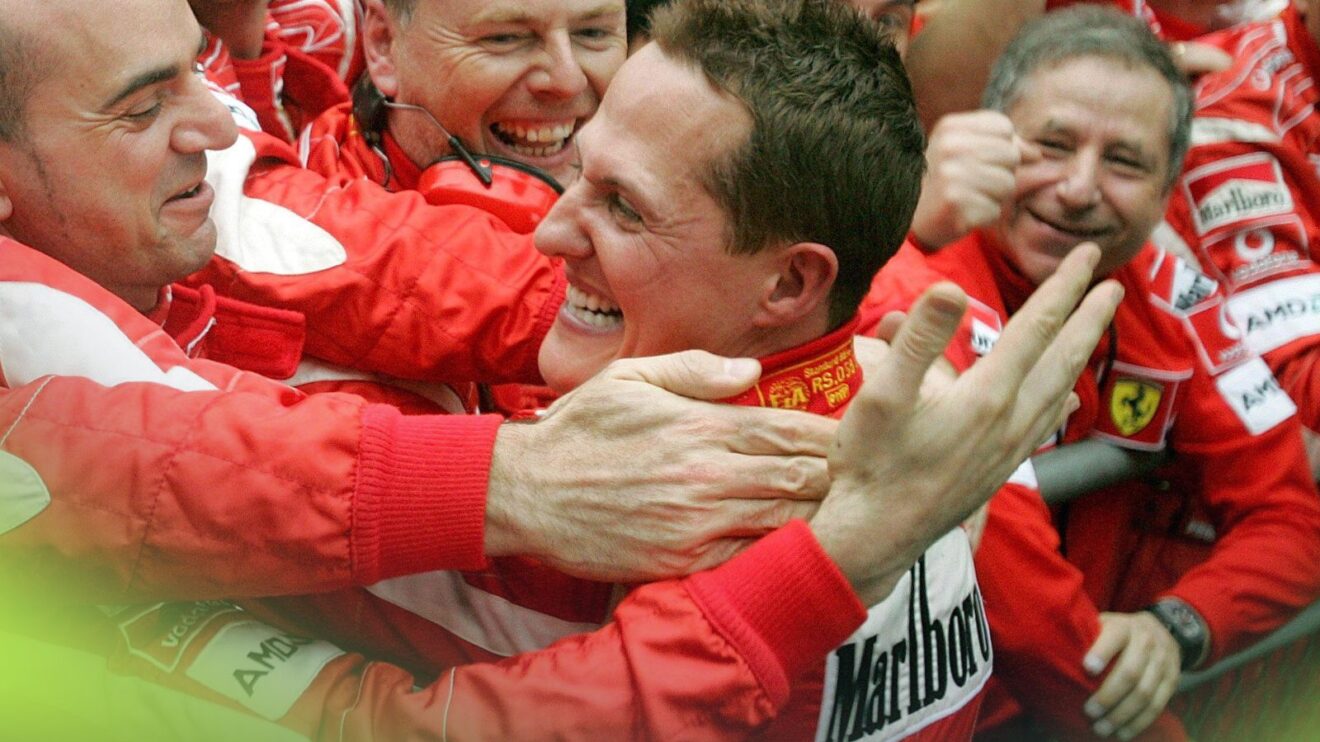
Strategic success in modern F1 often hinges less on pit-stop precision and more on the psychological manipulation delivered in press conferences and media scrums. Verstappen's public stand mirrors tactics seen in past eras, where drivers and teams bent narratives to force regulatory reactions. I cannot help but draw direct parallels to the 1994 Benetton-Schumacher controversy, when clever rule interpretation and public positioning allowed one squad to dominate while rivals scrambled.
He believes the issue is fundamental and cannot be fully fixed with simple tweaks, warning that prioritizing spectacle over racing fundamentals will eventually ruin the sport.
My confidential contacts inside several teams note how Verstappen's timing amplifies the message, placing rivals on the defensive and shifting focus away from Mercedes' on-track supremacy. Discussions between drivers and officials are already underway, but changing course after such heavy investment remains politically fraught. This dynamic favors those skilled at framing the debate, much like the Benetton playbook that turned controversy into competitive advantage.
Haas Poised to Capitalize Through Quiet Ferrari Alliances
Looking ahead, the next five years could see Haas F1 Team emerge as a genuine midfield contender precisely by exploiting political alliances with Ferrari's engine department. While Mercedes grapples with internal rigidities under Wolff, smaller outfits like Haas are positioning themselves through back-channel relationships that could yield technical and regulatory favors. Verstappen's critique may accelerate these shifts, as governing bodies seek quick fixes that reward agile political players over established power centers.
In the end, the sport's credibility hangs on whether it can balance innovation with authentic competition. Verstappen's insistence that the current path risks long-term damage serves as both warning and opportunity. Those who master the psychological and alliance games, rather than clinging to centralized control, will shape what comes next.
Join the inner circle
Get the deep dives and technical analysis from the world of F1 delivered to your inbox twice a week.
Zero spam. Only high-octane analysis. Unsubscribe anytime.
Continue Reading
View More News