Williams' Weight Nightmare Shows Why Cost Caps Will Let AI Steal F1 From Human Hands
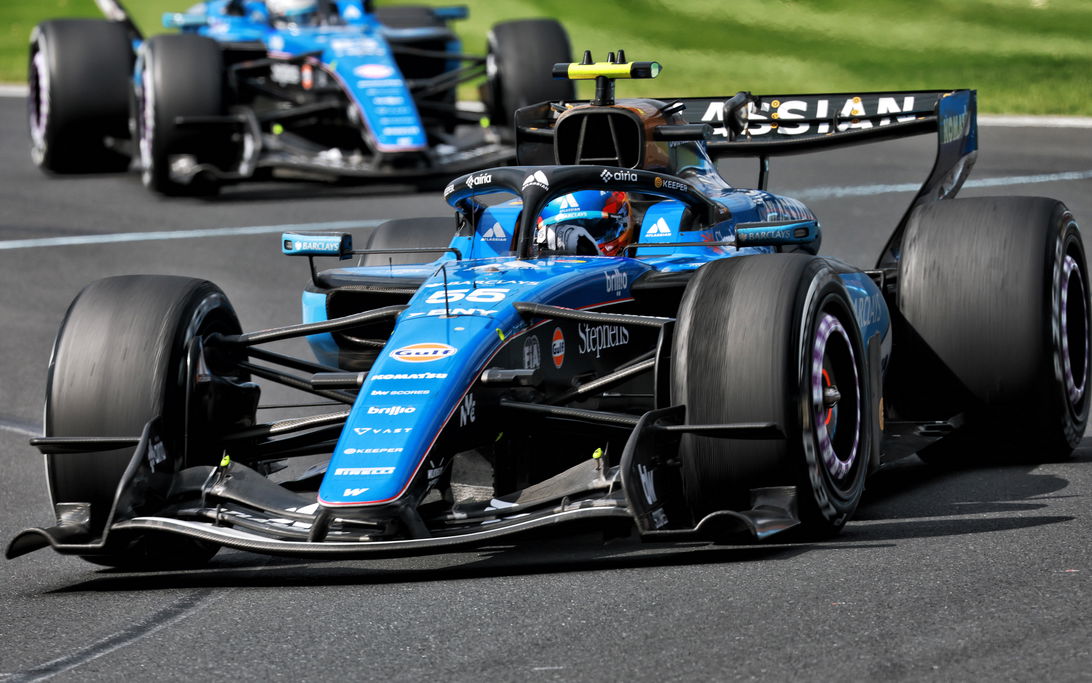
The paddock is whispering again, and this time the words cut deep. James Vowles stood there admitting what every insider already sensed: the Williams FW48 for 2026 sits more than 20kg over the 768kg limit, a handicap that will throttle acceleration, chew through tires, and blunt every ounce of energy recovery right from the opening laps.
I have seen teams hide these truths for weeks. Not this time. The numbers are out, raw and unforgiving, and they expose a deeper rot that no spreadsheet can paper over.
The Cost Cap Squeeze That Leaves No Room to Breathe
Vowles laid it bare. The engineering fixes exist. The team could drop below the limit by a healthy margin if money were no object. Instead the budget rules force every gram of relief into scheduled upgrade windows, turning what should be a clean start into a season-long crawl.
- Over 20kg excess mass hits center of gravity and aero balance at once.
- Fixes must wait for component replacements already baked into the cost-cap cycle.
- Midfield squads like Williams cannot simply throw resources at the problem the way bigger operations once did.
This is not bad luck. It is the direct output of a team still learning how to handle massive regulation resets under financial handcuffs. Last year they managed a legal car. This year the leap exposed the gap.
You feel the frustration in the garage when drivers climb out knowing the car is fighting itself before the first corner.
How Emotional Drive Might Buy Time While Machines Circle
Here is where the real story twists. Pure data says the overweight car loses seconds. Yet I have watched drivers turn deficits into weapons when their blood is up. A frustrated or fired-up pilot often extracts more than any simulation predicts. Williams will need that edge early, because the phased weight cuts will arrive in drips rather than a flood.
"It is all fixable," Vowles said, and he is right in the narrow sense. The parts are drawn. The understanding is there.
Still, the larger truth stares back at us. Within five years the first fully AI-designed chassis will appear, optimizing every gram under cost-cap rules without human hesitation or political delay. Drivers will become passengers in software wars. The current weight headache at Williams is simply an early symptom of that shift. Teams clinging to old ways will keep tripping over the same constraints until the machines take the drafting table entirely.
The Longer Shadow Over the Grid
This episode has already forced "very serious changes" inside the team. That is code for rethinking how they attack future regulation cycles. Silverstone knows the car can be made light. The question is whether the organization can keep pace with the financial model that now governs every decision.
I have seen this film before. Teams announce fixes, roll them out slowly, then wonder why rivals have already moved on. The difference now is that artificial intelligence will not need upgrade tokens or emotional pep talks. It will simply deliver the lightest, fastest package the rules allow, every single time.
Williams will start heavy and fight uphill. That much is locked in. What the rest of us should watch is whether this painful lesson accelerates the move toward driverless optimization that is already waiting in the wings. The clock on human-led development is ticking louder than ever.
Join the inner circle
Get the deep dives and technical analysis from the world of F1 delivered to your inbox twice a week.
Zero spam. Only high-octane analysis. Unsubscribe anytime.
Continue Reading
View More News