Analysis Reveals Mercedes' Edge Lies in Electric Power Management
Data from the Australian GP reveals Mercedes' 2026 dominance stems from a superior hybrid energy management system, allowing its cars to maintain electric power and speed longer on straights than rivals like Ferrari, Red Bull, and Audi, reminiscent of its 2014 hybrid era breakthrough.
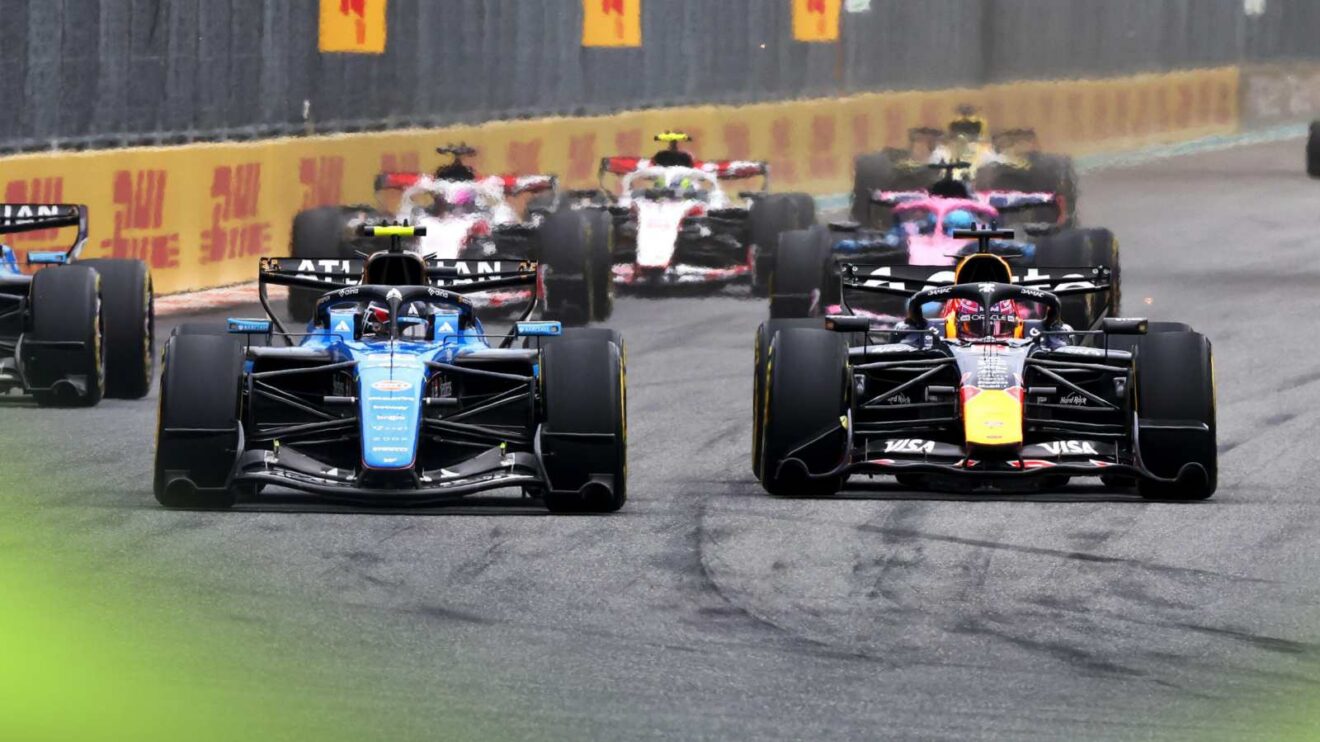
Technical analysis of the Australian Grand Prix suggests Mercedes' dominant start to the 2026 Formula 1 season is powered by a significant advantage in managing the new, more powerful electric components of its hybrid power unit. While rivals struggle with performance drop-off, Mercedes' system maintains speed longer on straights, echoing its dominant entry into the previous hybrid era in 2014.
Why it matters:
The 2026 regulations mandate that the electric motor provides roughly half of a car's total power, making its management a critical performance differentiator. Mercedes mastering this complex area first could establish a long-term competitive advantage, potentially defining the early seasons of the new regulatory cycle just as it did a decade ago.
The Details:
- Data from the Australian qualifying session, analyzed by F1Technical, indicates Mercedes' key strength is in mitigating "clipping"—the point where electric power is reduced because the battery is depleted and needs to recharge.
- On Melbourne's long straights, particularly into the high-speed Turn 8, Mercedes cars reached the highest top speed (327 km/h) and, more importantly, maintained that speed for a longer duration than their rivals.
- The analysis shows the power drop for Mercedes occurs later and is less severe compared to other power unit manufacturers.
- Competitive Landscape: Other manufacturers displayed clear weaknesses.
- Both the Red Bull Powertrains and Audi units were seen losing power significantly earlier.
- Ferrari presented a mixed picture, with Charles Leclerc's works car suffering a notable drop-off, while the Ferrari-powered Haas of Oliver Bearman managed to hold speed longer, suggesting different energy management setups or strategies.
- Honda, powering Aston Martin, also struggled with energy deployment, losing considerable speed before Turn 8.
- Former Toro Rosso team principal Franz Tost noted the parallel to 2014, stating the complex new power unit regulations are "tailor-made for a high-tech automotive conglomerate like Mercedes."
What's Next:
Mercedes' early lead puts immediate pressure on its engine customer teams and rival manufacturers to close the gap in energy management software and hardware integration.
- The focus for Red Bull, Ferrari, Audi, and Honda will be on understanding and replicating Mercedes' seamless integration of the internal combustion engine, MGU-K, and battery systems.
- If the advantage holds, it could lead to a stratified grid in the short term, with teams using the Mercedes power unit enjoying a inherent performance benefit. However, history shows such regulatory advantages can be eroded as the season progresses and rivals develop their understanding.
Don't miss the next lap
Get the deep dives and technical analysis from the world of F1 delivered to your inbox twice a week.
Zero spam. Only high-octane analysis. Unsubscribe anytime.
Join the inner circle
Get the deep dives and technical analysis from the world of F1 delivered to your inbox twice a week.
Zero spam. Only high-octane analysis. Unsubscribe anytime.
Continue Reading
View More News