Domenicali addresses Verstappen's F1 criticism with measured response
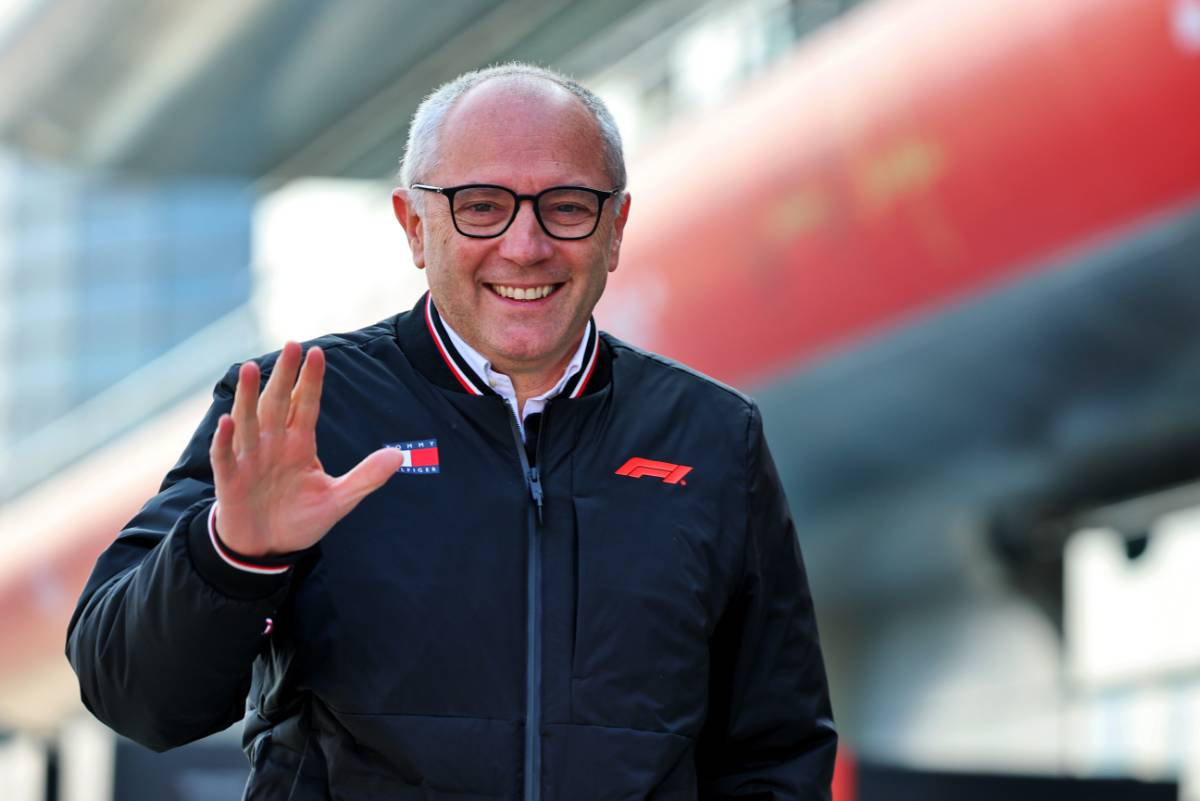
F1 CEO Stefano Domenicali has responded to Max Verstappen's criticism of the new regulations, affirming driver feedback is heard but warning champions that their influential voices carry a responsibility to the sport that has elevated them.
F1 CEO Stefano Domenicali has acknowledged Max Verstappen's public critiques of the sport's new technical regulations but issued a subtle warning to the reigning champion and other drivers about the significant weight their words carry. Domenicali emphasized the need for constructive dialogue while reminding drivers of their role as ambassadors for a global sport that has provided them immense opportunity.
Why it matters:
As the face of modern F1, Verstappen's vocal dissatisfaction with the 2026 regulations' impact on racing purity creates a public relations challenge for the series. Domenicali's response walks a fine line between validating driver feedback and protecting the sport's commercial image and long-term vision, highlighting the ongoing tension between sporting purity and controlled evolution in a top-tier global product.
The details:
- Domenicali confirmed having "open" and ongoing conversations with drivers, including Verstappen, regarding their concerns about the new era's energy management complexities and altered racing dynamics.
- He framed driver feedback within a "gameplay" context, noting top drivers are happy when winning while others may be frustrated, a dynamic he says he respects.
- A Warning on Influence: The F1 CEO directly addressed the impact of a champion's platform, telling drivers, "be respectful of a sport that gave to all of us an incredible opportunity." He noted Verstappen's voice "has a weight" and must be used responsibly to avoid being "taken the wrong way."
- Regulation Refinement in Progress: Behind the scenes, F1 and the FIA are already exploring adjustments, particularly around energy deployment and qualifying formats, to address the drivers' unease.
- Domenicali dismissed concerns about Verstappen's growing interest in other racing categories, likening it to believing "the grass of the neighbour is greener."
The big picture:
Domenicali's comments underscore F1's current balancing act: it must listen to its star competitors—whom he calls the "jewel" of the sport—without letting public criticism destabilize its commercial momentum or narrative control. Despite the driver complaints, underlying metrics like attendance and TV viewership remain strong. The core message to drivers is not to stay silent, but to speak with an awareness of their role in a larger ecosystem they benefit from and must help protect.
What's next:
The dialogue between F1 management, the FIA, and the drivers will continue as the sport seeks technical refinements to the 2026 regulations. The focus will be on collaborative improvement without appearing reactive. Verstappen's future comments will be closely watched to see if they adopt a more measured tone, reflecting Domenicali's call for responsible ambassadorship.
Don't miss the next lap
Get the deep dives and technical analysis from the world of F1 delivered to your inbox twice a week.
Zero spam. Only high-octane analysis. Unsubscribe anytime.
Join the inner circle
Get the deep dives and technical analysis from the world of F1 delivered to your inbox twice a week.
Zero spam. Only high-octane analysis. Unsubscribe anytime.