F1 CEO Defends Technical Regulations Against 'Artificial' Racing Claims
F1 CEO Stefano Domenicali pushes back against claims that the new technical regulations create 'artificial' racing, arguing that energy management has always been part of F1. He compares current 'lift and coast' and battery management challenges to the turbo era of the 1980s, as the sport prepares for crucial talks to address driver complaints.
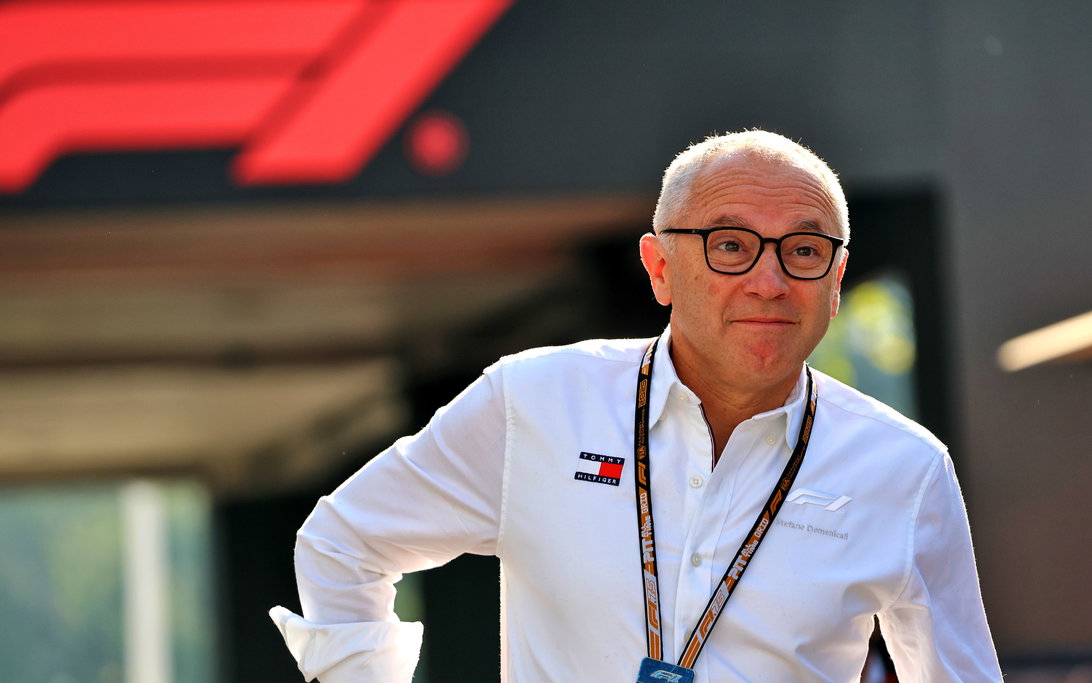
F1 CEO Stefano Domenicali has strongly defended the sport's new technical regulations, dismissing criticism of "artificial" racing by drawing parallels to the turbo era of the 1980s. His comments come amid driver complaints and planned talks to address issues with energy management and overtaking in the new cars.
Why it matters:
The debate strikes at the core of Formula 1's identity, balancing technological innovation with pure racing competition. How the sport's leadership responds to these early-season criticisms will set the tone for potential mid-season adjustments and influence the long-term direction of the technical regulations, which are still in their formative phase.
The details:
- The 2026 power units feature a 50-50 split between the internal combustion engine and a more powerful electrical system, capped at 350kw.
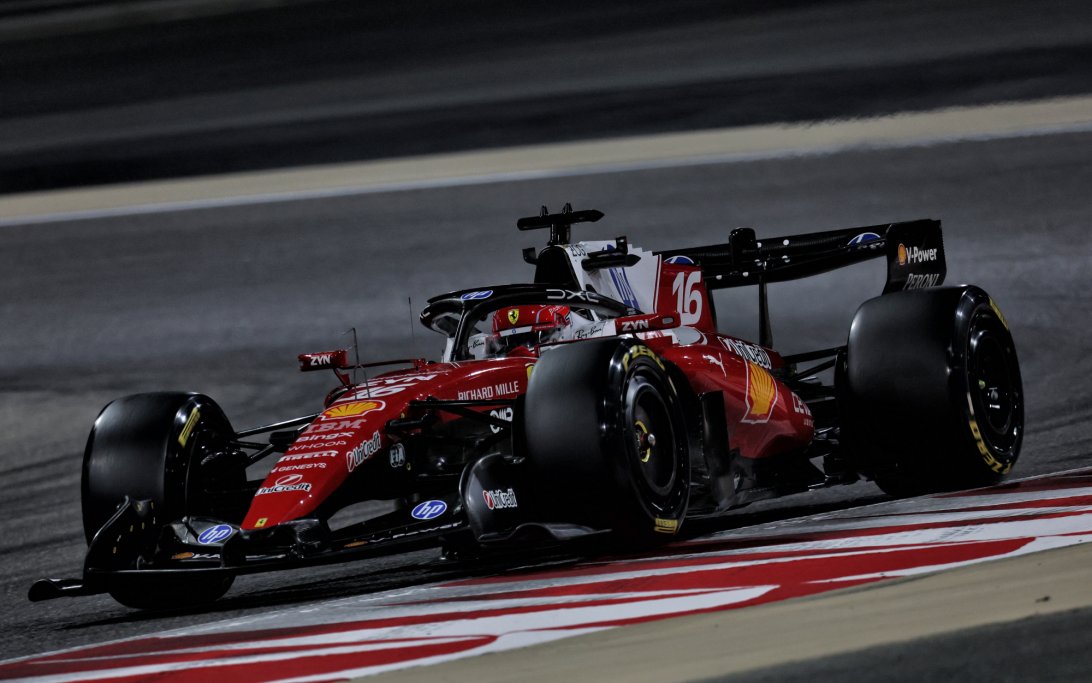
- Drivers in Australia and Japan reported being forced to "lift and coast" or experience "super-clipping"—where the car decelerates to charge the battery even at full throttle—during qualifying laps, hampering outright performance.
- Some competitors have described the resulting racing as reminiscent of a "Mario Kart" style, leading to scheduled discussions in April involving F1, the FIA, and all teams.
- Domenicali directly challenged the notion that the racing is artificial, asking critics, "What is artificial? Overtaking is overtaking."
- He pointed to historical precedent, noting that fuel and turbo management were also critical and common skills during the 1980s turbo era, suggesting current criticisms stem from a "short memory."
What's next:
The planned April meetings will be the first major test of the stakeholders' ability to collaboratively address technical teething problems. The outcome will indicate whether the focus is on minor refinements to energy deployment software or more significant philosophical discussions about the nature of the racing product F1 wants to deliver under these new rules.
Don't miss the next lap
Get the deep dives and technical analysis from the world of F1 delivered to your inbox twice a week.
Zero spam. Only high-octane analysis. Unsubscribe anytime.
Join the inner circle
Get the deep dives and technical analysis from the world of F1 delivered to your inbox twice a week.
Zero spam. Only high-octane analysis. Unsubscribe anytime.