F1 Considers Phased 2026 Rule Changes Over Multiple Races
F1 is set to implement crucial 2026 rule changes in phases rather than one major update, potentially delaying significant tweaks until June. The move aims to carefully fix safety issues with high closing speeds and improve the qualifying format, with a focus on avoiding unintended consequences that could hurt racing. A final plan will be voted on by teams next week.
Formula 1 is likely to abandon a single, major rules update for the Miami Grand Prix and instead implement crucial 2026 regulation tweaks in stages, potentially waiting until the Spanish Grand Prix in June for the most significant changes. This phased approach aims to carefully address critical safety and qualifying issues that have emerged early this season, allowing for proper testing and minimizing unintended consequences.
Why it matters:
The 2026 regulations were designed to create closer racing, but unexpected challenges with massive closing speeds and an underwhelming qualifying spectacle require urgent fixes. How and when these changes are implemented will directly impact driver safety, the quality of racing, and the competitive balance for the remainder of the season, making this a pivotal moment for the sport's new regulatory era.
The details:
Discussions between the FIA and teams are focused on two primary areas for amendment:
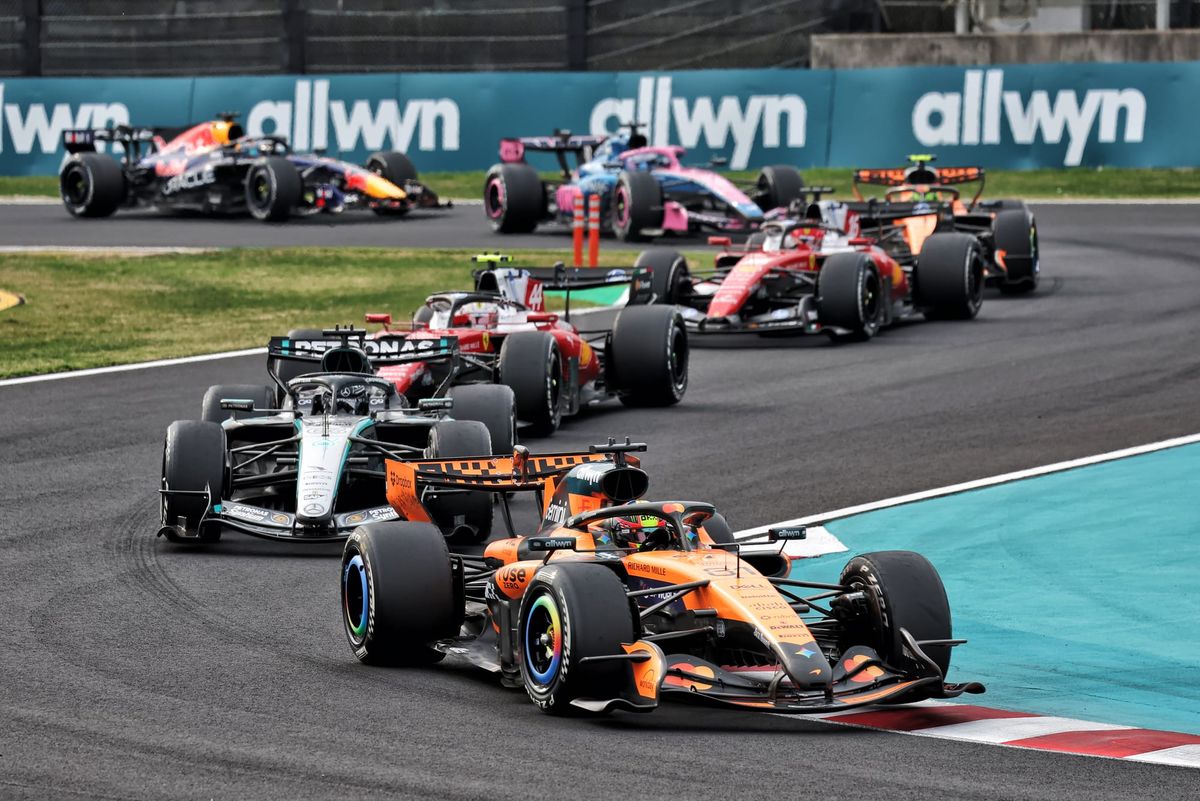
- Safety & Closing Speeds: A key driver for change is addressing dangerous closing speeds between cars, a factor cited in Ollie Bearman's major crash in Japan. The current energy deployment rules allow following cars to gain massive speed advantages on straights.
- Qualifying Spectacle: Drivers and fans have criticized the current qualifying format, where excessive energy management ("lift and coast") to harvest electrical power has reduced the pure performance shootout.
- A Staged Implementation: Initial plans for a single change in Miami are giving way to a more gradual rollout. The packed calendar, featuring back-to-back Sprint events in Miami and Montreal followed by Monaco, offers limited practice time to test major updates.
- Simpler, lower-risk tweaks could debut in Miami or Montreal.
- More complex changes may be held until the Spanish GP in mid-June, which features a standard race weekend format ideal for evaluation.
Between the lines:
The debate centers on a delicate balance. While changes are needed, there is a strong caution against knee-jerk reactions that could undermine the very goals of the 2026 rules.
- The Overtaking Dilemma: Reducing closing speeds for safety—potentially by limiting overtake boost modes—could also reduce the number of overtakes, harming the racing spectacle.
- The Performance Trade-off: Eliminating energy harvesting in qualifying to improve the show would require giving teams less total energy, which would directly result in slower lap times. There is little appetite for making the new-generation cars significantly slower or less challenging to drive.
What's next:
The final decision on the change process rests with an upcoming vote by team principals. Technical discussions continue this week, with the goal of finalizing proposals for the vote scheduled for next Monday.
- F1 must navigate a tight timeline to have any new rules ratified and prepared for the season's resumption in Miami on May 2-4.
- The outcome will set a precedent for how agile the sport can be in reacting to real-world feedback from its groundbreaking new regulations, with all parties emphasizing a cautious, evidence-based approach over haste.
Don't miss the next lap
Get the deep dives and technical analysis from the world of F1 delivered to your inbox twice a week.
Zero spam. Only high-octane analysis. Unsubscribe anytime.
Join the inner circle
Get the deep dives and technical analysis from the world of F1 delivered to your inbox twice a week.
Zero spam. Only high-octane analysis. Unsubscribe anytime.
Continue Reading
View More News