Hadjar Disagrees with Verstappen's Critique of F1 Racing
Red Bull's Isack Hadjar disputes teammate Max Verstappen's negative view on F1 racing, stating that while the racing is not bad, he criticizes car performance in qualifying for preventing top speeds at the end of straights.
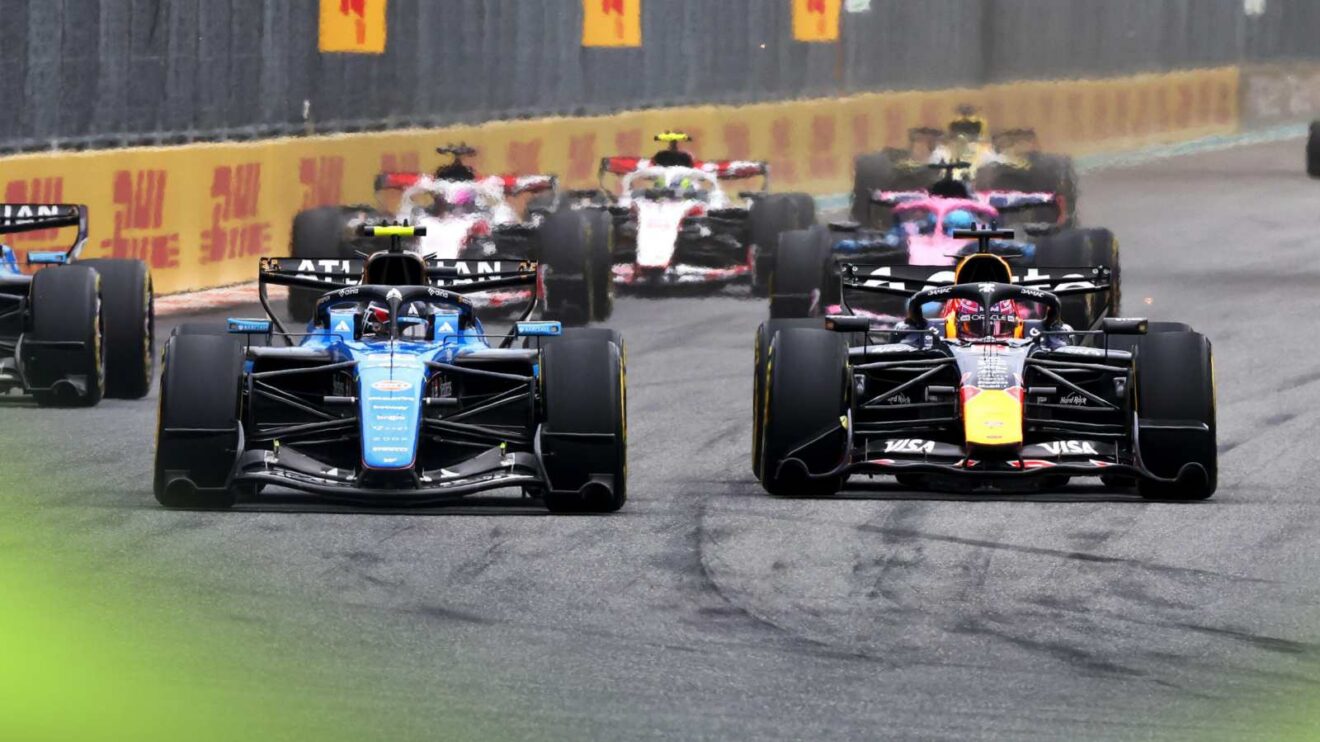
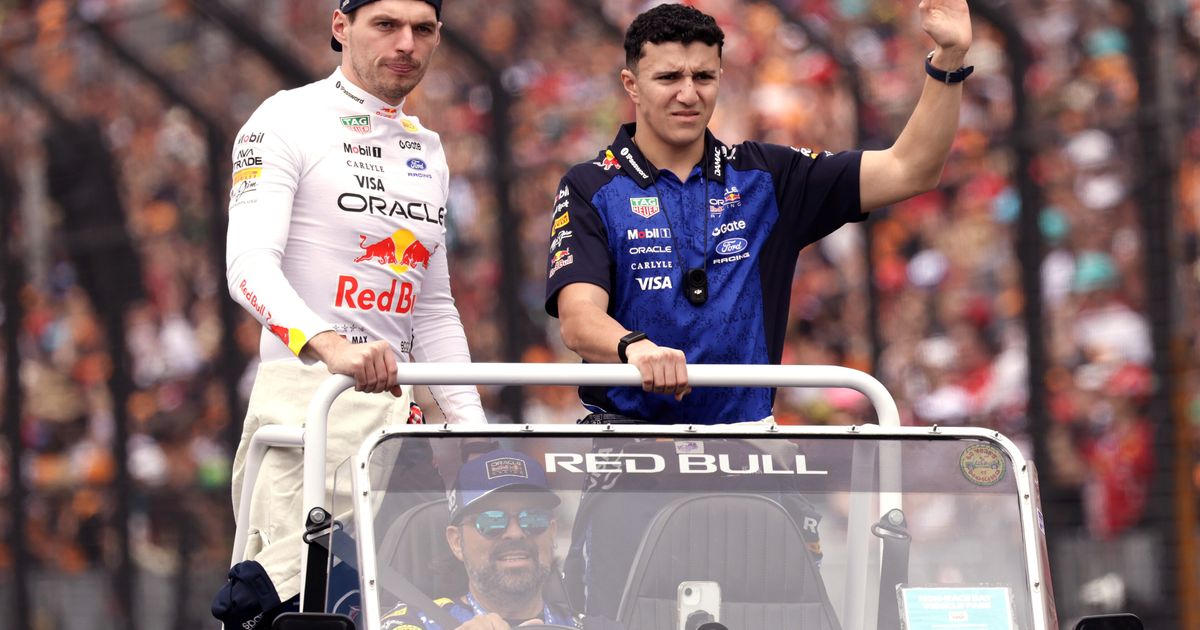
Red Bull Racing's Isack Hadjar has countered his teammate Max Verstappen's recent criticism of Formula 1's current racing quality, arguing that the on-track competition is not the primary issue. Instead, Hadjar points to specific frustrations with car performance during qualifying sessions, highlighting a disconnect between single-lap pace and race-day action. This perspective comes after he scored his first points for the team at the Shanghai International Circuit, rebounding from a car failure in Australia.
Why it matters:
Driver feedback is crucial as F1 evolves its regulations and car designs for the future. When prominent drivers from the same top team express divergent views, it underscores the complex balance between performance, reliability, and racing excitement. Verstappen's warnings about "fundamentally flawed" cars threatening the sport contrast with Hadjar's more nuanced take, fueling ongoing debates about the direction of modern Formula 1.
The details:
- Hadjar directly responded to Verstappen's comments, stating, "To be fair, no. The racing is not too bad," emphasizing that the actual wheel-to-wheel competition remains acceptable.
- His main criticism focuses on qualifying, where drivers often must perform "lift and coast" maneuvers to manage tires and fuel, preventing cars from reaching top speed at the end of straights.
- Qualifying Frustration: Hadjar described qualifying as "a bit of the worst part" due to these conservation tactics, which he believes undermine the pure performance expected of a race car.
- Performance vs. Racing: He concluded that while it's "a bit of a shame" how cars behave in qualifying, the racing itself has been "pretty good," suggesting the issue is isolated to single-lap performance rather than overall race craft.
What's next:
This internal discussion within Red Bull mirrors wider conversations in the F1 paddock about the 2026 regulatory changes and car design philosophies. As teams develop next-generation power units and chassis, input from drivers like Hadjar and Verstappen will be key to creating cars that are both competitively fast and capable of delivering engaging racing. The sport's stakeholders will likely continue to weigh these opinions in shaping future rules to address driver concerns.
Don't miss the next lap
Get the deep dives and technical analysis from the world of F1 delivered to your inbox twice a week.
Zero spam. Only high-octane analysis. Unsubscribe anytime.
Join the inner circle
Get the deep dives and technical analysis from the world of F1 delivered to your inbox twice a week.
Zero spam. Only high-octane analysis. Unsubscribe anytime.
Continue Reading
View More News