Hamilton Cites Unnatural Power Delivery in 2026 Era, Rejects Simulator Reliance
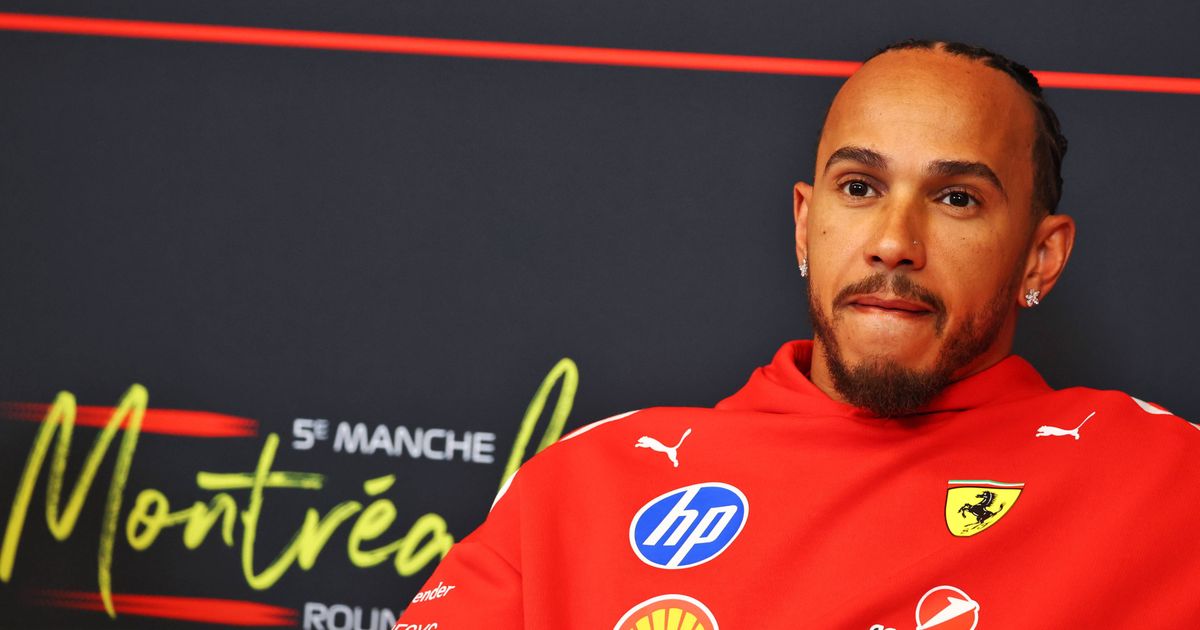
Lewis Hamilton acknowledges closer racing in the 2026 era but describes the current energy deployment behavior as unnatural. The Ferrari driver prioritizes track feedback over simulators, a choice that could shape team development and hybrid strategy this season.
Lewis Hamilton acknowledges that the 2026 power units deliver significantly closer racing but admits the current energy deployment management creates an unnatural driving sensation. The Ferrari driver is doubling down on track-focused preparation, explicitly avoiding simulators to maintain his performance edge.
Why it matters:
As F1 enters a new hybrid era with strict energy deployment constraints, driver feedback directly influences team development strategies. Hamilton’s resistance to virtual simulation highlights a growing divide in how top teams approach car setup, potentially impacting Ferrari’s path to championship contention. The shift away from pure simulation testing also underscores a broader industry debate over whether virtual data accurately translates to real-world race conditions.
The details:
- Hamilton describes the current power unit behavior as a “weird feeling,” noting that engines lose thrust halfway down straights once energy deployment depletes.
- Unlike the continuous pull of V8 and V10 eras, modern power units force RPM to drop before the braking zone, altering throttle application and racecraft.
- The driver’s two strongest podium finishes this season (Miami and Canada) were achieved without simulator preparation, reinforcing his preference for real-world track feedback.
- Ferrari continues to integrate driver data over virtual correlation, with Hamilton and Charles Leclerc prioritizing on-track sessions to map the SF-26’s limits.
- The Scuderia is now weighing whether to adjust energy deployment maps across different circuits or adapt driver techniques to match the current hardware limitations.
What's next:
With the 2026 season still in its early stages, Hamilton’s feedback will likely shape Ferrari’s energy deployment strategy and simulator protocols. If the Scuderia can harmonize the current power unit’s limitations with traditional driving techniques, they could stabilize their performance ahead of the mid-season technical updates. The team will need to balance regulatory compliance with driver preference as they pursue a consistent title challenge.
Don't miss the next lap
Get the deep dives and technical analysis from the world of F1 delivered to your inbox twice a week.
Zero spam. Only high-octane analysis. Unsubscribe anytime.
Join the inner circle
Get the deep dives and technical analysis from the world of F1 delivered to your inbox twice a week.
Zero spam. Only high-octane analysis. Unsubscribe anytime.
Continue Reading
View More News