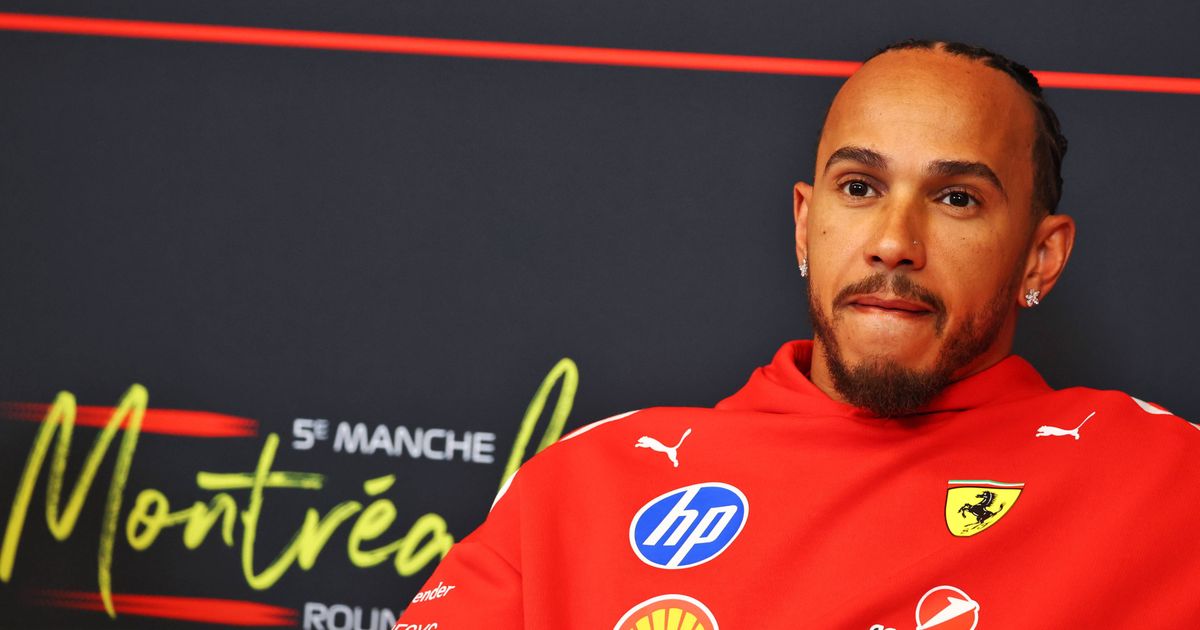
Hamilton Rejects 2026 Power Unit Feelings and Simulator Prep
Lewis Hamilton remains unconvinced by the 2026 F1 power unit delivery, describing the mid-straight power drop as 'weird' compared to V8 eras. The seven-time champion also confirmed he will stop using the simulator for race prep, relying instead on track feedback to guide Ferrari's development in 2026.
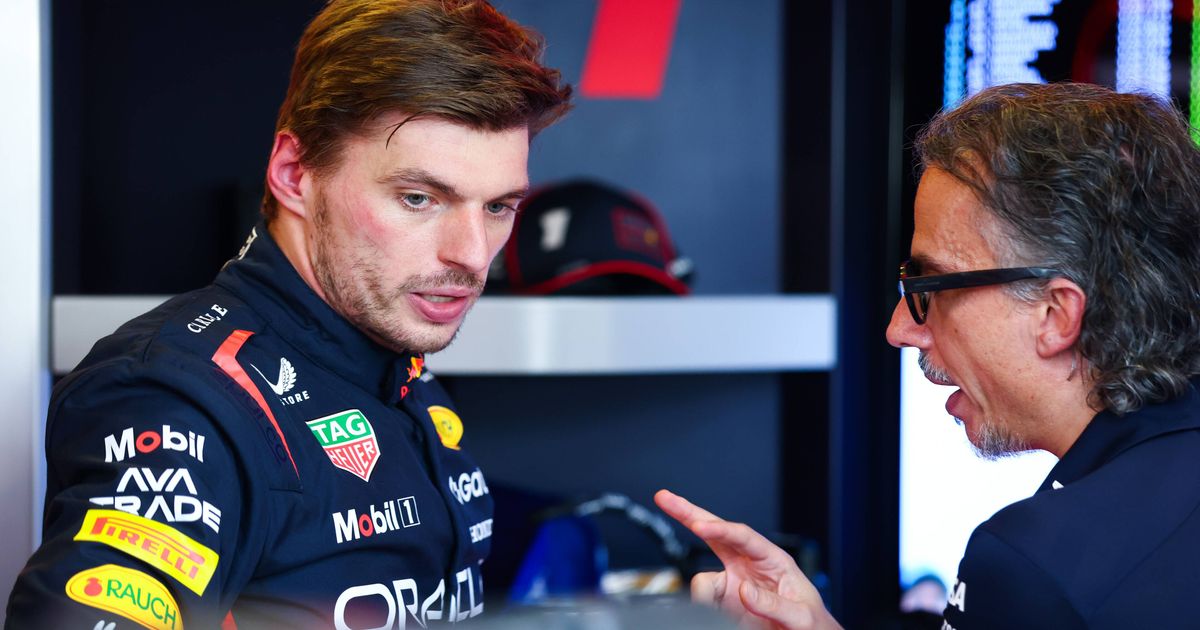
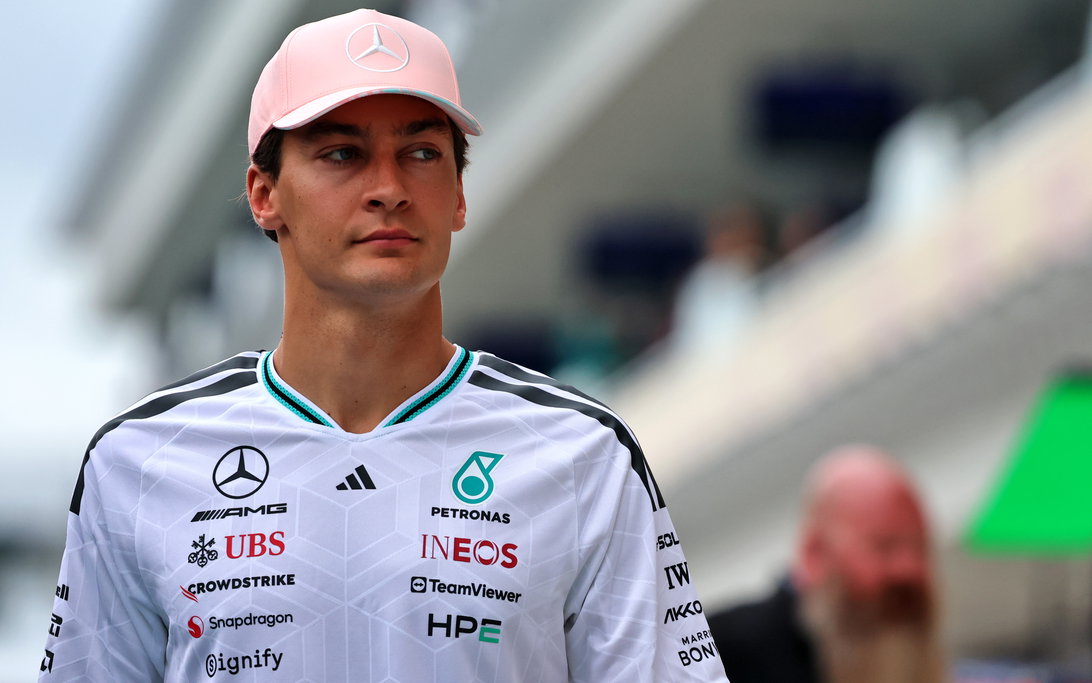
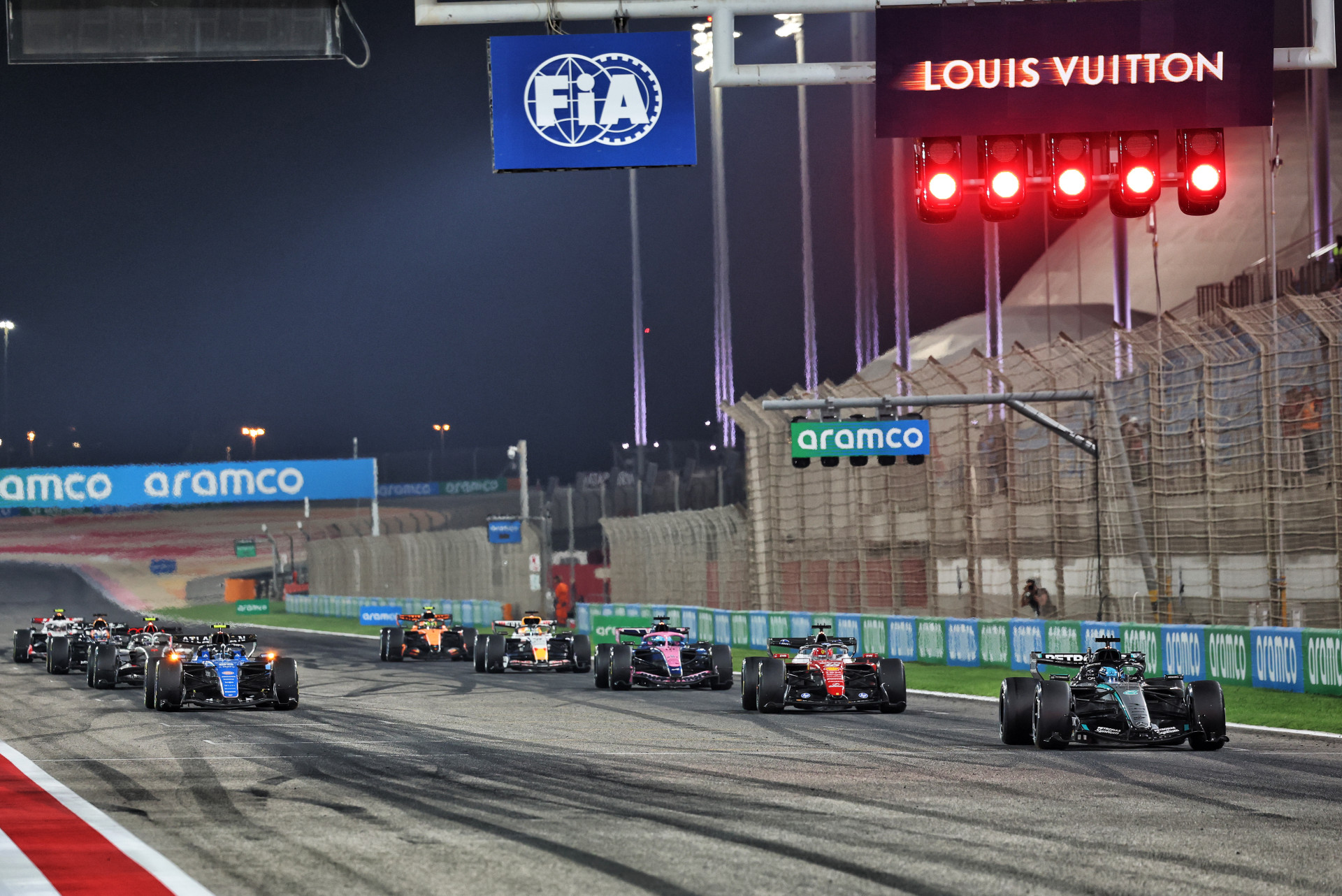
Following the thrilling Miami and Canadian Grands Prix, Lewis Hamilton has admitted that despite the excitement, he remains unconvinced by the 2026 F1 power units. While the new regulations have delivered closer racing at the front, the seven-time champion describes the current energy delivery as fundamentally unnatural. He also confirmed his decision to abandon simulator usage for race preparation, relying instead on his own feel for the SF-26 to guide Ferrari's development. The Canadian Grand Prix weekend delivered plenty of excitement, especially at the front of the field, with Kimi Antonelli and George Russell exchanging the race lead for almost half the Grand Prix before a technical issue ultimately forced the Brit's W17 into retirement. Behind them, Hamilton and Max Verstappen produced a spectacular fight for second place, further highlighting how the new generation of cars has allowed for much closer racing compared to recent years.
Why it matters:
Driver adaptation to technical regulation changes is crucial for team performance and championship contention. Hamilton's skepticism highlights a potential disconnect between FIA design goals and driver experience.
- Power Delivery: The current power units lose energy mid-straight, causing RPM drops.
- Driver Preference: Hamilton believes V8/V10 engines provided a superior sensation.
- Preparation: Simulators are valuable tools, but Hamilton prefers real-world feedback.
The Details:
Hamilton's comments came after a strong weekend in Montreal where he secured a podium. The Ferrari driver noted that the power units behave differently than previous generations, specifically regarding how they handle energy deployment.
- Energy Deployment: Once the energy runs out, power dies halfway down the straight.
- Comparison: He compared this to the V8 and V10 eras where engines 'pulled and pulling' until the braking zone.
- Simulator: He stated he is 'old school' and believes he is better without it.
- Correlation: Real-world data remains essential for identifying car weaknesses.
Looking Ahead:
Ferrari will continue to rely on Hamilton's feedback without the simulator support.
- Development: Test drivers will provide data, but Hamilton's input is prioritized.
- Future: The team must adapt to Hamilton's preferred driving style without virtual prep.
- 2026 Season: The team aims to improve the car's power delivery to match driver expectations.
Hamilton's stance suggests a shift in how veteran drivers approach modern F1. The 2026 era promises tighter competition, but driver comfort remains a variable. Ferrari will need to balance technical innovation with driver feedback to maintain competitiveness. The upcoming races will test whether the team can adapt to Hamilton's preferences while maximizing the car's potential.
Don't miss the next lap
Get the deep dives and technical analysis from the world of F1 delivered to your inbox twice a week.
Zero spam. Only high-octane analysis. Unsubscribe anytime.
Join the inner circle
Get the deep dives and technical analysis from the world of F1 delivered to your inbox twice a week.
Zero spam. Only high-octane analysis. Unsubscribe anytime.
Continue Reading
View More News