Leclerc defends Ferrari strategy, takes blame for Miami GP podium loss
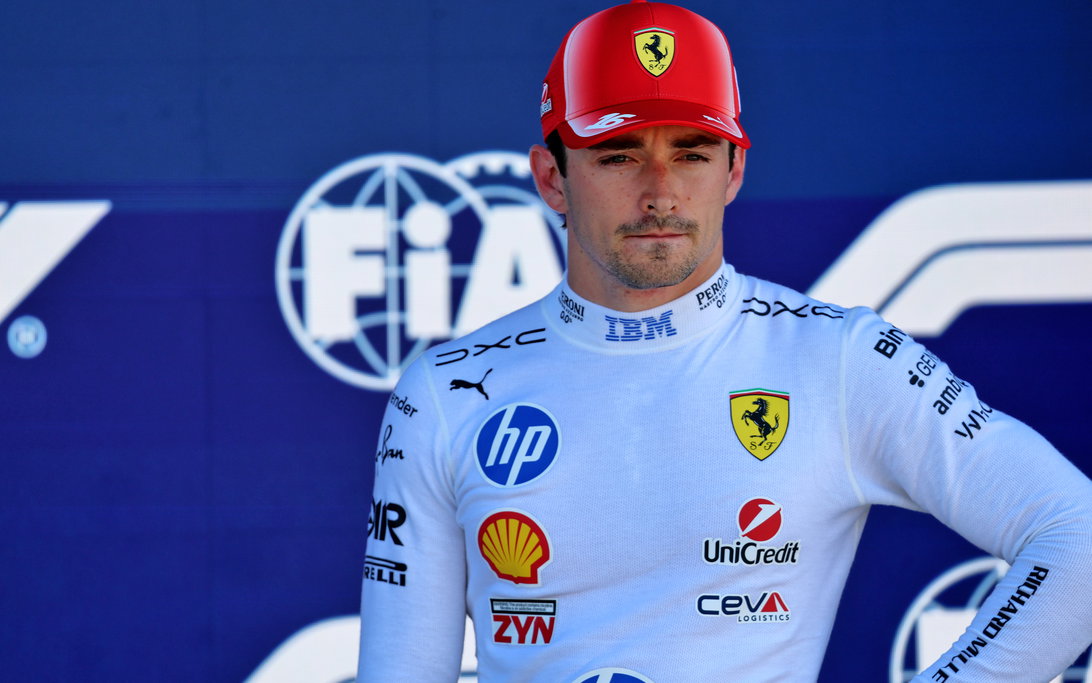
Charles Leclerc shouldered the blame for his missed podium at the Miami GP, citing his last-lap spin as the decisive error rather than Ferrari's strategy. After an early pit stop dropped him into traffic, a final-lap incident and subsequent penalty relegated him to eighth place.
Charles Leclerc insisted it is "easy to blame" strategy for his Miami Grand Prix unraveling, instead pointing to his own last-lap spin as the primary reason he missed a podium finish. The Ferrari driver led early but a premature pit stop and a costly final-lap error saw him drop to eighth place after a post-race penalty.
Why it matters:
Leclerc's public accountability shifts the narrative from potential team strategy errors to driver execution, emphasizing personal responsibility at a critical point in Ferrari's season. His defense of the team's call also highlights the complex, real-time decisions that can make or break a race result, especially in tight battles with Mercedes and McLaren.
The details:
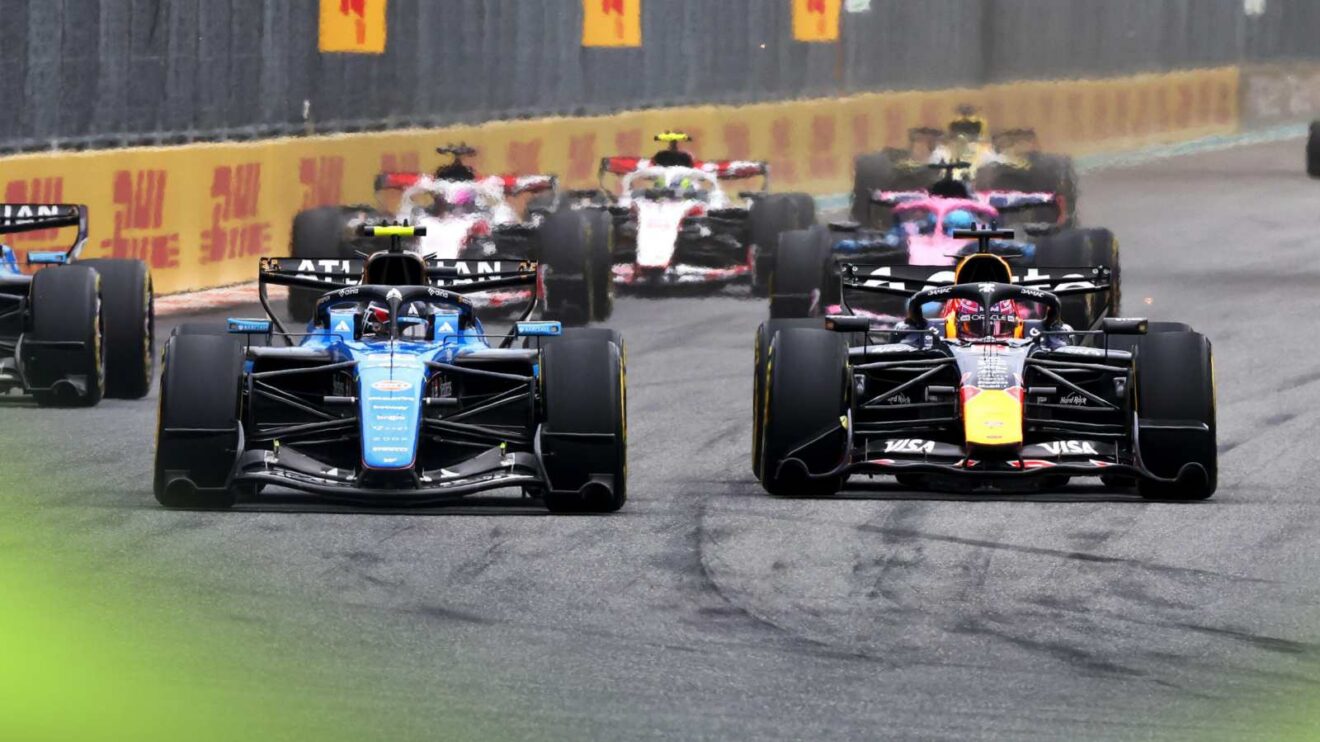
- Leclerc seized the lead on the opening lap after polesitter Kimi Antonelli ran wide and Max Verstappen spun, setting up a three-way fight for victory with Antonelli and Lando Norris.
- Ferrari pitted Leclerc on Lap 21 to cover George Russell's stop, but the call proved premature.
- The stop itself was slow, and Leclerc lost position to Russell.
- Key rivals Antonelli and Norris pitted much later, on Laps 26 and 27 respectively, gaining a strategic advantage.
- Leclerc lost considerable time battling Russell for nearly 10 laps after his stop.
- While fighting Oscar Piastri for third place on the final lap, Leclerc spun at Turn 3, lightly hitting the wall.
- The contact damaged his car, compromising its handling through right-hand corners.
- He was forced to cut multiple corners to finish, which resulted in a 20-second post-race time penalty.
- The penalty demoted him from sixth to eighth in the final classification.
What's next:
In his post-race comments, Leclerc prioritized self-analysis over critiquing the team's strategy. "First I'll look at myself, and then surely I'll speak with the team to try and improve whatever we haven't optimised," he stated. This approach suggests a focus on internal review and collective improvement as Ferrari aims to optimize its race-day operations and convert promising positions into solid results in the upcoming races.
Don't miss the next lap
Get the deep dives and technical analysis from the world of F1 delivered to your inbox twice a week.
Zero spam. Only high-octane analysis. Unsubscribe anytime.
Join the inner circle
Get the deep dives and technical analysis from the world of F1 delivered to your inbox twice a week.
Zero spam. Only high-octane analysis. Unsubscribe anytime.
Continue Reading
View More News