Mercedes' dominance challenged as rivals close gap after Miami updates
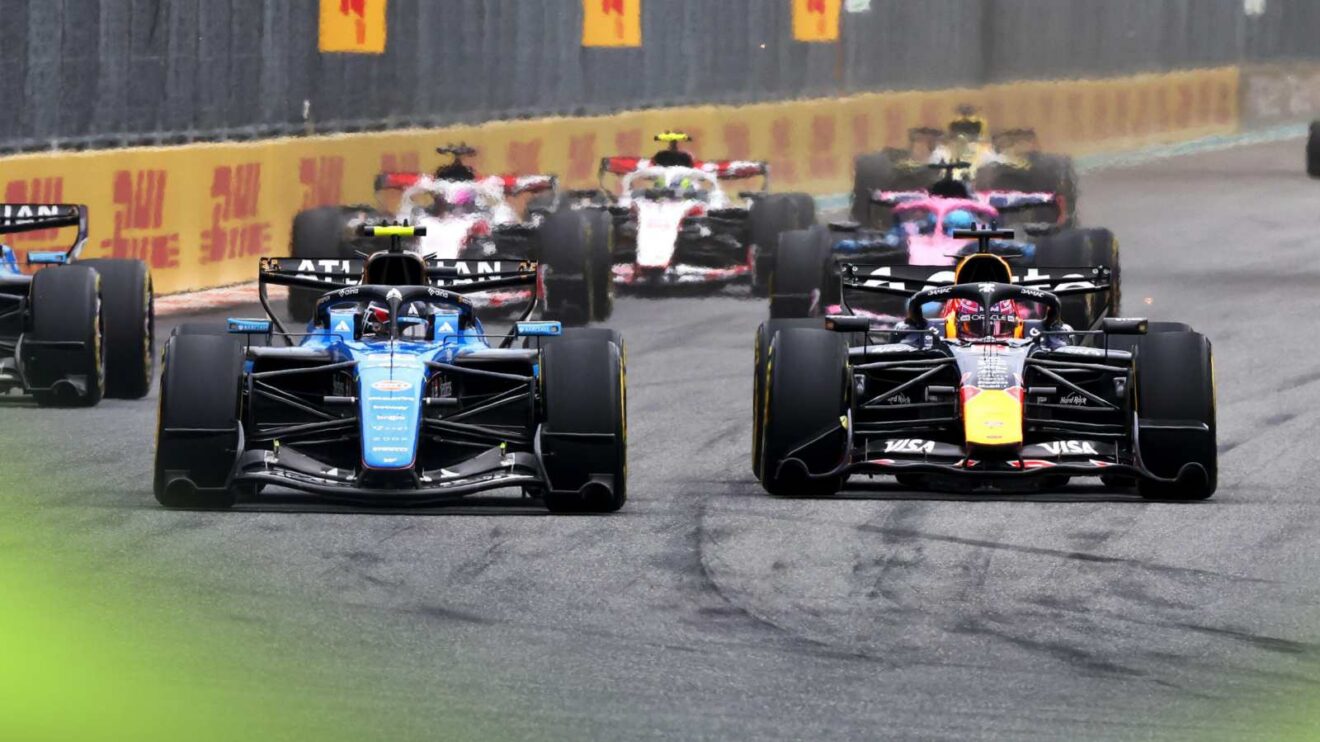
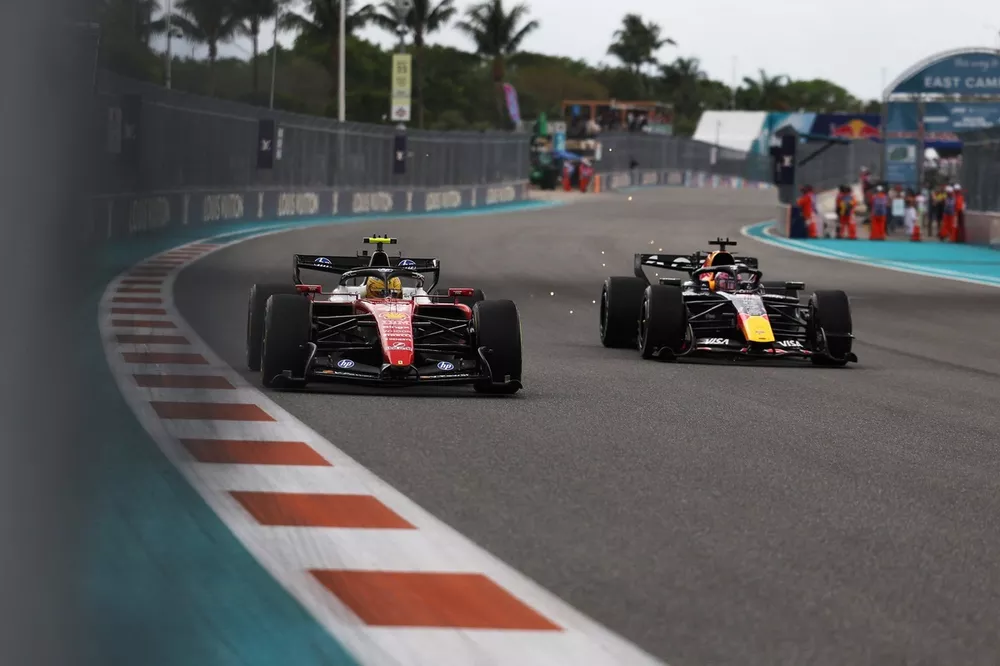
Mercedes' early dominance in the 2026 F1 season has been significantly eroded after the Miami GP, with Red Bull and McLaren making major gains through updates. While the team still won, its pace advantage shrank, signaling a tightening field as the development race heats up and sets the stage for a multi-team battle.
Mercedes' early-season stranglehold on Formula 1 has tightened significantly after the Miami Grand Prix, with Red Bull and McLaren making substantial gains through major upgrade packages. While Kimi Antonelli secured another victory for the Silver Arrows, their qualifying and race pace advantage has shrunk dramatically, signaling a potential shift in the 2026 competitive order as the development race intensifies.
Why it matters:
The convergence in performance suggests the new era of regulations is delivering its intended effect, with teams rapidly closing the performance gap to the early frontrunner. This evolving pecking order is crucial for the championship fight, as it moves the season beyond a potential one-team domination and sets the stage for a multi-team battle at the front, increasing strategic intrigue and on-track competition.
The details:
- Mercedes' Shrinking Margin: After the first three races, Mercedes held a commanding 0.56s average qualifying advantage and a 0.53s per lap race pace lead. In Miami, those margins fell to 0.35s in qualifying and a razor-thin 0.02s per lap over McLaren in race pace.
- Update Disparity: A key factor was the difference in upgrade philosophy. Mercedes brought only two minor updates to Miami, while its rivals were aggressive:
- Ferrari introduced 11 new components.
- Red Bull and McLaren each brought seven.
- Track & Regulatory Factors: Miami is historically a weak circuit for Mercedes, where they have averaged being 0.22s per lap slower than their seasonal norm. Teams downplayed the impact of recent regulatory adjustments on battery usage, with McLaren's Andrea Stella attributing gains to improved internal processes.
- Biggest Gainers: Red Bull made the largest single leap, improving by an estimated 0.7s per lap after adjusting for track characteristics. McLaren also took a major step, closing the gap to Mercedes by around 0.56s in race pace.
By the numbers:
- Ferrari's Muted Impact: Despite the largest package (11 parts), Ferrari's race pace improved by only 0.07s. Adjusted for Miami being a strong track for them, their performance may have actually regressed by 0.18s per lap.
- Midfield Movements: Williams showed a flash of 0.8s improvement, though adjusted gains may be closer to 0.23s. Alpine's six new parts yielded almost no net gain, while Aston Martin improved 0.28s with no updates.
- Biggest Losers: Racing Bulls suffered the largest regression (-0.86s/lap) despite six updates. Haas and Audi, with minimal development, fell back significantly, with Audi's adjusted deficit growing by 0.91 seconds.
What's next:
The next race in Canada will be a critical litmus test. Mercedes is planning a larger upgrade package for Montreal, which could re-establish their margin or confirm that their rivals have genuinely caught up. Ferrari will be under pressure to unlock the potential of their Miami package with more practice time, while the consistency of Red Bull and McLaren's gains will be scrutinized. The intense development race of 2026 means the competitive order remains fluid, and Canada may reveal the next chapter in this evolving title fight.
Don't miss the next lap
Get the deep dives and technical analysis from the world of F1 delivered to your inbox twice a week.
Zero spam. Only high-octane analysis. Unsubscribe anytime.
Join the inner circle
Get the deep dives and technical analysis from the world of F1 delivered to your inbox twice a week.
Zero spam. Only high-octane analysis. Unsubscribe anytime.
Continue Reading
View More News