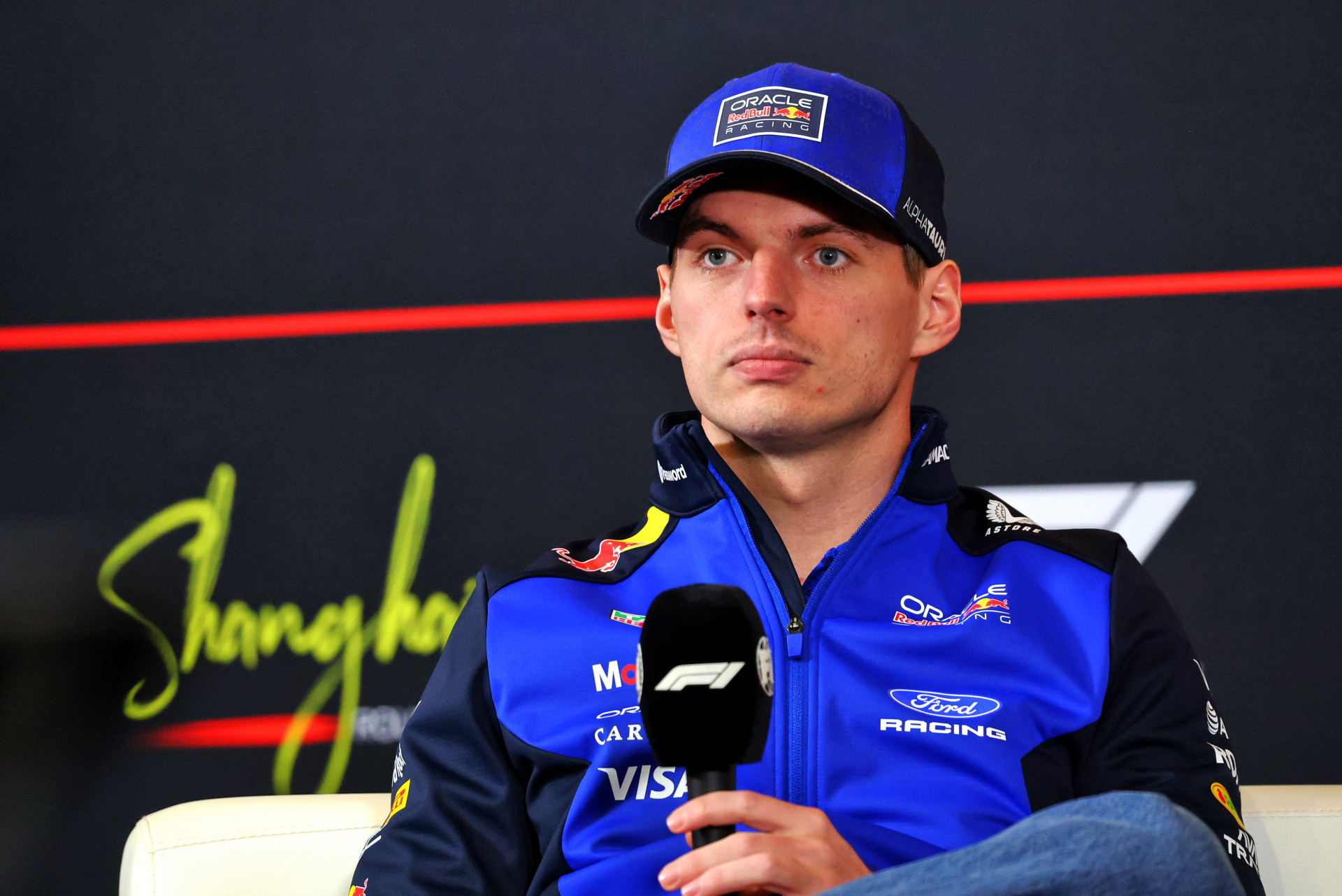
Verstappen Slams 'Joke' 2026 F1 Regulations as Fundamentally Flawed
Max Verstappen has intensified his criticism of F1's 2026 regulations, calling the racing a 'joke' and comparing it to 'Mario Kart' due to artificial overtaking from battery deployment. He argues the concept is fundamentally flawed and risks damaging the sport, despite ongoing discussions with officials.
Max Verstappen has launched another scathing critique of Formula 1's 2026 technical regulations, labeling the current racing product a 'joke' and 'terrible'. The four-time champion argues the new power unit formula, which heavily emphasizes electrical energy and battery deployment, has created artificial 'Mario Kart'-style overtaking that undermines genuine competition, despite Mercedes continuing its dominant run at the front of the field.
Why it matters:
Verstappen's persistent, public criticism from the sport's biggest star highlights a significant potential crisis for F1's new era. If the core racing product is perceived as gimmicky and fundamentally flawed by its top drivers, it risks alienating purist fans and damaging the sport's long-term credibility, even if it generates short-term overtaking action.
The details:
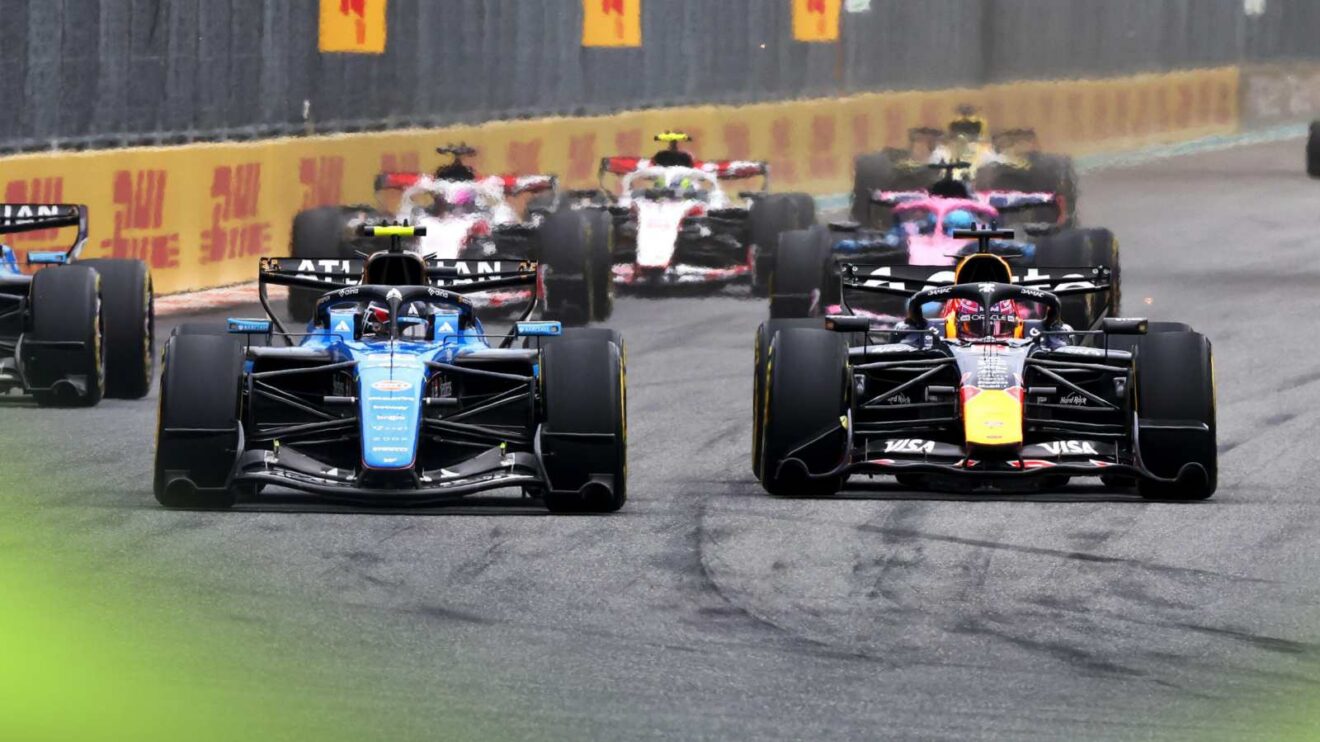
- Verstappen described the racing as 'playing Mario Kart', where drivers repeatedly pass and re-pass on straights based solely on battery deployment cycles, calling it a spectacle that 'has nothing to do with racing.'
- He contends the 'yo-yo' effect has not improved the competitive order, noting Mercedes' continued dominance with wins for George Russell and rookie Kimi Antonelli in the opening rounds.
- The Red Bull driver insists his criticism is not results-based, stating he would hold the same opinion if he were winning, as he 'cares about the racing product.'
- He believes the issue is fundamental, stating the concept is 'fundamentally flawed' and cannot be fully fixed with simple tweaks.
- Verstappen revealed drivers are in discussions with F1 and the FIA, acknowledging the political difficulty of changing rules after massive team investment, and warned that prioritizing spectacle over racing fundamentals 'will eventually ruin the sport.'
What's next:
The pressure is now on the FIA and Formula 1 to address these core driver concerns. While immediate regulatory changes for 2026 are unlikely due to sunk costs, the governing bodies may explore software or sporting rule adjustments to mitigate the 'yo-yo' effect. Verstappen's status ensures this debate will remain at the forefront, testing the sport's ability to balance innovation, spectacle, and sporting integrity.
Don't miss the next lap
Get the deep dives and technical analysis from the world of F1 delivered to your inbox twice a week.
Zero spam. Only high-octane analysis. Unsubscribe anytime.
Join the inner circle
Get the deep dives and technical analysis from the world of F1 delivered to your inbox twice a week.
Zero spam. Only high-octane analysis. Unsubscribe anytime.
Continue Reading
View More News