Wolff recalls moment he 'fired' Hamilton and Rosberg after 2016 crash
Toto Wolff reveals he temporarily 'fired' Lewis Hamilton and Nico Rosberg via email after their crash at the 2016 Spanish GP. The drastic move was intended to shock the drivers into understanding that the team's interests must come before their personal championship rivalry, highlighting Wolff's hardline approach to managing Mercedes' most dominant yet internally tense era.
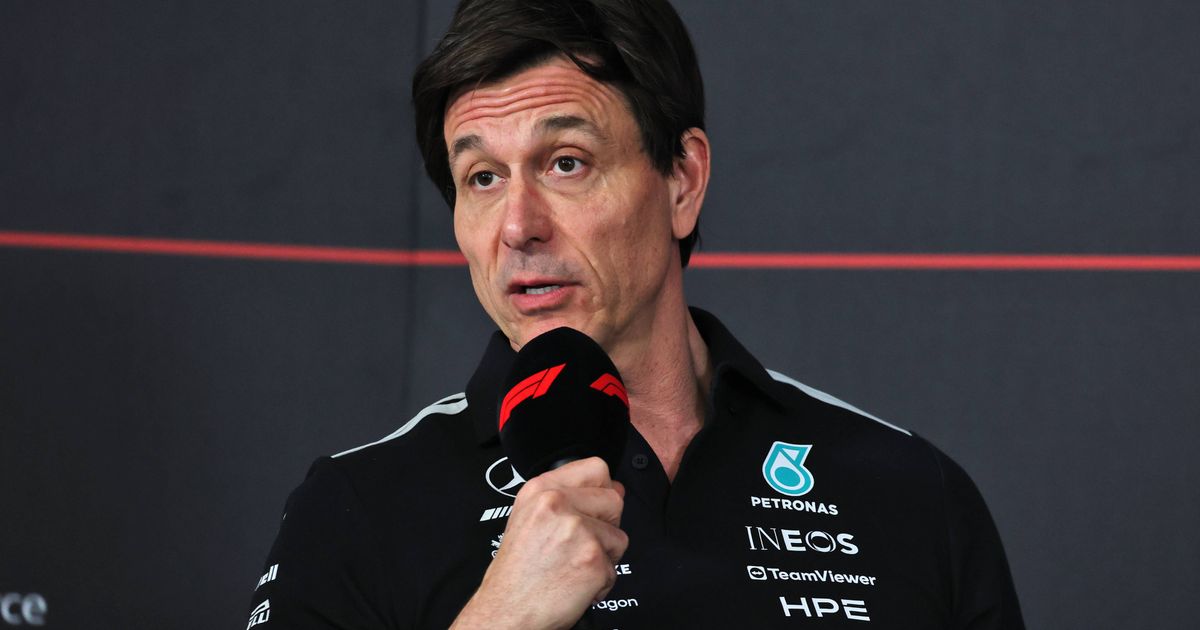
Mercedes Team Principal Toto Wolff has revealed he formally 'fired' both Lewis Hamilton and Nico Rosberg by email after their infamous first-lap collision at the 2016 Spanish Grand Prix, a drastic move intended to reinforce that the team's interests superseded their personal rivalry.
Why it matters:
This incident offers a rare, candid look at the extreme management challenges Wolff faced during Mercedes' most dominant era. His willingness to take such a hardline stance—even if temporarily symbolic—highlights the intense internal pressure and the delicate balance required to manage two elite drivers competing for a championship within the same team. It underscores a core principle of Wolff's leadership: protecting the team's brand and collective goal is non-negotiable, even above the interests of superstar drivers.
The details:
- The breaking point was the 2016 Spanish GP, where Hamilton and Rosberg took each other out on the opening lap, marking a second major collision stemming from their intensifying rivalry.
- Wolff described calling then-Daimler CEO Dieter Zetsche to inform him of the decision to make both drivers "redundant," a move that shocked Zetsche.
- Wolff's rationale was that the drivers needed to understand the severity of their actions for the brand and the team. He stated the rivalry had escalated from healthy competition into "animosity," which he would not allow within the organization.
- The 'firing' was communicated via an email stating the drivers were, "at the moment, you’re not part of the team." This was a temporary, disciplinary measure to reset expectations.
The big picture:
The 2014-2016 period saw Mercedes achieve unprecedented success, but it was internally fraught with tension between Hamilton and Rosberg. Wolff's management style, as illustrated by this episode, was crucial in navigating those waters. While allowing fierce competition, he established clear "red lines," the foremost being that the drivers must not crash into each other. This firm boundary-setting was a key factor in Mercedes harnessing their drivers' talent without letting it destroy the team, ultimately enabling them to secure multiple constructors' championships during that turbulent time.
Looking ahead:
While a dramatic historical anecdote, the principles behind Wolff's action remain relevant. As Mercedes rebuilds to challenge for championships again, managing driver dynamics—whether between George Russell and Lewis Hamilton or future pairings—will be critical. Wolff's recollection serves as a powerful reminder of the team-first philosophy he will continue to enforce, ensuring competitive fire never compromises the collective mission to win.
Don't miss the next lap
Get the deep dives and technical analysis from the world of F1 delivered to your inbox twice a week.
Zero spam. Only high-octane analysis. Unsubscribe anytime.
Join the inner circle
Get the deep dives and technical analysis from the world of F1 delivered to your inbox twice a week.
Zero spam. Only high-octane analysis. Unsubscribe anytime.
Continue Reading
View More News