Mercedes and Red Bull are using a legal but controversial engine mode in qualifying to extend full power deployment, gaining a tiny laptime advantage. However, it has caused multiple cars to lose power dangerously on cool-down laps, drawing FIA scrutiny and irritating Ferrari, who see it as unintended rule exploitation.
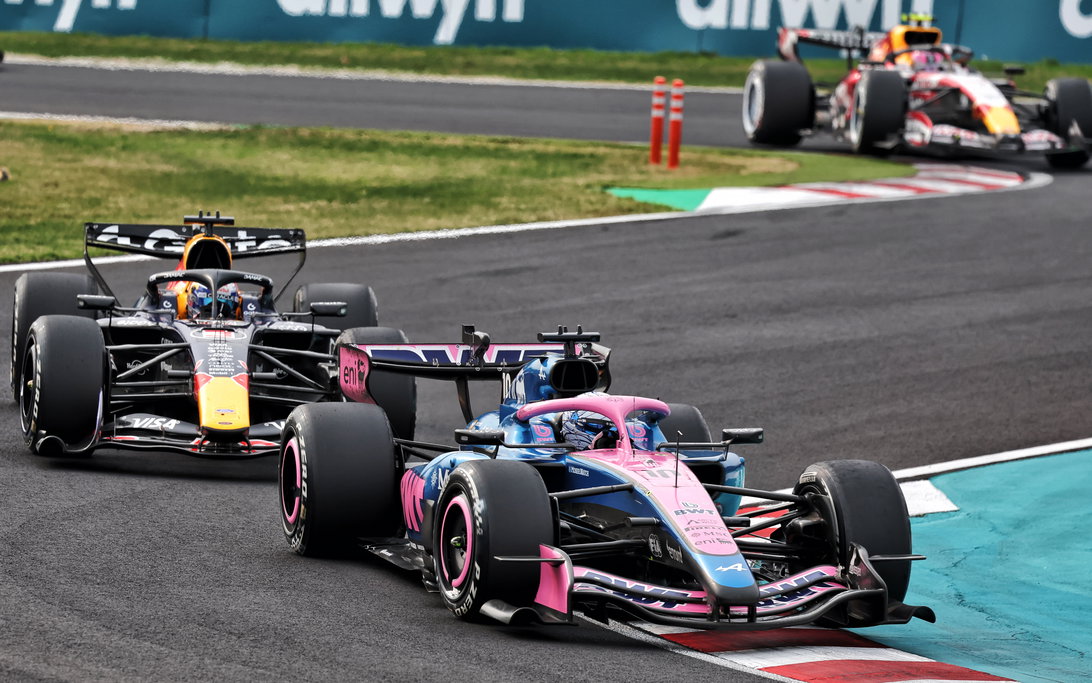
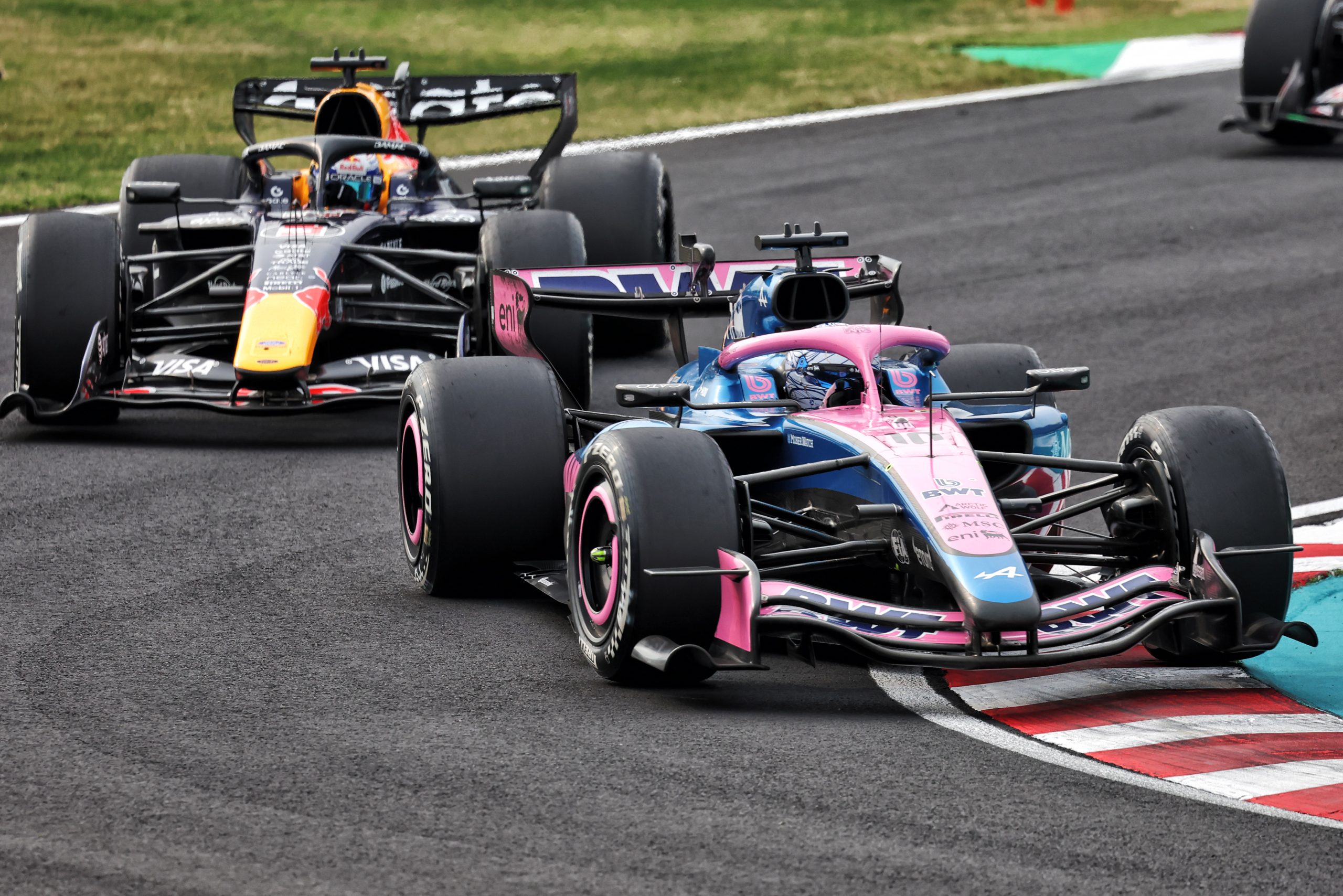
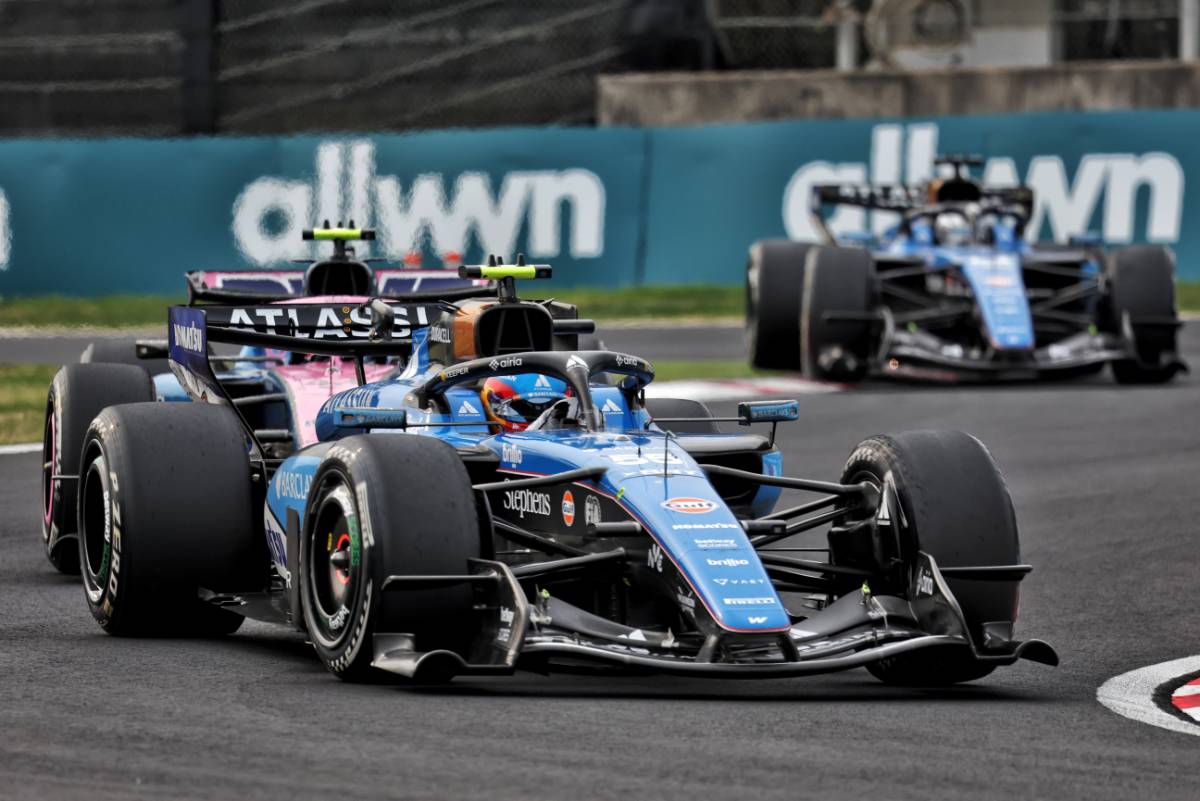
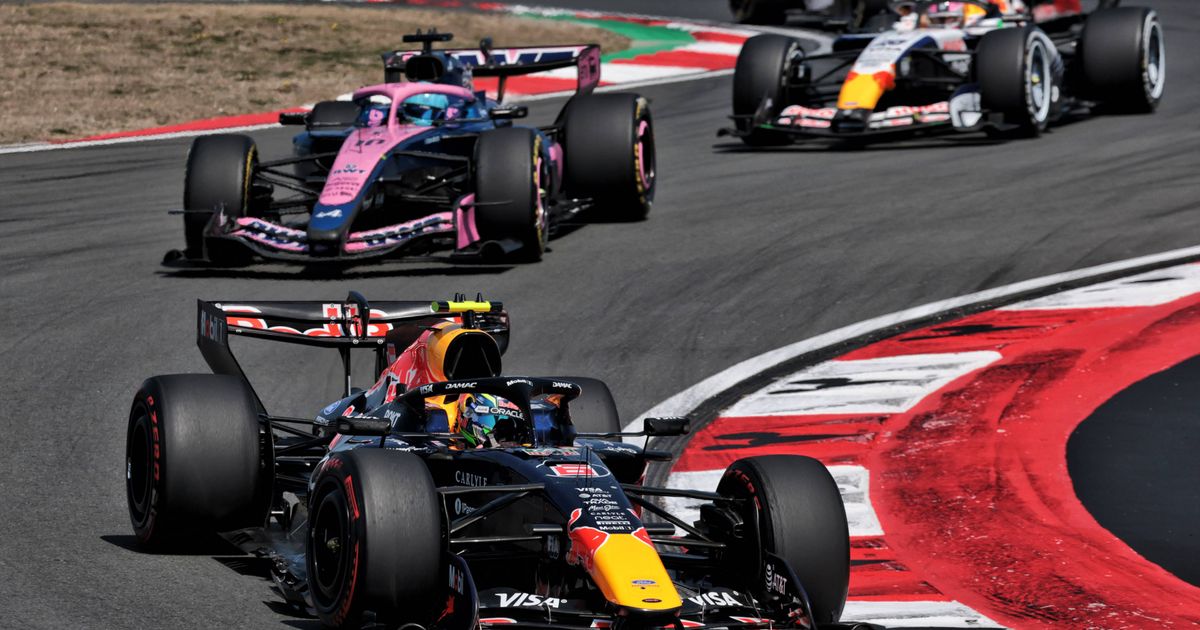
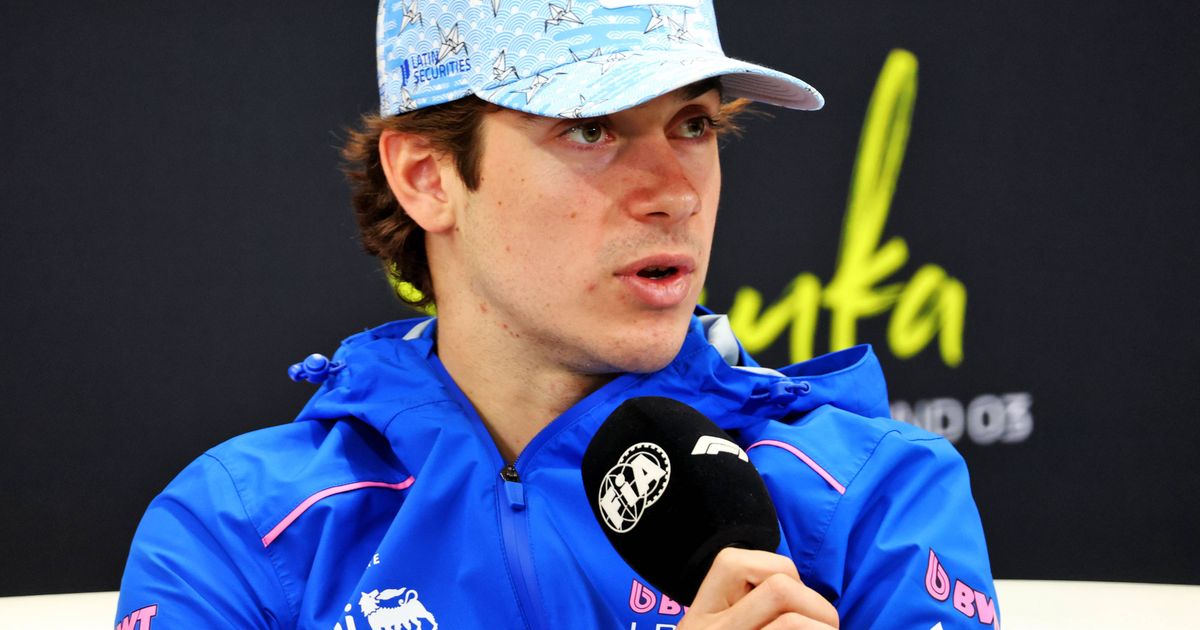
Pierre Gasly fended off Max Verstappen for 26 laps at Suzuka to secure P7, calling his Alpine A524 the best car of his F1 career. The defiant drive signals a major step forward for the team, validating its focused development and raising its ambitions beyond the midfield.
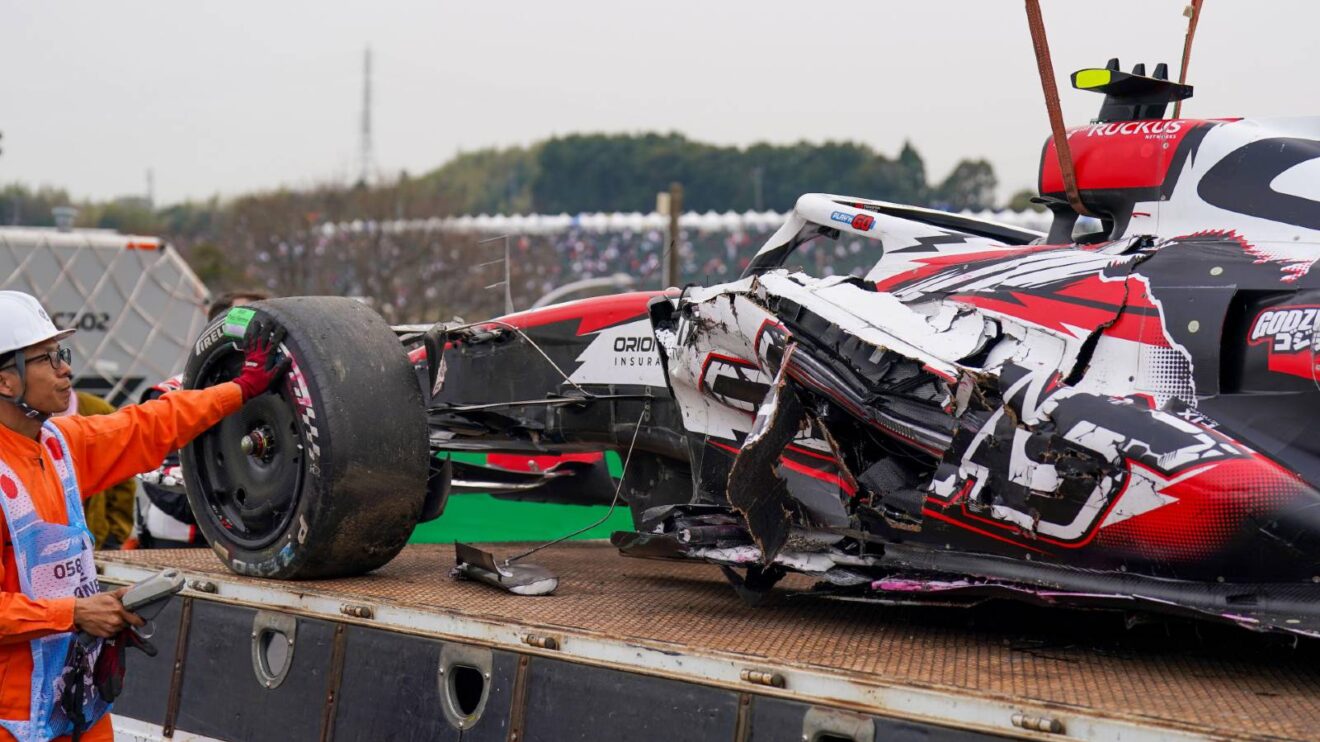
Lewis Hamilton doubts the upcoming FIA review will lead to meaningful changes for F1's new rules, stating drivers have 'no power' in the process. His comments follow Oliver Bearman's 50G crash at Suzuka, which highlighted dangerous speed differentials and fueled driver complaints about 'artificial' and unsafe racing conditions under the current energy management regulations.
Williams boss James Vowles has issued a stark public assessment, calling the team's pointless Japanese GP "painful" and demanding immediate change. He has drawn a "line in the sand," tasking his team with using a rare five-week break to make the car competitive for points by the Miami Grand Prix.
Amid strong driver criticism of the 2026 F1 regulations, a radical proposal suggests overhauling active aero rules for qualifying. The idea would let drivers use the system freely to boost lap performance, reducing reliance on managed battery energy and addressing a key complaint about lack of control. This potential fix emerges as teams prepare to meet with the FIA to discuss rule adjustments.
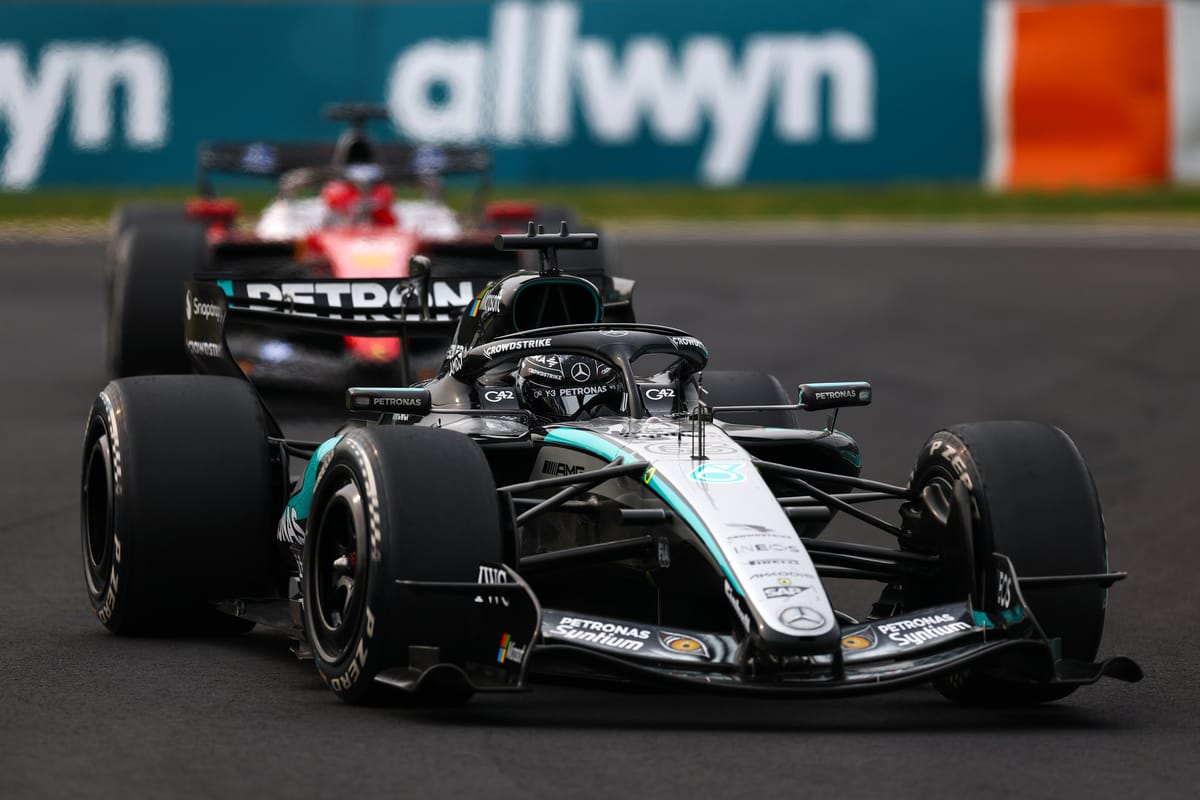
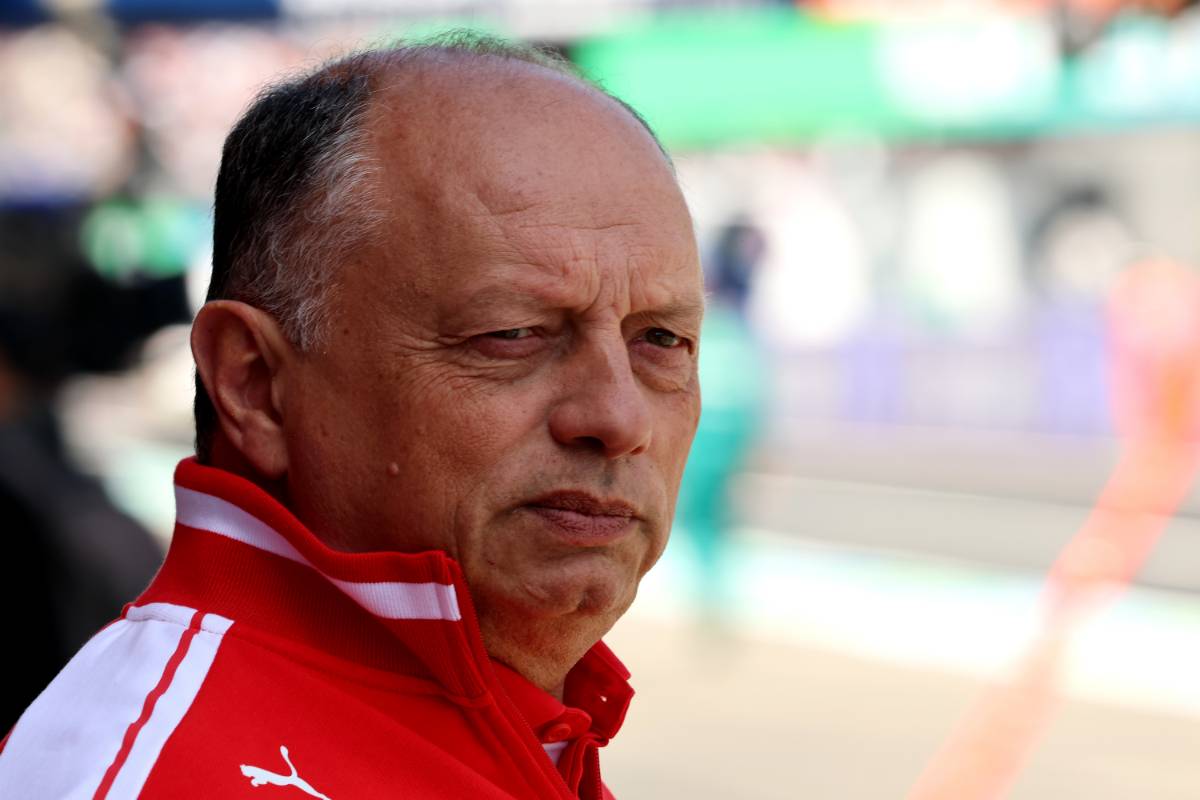
Ferrari secured a podium with Charles Leclerc in Japan, but team boss Fred Vasseur openly identified a straight-line speed deficit as the SF-26's key weakness. The team now enters a crucial four-week development break before Miami, aiming to find performance gains across the board to solidify its position in the tight fight behind Red Bull.
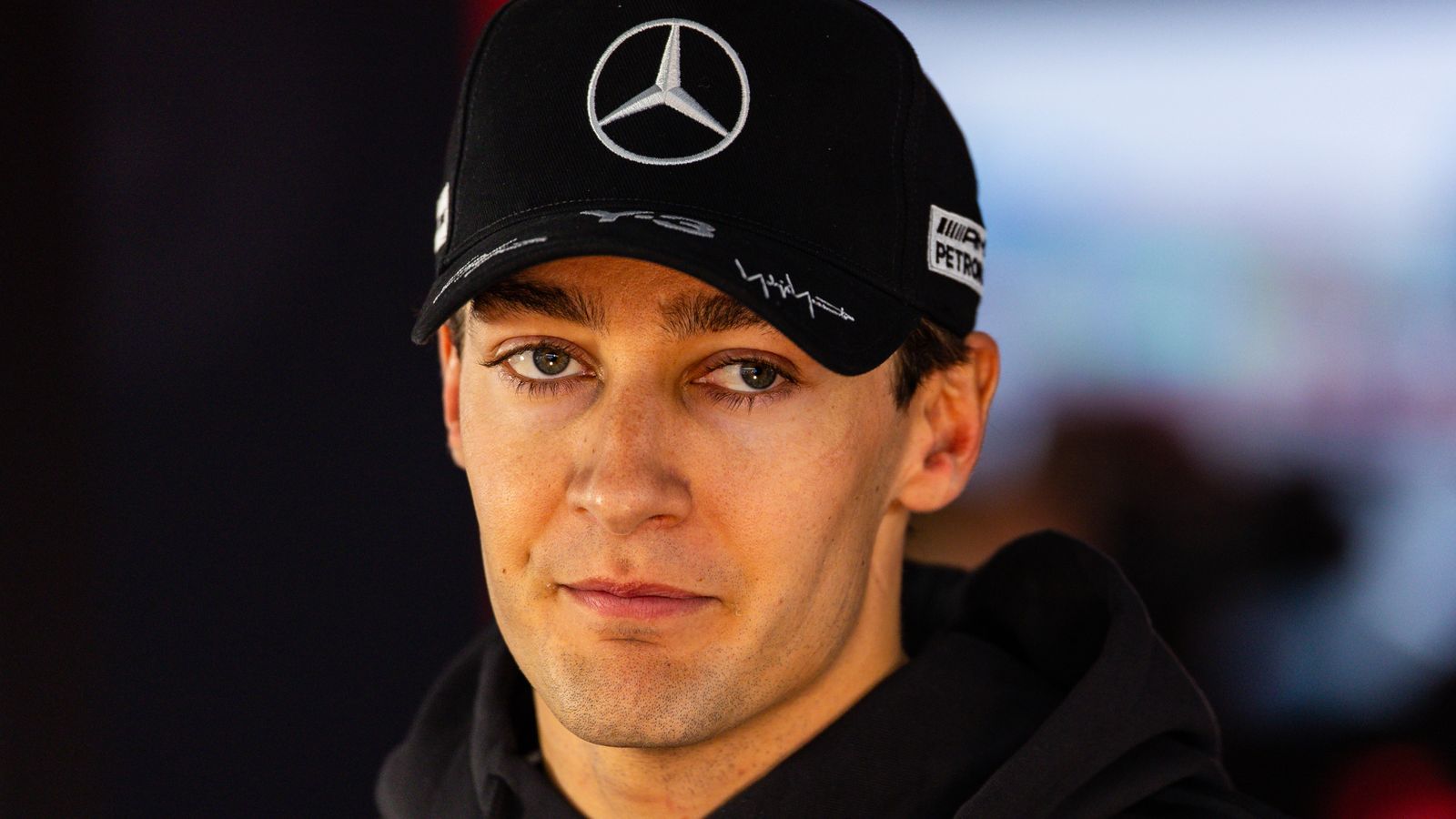
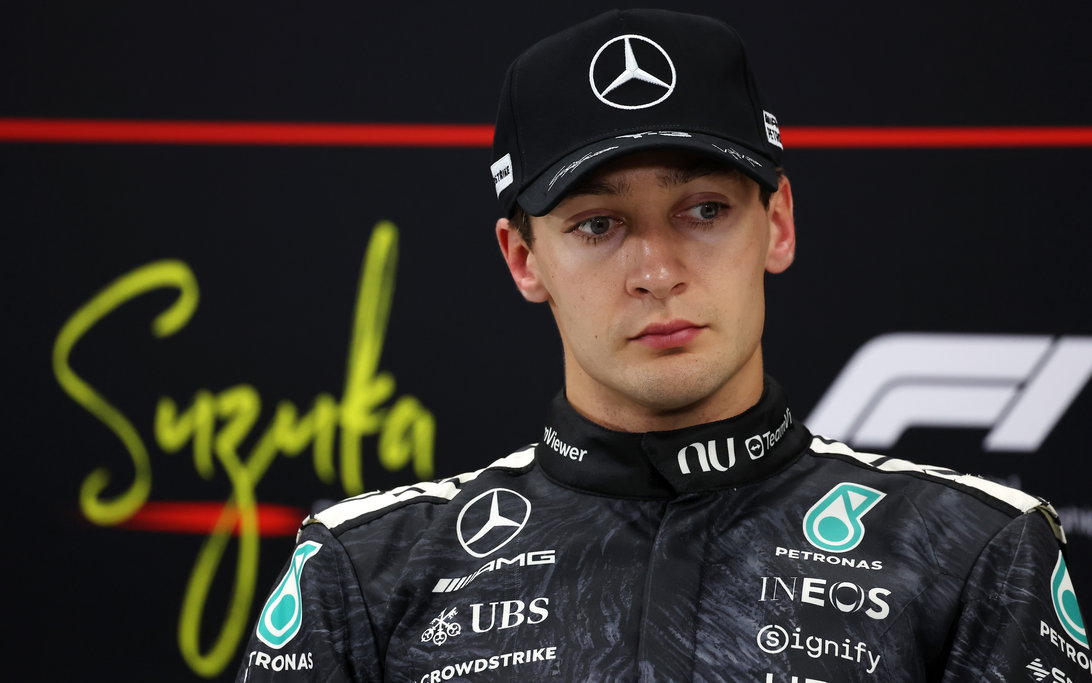
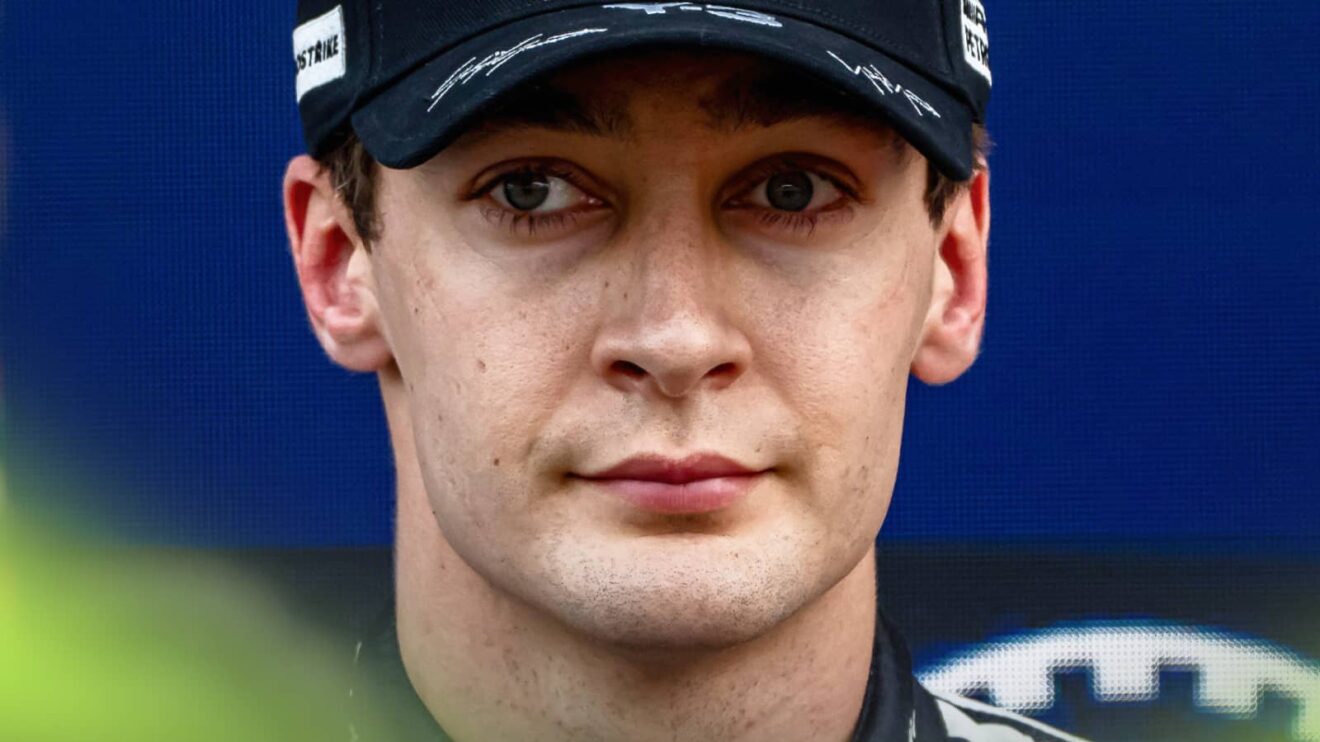
George Russell voices frustration as bad luck and technical issues on his car contrast with teammate Kimi Antonelli's flawless run, giving the rookie a surprising early championship lead and putting the Mercedes veteran on the back foot.
George Russell missed a podium at Suzuka after a bizarre Mercedes software glitch sapped his car's power during a battle with Charles Leclerc. The issue, caused by a simultaneous button press and gear shift, compounded earlier strategic misfortune under the Safety Car, leaving him fourth as teammate Kimi Antonelli won.
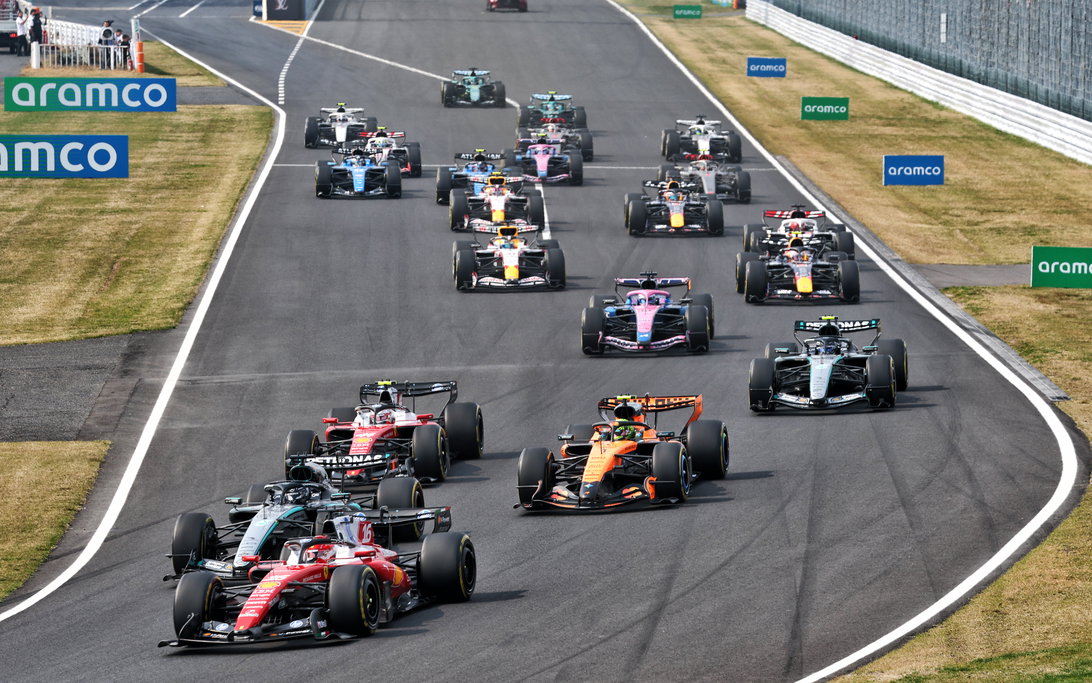
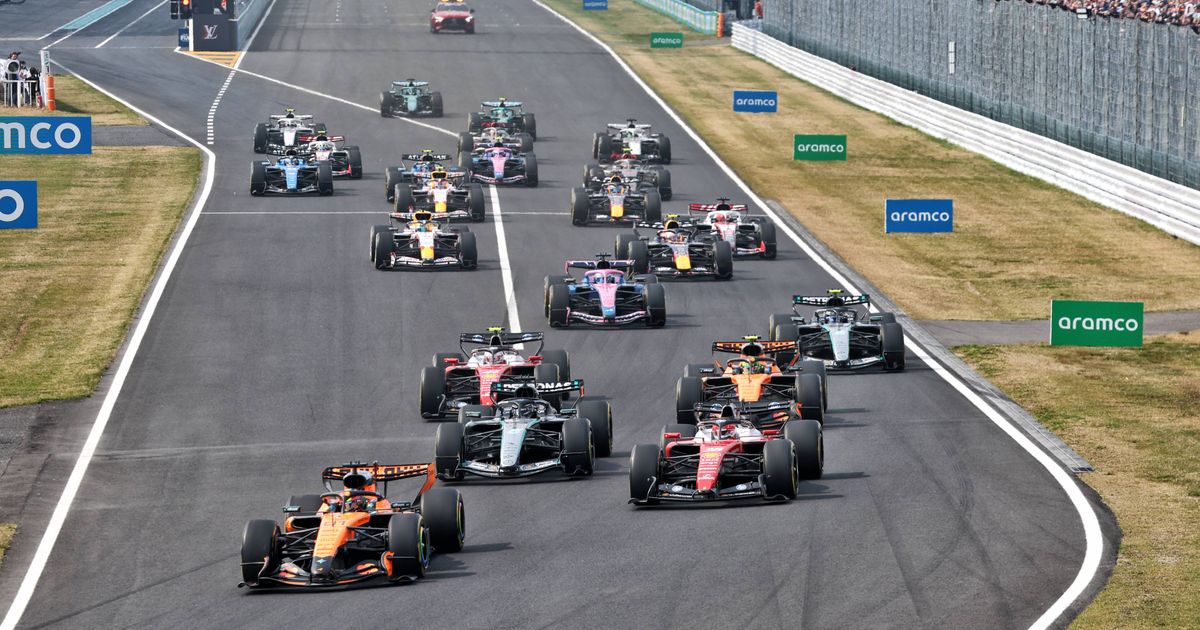
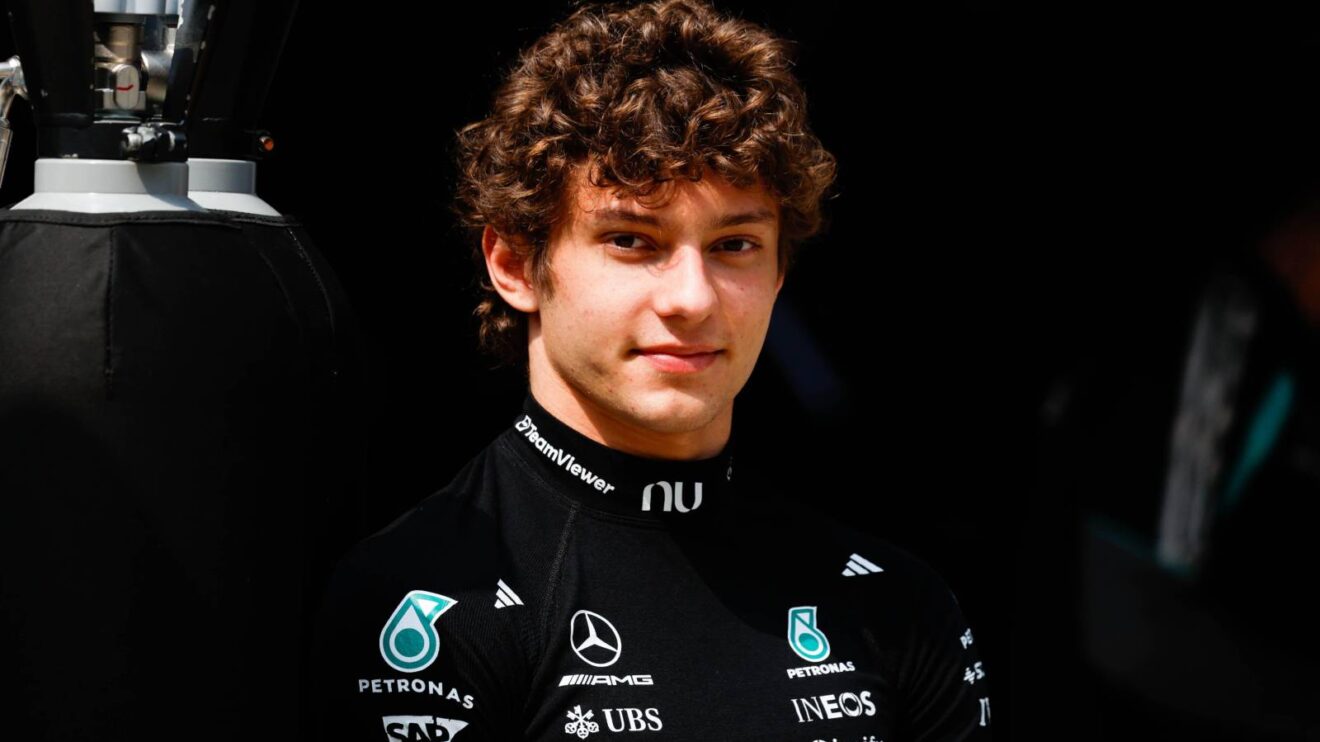
Mercedes rookie Kimi Antonelli won the Japanese Grand Prix despite a poor start from pole, admitting to a "really stupid" clutch error. Helped by a Safety Car, he fought back to claim his second straight win and, in the process, overtook teammate George Russell to become the youngest-ever F1 Drivers' Championship leader.
F1's proposed 2026 technical regulations are being publicly mocked by the GT World Challenge Asia series, which criticized the complex battery and "clipping" rules. The jab comes amid serious safety concerns following Oliver Bearman's crash in Japan, linked to the dangerous speed differentials created by the new energy management system, prompting urgent calls for the FIA to revise the rules.
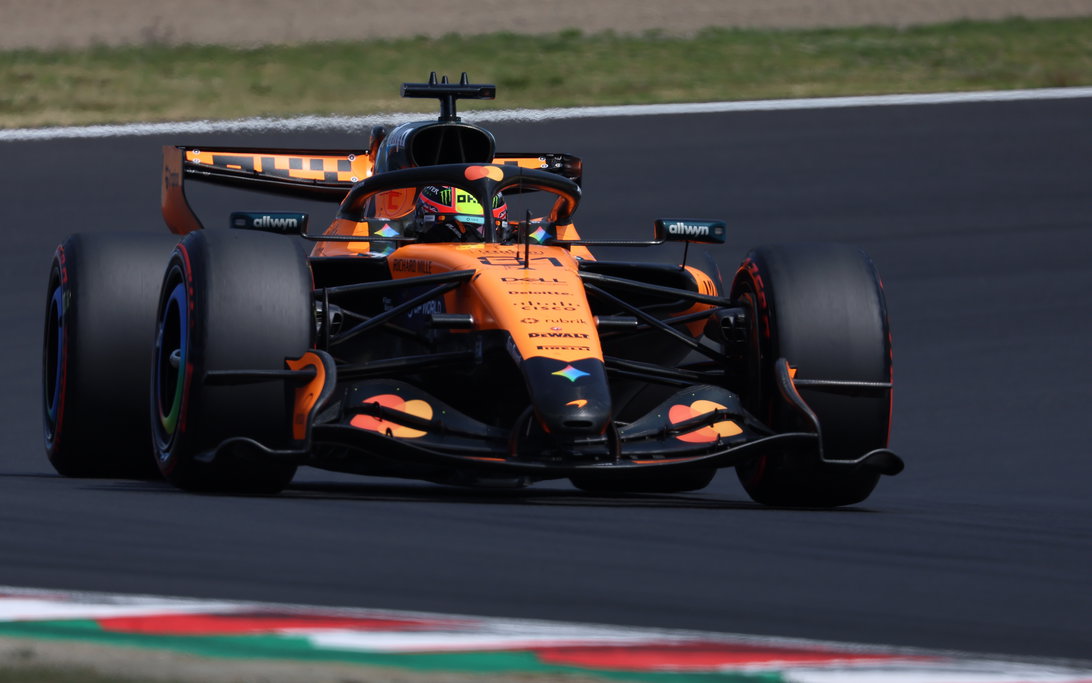
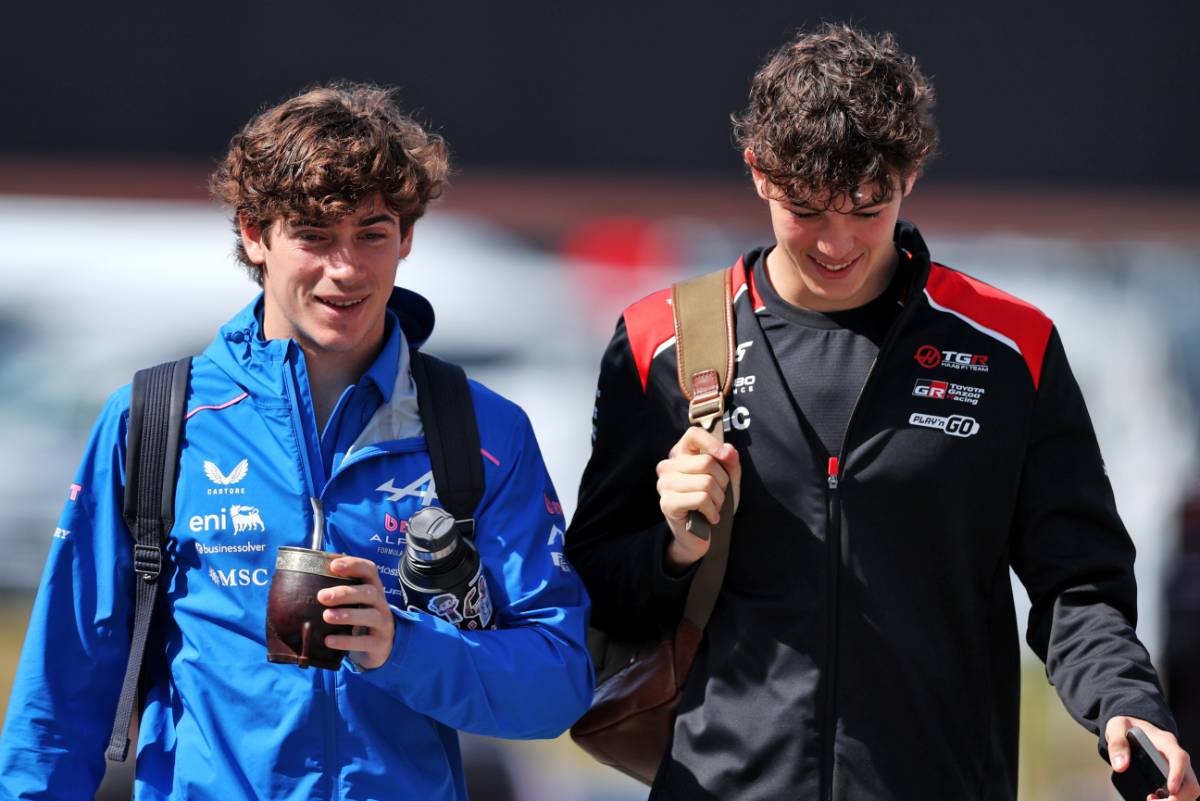
Alpine rookie Franco Colapinto's management team has defended him against online backlash after his car, in energy recovery mode, was hit from behind by Oliver Bearman at Suzuka. The team cited F1's complex energy rules as the cause, not driver error, following criticism from some pundits and a wave of toxic social media reactions that highlight the intense pressure on new drivers.
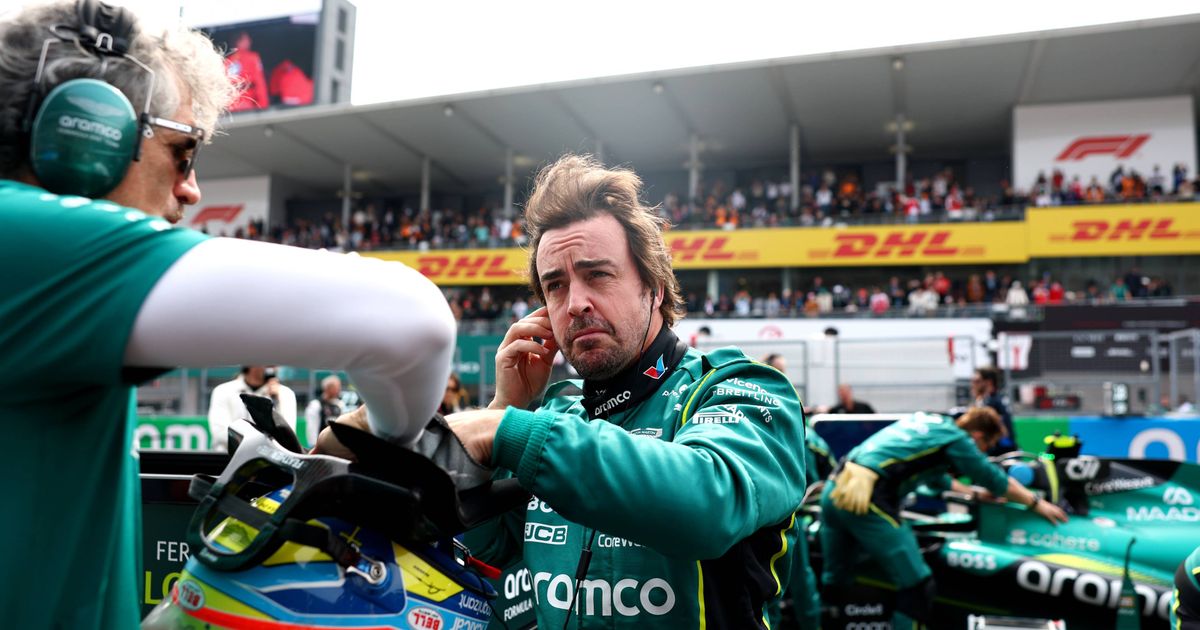
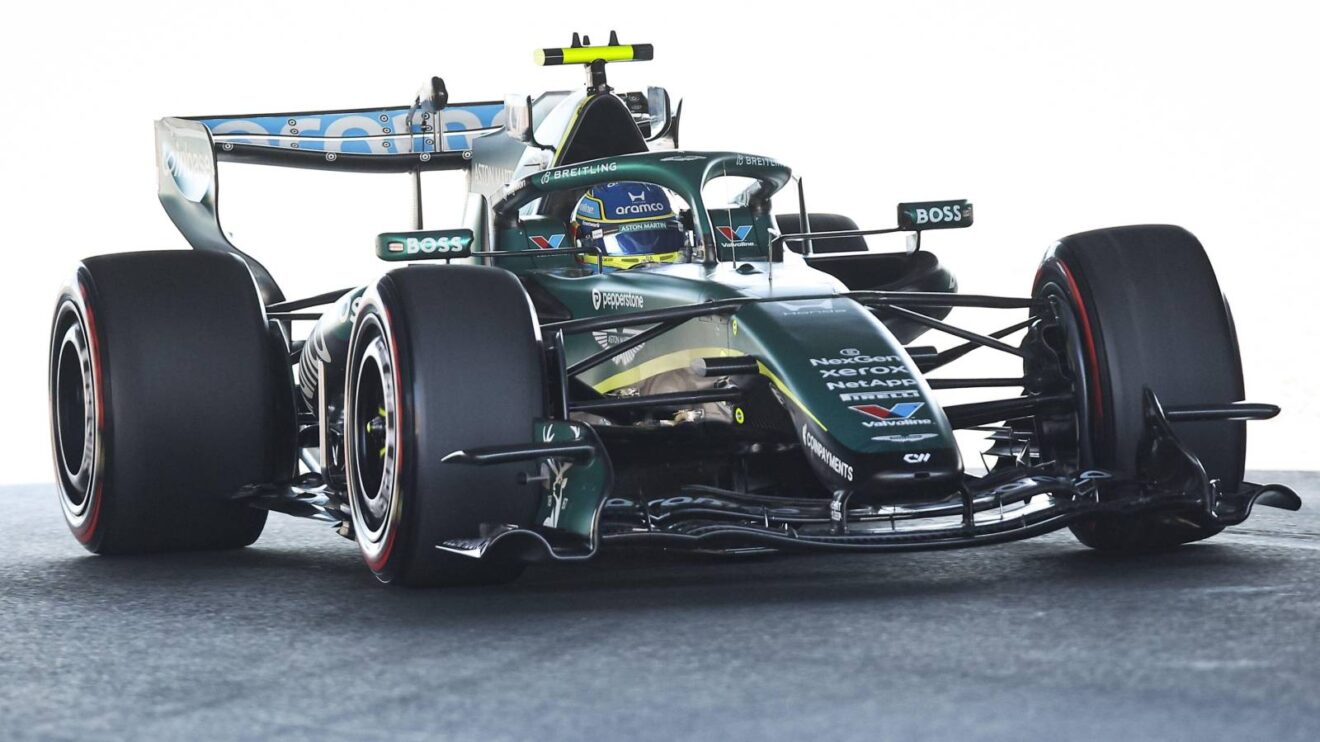
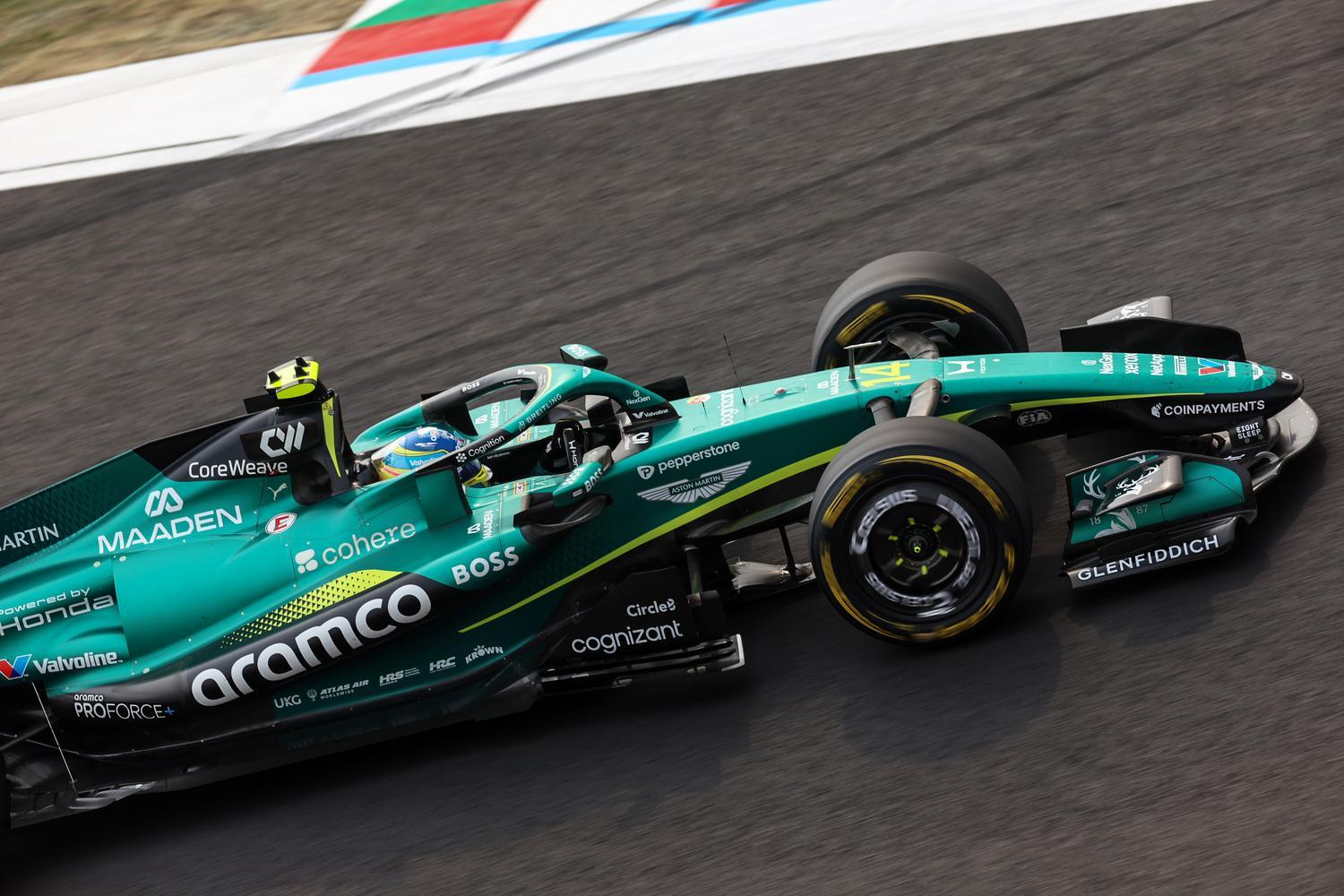
Aston Martin achieved its first race finish of the 2026 season in Japan with Fernando Alonso, but team principal Mike Krack stressed it's a modest step, not a turnaround, for a team still focused on solving fundamental reliability problems.