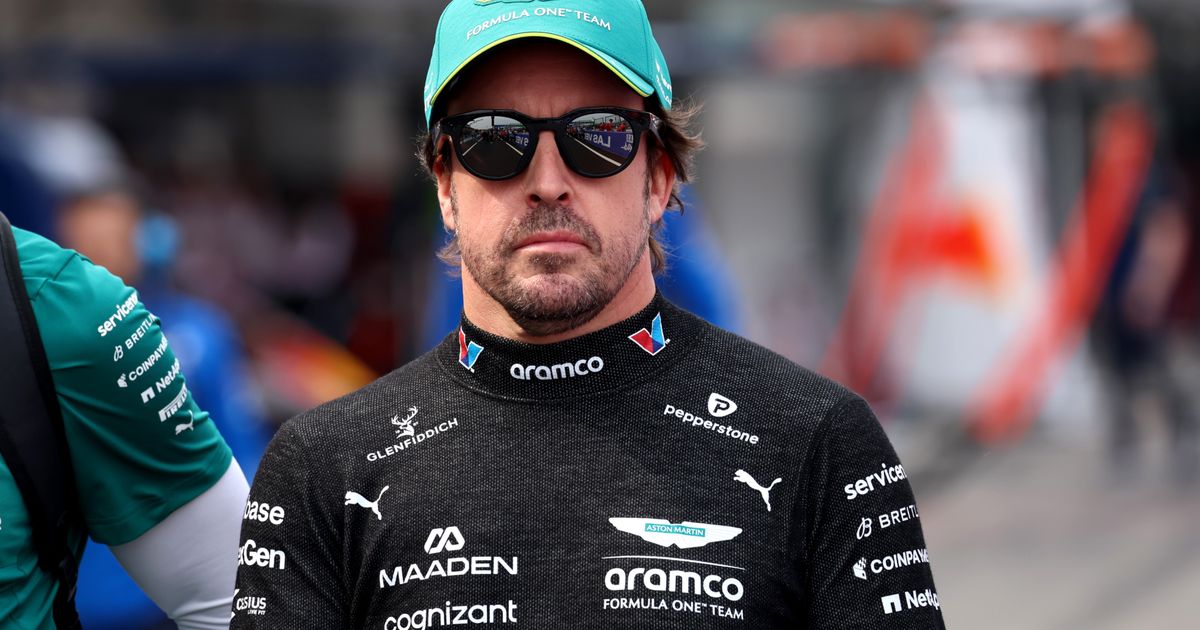
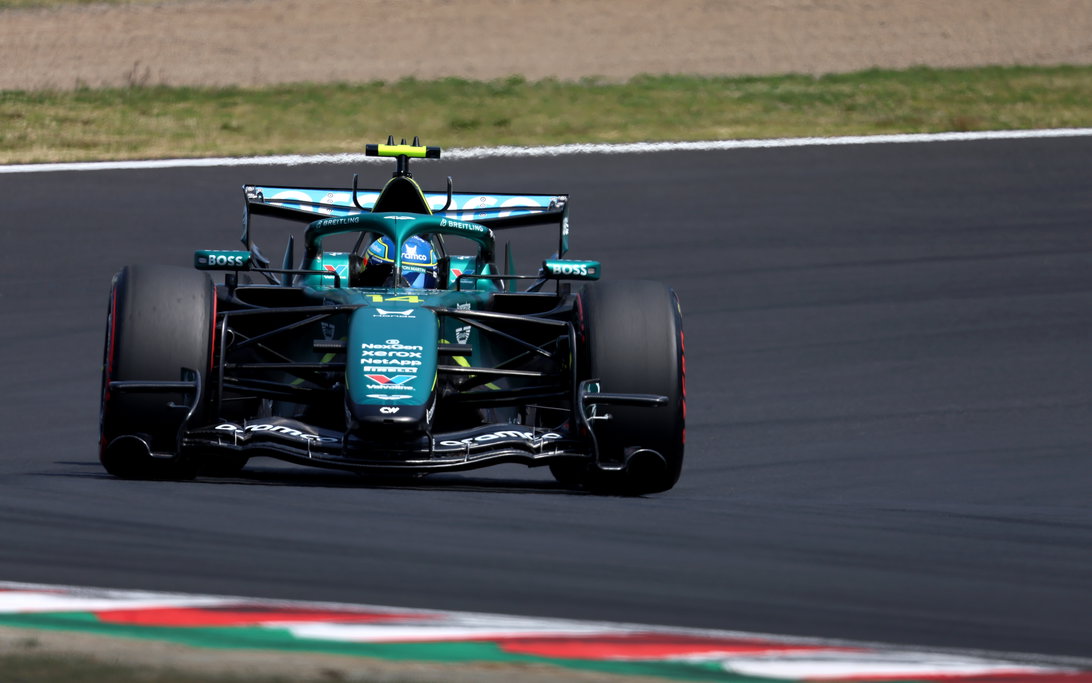
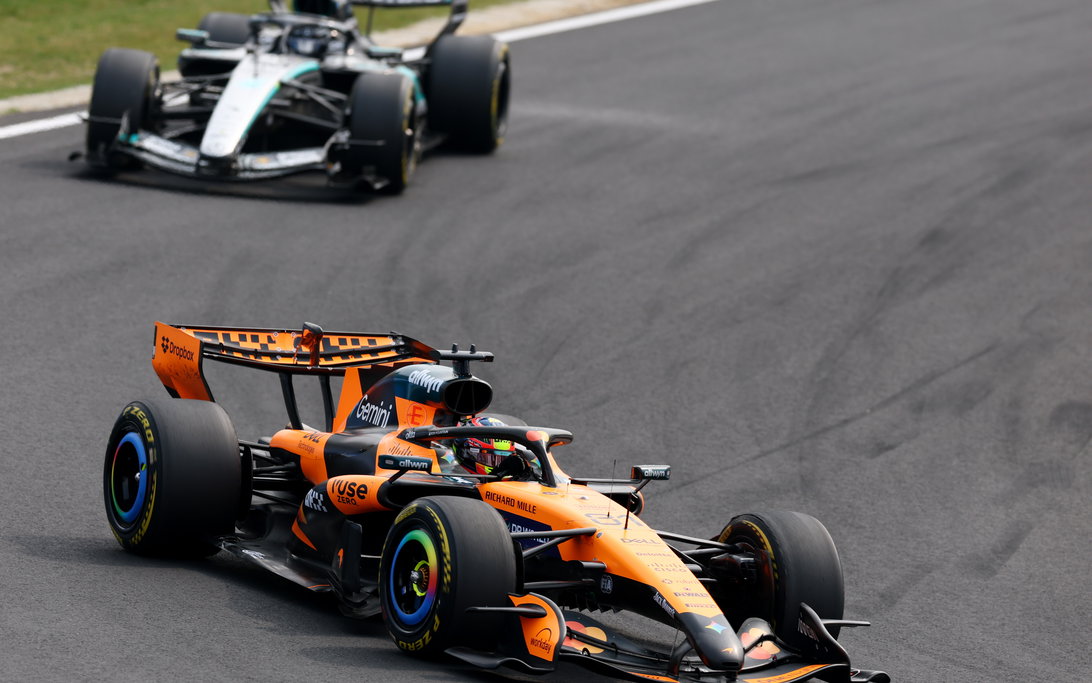
Fernando Alonso claims modern F1 cars have become so easy to drive that 50% of his team could manage it, arguing high-speed corners are now just battery recharge zones that remove driver skill. He also criticized overtakes as becoming 'unintentional' due to battery power differences rather than strategic maneuvers.
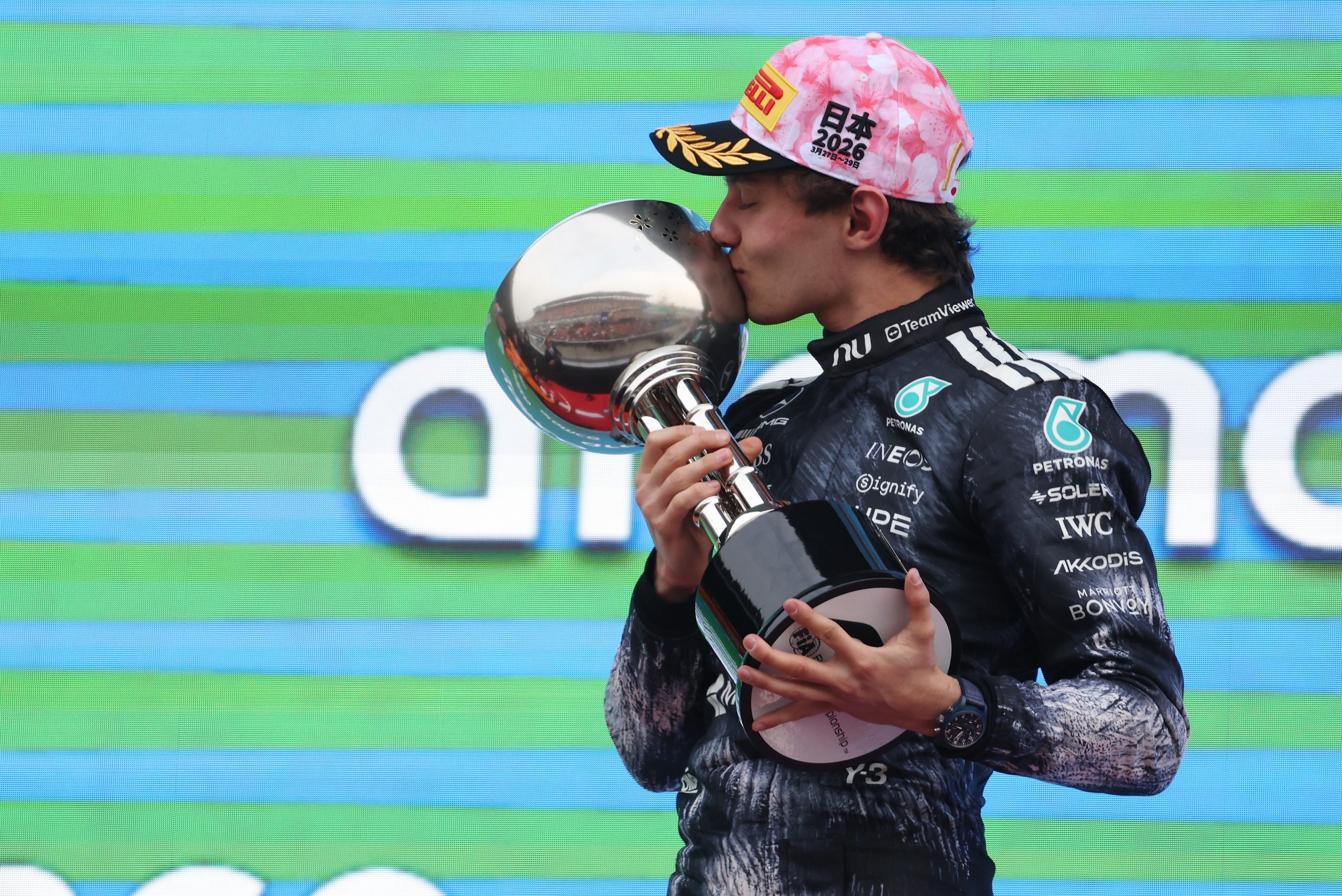
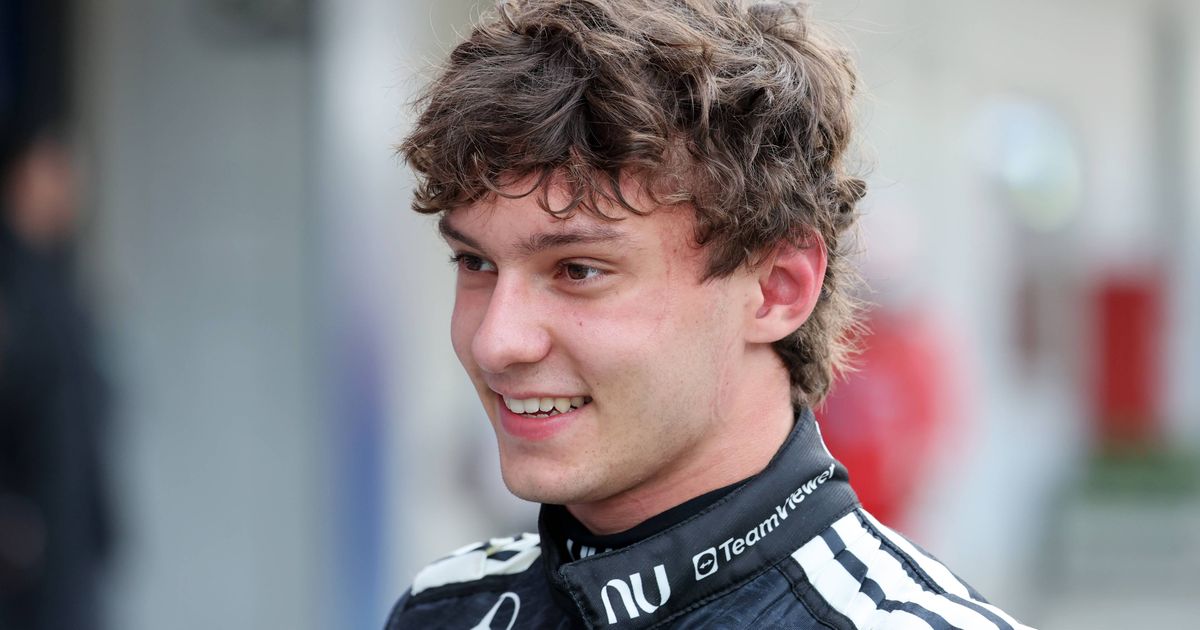
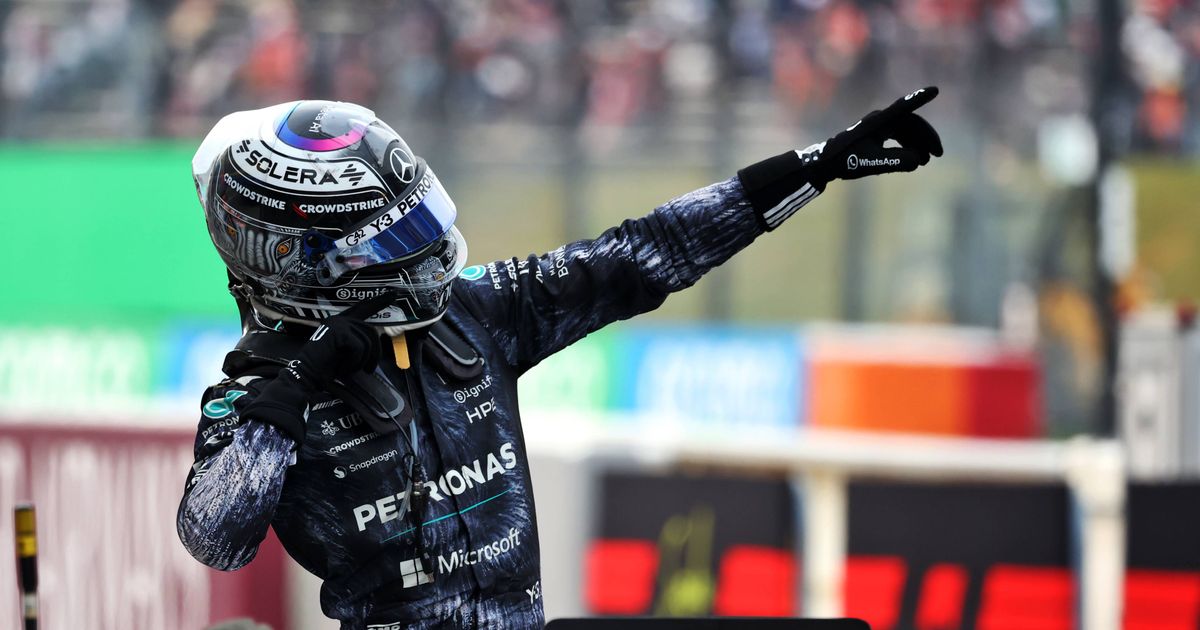
Kimi Antonelli's Japanese Grand Prix victory was a double milestone, making him the youngest-ever F1 championship leader and securing the 500th win from pole position in the sport's history. The achievement highlights the lasting advantage of starting at the front, a trend dating back to the very first world championship race in 1950.
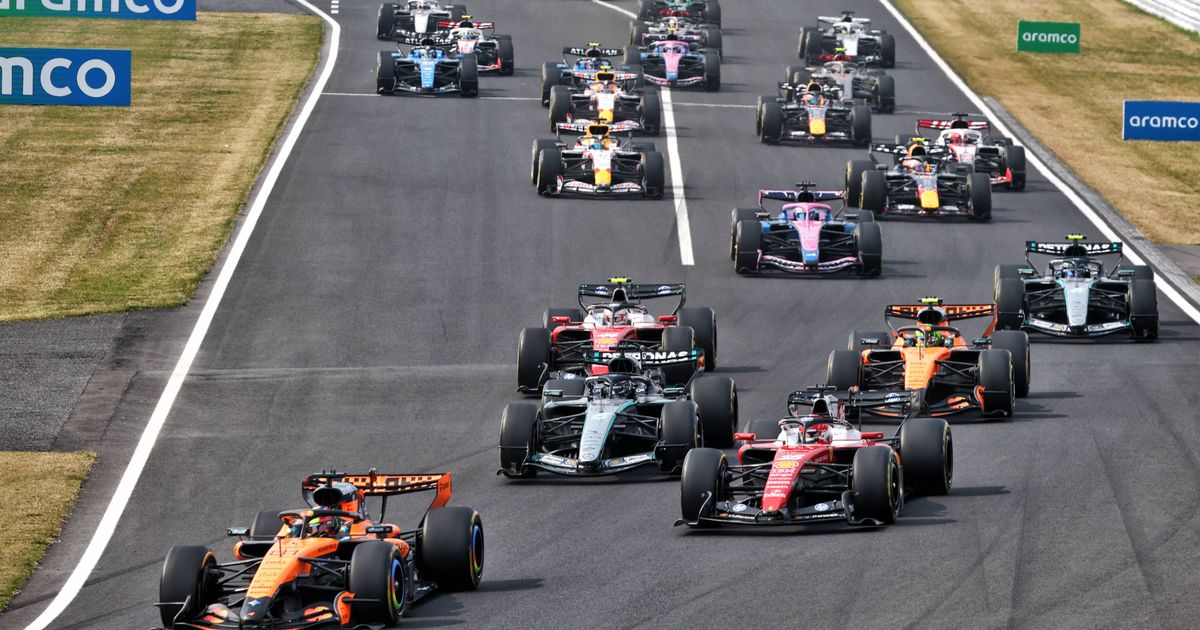
Toto Wolff praised Kimi Antonelli's superb recovery drive to win the Japanese GP but criticized the rookie's poor start, calling it a "botch" and part of Mercedes' "mediocre" starting trend. While Antonelli shined, teammate George Russell struggled with car setup, finishing fourth.
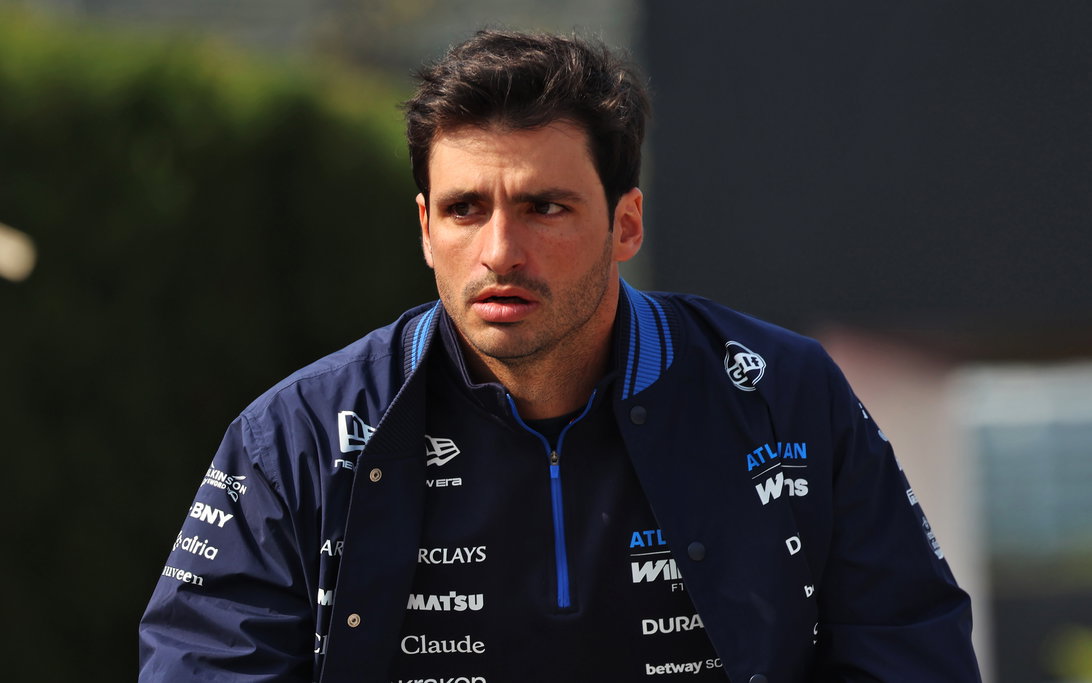
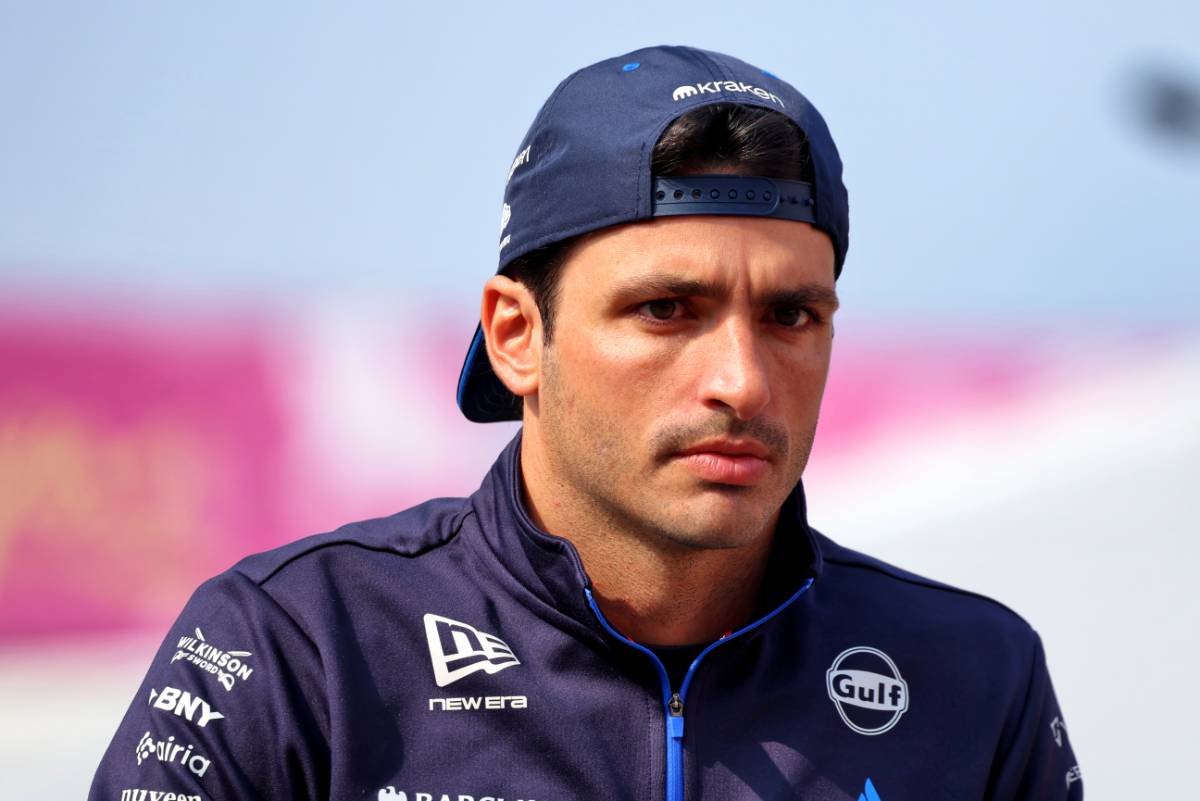
Carlos Sainz urges the FIA to listen more to drivers than teams when revising the 2026 F1 rules, warning that dangerous speed differences caused by the new power units led to Oliver Bearman's huge crash in Japan. He argues teams care more about TV spectacle, while drivers face the real safety risks.
Carlos Sainz blames the FIA for ignoring driver warnings after Oliver Bearman's high-speed crash at Suzuka, caused by dangerous closing speeds from power unit issues. He warns that without immediate regulation changes, similar incidents on upcoming street circuits like Miami could have catastrophic consequences.
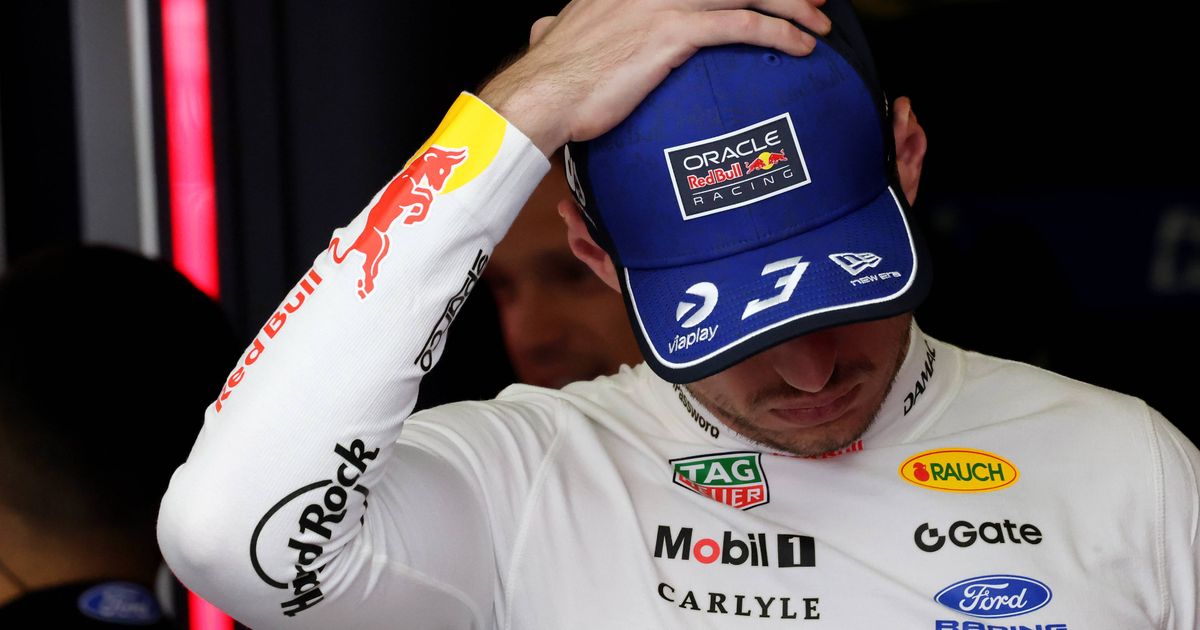
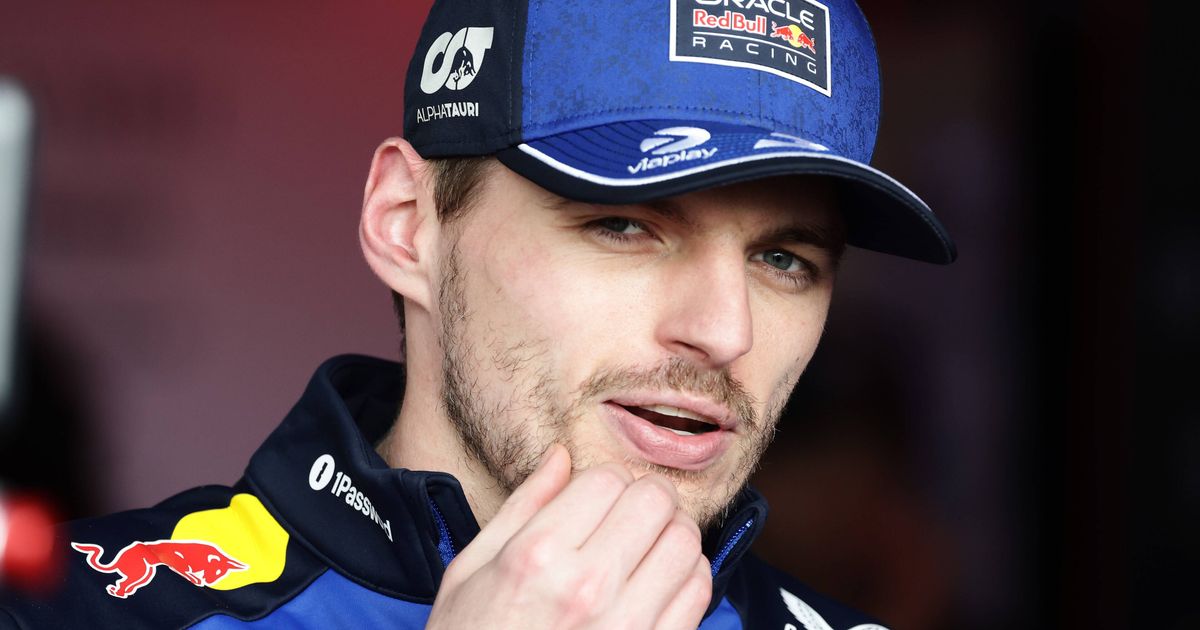
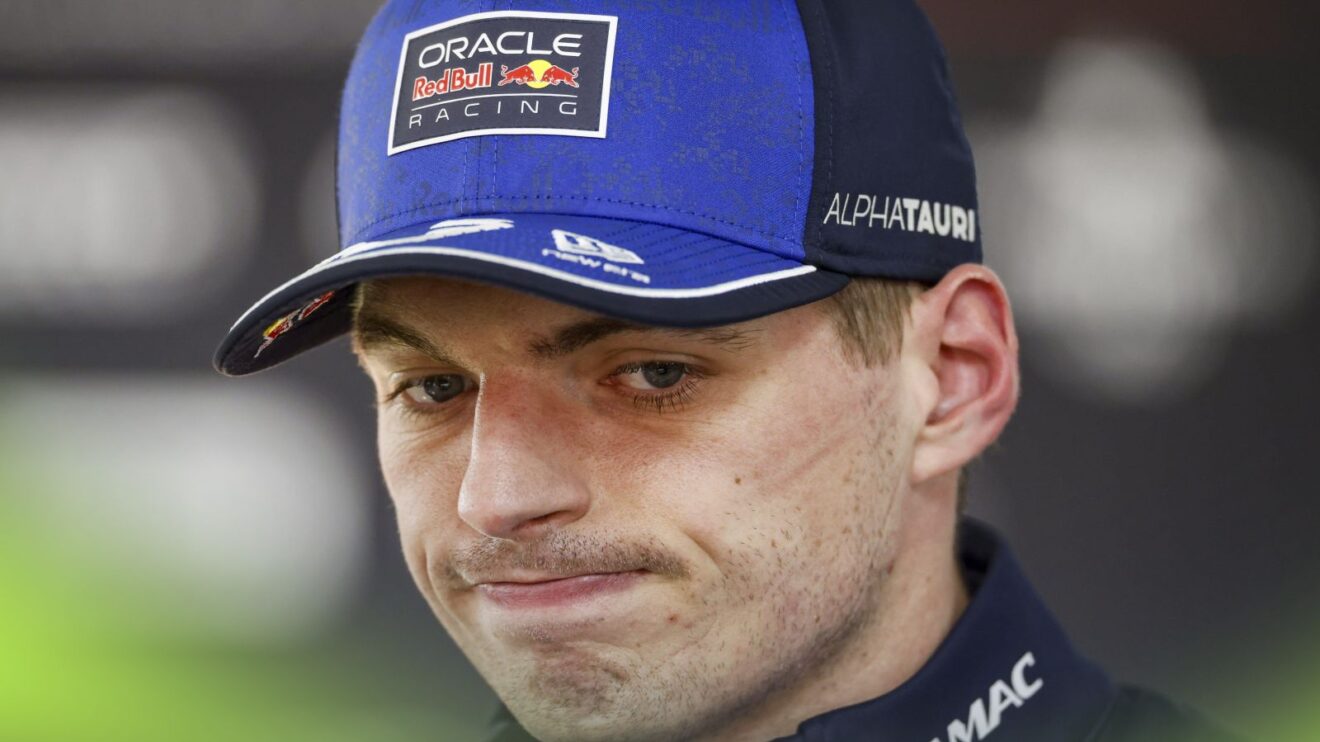
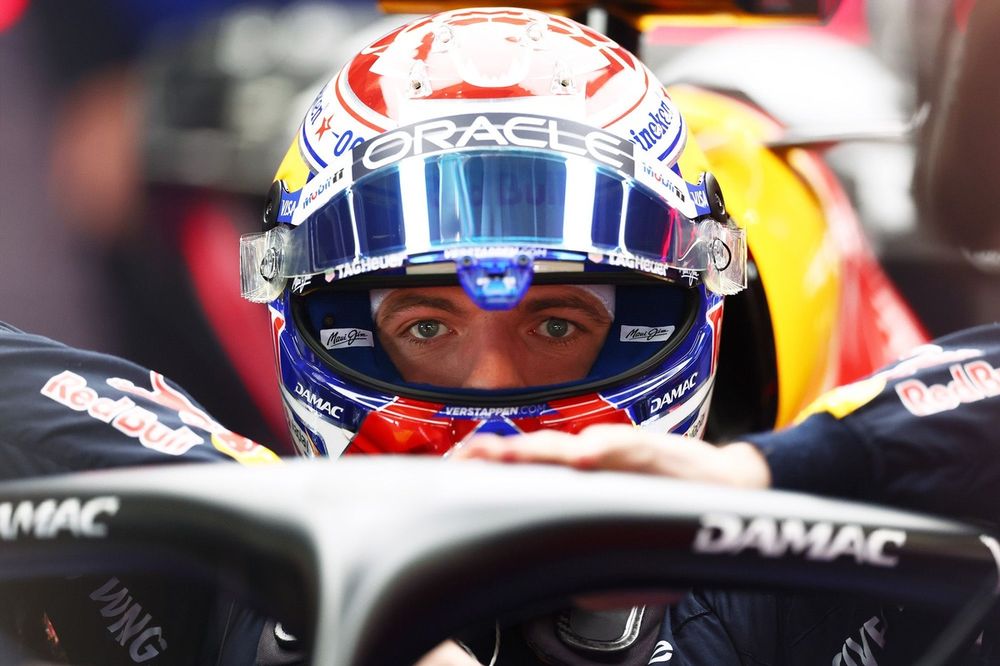
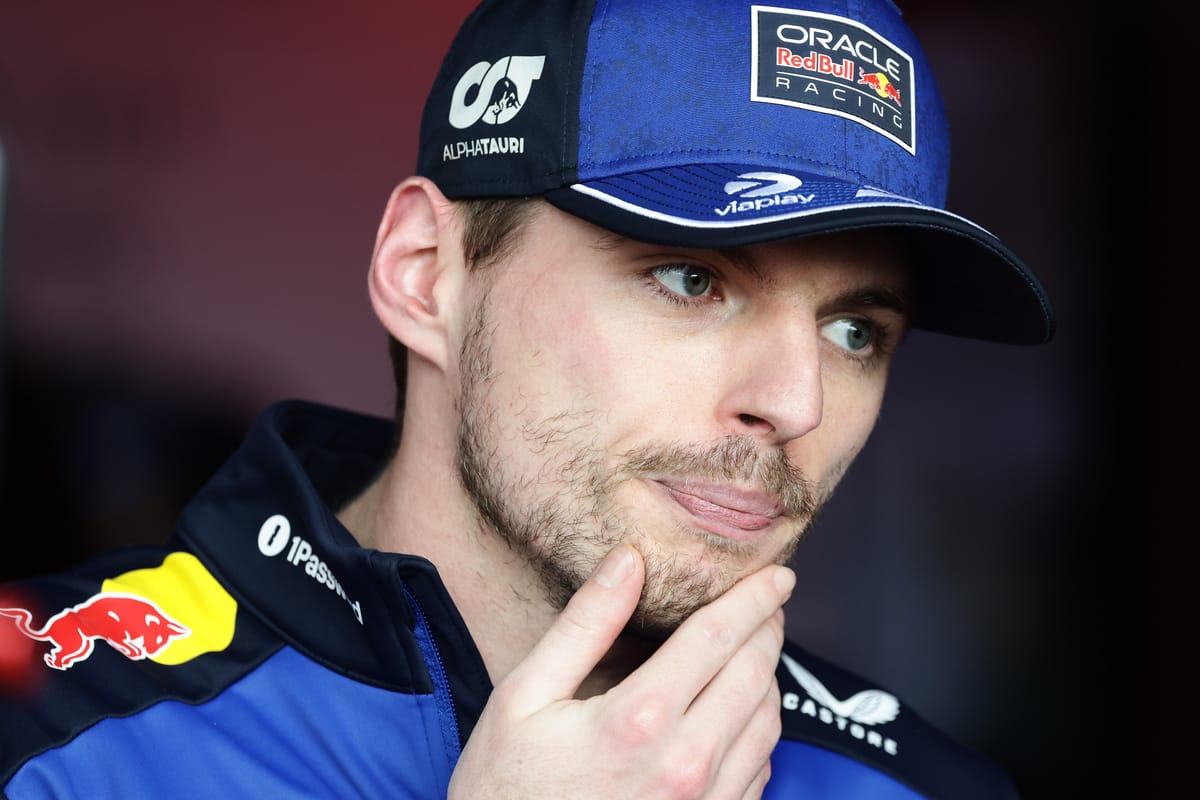
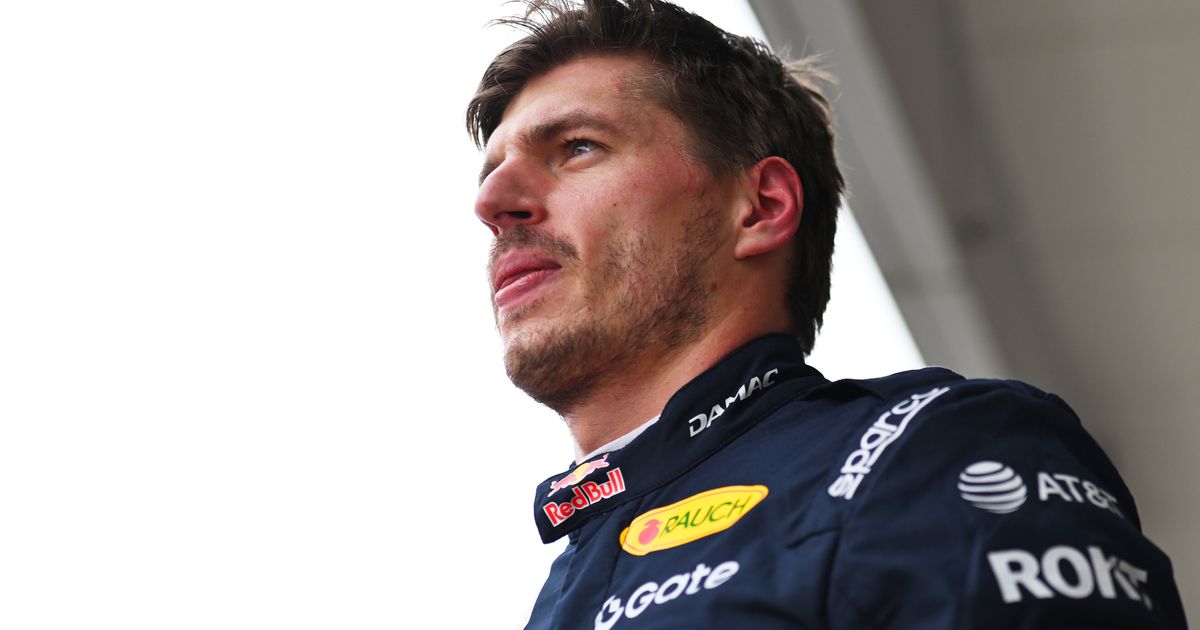
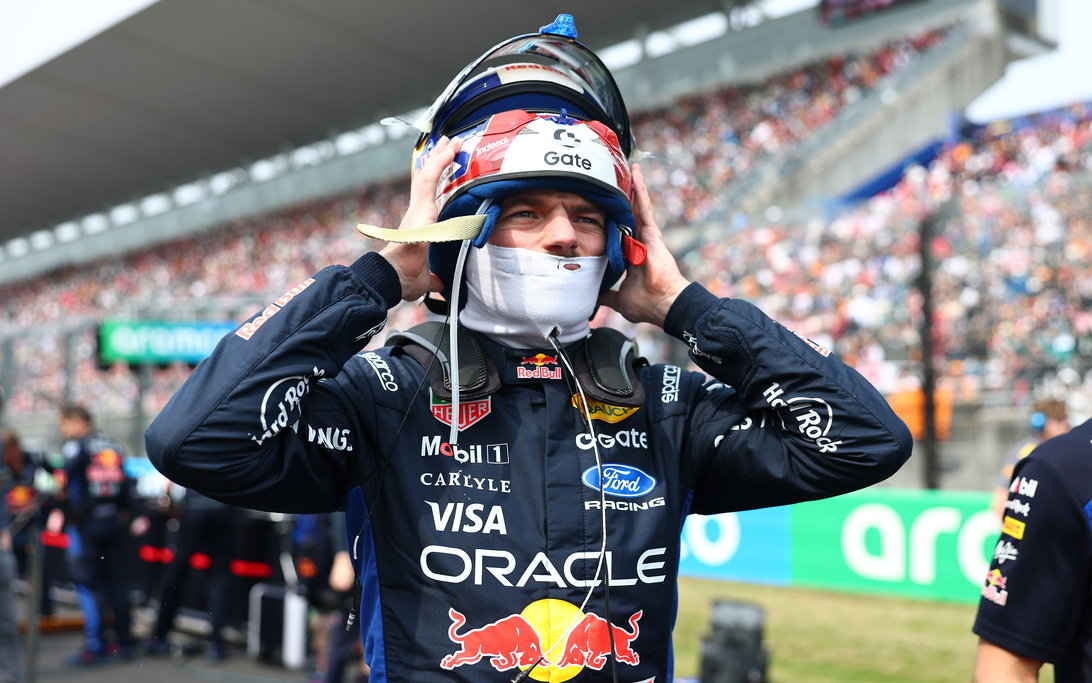
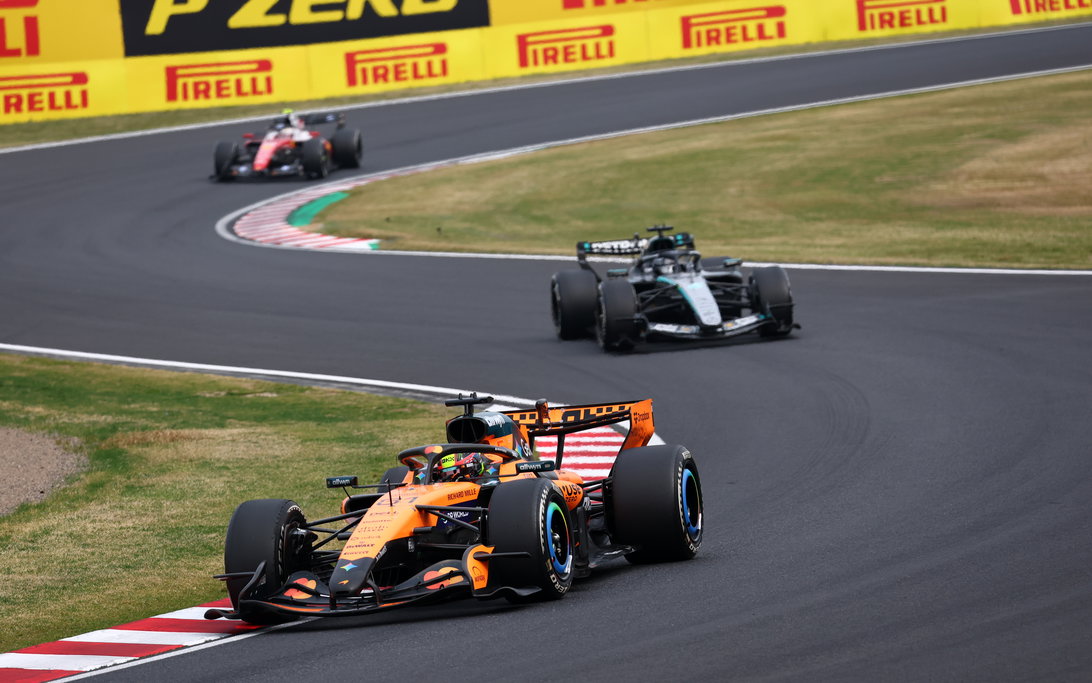
Max Verstappen is deeply frustrated with F1's 2026 regulations after a poor Japanese GP, where overtaking was impossible and a massive crash highlighted safety risks. The Red Bull driver criticized the confusing energy management rules that ruin the driving experience and hinted his future in the sport depends on changes.
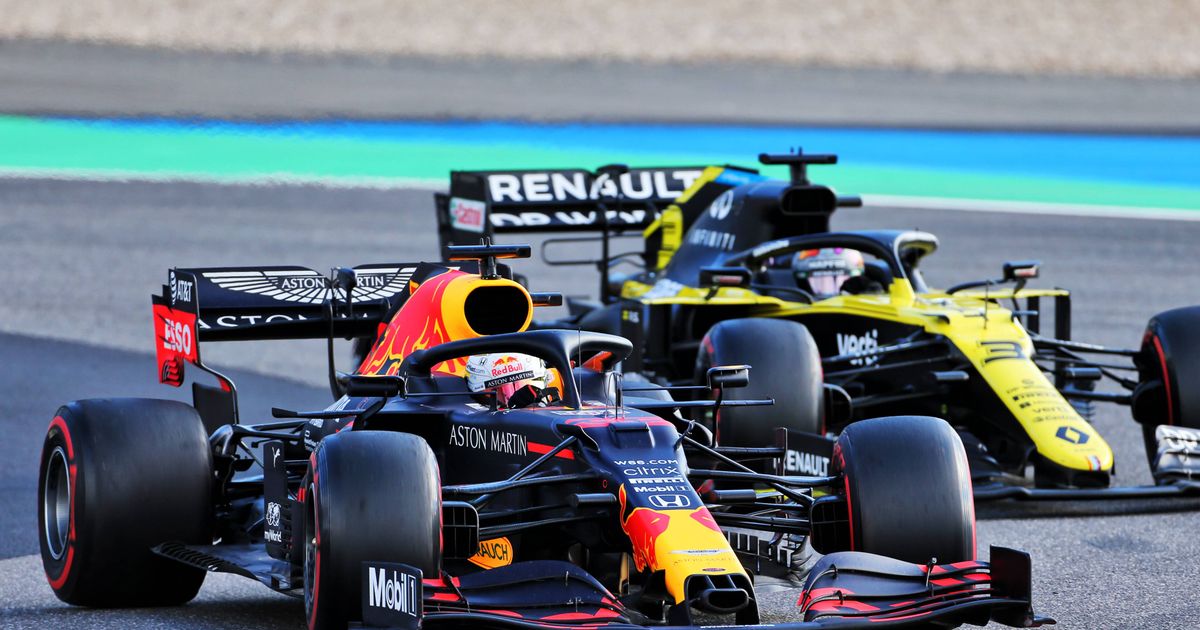
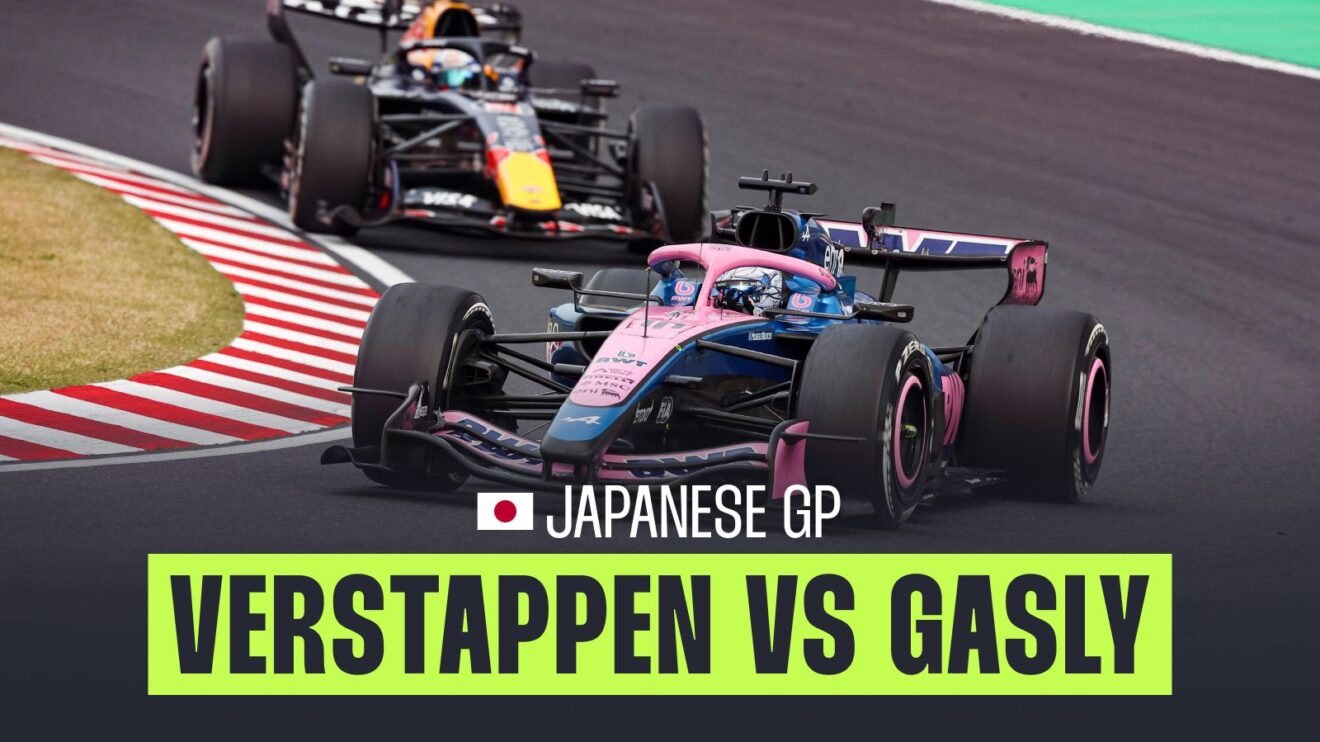
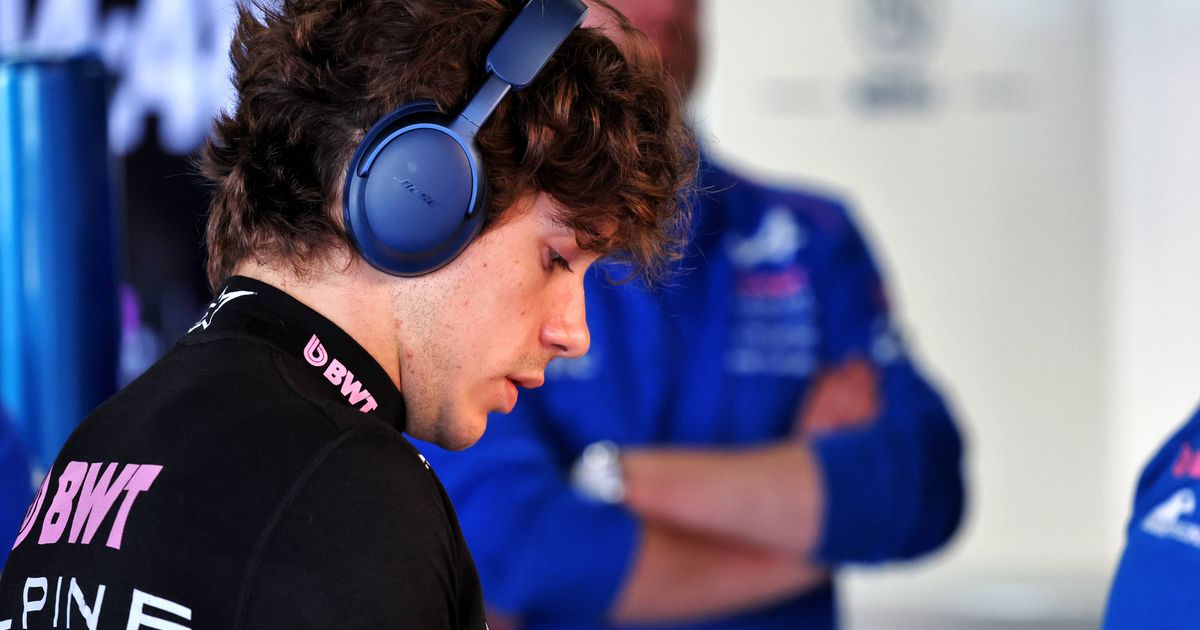
Telemetry from the Japanese GP reveals how Pierre Gasly's Alpine strategically fended off Max Verstappen's Red Bull for 53 laps. Gasly's straight-line speed advantage and perfect energy deployment in the final chicane neutralized Verstappen's cornering pace, leading to a frustrating stalemate that highlights Red Bull's current competitive shortcomings.
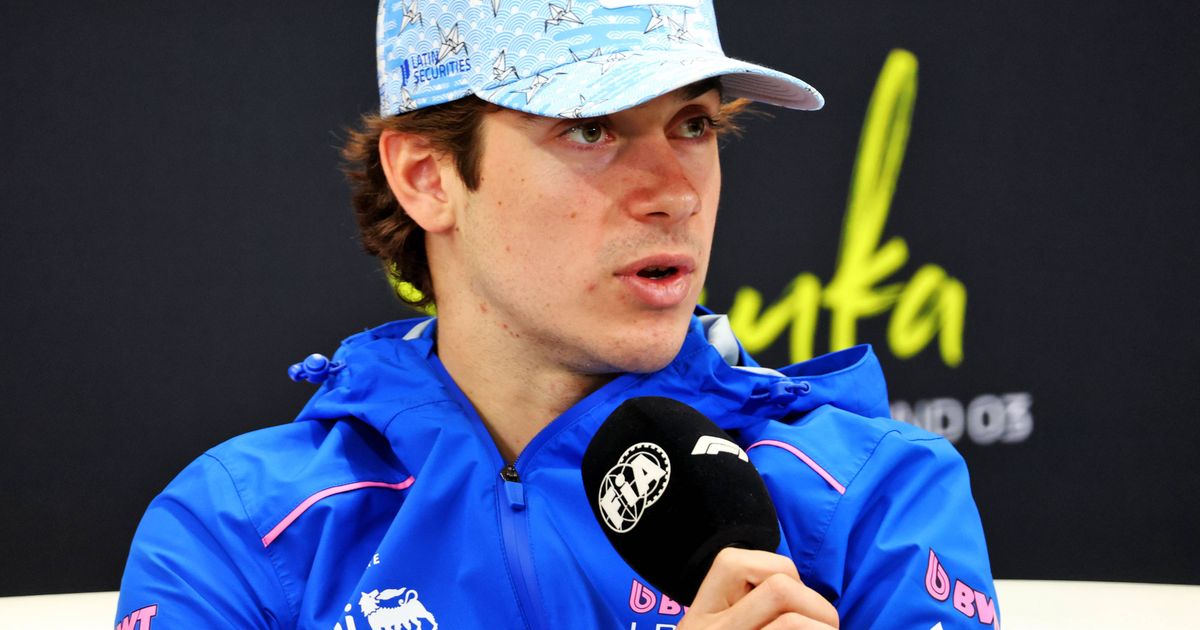
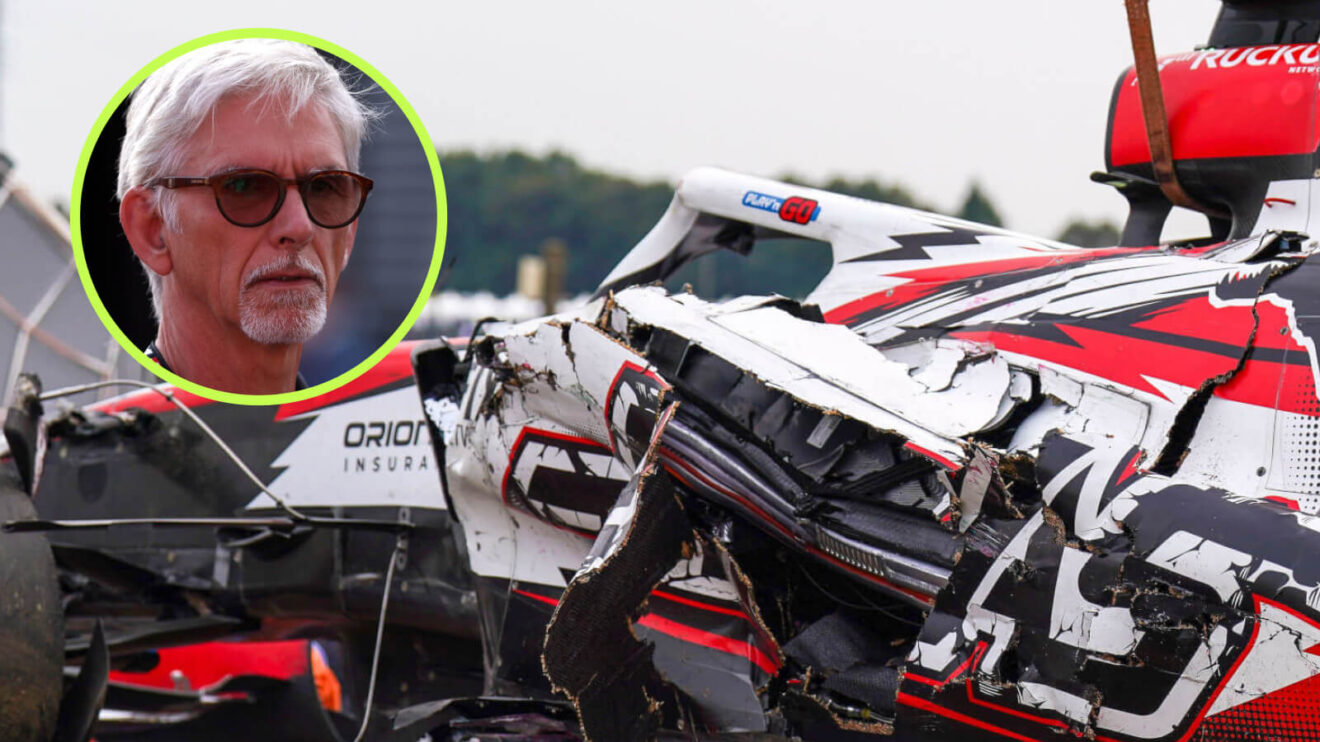
Oliver Bearman's scary crash at Suzuka was caused by an extreme speed difference linked to F1's new rules, with Franco Colapinto describing a dangerous 50+ kph delta. Bearman confirmed drivers had warned the FIA about this specific risk before the race, calling the incident a 'freak' result of unprecedented closing speeds.
Damon Hill supports Carlos Sainz's safety concerns after Oliver Bearman's terrifying 50G crash at Suzuka, caused by a 50 km/h speed differential. Hill likened cars suddenly slowing on straights to 'brake testing'. The incident has forced the FIA to schedule an urgent meeting to discuss potential changes to the power unit regulations.
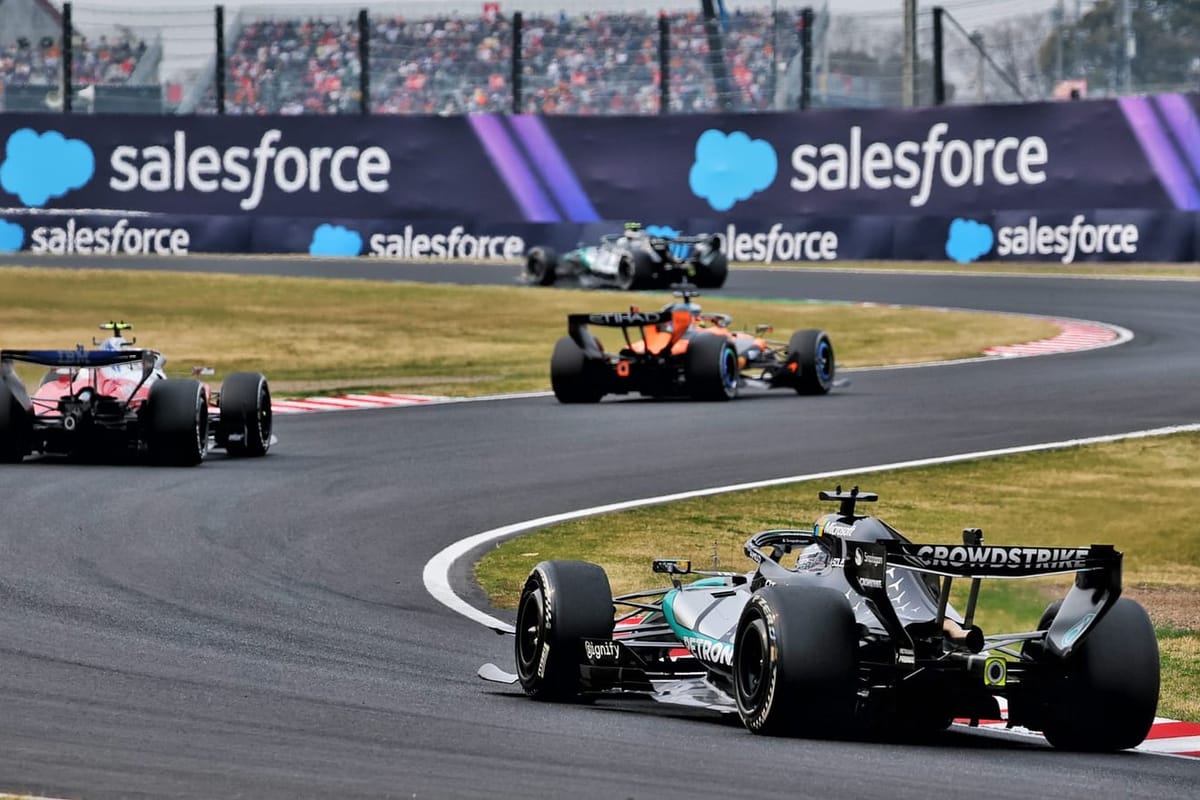
Oliver Bearman's massive 50G crash at Suzuka, caused by a 45km/h speed difference with a rival car, has triggered a major safety debate in F1. The incident exposed the dangers of extreme closing speeds in non-traditional overtaking zones, leaving the driver ahead with little warning. As the series heads to tighter street circuits, the sport must urgently address how to manage these performance deltas without sacrificing racing spectacle.
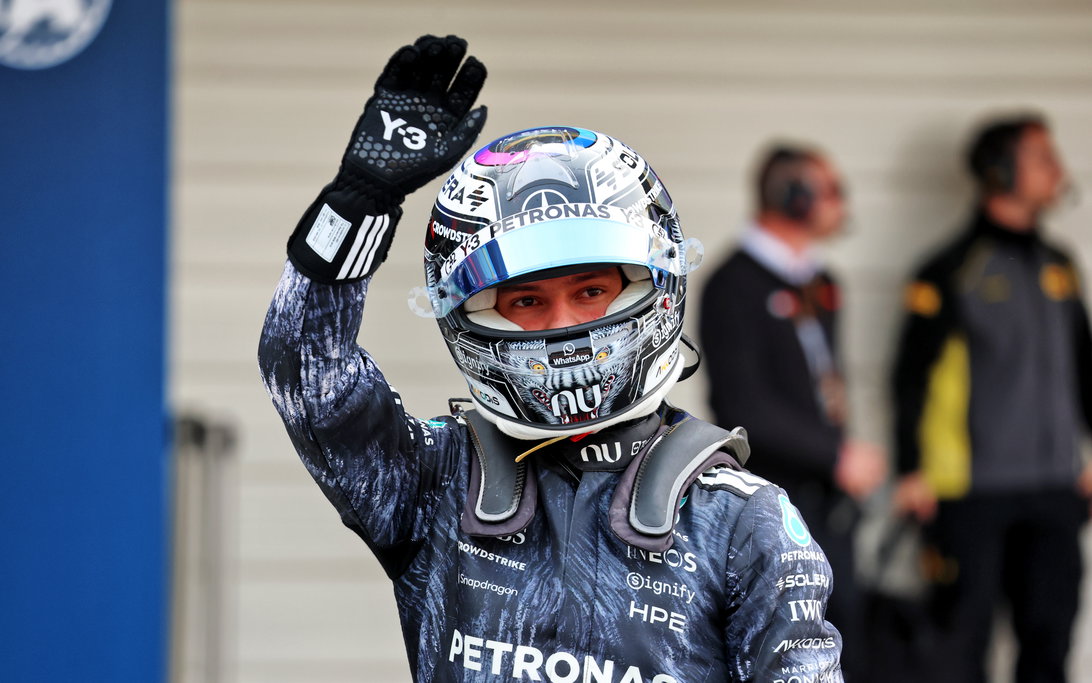
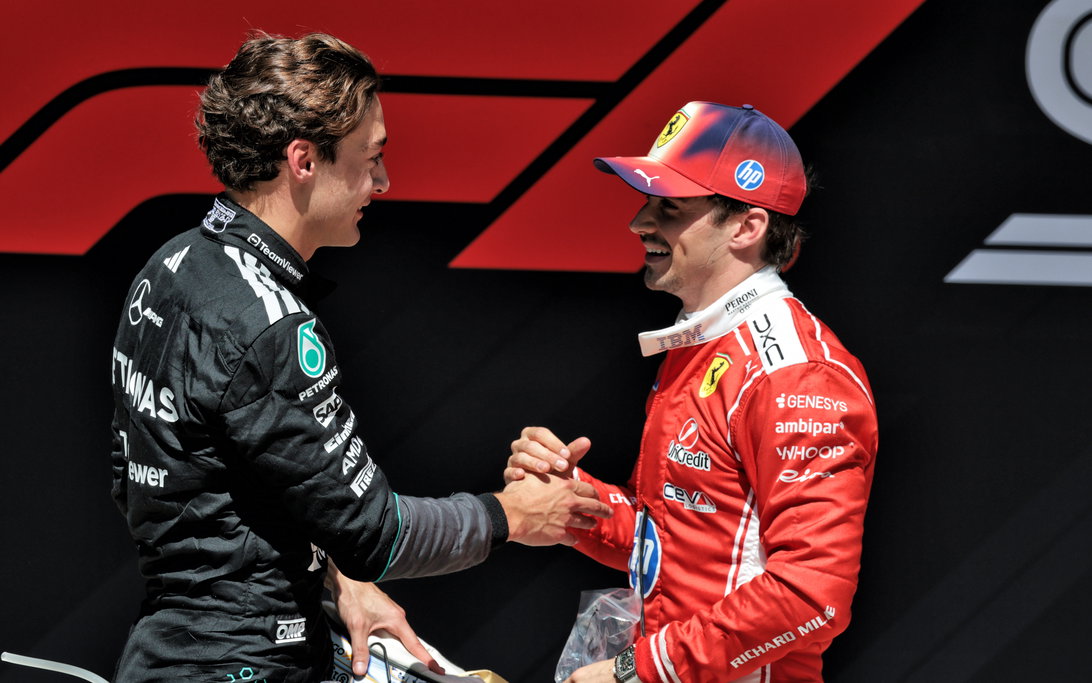
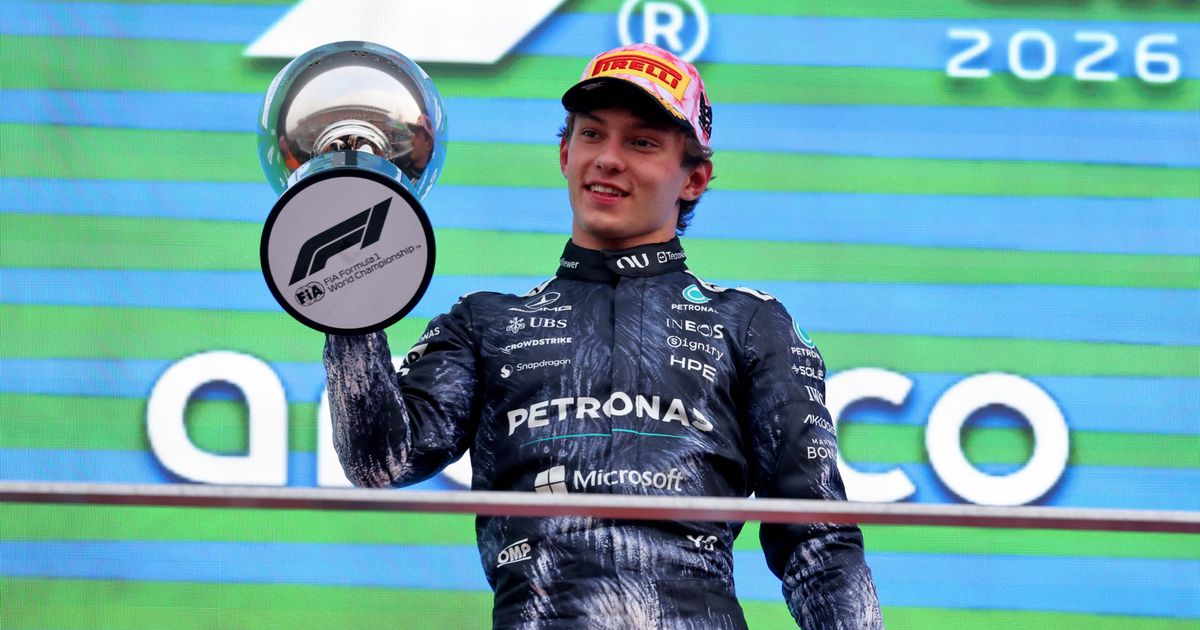
Mercedes rookie Kimi Antonelli, 19, has become the youngest championship leader in F1 history after winning in Japan, while teammate George Russell's frustrated off-podium finish creates early internal tension within the dominant team.
F1 teams and the FIA will meet April 9 to discuss technical rules, with drivers pushing for a reduced role of the battery in the power unit due to safety and racing concerns. However, teams are resistant to major mid-season changes, making significant alterations unlikely before 2027.