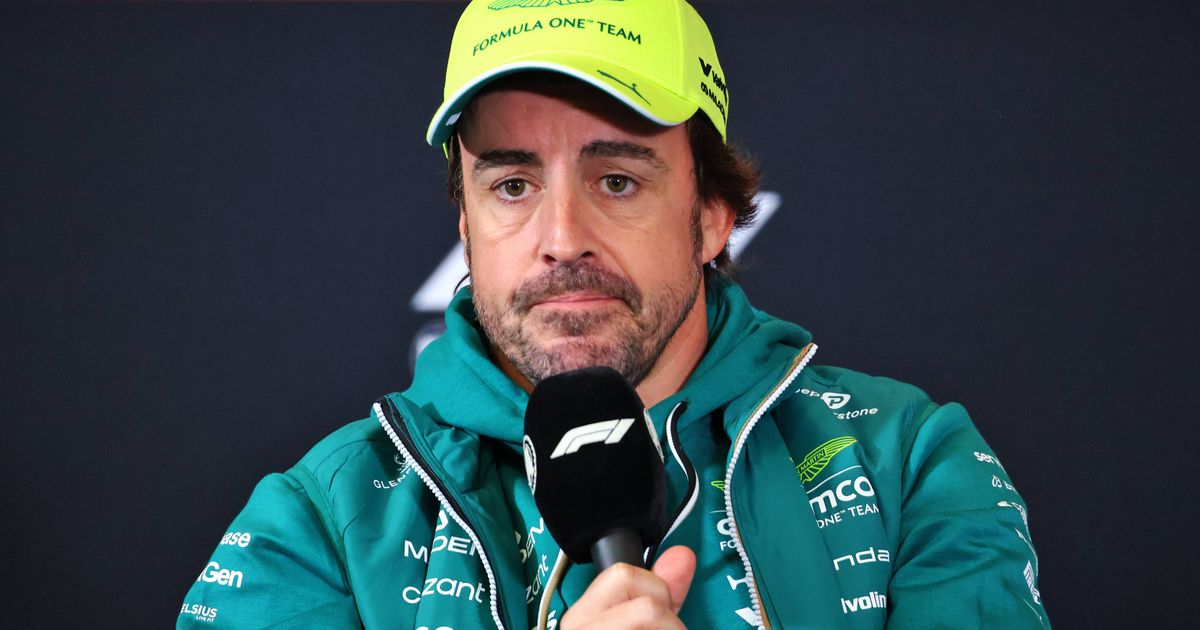
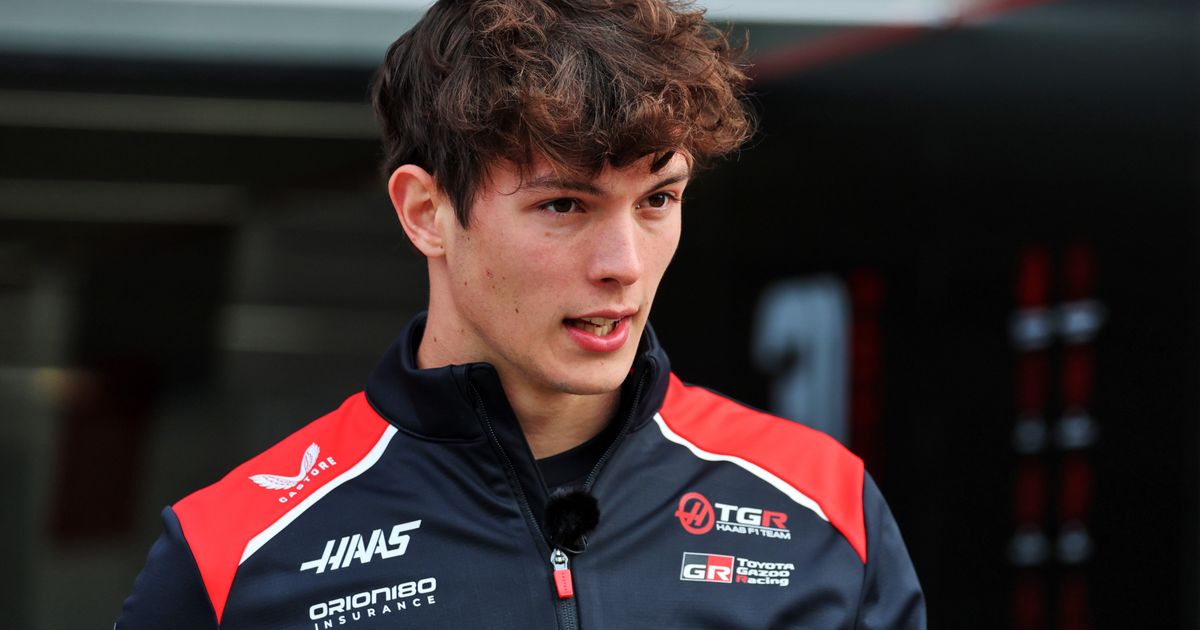
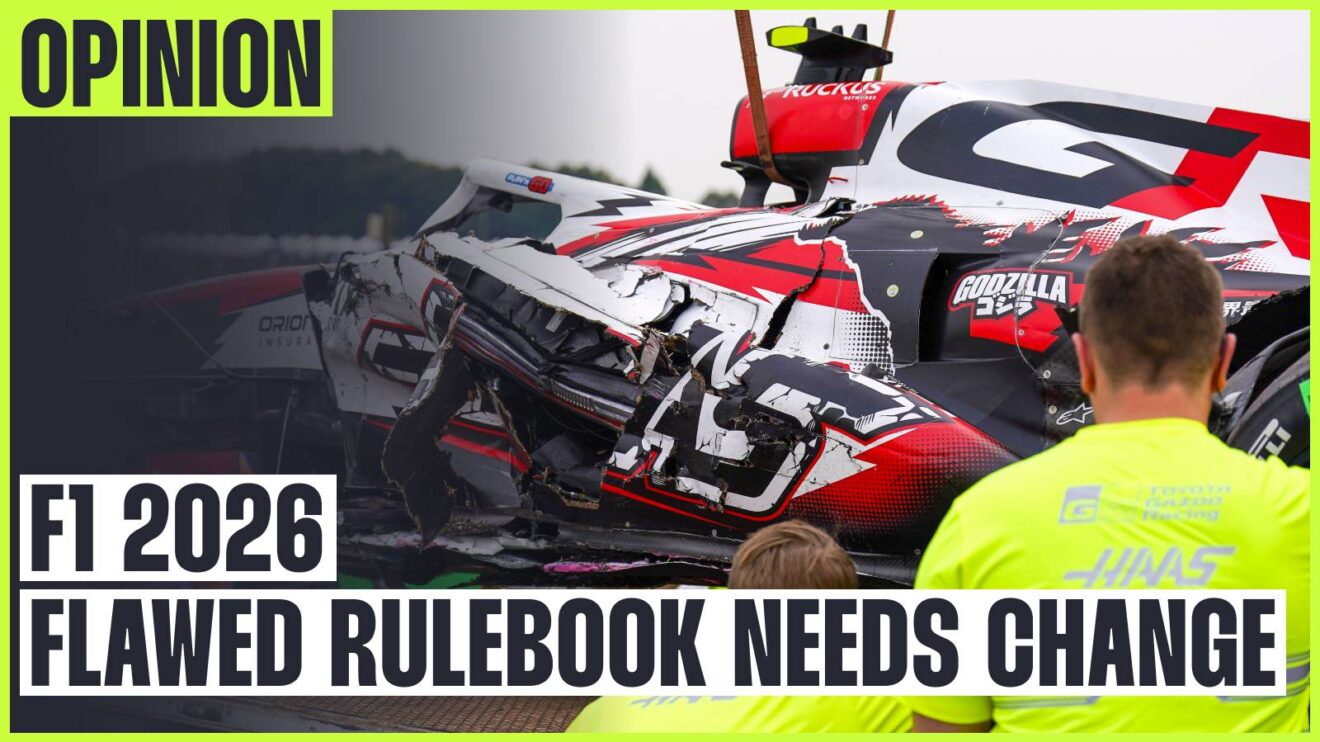
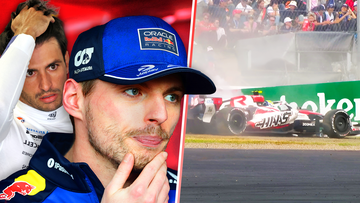
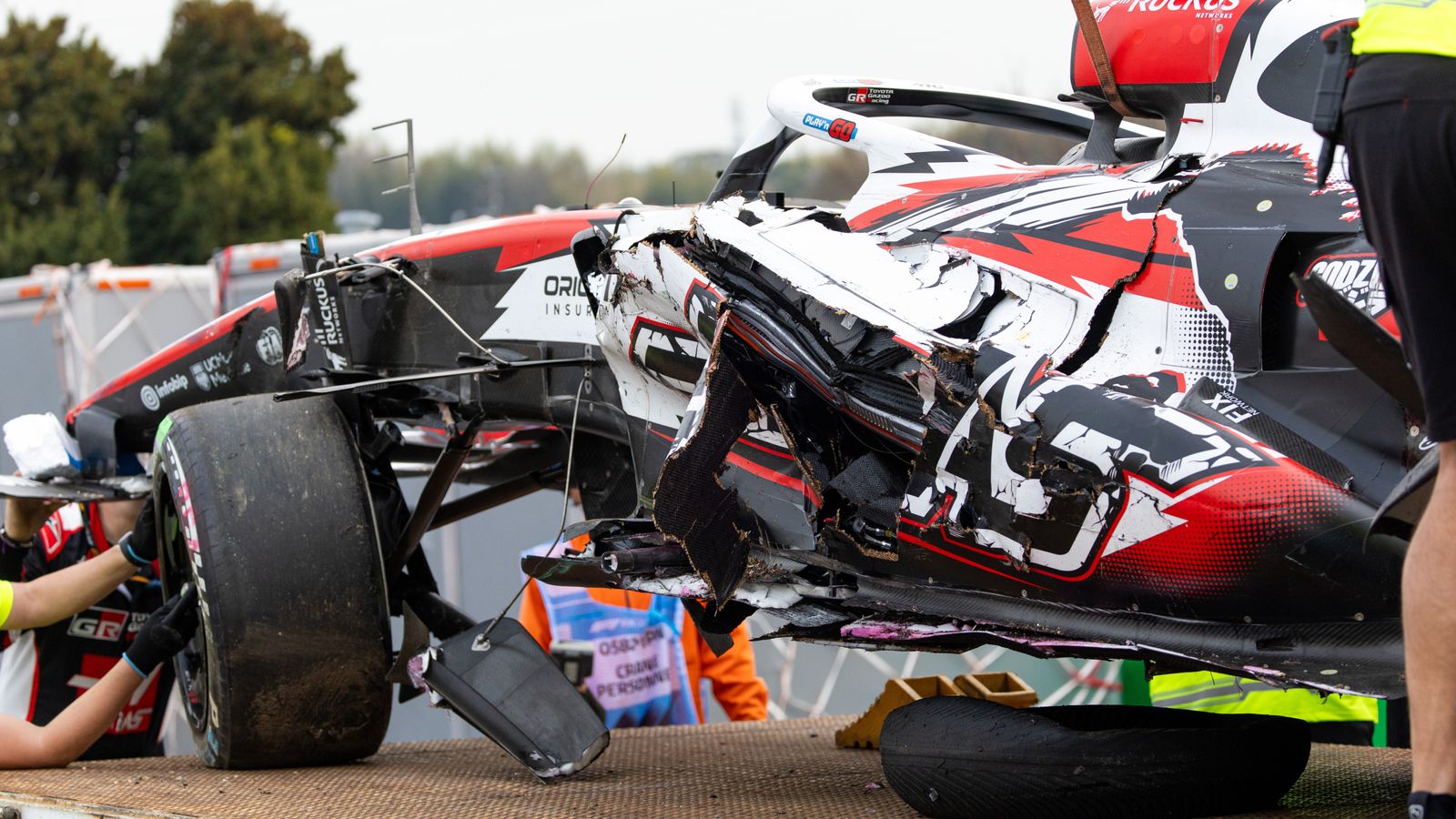
Fernando Alonso warned before the Japanese GP that F1's current rules create dangerous overtaking situations based on battery deltas, not driver skill. His prediction came true when Oliver Bearman crashed after a massive overspeed, an incident drivers had previously flagged as a safety risk to the FIA.
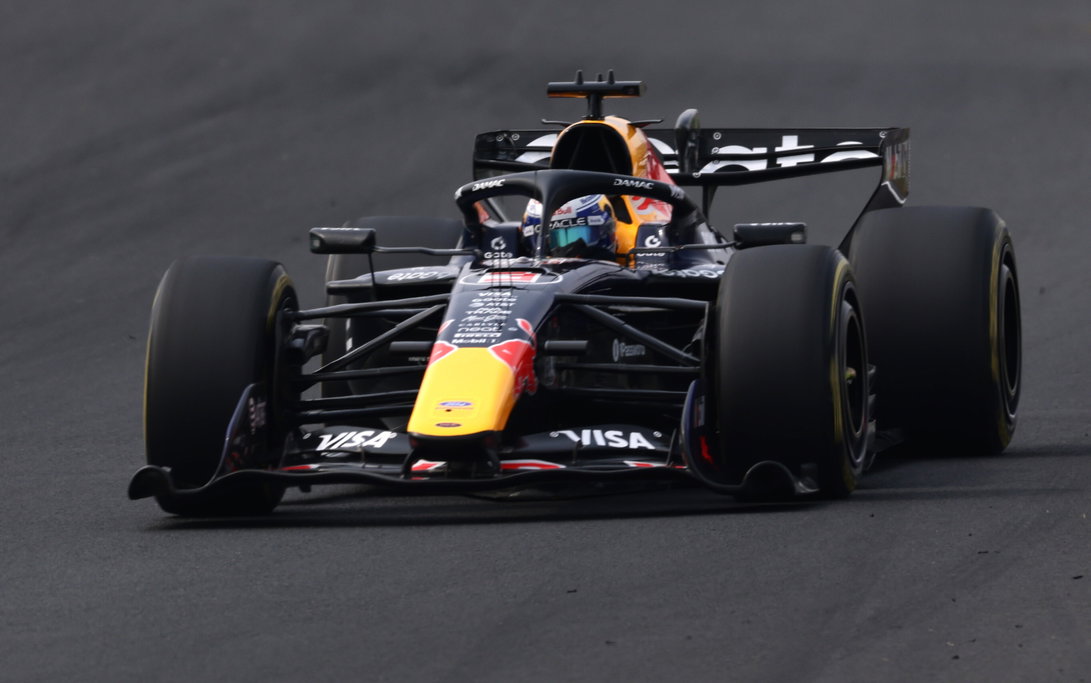
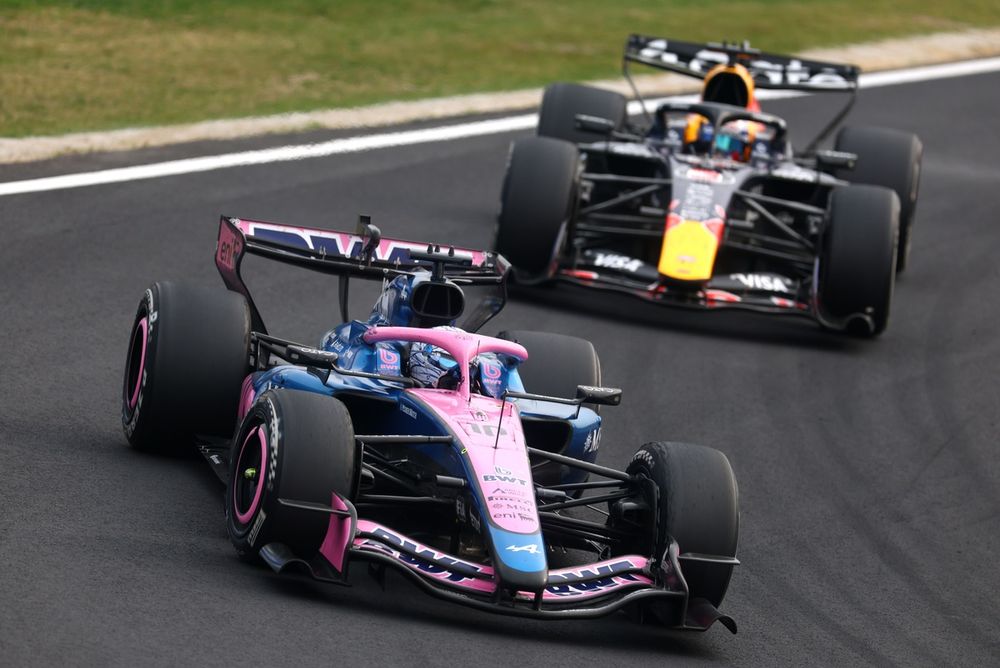
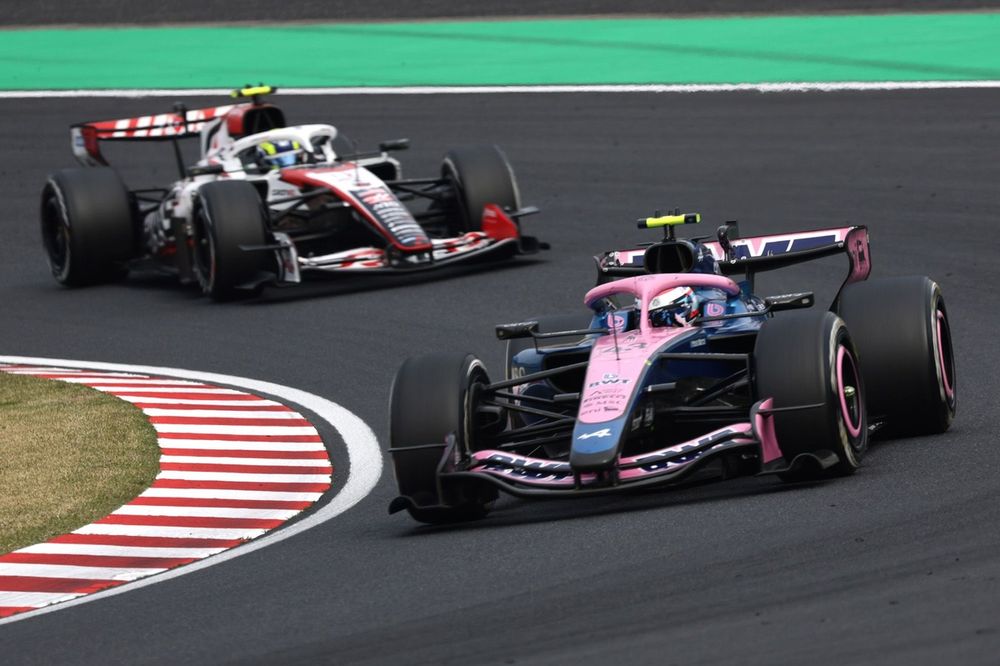
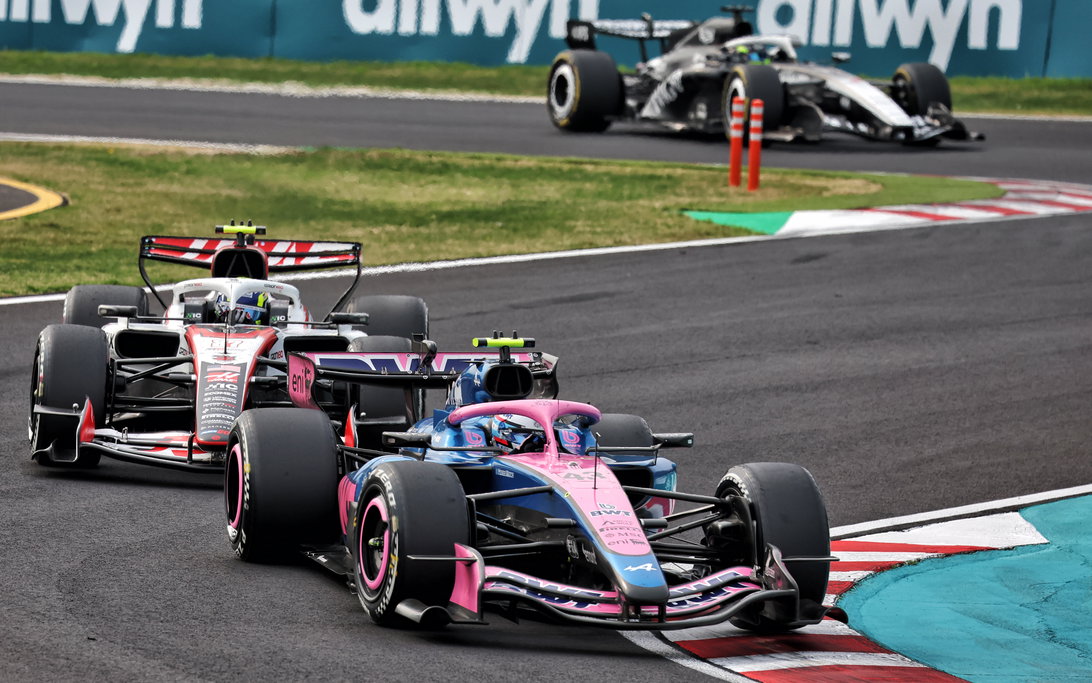
During the Japanese GP, Max Verstappen humorously waved at Pierre Gasly as the Alpine driver overtook him, a move forced by Verstappen's depleted battery. The moment highlights the critical role of energy management in F1's current regulations. Gasly's seventh-place finish marks his third straight points result, underscoring Alpine's strong competitive form.
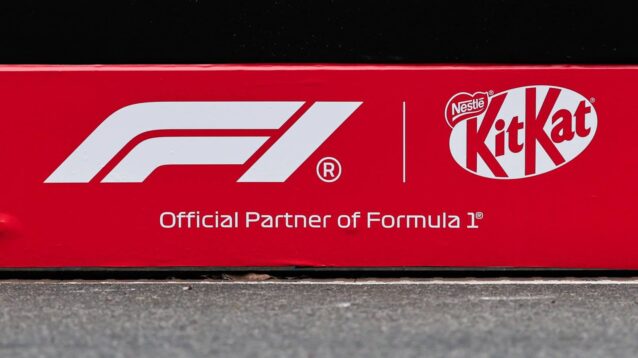
Thieves in Europe hijacked a truck carrying over 400,000 limited-edition Formula 1-themed KitKat chocolate bars. The incident highlights the growing problem of sophisticated cargo theft, even as F1 expands its lucrative commercial partnerships with global consumer brands like Nestlé.
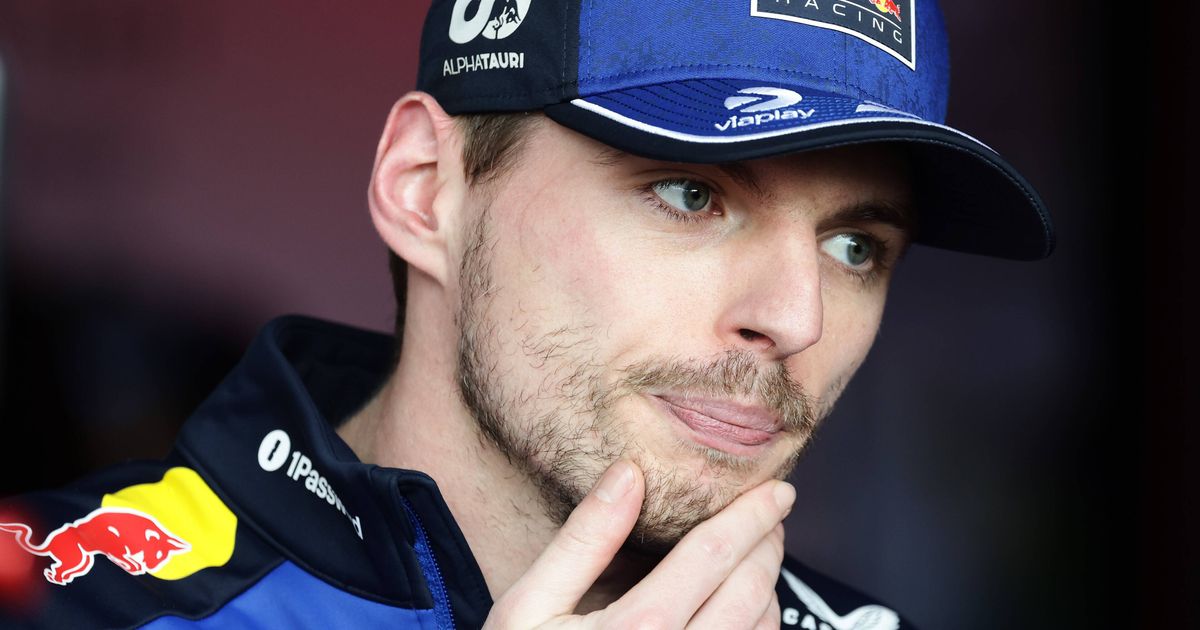
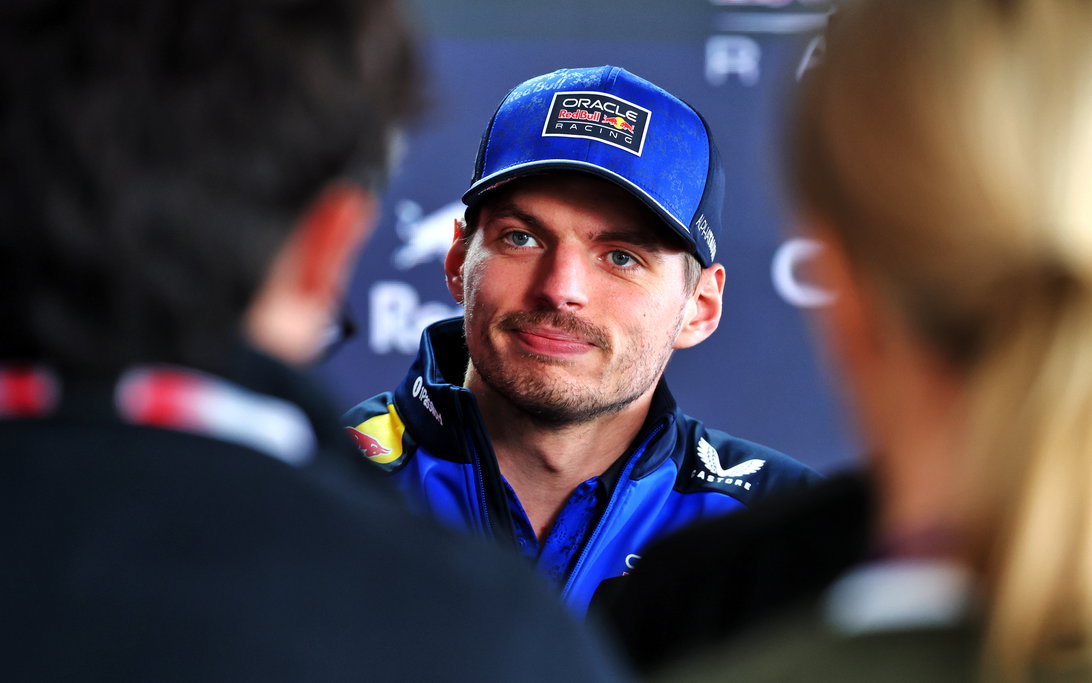
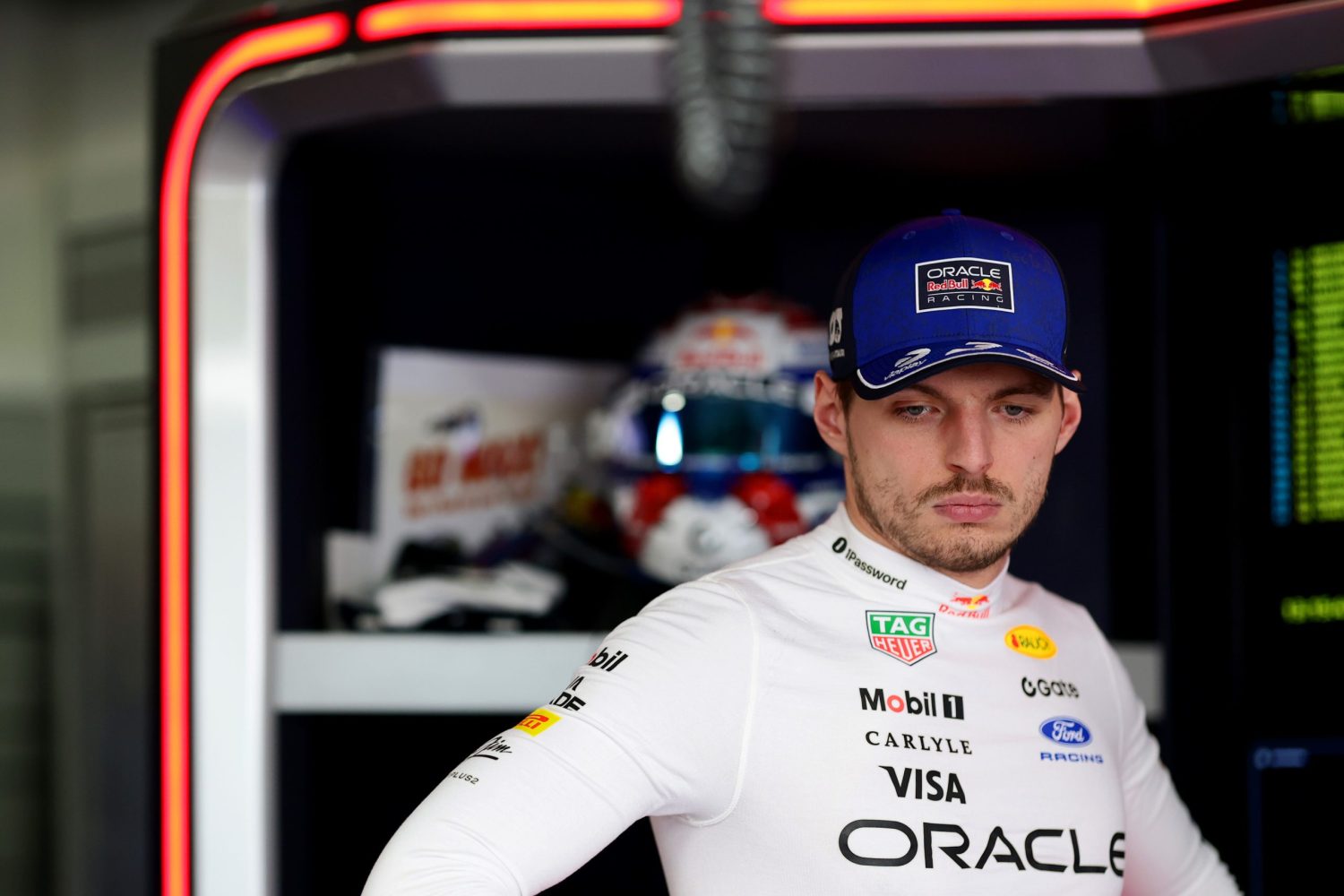
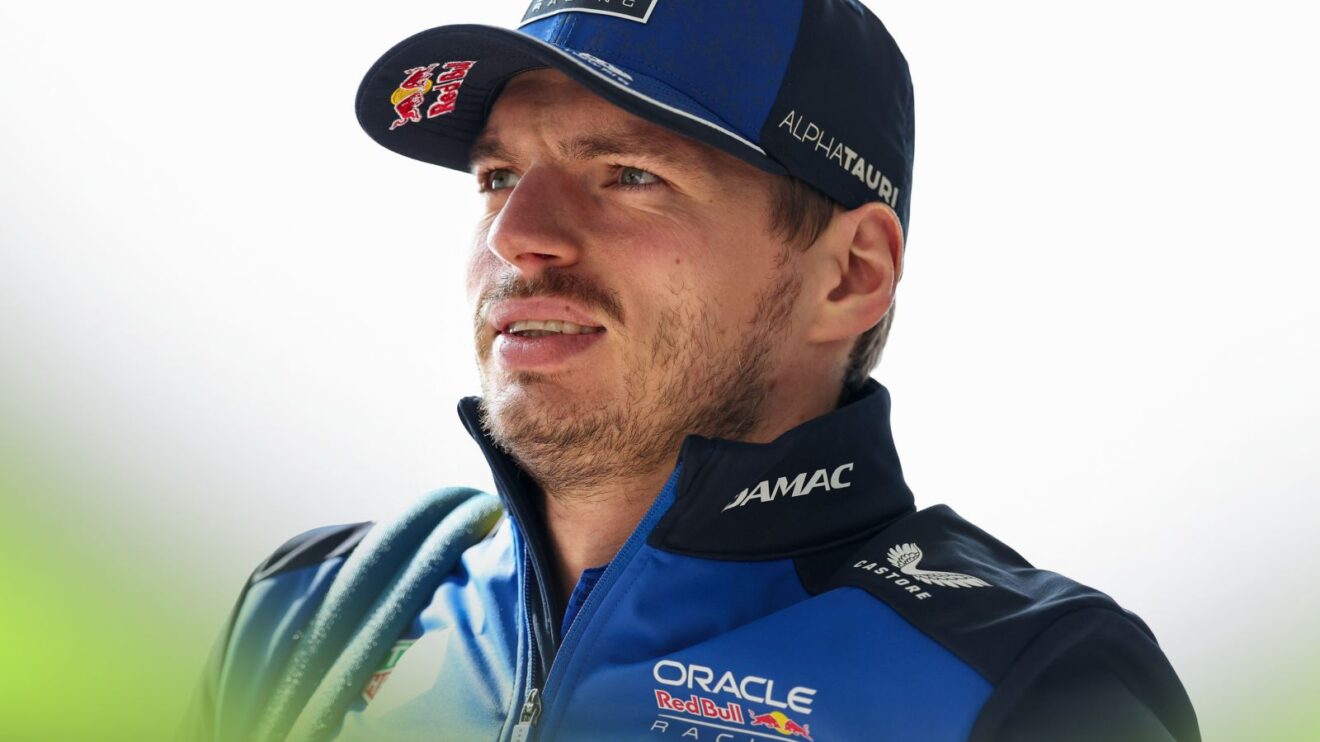
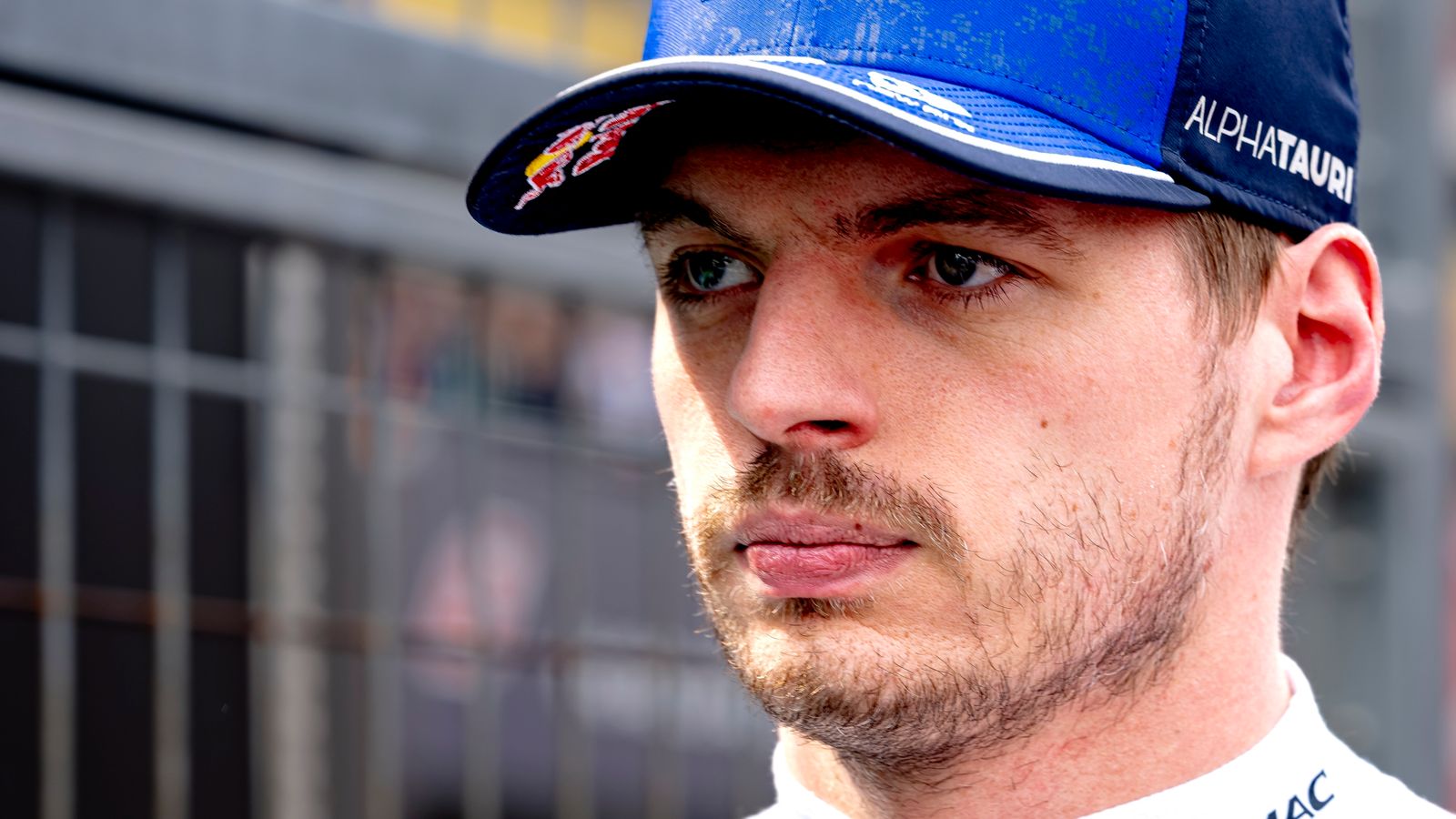
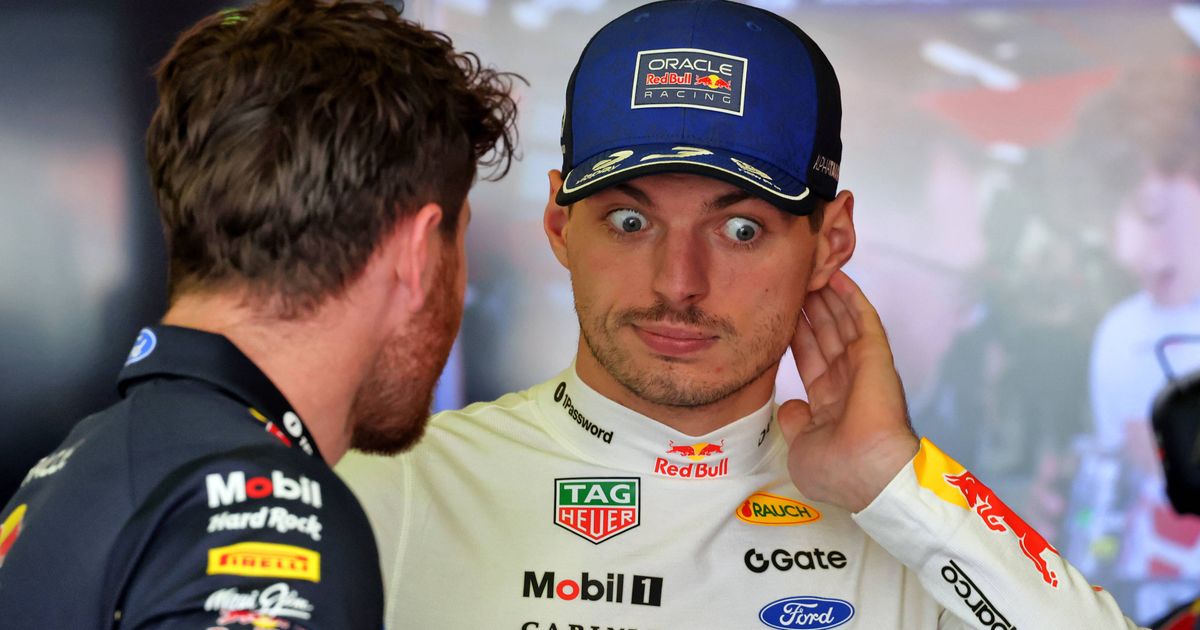
Max Verstappen has thrown his F1 future into doubt, stating he will consider his position in the sport after a frustrating start to 2026. The Red Bull driver sharply criticized the upcoming technical regulations and hinted retirement is an option, despite being under contract until 2028.
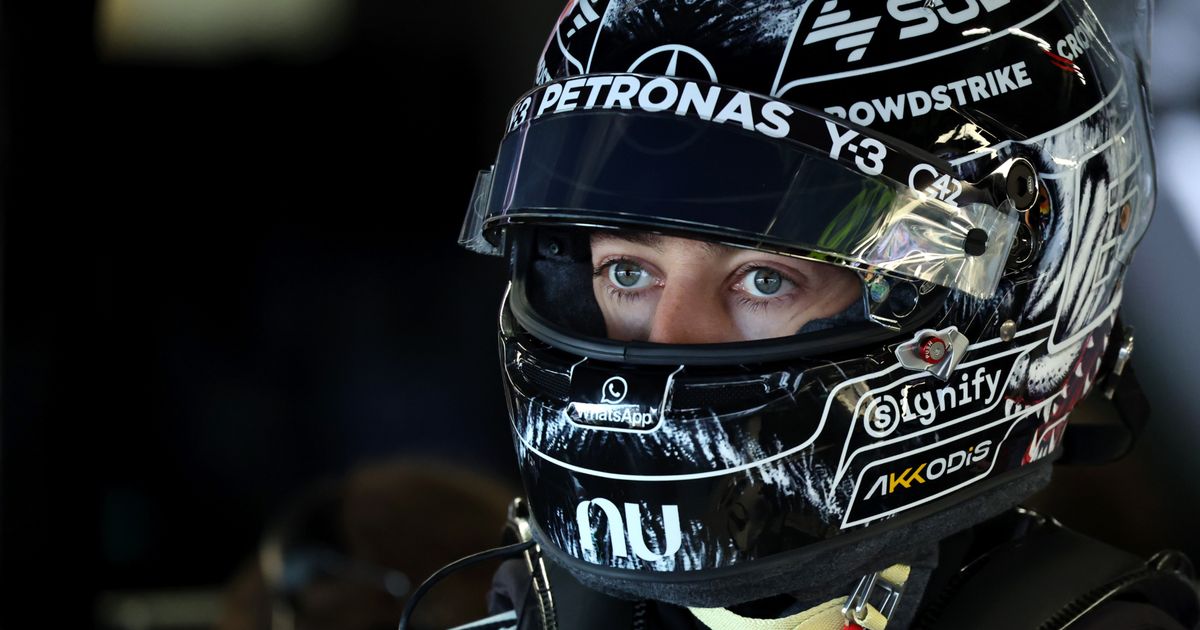
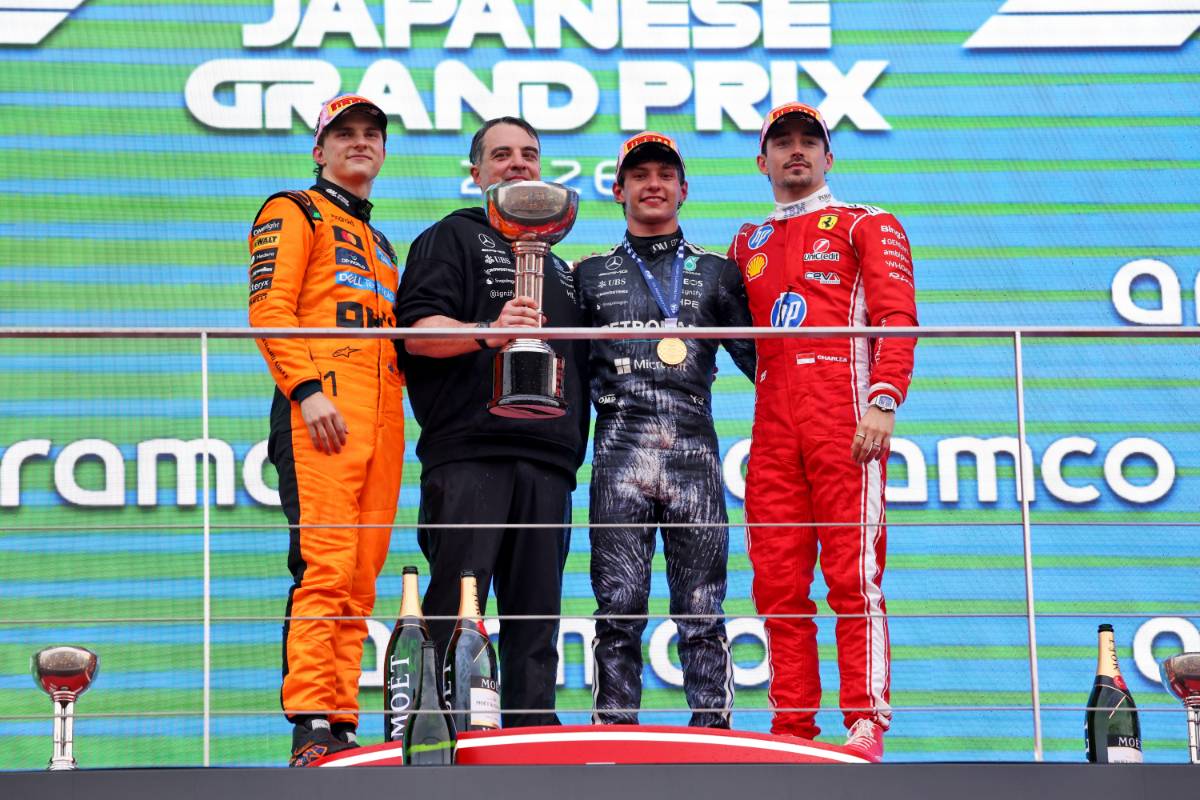
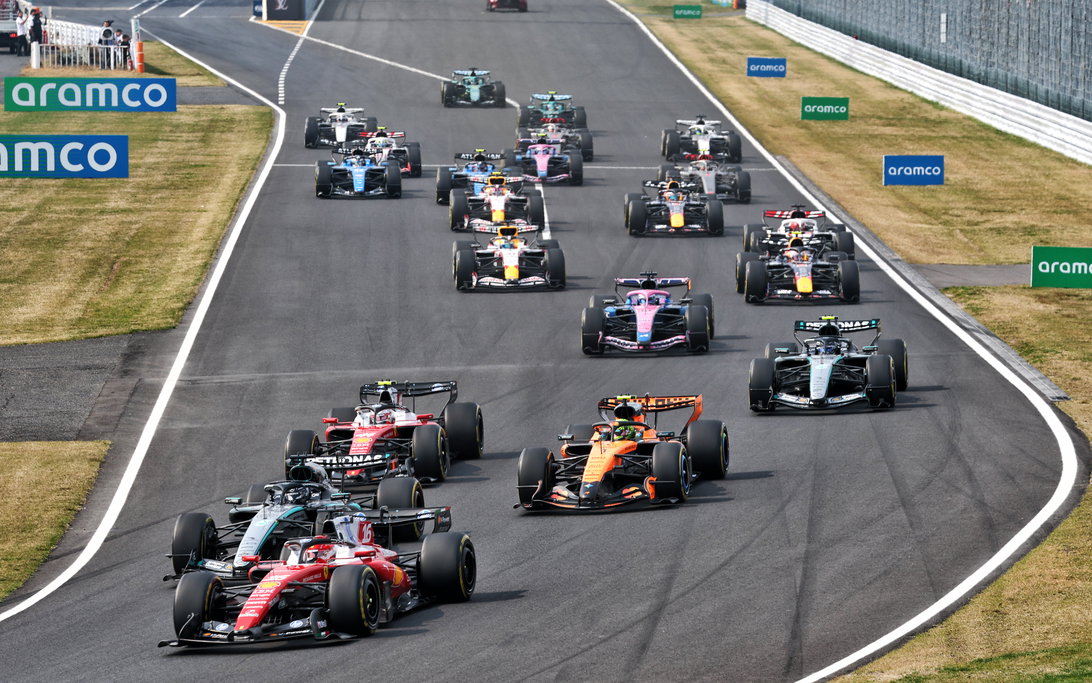
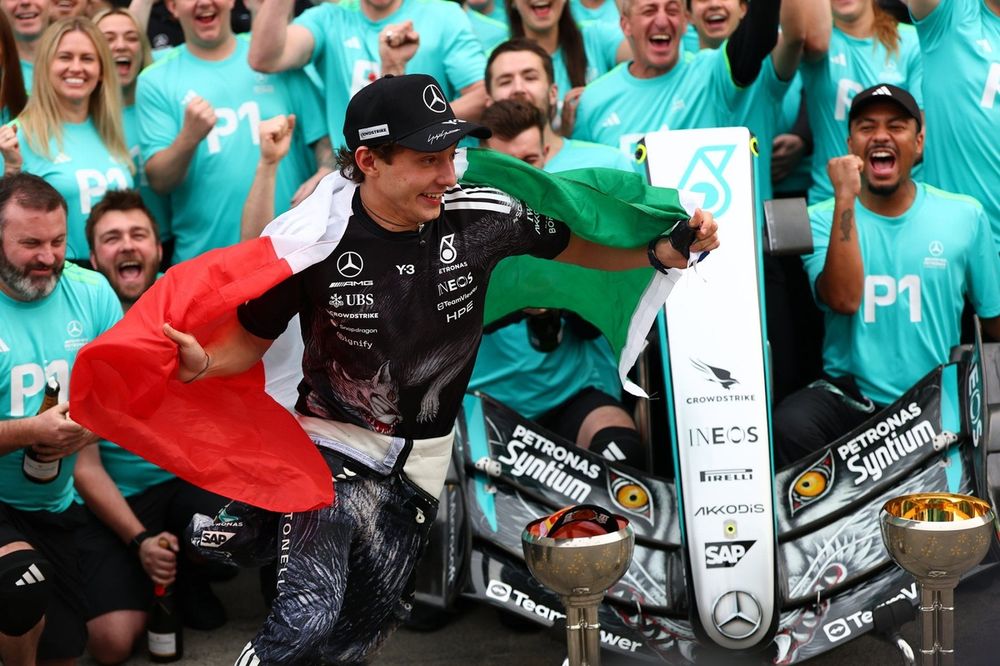
Kimi Antonelli wins the 2026 Japanese GP for Mercedes, claiming his second straight victory and emerging as an early championship threat. Teammate George Russell's difficult season continues with more bad luck at Suzuka.
Max Verstappen issued a dual warning after the Japanese GP, declaring Red Bull's current performance issues "not sustainable" and reiterating strong criticism of Formula 1's future direction. The champion expressed frustration with his car's balance and the sport's 2026 regulations, even questioning his long-term future in F1 amid the demanding calendar.
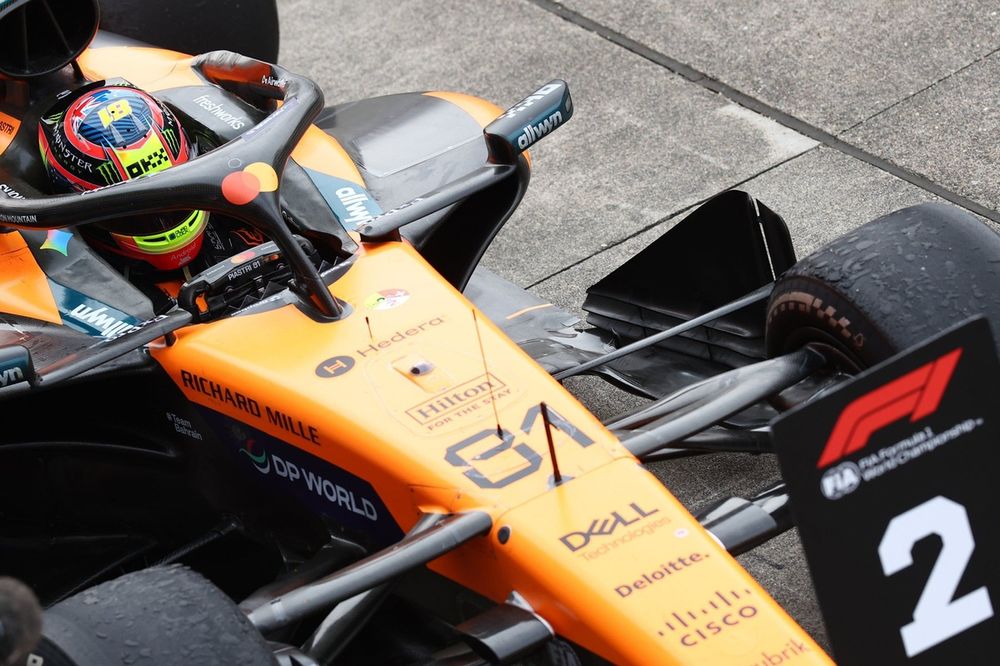
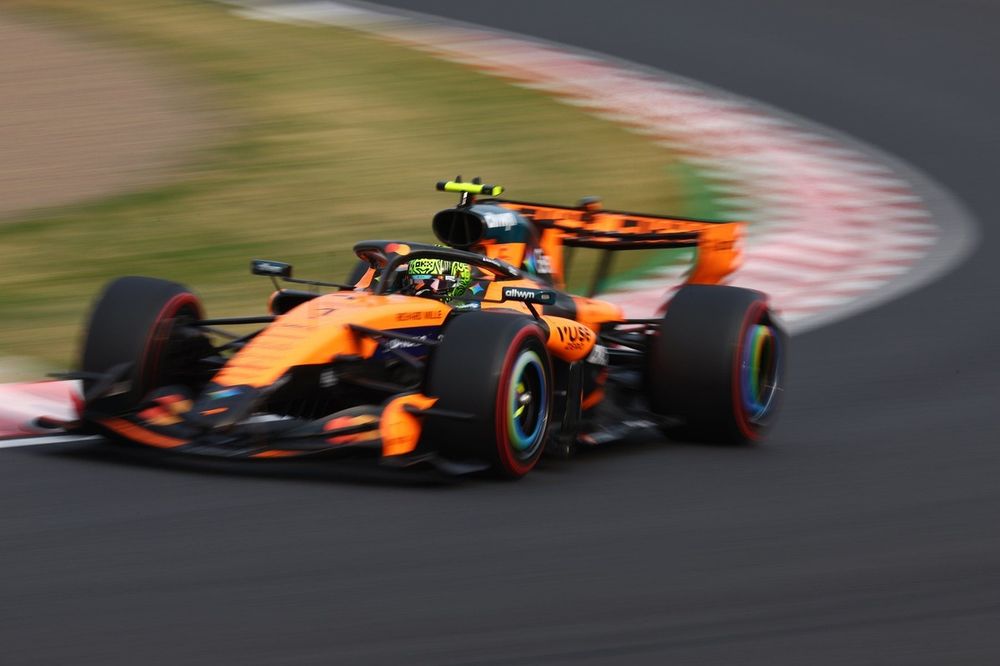
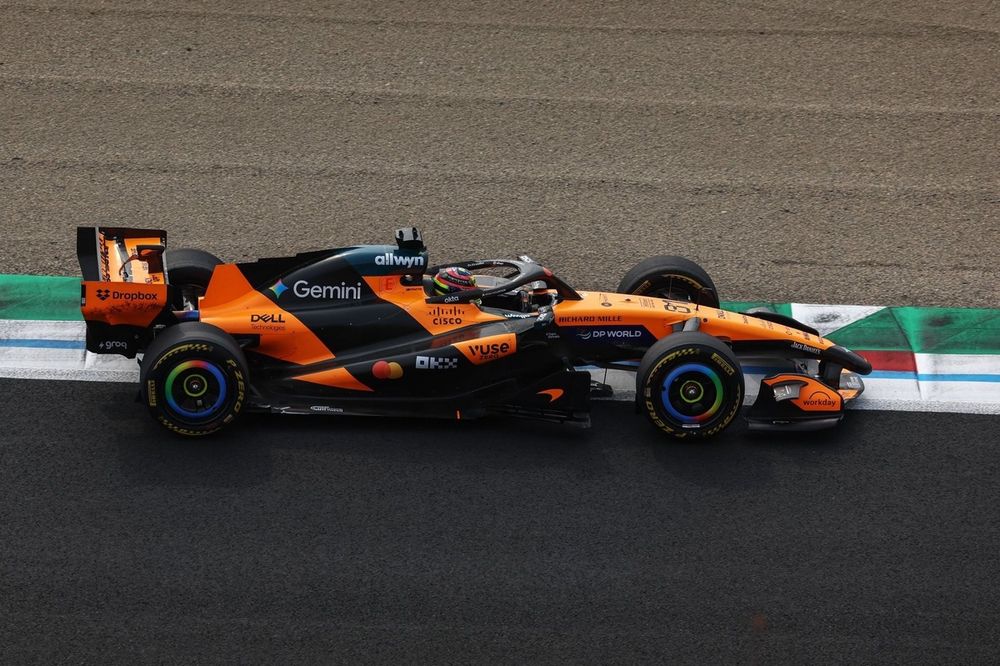
Oscar Piastri labeled his Japanese GP weekend, where he finished second for McLaren, as one of his best in F1. The podium marks a crucial turnaround after he failed to start the first two races of 2026, though he acknowledges a significant performance gap to the leading Mercedes and Ferrari remains.
Oliver Bearman's massive 50G crash at Suzuka has sparked a major safety row, with drivers like Verstappen and Sainz accusing the FIA of ignoring prior warnings. The incident overshadows Kimi Antonelli's historic achievement as the youngest driver ever in an official F1 session.
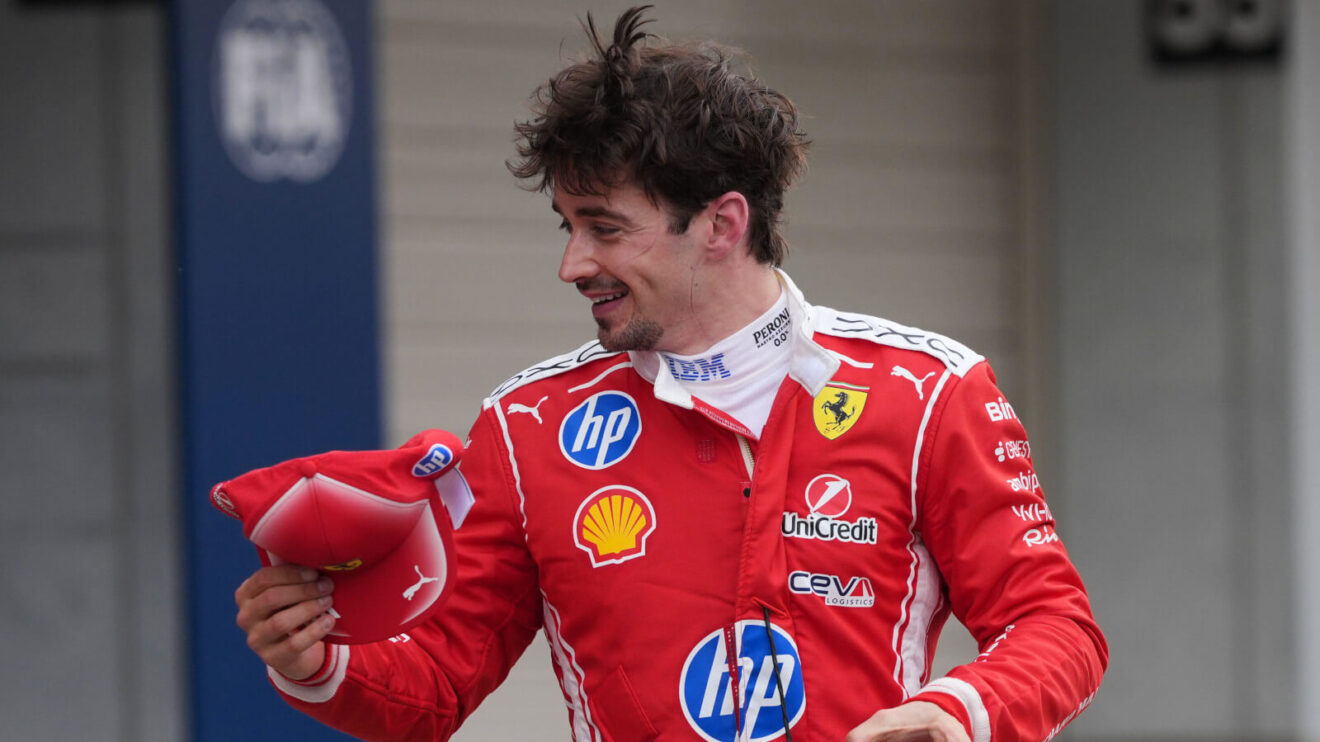
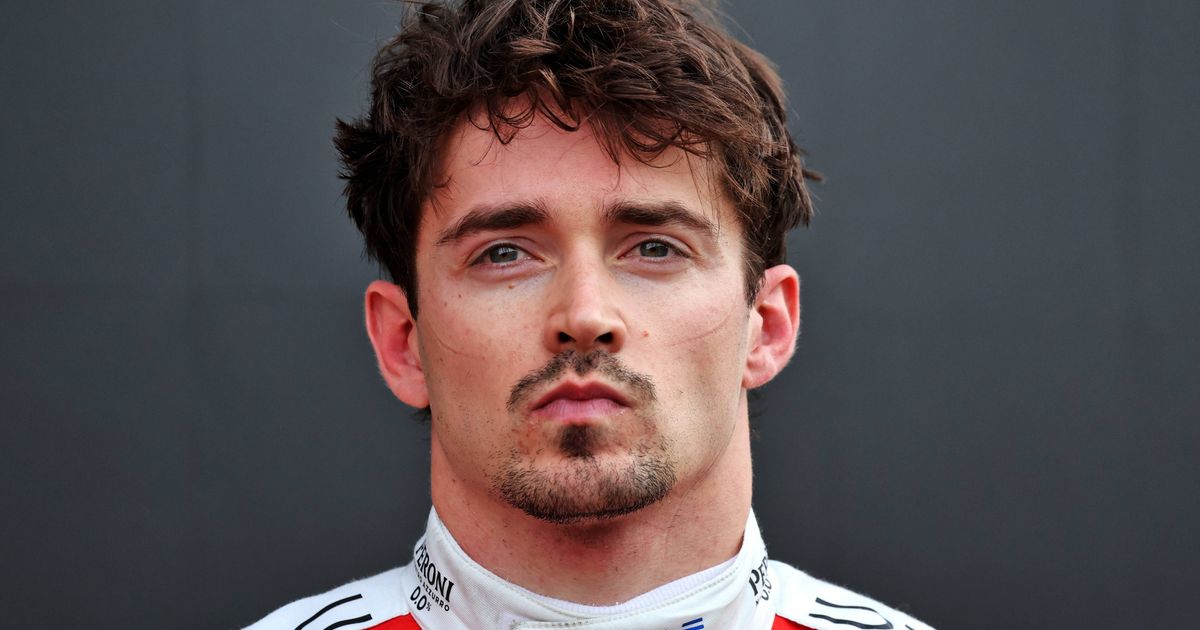
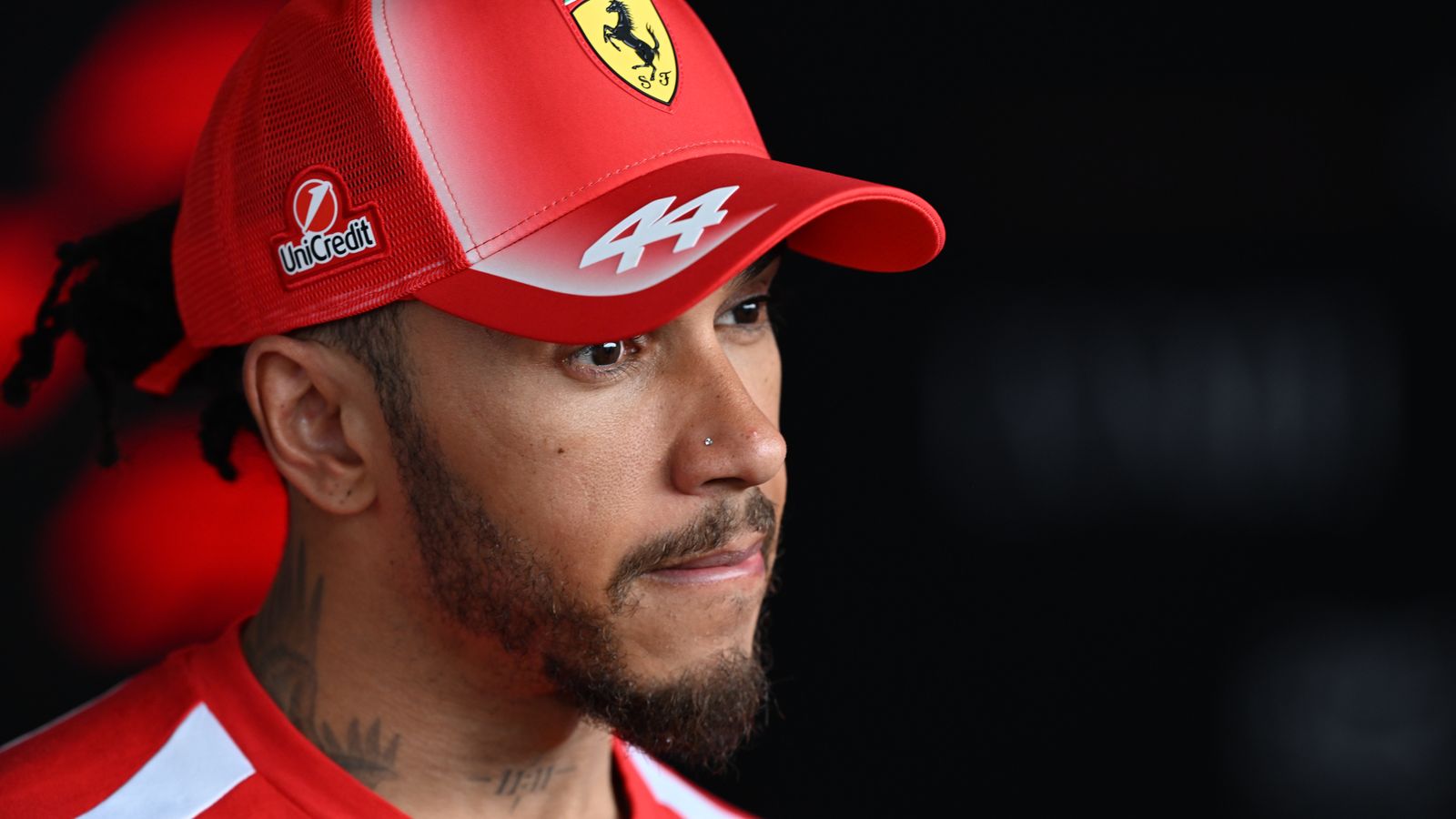
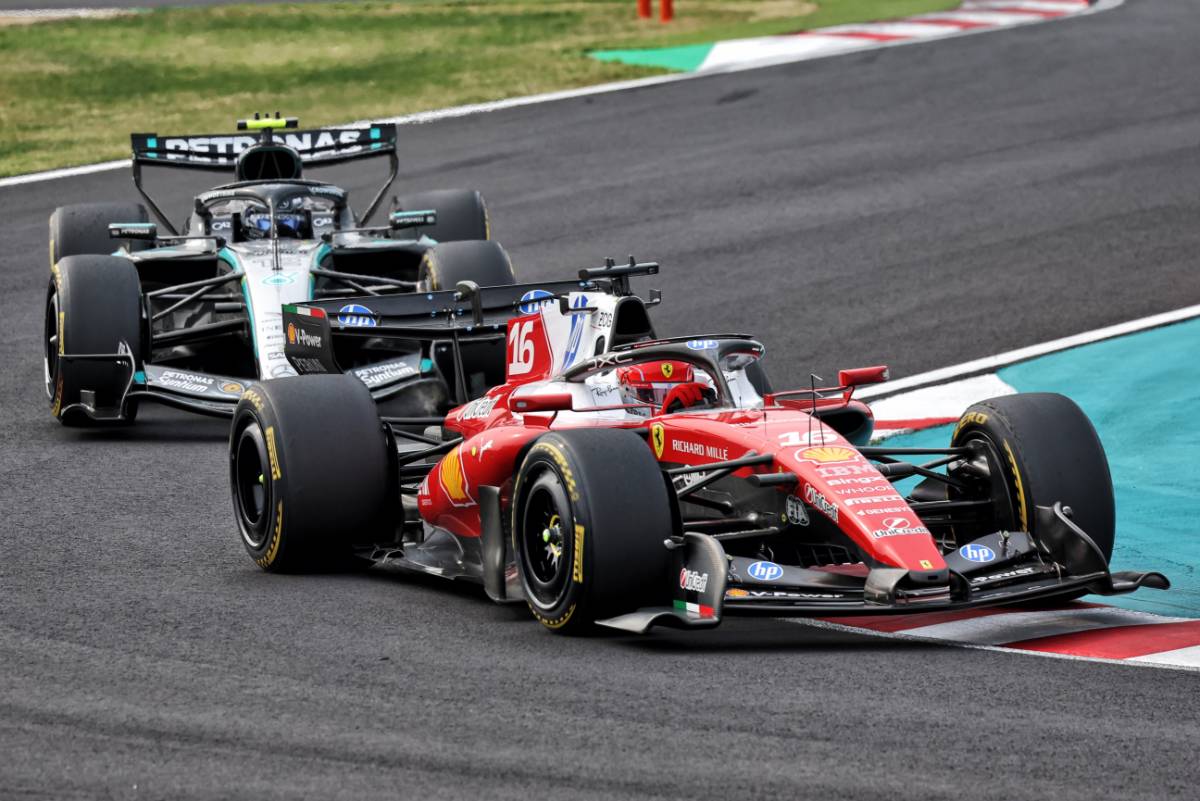
Lewis Hamilton labeled his Japanese Grand Prix "pretty terrible" after falling from a potential podium finish to sixth, blaming a confusing lack of power. While teammate Charles Leclerc fought to fourth, he admitted Ferrari still faces a significant performance deficit to Mercedes, particularly with its power unit.
Lando Norris and Max Verstappen have slammed the current state of F1 overtaking, labeling it artificial "yo-yoing." They argue that a lack of driver control over battery deployment, especially at tracks like Suzuka, forces predictable and unsatisfying maneuvers, undermining the authenticity of wheel-to-wheel racing.
The FIA will review F1's 2026 regulations in April after Oliver Bearman's high-speed crash at Suzuka, which drivers blame on dangerous speed differences caused by the new energy-harvesting rules. The incident has amplified urgent safety calls from drivers, who warn of potential catastrophe on street circuits if changes aren't made swiftly.
Max Verstappen's criticism of F1's current technical rules is gaining widespread driver support after Oliver Bearman's Japanese GP crash. Colleagues like Norris and Piastri agree the new power units create dangerous speed differences and change the sport's fundamental nature, prioritizing battery management over traditional racing skill and raising serious safety concerns.