This is a notice that the submitted content is about Supercars, not Formula 1, and therefore cannot be processed according to the provided guidelines. Please submit F1-related content for conversion.
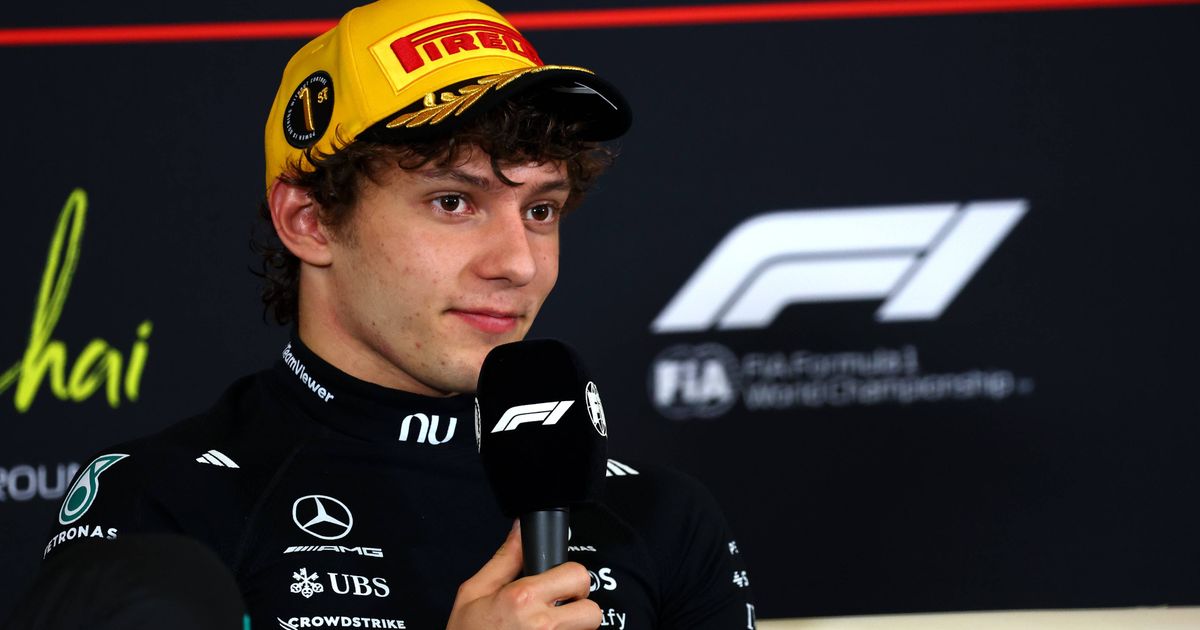
FIA approves tweaks to the 2026 F1 cars, easing concerns on the 50/50 split. Mercedes boss Toto Wolff is criticised for promoting Kimi Antonelli after Max Verstappen rejected the seat, sparking drama.
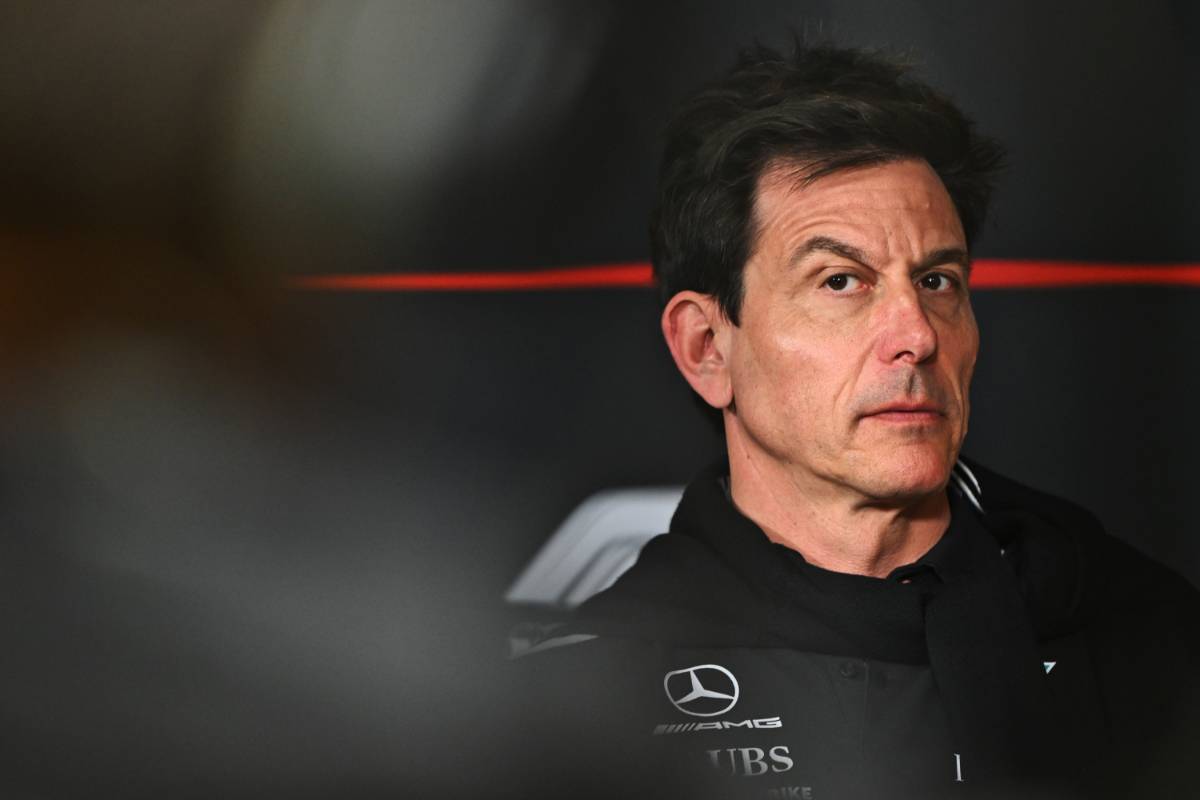
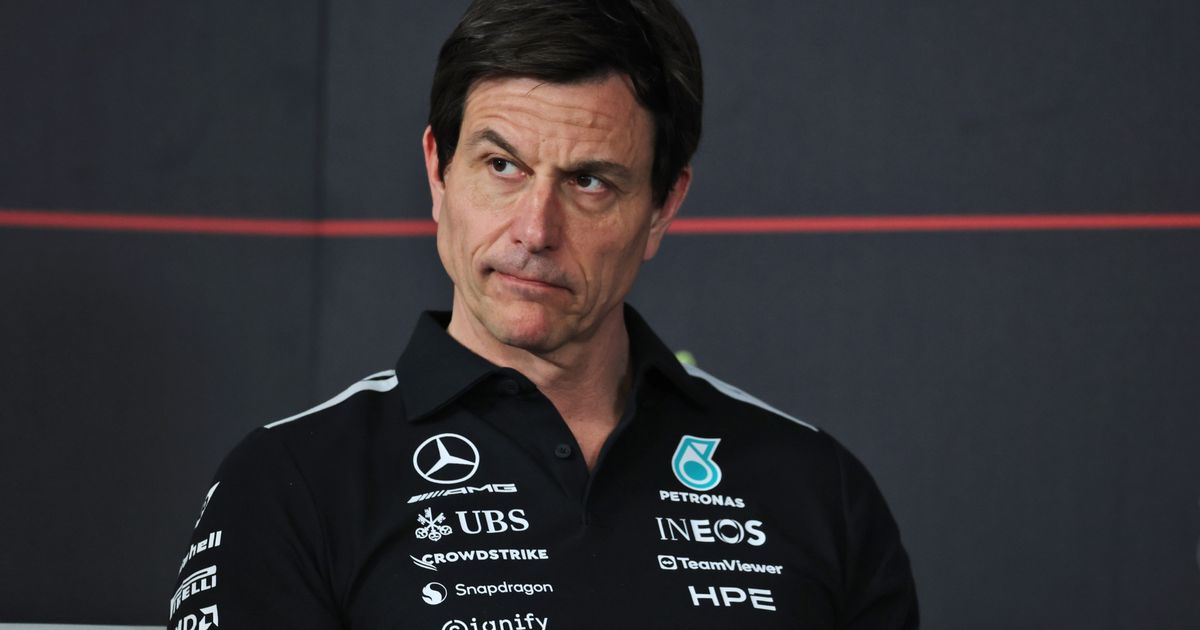
The FIA has enacted immediate changes to the 2026 F1 power unit regulations for the Miami GP, targeting energy management and safety after early-season criticism. The move comes as Mercedes boss Toto Wolff publicly scolded drivers for airing their grievances, calling for internal discussions to protect the sport's image.
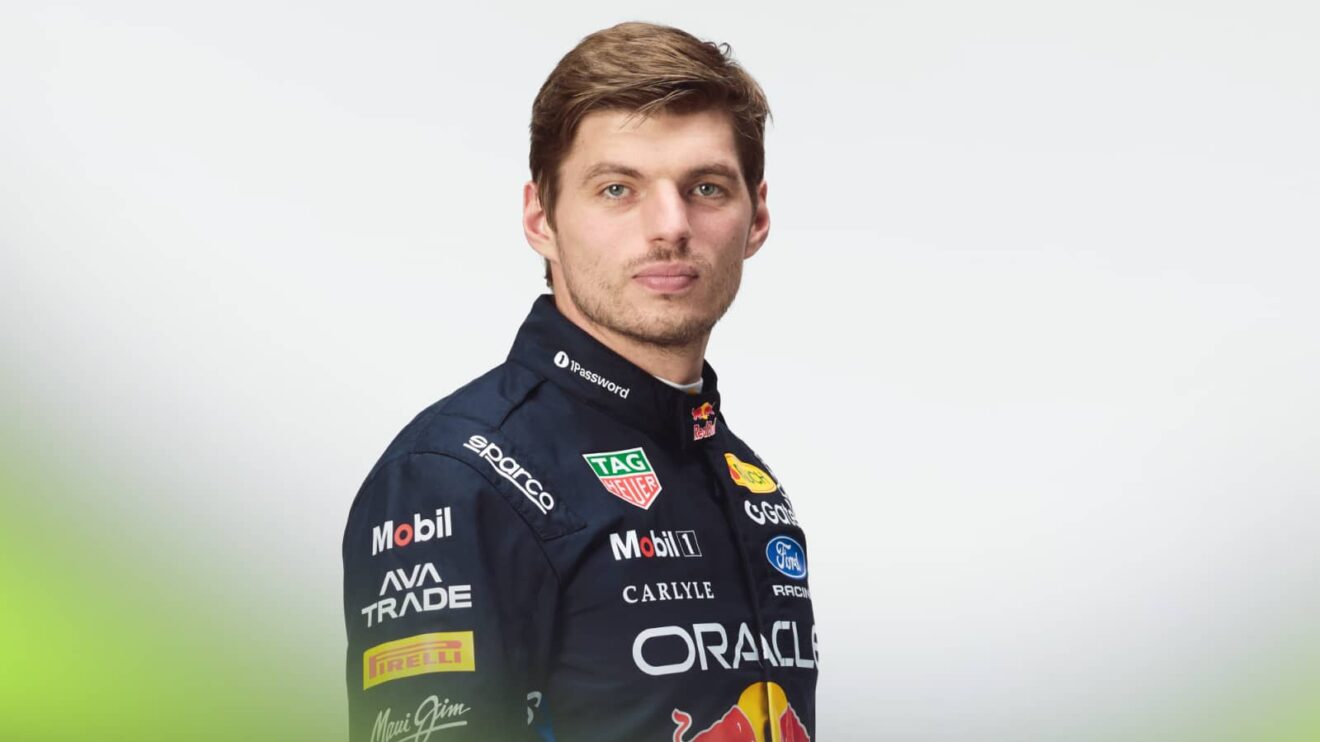
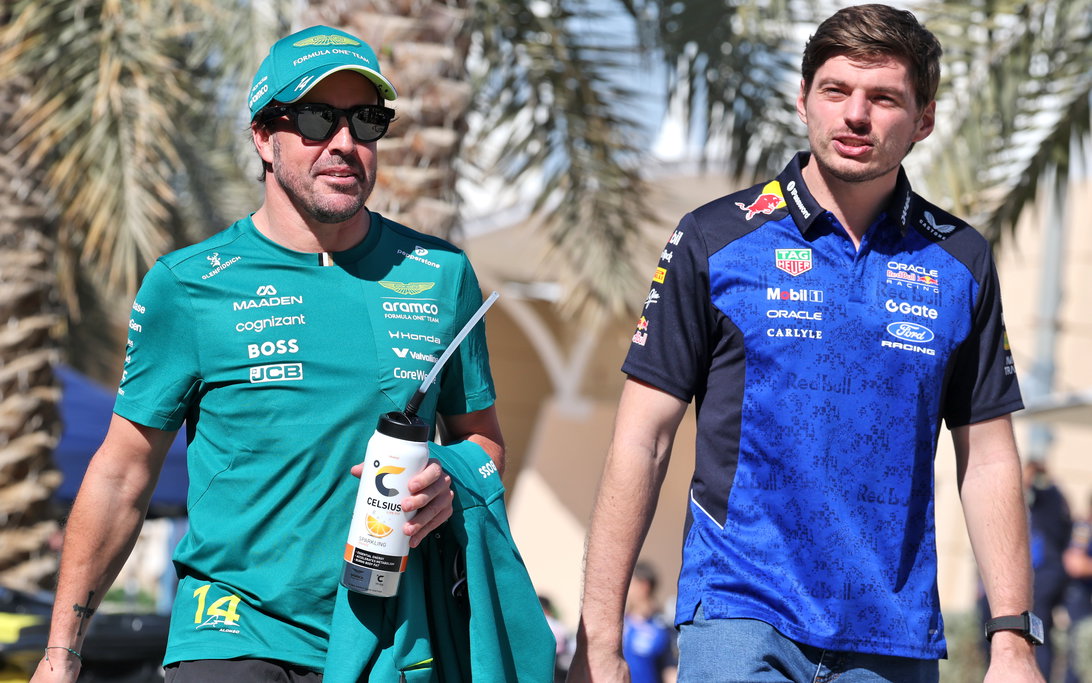
The FIA has proposed initial tweaks to the 2026 F1 rules focusing on energy and safety, but Max Verstappen remains a vocal critic, calling the regulations "fundamentally wrong." His dissatisfaction has sparked speculation about his Red Bull future, with Charles Leclerc named as a potential replacement, highlighting the high stakes for the sport's next era.
F1 stakeholders have agreed on targeted changes to the 2026 power unit regulations, increasing super clipping and limiting energy harvesting to make qualifying more competitive and improve safety. The tweaks, set for debut in Miami, also introduce a new anti-stall system for race starts and adjustments for wet weather running.
The FIA has approved a set of rule tweaks for 2026 F1 cars, cutting qualifying recharge limits, capping race boost, improving wet‑weather grip and adding a low‑power start detection system. Pending World Motor Sport Council approval, the changes could debut at the Miami Grand Prix.
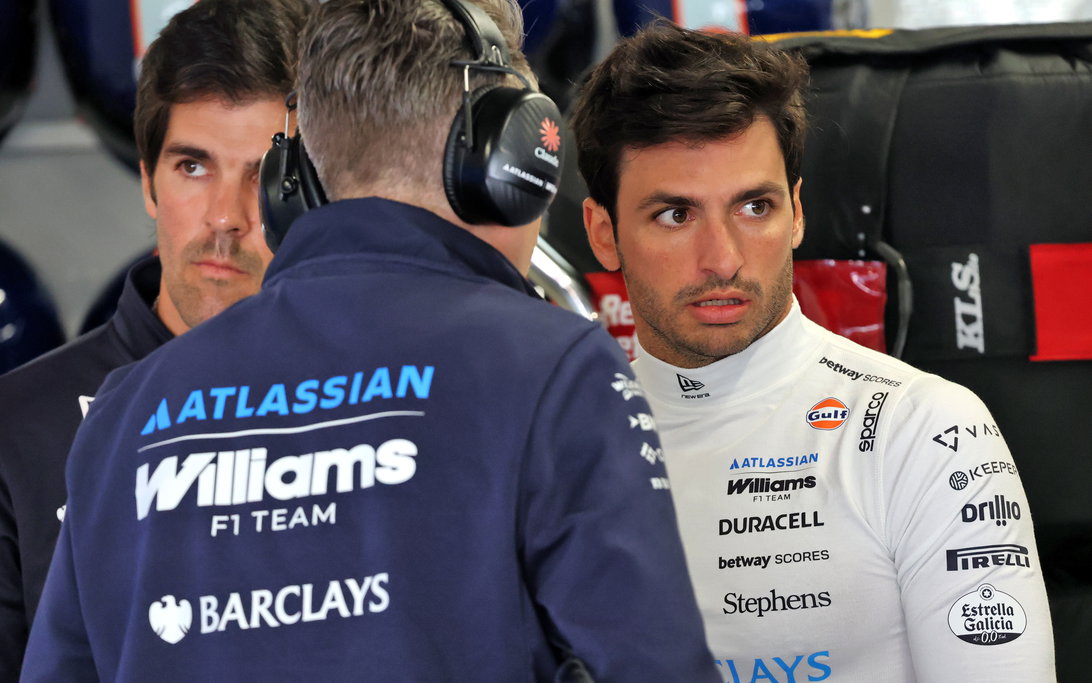
Williams' 2026 car is overweight and missed its shakedown, leaving the team at the back of the grid. Carlos Sainz warned he could smell the trouble early and says resilience will be key to bounce back.
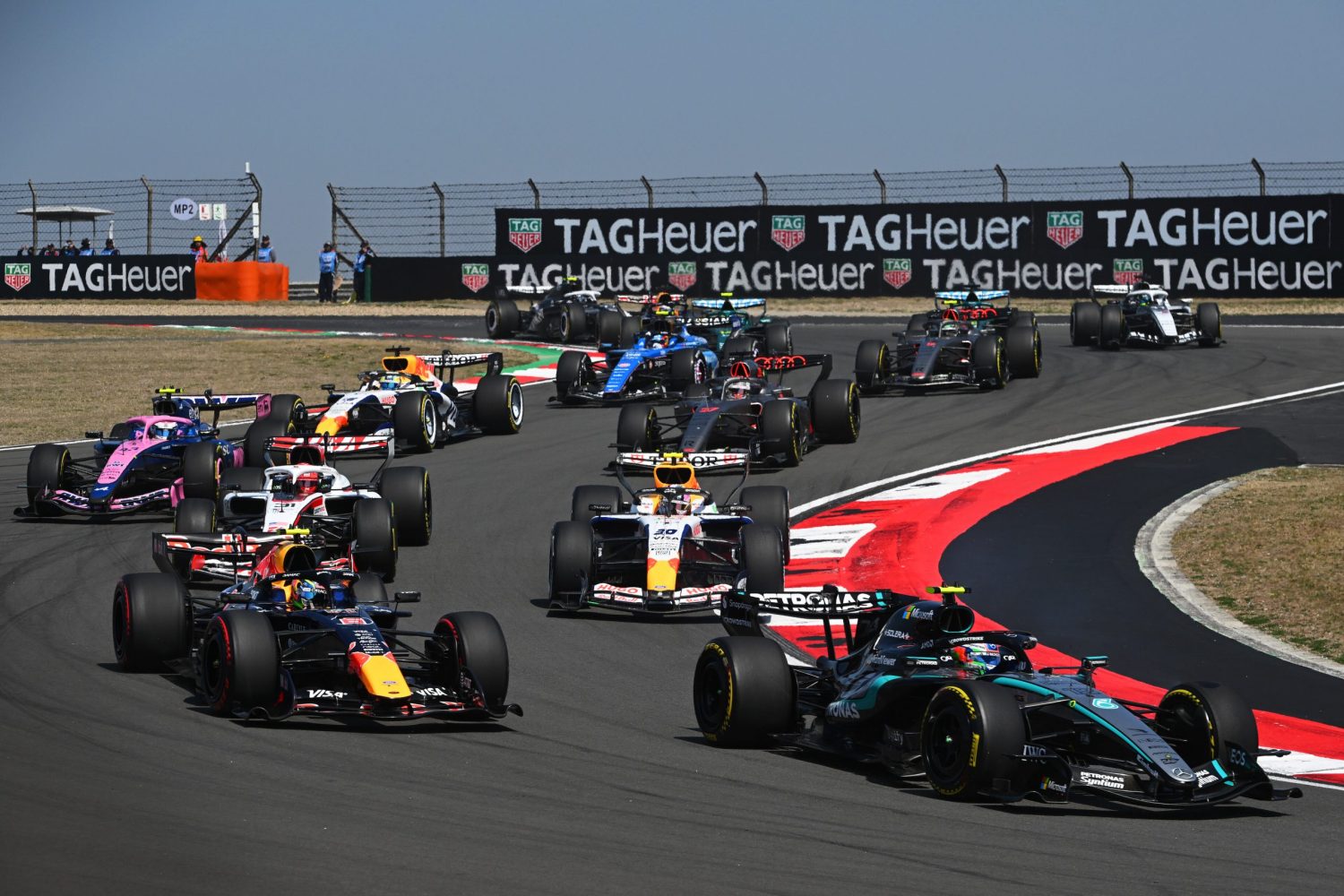
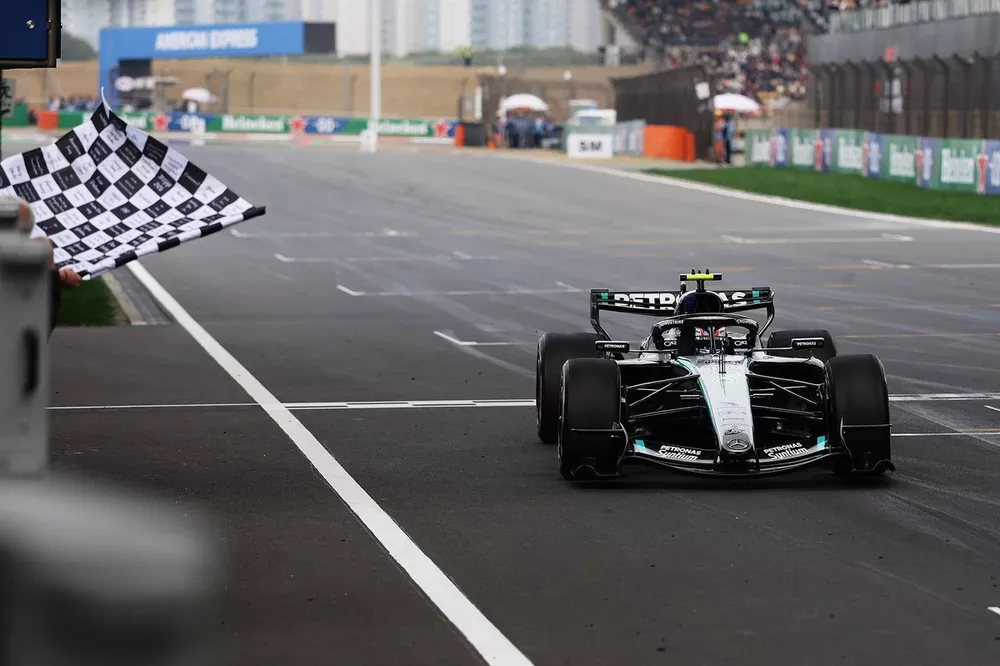
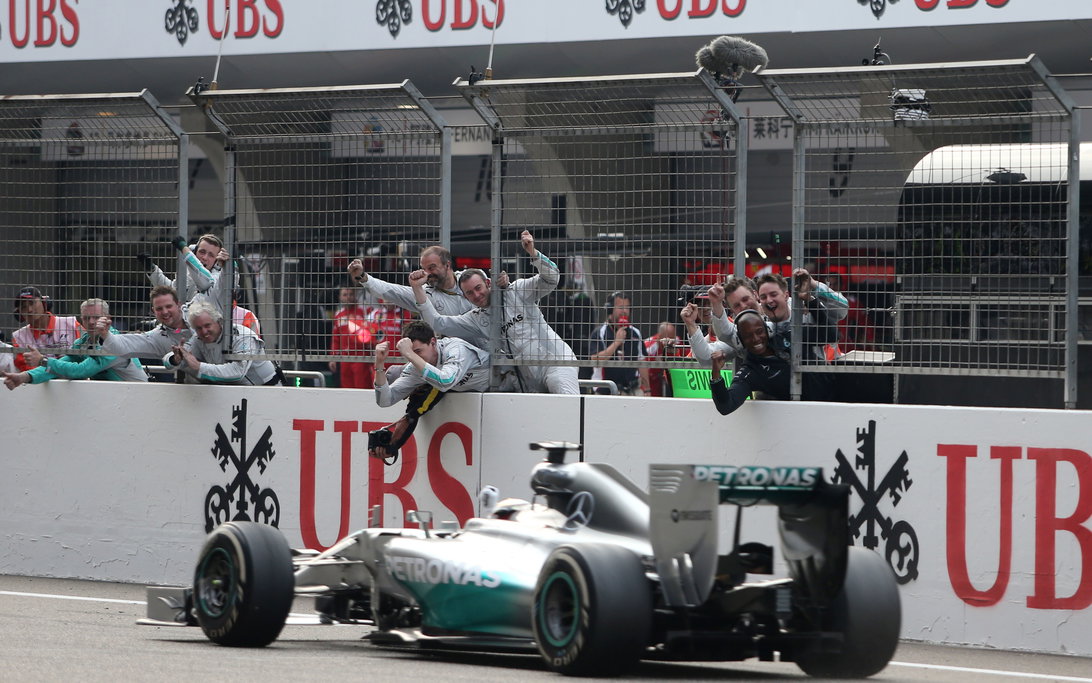
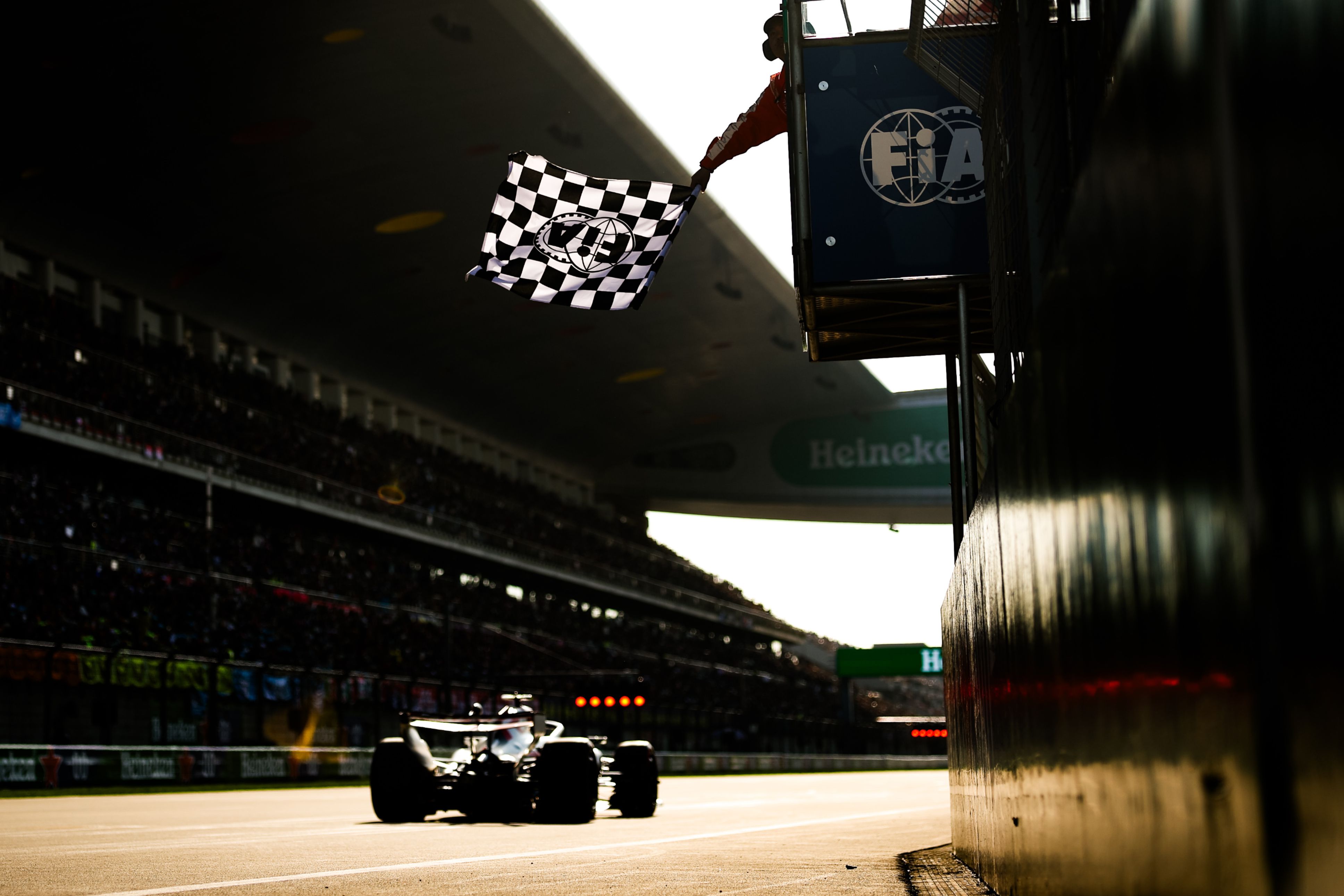
A marshal's error prematurely ended the 2014 Chinese GP, voiding Kamui Kobayashi's last-lap overtake. The incident highlighted the absolute authority of FIA rules, where the checkered flag's wave—not the scheduled laps—definitively ends a race, regardless of on-track action.
Formula 1 stakeholders have approved a package of tweaks to the 2026 technical regulations, informed by data from the season's opening races and driver consultations. The refinements aim to improve qualifying performance by reducing excessive energy harvesting, enhance race safety with new controls on power deployment, introduce a safer race start system, and boost wet-weather visibility. Most changes will debut at the Miami GP, with the new start procedure undergoing a trial first.
Nick Golding and Sam Coop examine the key 2026 F1 storylines — from the FIA’s regulatory overhaul to team strategies — and explain why the governing body’s choices could reshape the sport.
Mercedes team principal Toto Wolff cautions that the FIA's ADUO aid, meant to help lagging power‑unit makers, could be abused as a loophole, risking unfair advantage and reshaping the championship battle.
Mercedes' Toto Wolff cautions the FIA that engine upgrades permitted under the new ADUO rules must not be allowed to disrupt the 2026 title fight. He insists the system should only help struggling manufacturers catch up, not leapfrog rivals, and warns against any 'gamesmanship' as Ferrari eyes the rules as a chance to close the gap to the leading Silver Arrows.